Social selling tools help sales teams find prospects, monitor relevant buyer signals, build relationships, engage potential customers, and turn social activity into sales opportunities. A good social selling tool should support the part of the workflow where your team has the biggest gap, whether that is prospect discovery, content, social listening, or buyer conversion.
The best tool depends on the job you need to solve. LinkedIn Sales Navigator is strongest for B2B prospect discovery, Taplio for LinkedIn content and personal branding, Oktopost for B2B social management and advocacy, and Brand24 for social listening and buyer signals. Knock AI focuses on the conversion layer, helping teams identify buyers, understand intent, qualify opportunities, and turn meaningful buyer activity into qualified pipeline.
5 Best Social Selling Tools: Quick List
The five tools below cover different parts of the modern social selling workflow:
Knock AI focuses on turning meaningful buyer signals into qualified pipeline.
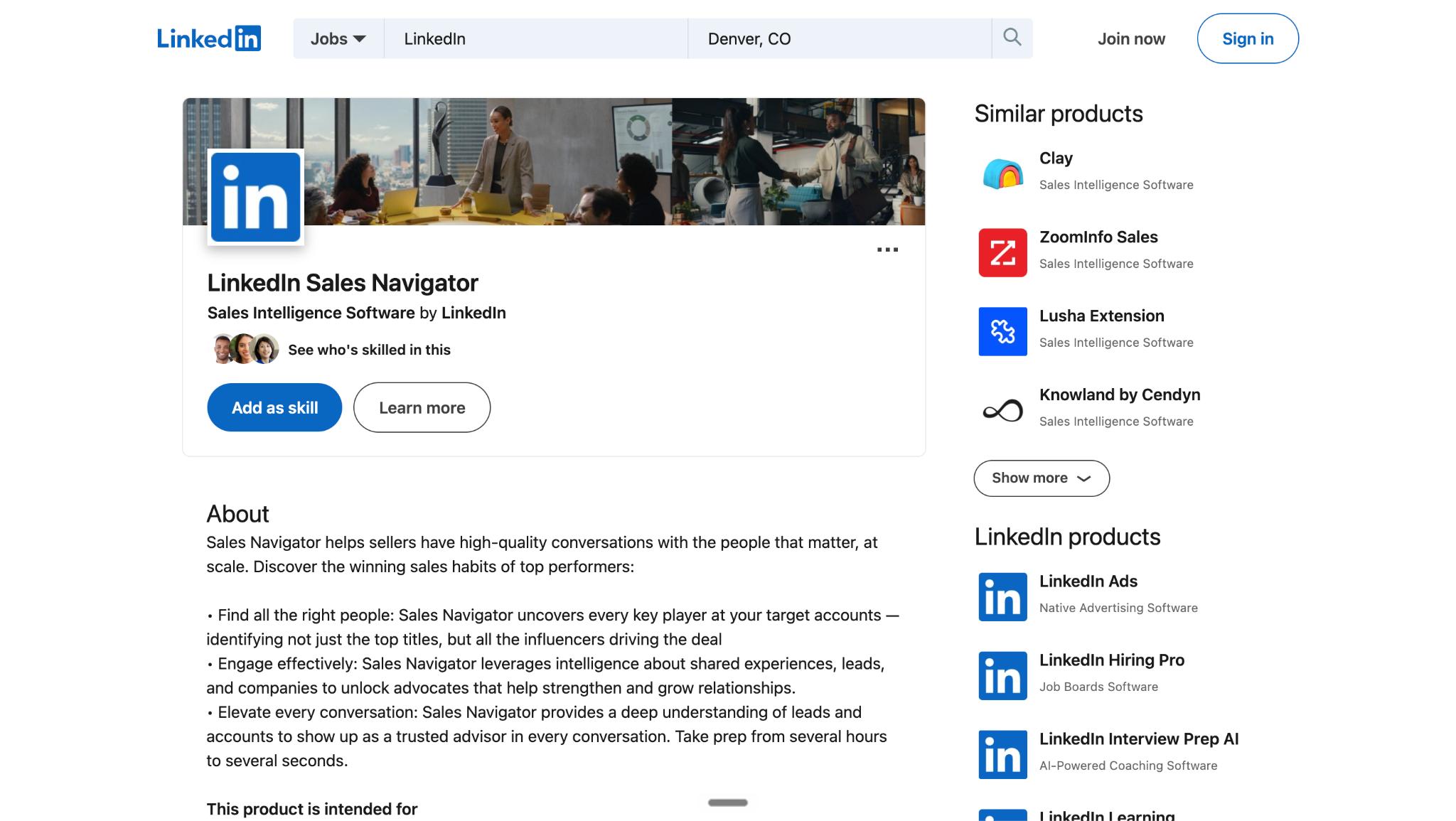
LinkedIn Sales Navigator is built for B2B prospect discovery, account research, and finding relevant buyers on LinkedIn.
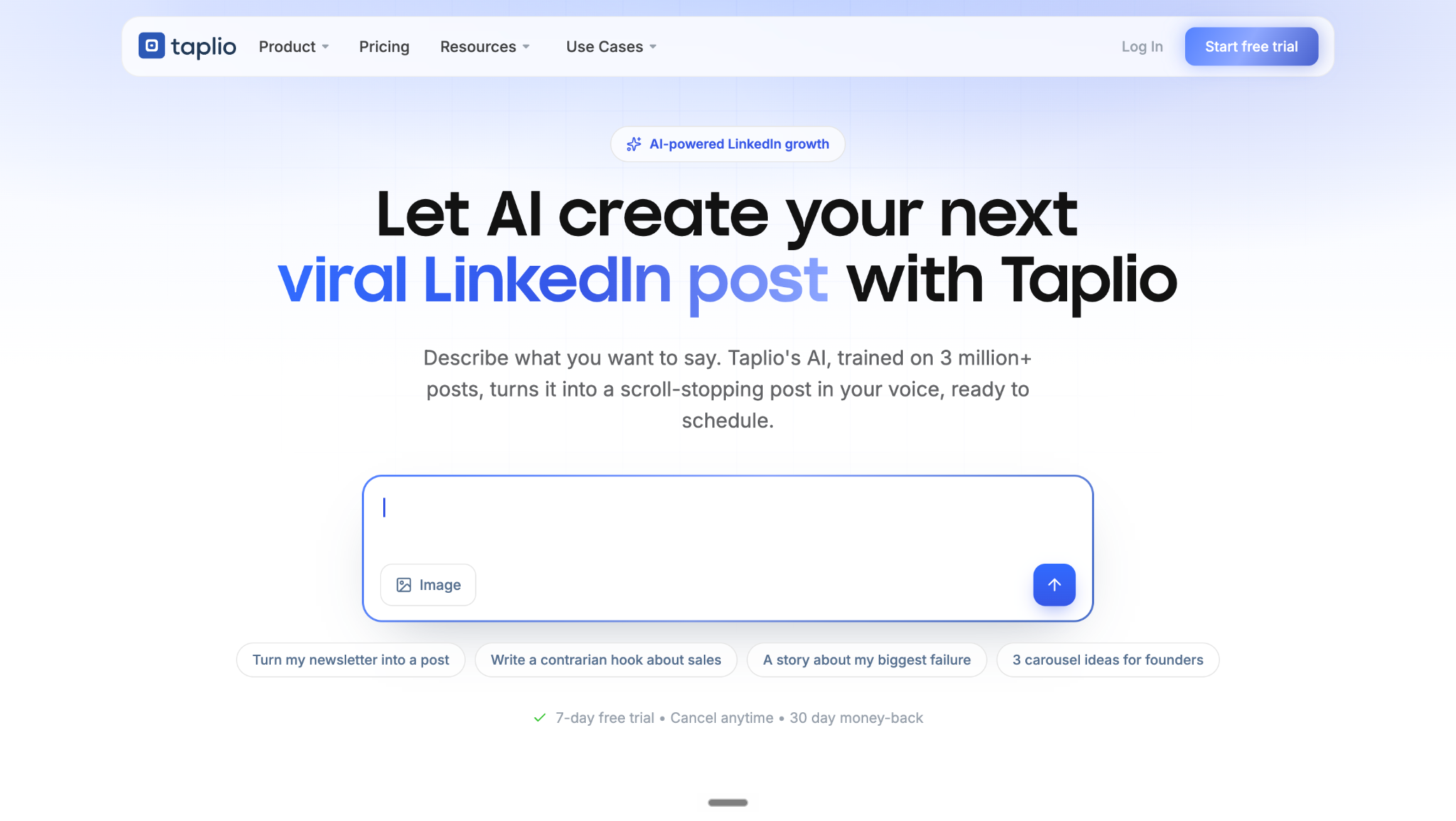
Taplio focuses on LinkedIn content, personal branding, and helping sales professionals build visibility with potential buyers.
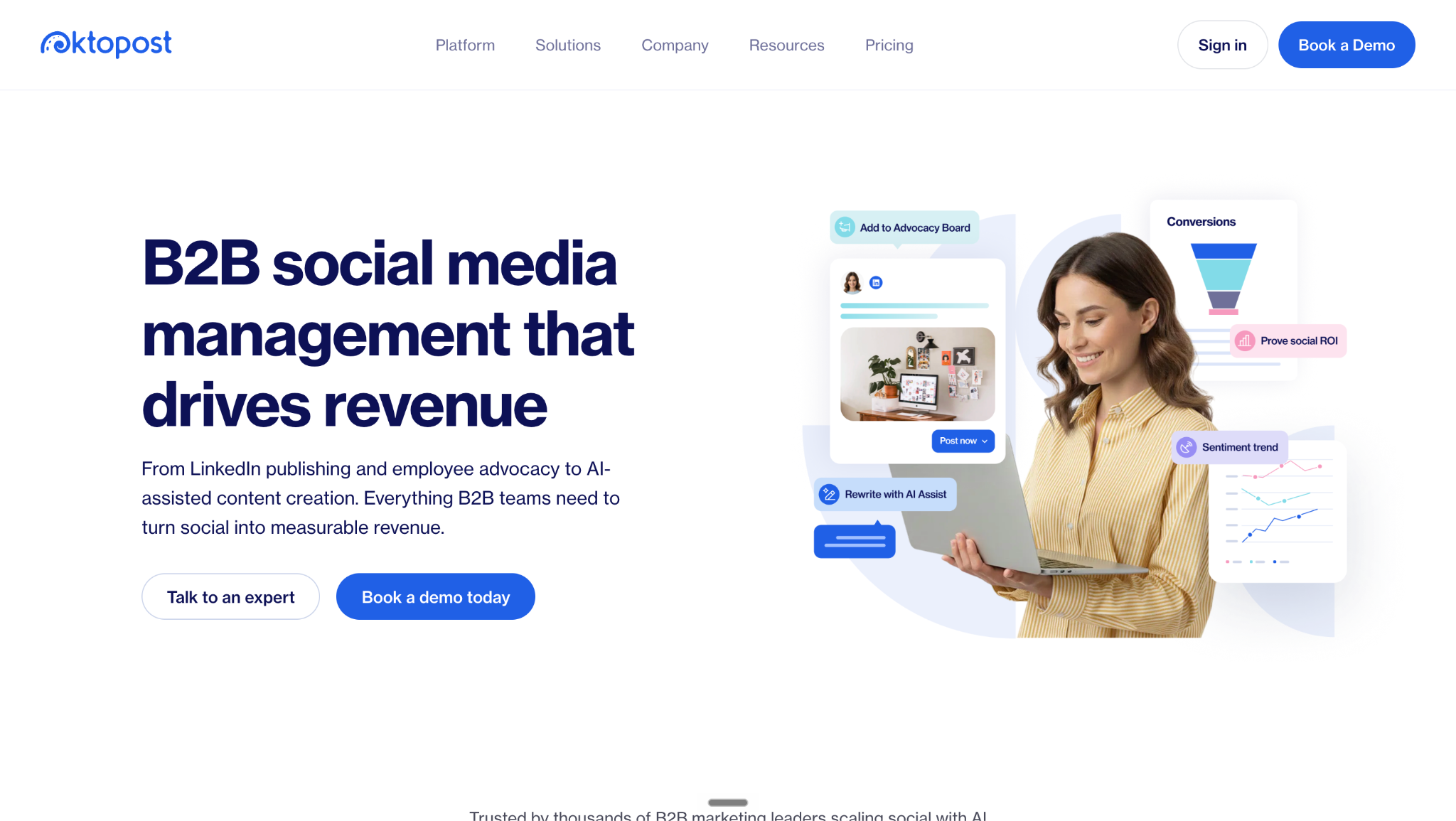
Oktopost supports B2B social management and employee advocacy across social channels.
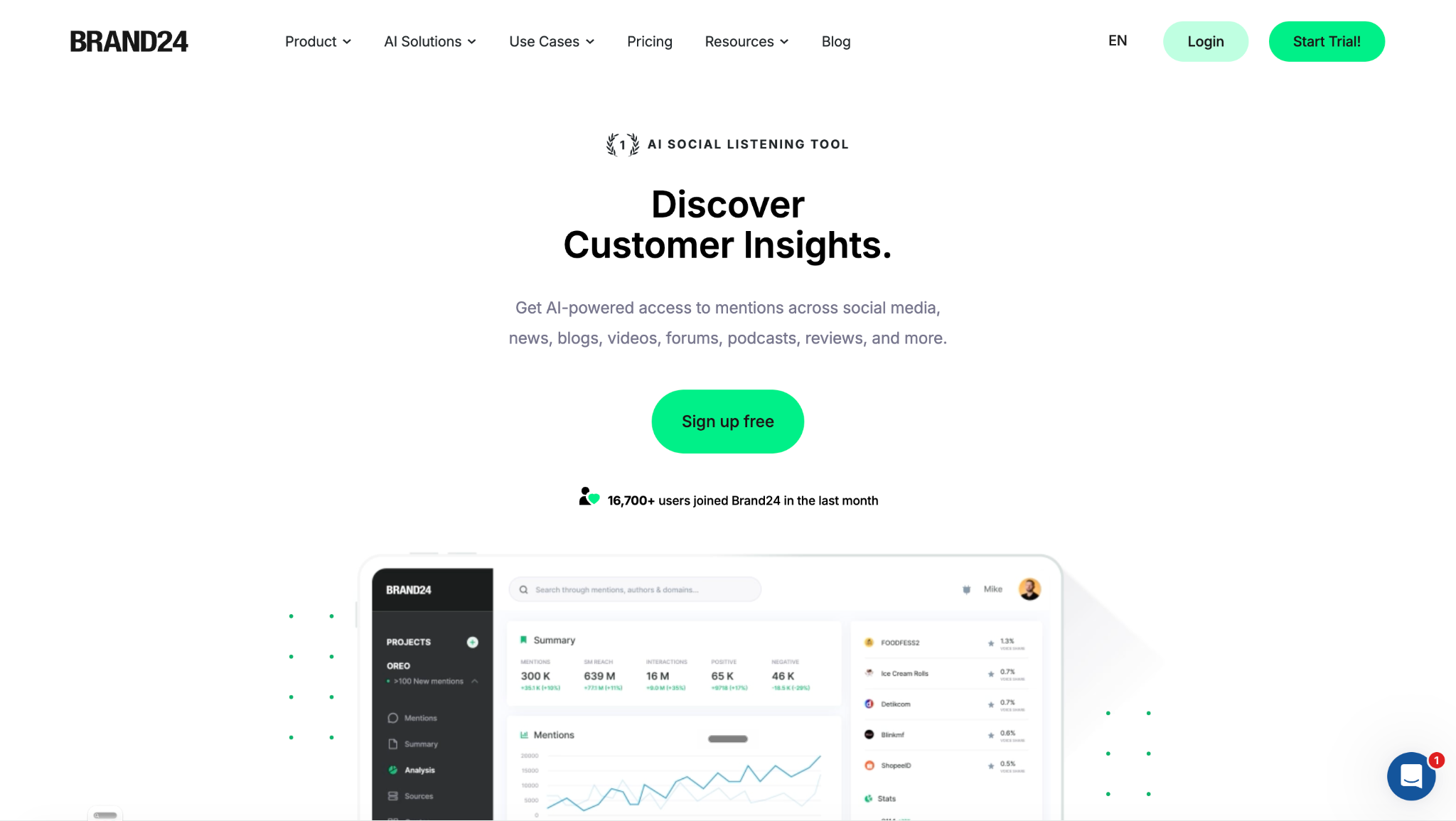
Brand24 focuses on social listening, monitoring conversations, and identifying relevant buyer or market signals.
Together, they cover five distinct social selling jobs: discovering buyers, building influence, amplifying content, monitoring signals, and converting buyer activity into pipeline.
What Are Social Selling Tools?
Social selling tools are software platforms that help sales teams use social networks and digital buyer signals to identify prospects, build relationships, engage potential buyers, and generate pipeline. They can support different parts of the social selling process, from prospect discovery and social listening to content, engagement, and buyer conversion.
What Is Social Selling Software?
Social selling software is technology designed to help sales teams execute and manage social selling activities. Depending on the platform, it may support prospect research, relationship building, social engagement, content, buying-signal monitoring, or pipeline generation.
What Is a Social Selling Platform?
A social selling platform is a broader system that brings one or more social selling capabilities together. Some platforms focus on prospect discovery or LinkedIn activity, while others focus on social listening, content, engagement, or converting buyer signals into sales opportunities.
Social Selling vs. Social Media Management
Social selling and social media management are related, but they serve different goals.
Social selling focuses on prospects, relationships, buying signals, conversations, and pipeline. The objective is to identify relevant buyers, engage them at the right time, and create sales opportunities.
Social media management focuses primarily on publishing, scheduling, content management, audience engagement, and social analytics. Its primary goal is managing a company's social presence rather than directly converting individual buyer activity into pipeline.
A social selling strategy can use social media management tools, but the two categories should not be treated as interchangeable.
What Should a Modern Social Selling Tool Do?
A modern social selling tool should support more than prospect discovery or social outreach. It should help sales teams move from finding potential buyers to understanding their intent and turning meaningful engagement into pipeline.
A practical social selling workflow looks like this:
Find relevant prospects, accounts, and decision-makers based on your ideal customer profile. This is where social prospecting tools and LinkedIn sales tools are most useful.
Listen
Monitor social activity, conversations, content engagement, and other signals that may indicate a prospect is researching a problem or evaluating solutions.
Identify
Connect anonymous or fragmented activity to the right person or account when possible. Social selling tools for prospecting become more valuable when they can connect social signals with broader buyer information.
Engage
Use the right context to start relevant conversations rather than relying on generic outreach. This can include social engagement, personalized content, direct conversations, or other sales channels.
Understand Intent
Not every interaction represents buying interest. A modern workflow should help distinguish casual engagement from meaningful buyer intent, using signals such as repeated engagement, account activity, content interactions, or other relevant behavior.
Qualify
Determine whether an identified buyer is a realistic sales opportunity based on factors such as intent, fit, timing, and engagement. This is where social selling tools for lead generation can move beyond simply creating leads.
Route
Once a buyer meets the qualification criteria, the opportunity should reach the appropriate sales representative or workflow quickly. Effective routing prevents qualified interest from sitting in a queue.
Convert
Move qualified buyers toward the next meaningful action, such as a sales conversation or meeting. This is where social selling becomes connected to the broader revenue process rather than remaining an engagement activity.
Pipeline
The ultimate goal of social selling tools for pipeline generation is not more likes, connections, or messages. It is turning relevant buyer activity into qualified opportunities that can progress through the sales process.
A strong social selling workflow therefore connects prospecting, social signals, buyer intent, engagement, qualification, and conversion rather than treating each activity as a separate task.
Social Selling Tools vs. Social Prospecting Tools
Social prospecting is one part of social selling, but the two terms are not interchangeable. Social prospecting focuses primarily on finding potential buyers, while social selling covers the broader process of building relationships, understanding buyer signals, engaging prospects, and turning meaningful interest into pipeline.
Social Selling
Social Prospecting
Broader revenue workflow
Primarily finding prospects
Relationship building
Prospect discovery
Social signals
Account and contact research
Engagement
Outreach
Intent
Lead sourcing
Pipeline
Prospect generation
Social prospecting tools are typically used to identify target accounts, contacts, decision-makers, and potential opportunities. They help sales teams answer “Who should we sell to?”
Social selling tools address the broader question of “How do we turn relevant buyers and their signals into relationships, conversations, and revenue?”
A modern social selling strategy therefore extends beyond prospect discovery. It connects prospecting → social signals → buyer intent → engagement → qualification → pipeline, helping sales teams move from finding potential buyers to acting on meaningful buying interest
Social Selling Tools Comparison
Capability
Knock AI
LinkedIn Sales Navigator
Taplio
Oktopost
Brand24
Prospect discovery
Strong
Strong
Limited
Limited
Limited
LinkedIn prospecting
Limited
Strong
Limited
Limited
Limited
Social listening
Strong
Limited
Limited
Moderate
Strong
Content publishing
Limited
Limited
Strong
Strong
Limited
Personal branding
Moderate
Limited
Strong
Limited
Limited
Employee advocacy
Limited
Limited
Limited
Strong
Limited
Buyer signal detection
Strong
Moderate
Limited
Moderate
Strong
AI qualification
Strong
Limited
Limited
Limited
Limited
Buyer identification
Strong
Strong
Limited
Limited
Moderate
Routing
Strong
Limited
Limited
Limited
Limited
Scheduling
Strong
Limited
Limited
Limited
Limited
CRM workflow
Strong
Integrations
Integrations
Integrations
Integrations
Pipeline conversion
Strong
Indirect
Indirect
Indirect
Indirect
See Knock AI in Action — Book Your Live Demo Today
The five platforms address different parts of the social selling workflow. LinkedIn Sales Navigator is strongest for prospect discovery and LinkedIn prospecting, Taplio for content and personal branding, Oktopost for B2B social management and employee advocacy, and Brand24 for social listening and signal detection.
Knock AI sits further down the revenue journey, with capabilities centered on buyer identification, intent detection, AI qualification, routing, scheduling, CRM workflow, and pipeline conversion. This makes it less of a traditional social publishing or prospecting platform and more of a buyer-signal-to-pipeline conversion layer.
The 5 Best Social Selling Tools
The best social selling tools serve different parts of the revenue journey. Some help sales teams discover prospects, others build social influence or monitor conversations, while others focus on turning buyer activity into qualified opportunities. The right choice depends on where your social selling workflow currently has the biggest gap.
1. Knock AI
Primary Job: Revenue Conversion
What It Does
Knock AI focuses on the conversion layer of social selling and broader inbound revenue workflows. It helps revenue teams identify relevant buyers, interpret intent, enrich buyer information, engage prospects, qualify opportunities, route them to the right sales resource, schedule meetings, and maintain context through CRM workflows.
Knock AI isn't a LinkedIn prospecting or social publishing tool. It sits further down the revenue journey, helping teams turn meaningful buyer signals and activity into qualified pipeline.
Best For
Enterprise revenue teams that already have meaningful buyer activity and want to convert more of it into qualified pipeline.
Strengths
Buyer identification: Helps identify relevant buyers from previously anonymous activity.
Intent detection: Helps revenue teams understand which buyer activity may represent meaningful interest.
AI qualification: Qualifies buyers before opportunities are passed to sales.
Multi-channel engagement: Supports engagement beyond static forms or a single website interaction.
Intelligent routing: Connects qualified opportunities with the appropriate sales workflow.
Scheduling: Helps qualified buyers move toward a sales conversation.
CRM connectivity: Connects the conversion workflow with CRM processes.
Conversation continuity: Maintains context as buyers move between stages and channels.
Pipeline conversion: Connects buyer signals and engagement to qualified pipeline.
Limitations
Knock AI is not a replacement for dedicated social prospecting, LinkedIn sales, content creation, or social listening platforms. Its role is the conversion layer: turning meaningful buyer activity and intent into qualified pipeline rather than managing social content or maintaining a prospect database.
2. LinkedIn Sales Navigator
Primary Job: B2B Prospect Discovery
What It Does
LinkedIn Sales Navigator helps sales teams discover and research potential buyers directly within LinkedIn. Its capabilities include lead and account search, buyer research, lead recommendations, alerts, and relationship intelligence.
It is particularly useful for finding decision-makers and building prospect lists based on account, role, industry, and other professional criteria.
Best For
B2B sales teams that rely heavily on LinkedIn for account and prospect discovery.
Strengths
Detailed lead and account search
B2B prospect discovery
Buyer and account research
Lead recommendations
Updates and alerts
Relationship intelligence
LinkedIn-native prospecting
Limitations
Sales Navigator is primarily a discovery and research tool. It helps teams find and understand potential buyers, but it does not by itself manage the complete journey from buyer signal to qualified pipeline.
3. Taplio
Primary Job: LinkedIn Content and Personal Branding
What It Does
Taplio focuses on helping sales professionals and founders build an active presence on LinkedIn. It supports LinkedIn content creation, scheduling, content inspiration, personal branding, and post analytics.
For sales teams using content as part of their social selling strategy, it can help maintain a consistent presence and create more opportunities for engagement with potential buyers.
Best For
Sales professionals and founders using LinkedIn content to build credibility and create conversations with potential buyers.
Strengths
LinkedIn content creation
Content scheduling
Personal branding
Content inspiration
Post analytics
Audience growth
Limitations
Taplio is focused on content and social presence, not end-to-end revenue conversion. Content visibility and engagement can create opportunities, but publishing activity alone does not establish buyer intent or guarantee qualified pipeline.
4. Oktopost
Primary Job: B2B Social Management and Advocacy
What It Does
Oktopost is designed around B2B social media management and employee advocacy. It supports social publishing, engagement, analytics, social campaigns, and the distribution of content through employee networks.
This makes it useful for organizations that want to coordinate social activity across marketing teams, employees, and multiple social channels.
Best For
B2B marketing and revenue teams managing social activity across employees, campaigns, and multiple channels.
Strengths
B2B social media management
Employee advocacy
Social publishing
Social engagement
Campaign management
Social analytics
Limitations
Oktopost is primarily a social management and advocacy platform. It can help teams distribute and measure social activity, but it is not designed to manage the complete buyer identification, intent, qualification, routing, and pipeline-conversion workflow.
5. Brand24
Primary Job: Social Listening and Buyer Signals
What It Does
Brand24 focuses on monitoring conversations across social and online channels. Teams can use it to track brand mentions, monitor relevant discussions, understand conversation context, and surface signals from what people are saying online.
For social selling teams, this can provide useful context around prospects, markets, brands, and conversations that may otherwise be difficult to monitor manually.
Best For
Teams that want to monitor conversations and identify relevant signals across social and online channels.
Strengths
Social listening
Brand and mention monitoring
Conversation monitoring
Online discussion tracking
Context around social conversations
Signal discovery
Limitations
Social listening can surface valuable signals, but a signal is not automatically buying intent. Teams still need a process for determining which activity represents genuine commercial interest and what should happen next.
That is the distinction between monitoring buyer signals and converting those signals into qualified pipeline.
Which Social Selling Tool Solves Which Problem?
The right social selling tool depends on the bottleneck in your workflow. Instead of choosing software based on a generic category, match the platform to the specific problem your sales or marketing team needs to solve.
If your biggest challenge is...
Consider...
Finding B2B prospects
LinkedIn Sales Navigator
Researching target accounts
LinkedIn Sales Navigator
Building a LinkedIn personal brand
Taplio
Managing B2B social activity
Oktopost
Employee advocacy
Oktopost
Monitoring social conversations
Brand24
Finding social and online signals
Brand24
Identifying relevant buyers
Knock AI
Understanding buyer intent
Knock AI
Qualifying inbound buyers
Knock AI
Turning buyer signals into pipeline
Knock AI
This distinction matters because prospecting, social engagement, social listening, and pipeline conversion are different jobs. A platform that is excellent at finding prospects does not necessarily help a revenue team determine which buyers are showing meaningful intent or what should happen next.
How to Build a Social Selling Workflow
A modern social selling workflow should connect prospect discovery and social engagement with the signals that indicate whether a buyer is actually worth pursuing.
Step 1: Find the Right Buyers
Start with your ideal customer profile and identify relevant accounts, decision-makers, and prospects. LinkedIn Sales Navigator is particularly useful for B2B prospect discovery and account research.
Step 2: Build Trust and Visibility
Use relevant content, personal branding, and social engagement to establish credibility with potential buyers. The objective is not simply to increase reach, but to create opportunities for meaningful conversations.
Step 3: Monitor Buyer Signals
Track relevant conversations, content engagement, social interactions, and other online activity that could indicate a prospect is researching a problem or evaluating solutions.
Step 4: Identify Buying Intent
Not every interaction represents commercial interest. Look for stronger signals that indicate a buyer may be actively evaluating a solution, and distinguish those signals from casual engagement.
Step 5: Engage and Qualify
Use the available context to start relevant conversations and determine whether the buyer fits your target profile, has meaningful intent, and is worth sales attention.
Step 6: Convert Signals Into Pipeline
The workflow should ultimately move qualified buyers toward a sales conversation. That can involve routing the opportunity, scheduling a meeting, synchronizing CRM data, and maintaining conversation context as the buyer moves through the sales process.
The complete workflow is:
Social selling → Social prospecting → Buyer signals → Intent → Engagement → Qualification → Pipeline
This is the key distinction between generating social activity and building a social selling system that contributes directly to revenue.
Social Selling Is More Than LinkedIn Outreach
Modern social selling extends beyond LinkedIn messages and connection requests. Buyers can interact with a company across multiple channels before they become recognizable as a sales opportunity.
Relevant signals can come from:
LinkedIn
Social communities
Content engagement
Brand mentions
Website activity
Search behavior
AI search
Events
CRM activity
Sales conversations
A buyer might discover a company through search, engage with its LinkedIn content, visit the website, participate in a community discussion, and later start a sales conversation. Looking at each interaction in isolation can make it difficult to understand the buyer's actual level of interest.
A buyer may interact with a company across multiple channels before becoming a recognizable sales opportunity.
That's why modern social selling technology increasingly needs to connect social signals with broader buyer intelligence. The goal isn't simply to identify who liked a post or sent a connection request, but to understand which activity matters, who is behind it, and whether it represents meaningful buying intent.
How AI Is Changing Social Selling
AI is expanding social selling beyond manual prospect research and repetitive outreach. Modern tools can help sales teams analyze signals, research prospects, personalize engagement, understand conversations, and identify opportunities that deserve attention.
The difference is that AI can help teams act on buyer behavior and intent, rather than relying entirely on manually sourced prospect lists and sequential outreach. This makes AI particularly useful when the goal of social selling is not just more engagement, but more qualified pipeline from the signals buyers are already generating.
Social Selling Tools Should Be Measured by Pipeline, Not Activity
Social selling can generate a large amount of activity without necessarily generating revenue. Connections, followers, likes, comments, messages, and replies can indicate engagement, but they do not necessarily show whether the right buyers are moving toward a sales opportunity.
Activity Metrics
Connections
Followers
Likes
Comments
Messages
Replies
These metrics are useful for understanding reach and engagement, but they are leading indicators, not revenue outcomes.
Revenue Metrics
Qualified buyers
Sales conversations
Meetings
Opportunities
Pipeline
Revenue
These metrics show whether social selling is contributing to the sales process.
Social activity is useful only when it contributes to meaningful buyer relationships and revenue outcomes.
This creates an important distinction between social engagement and revenue conversion. Social engagement measures whether people interact with your content or outreach. Revenue conversion measures whether those interactions help identify, qualify, and advance genuine buyers.
For revenue teams, the goal should therefore be to connect social signals to the next commercial action: identify the buyer, understand intent, qualify the opportunity, and move it toward pipeline.
How to Choose the Best Social Selling Software
Choosing the best social selling software starts with the problem you need to solve, not the number of features a platform offers. Use these questions to evaluate whether a tool fits your sales process:
Does it solve your actual bottleneck? Choose based on whether your biggest gap is prospect discovery, content, social listening, buyer intent, qualification, or conversion.
Does it identify the right buyers? The tool should help your team distinguish relevant prospects and accounts from general social activity.
Can it capture meaningful signals? Look beyond likes and followers. Evaluate whether the platform can surface signals that indicate genuine buyer interest.
Does it support your sales workflow? The tool should fit naturally into how your team researches, engages, qualifies, and follows up with buyers.
Can it connect with your CRM? CRM connectivity helps ensure that valuable buyer information and sales activity do not remain isolated inside the social selling platform.
Can teams act on signals quickly? Identifying a buyer is only useful if the sales team can respond while the signal is still relevant.
Can you measure pipeline impact? Look for a clear connection between social activity, qualified buyers, opportunities, pipeline, and revenue.
Does it complement your existing GTM stack? Avoid adding another platform that duplicates capabilities you already have. The best social selling software should fill a meaningful gap in your existing workflow.
The best social selling software isn't necessarily the platform with the most features. It's the one that closes the biggest gap between social activity and revenue.
The Future of Social Selling Is Buyer Intelligence, Not More Outreach
Social selling is moving beyond simply sending more messages or publishing more content. The modern workflow is increasingly about recognizing meaningful buyer signals and connecting them to the actions that move opportunities forward.
Social Activity
↓
Buyer Signal
↓
Intent
↓
Conversation
↓
Qualification
↓
Pipeline
↓
Revenue
The next generation of social selling technology will focus on recognizing which buyers matter, understanding their intent, and helping revenue teams act on those signals at the right time. The goal is not more social activity for its own sake, but a clearer connection between buyer behavior and revenue outcomes.
Knock AI focuses on the conversion layer, connecting buyer identification, intent, qualification, routing, scheduling, and CRM workflows to help turn meaningful buyer activity into qualified pipeline.
FAQ
What are social selling tools?
Social selling tools are software platforms that help sales teams find prospects, monitor buyer signals, engage potential customers, build relationships, and generate sales opportunities through social and digital channels.
What is social selling software?
Social selling software helps sales teams manage activities such as prospect discovery, social engagement, buyer-signal monitoring, relationship building, qualification, and pipeline generation.
What are the best social selling tools for B2B sales?
The best tool depends on the job. LinkedIn Sales Navigator is suited to B2B prospect discovery, Taplio to LinkedIn content and personal branding, Oktopost to B2B social management and advocacy, Brand24 to social listening, and Knock AI to identifying, qualifying, and converting meaningful buyer activity into pipeline.
What are the best LinkedIn social selling tools?
LinkedIn Sales Navigator is focused on prospect and account discovery, while tools such as Taplio focus on LinkedIn content and personal branding. The right choice depends on whether the priority is finding buyers, building visibility, or converting buyer activity.
What is the difference between social selling and social prospecting?
Social prospecting primarily focuses on finding and researching potential buyers. Social selling is broader and includes prospecting, relationship building, social signals, engagement, intent, qualification, and pipeline generation.
How do social selling tools generate leads?
Social selling tools can generate leads by helping teams discover prospects, identify relevant accounts, monitor social activity, engage potential buyers, and capture signals that indicate commercial interest.
How do social selling tools generate pipeline?
They generate pipeline by connecting prospect discovery and buyer signals with engagement, qualification, routing, and sales workflows. The strongest systems help teams move beyond social activity toward qualified sales conversations and opportunities.
What is the best social selling platform for sales teams?
There is no single best platform for every sales team. The right choice depends on the bottleneck in the workflow. Teams focused on prospect discovery may prioritize LinkedIn Sales Navigator, while teams focused on converting buyer signals into qualified pipeline may benefit from Knock AI.


.svg)


.svg)
.svg)
.svg)


.svg)
.svg)


.svg)