6 Best Typeform Alternatives in 2026 for Faster Lead Conversion
6 Best Typeform Alternatives in 2026 (Better Than Static Forms)
TL;DR
Typeform helped popularize conversational forms, but modern B2B revenue teams increasingly need more than beautiful form experiences.
Traditional forms often collect submissions without activating buyer intent fast enough. Even with newer AI workflows and automation layers, many platforms still fundamentally operate after the form submission instead of during active buyer intent.
Today’s GTM teams increasingly optimize for:
real-time buyer intelligence
attribution visibility
instant qualification
AI-powered routing
abandoned form recovery
conversational continuity
faster speed-to-lead
multi-channel outreach
buyer momentum preservation
The best Typeform alternative depends on what you are optimizing for:
Best For
Recommended Tool
Real-time buyer intelligence & revenue activation
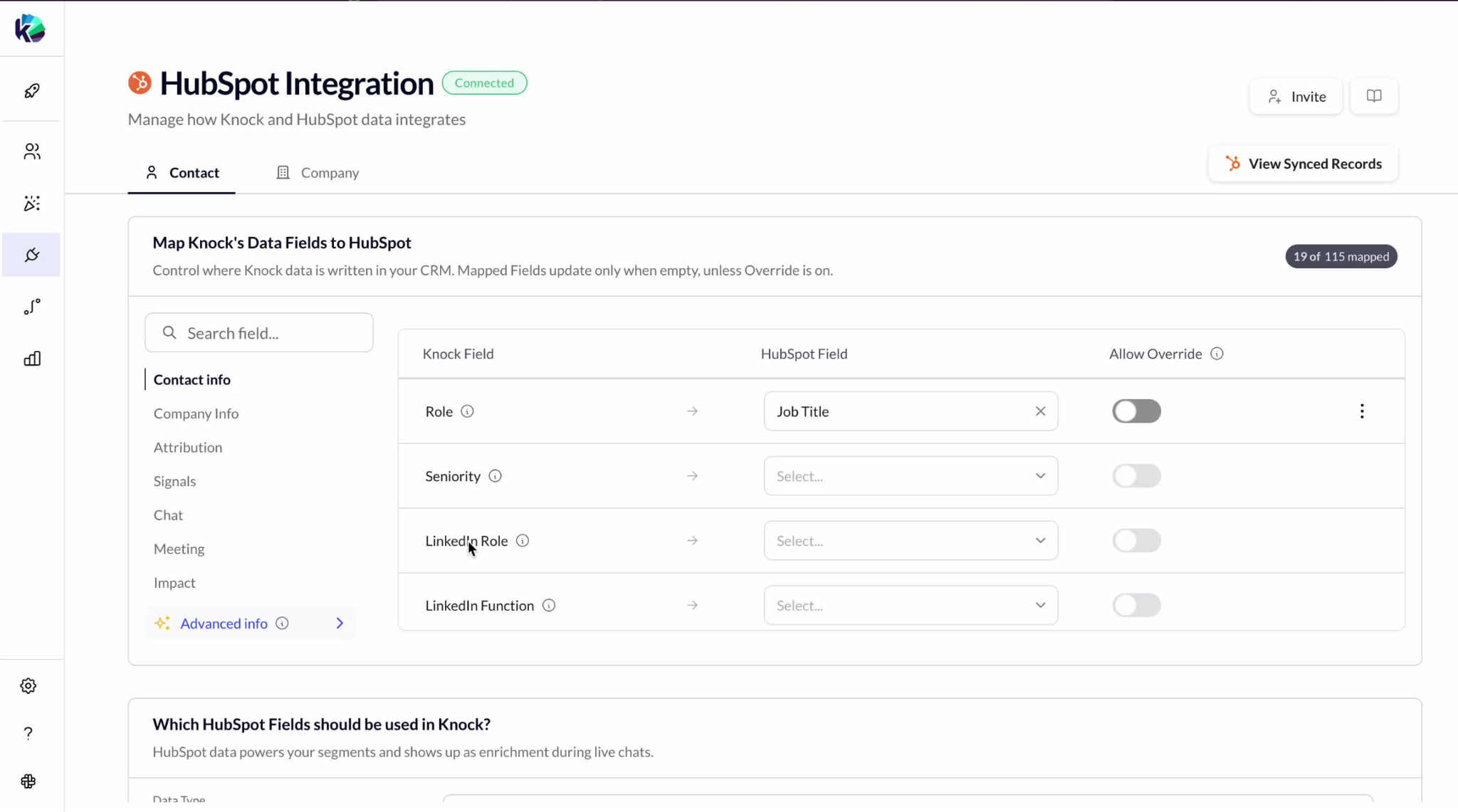
Knock AI
Budget-friendly forms
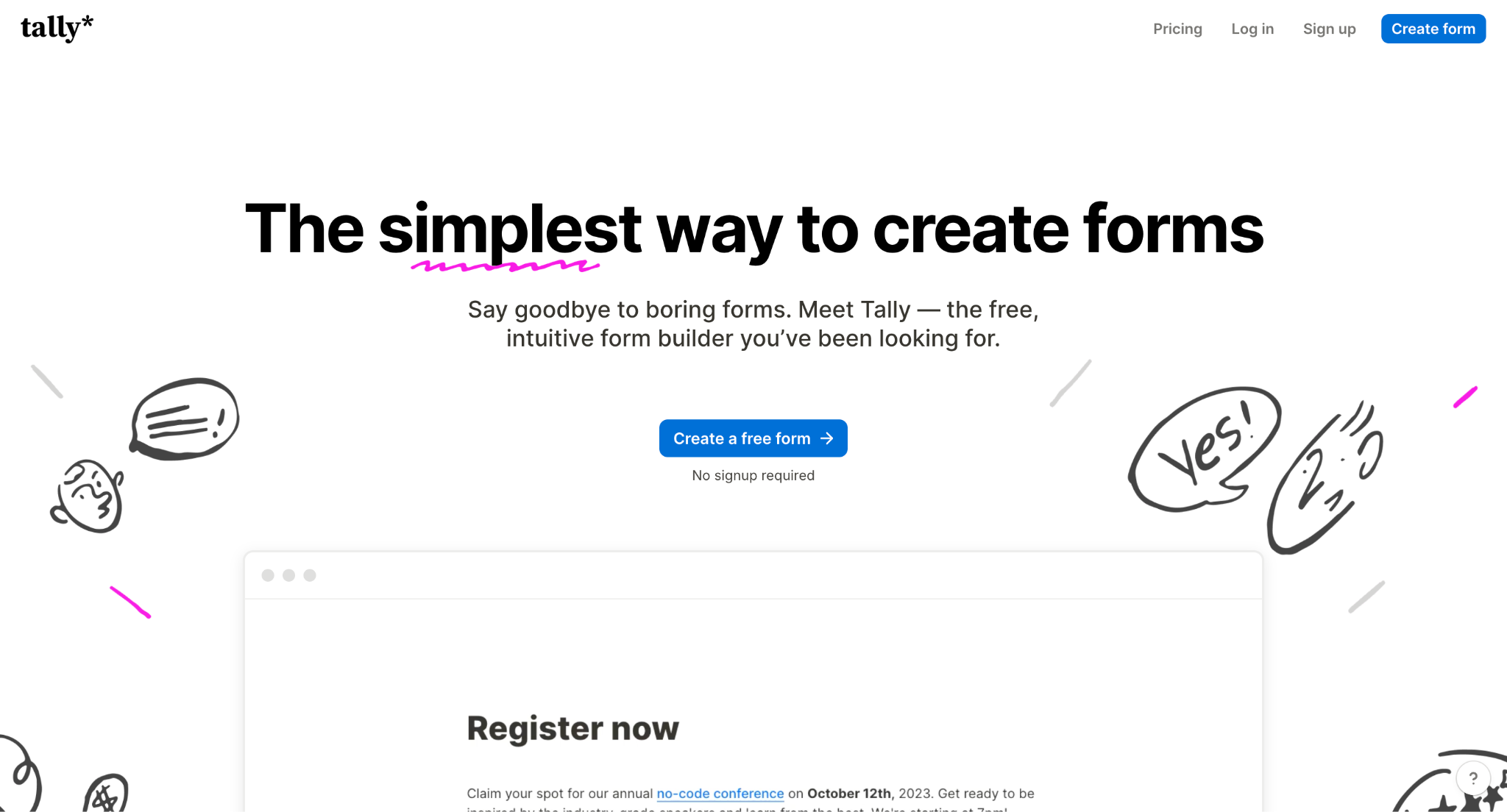
Tally
Best for easily creating custom customer surveys, CSAT, CX, & NPS forms using AI
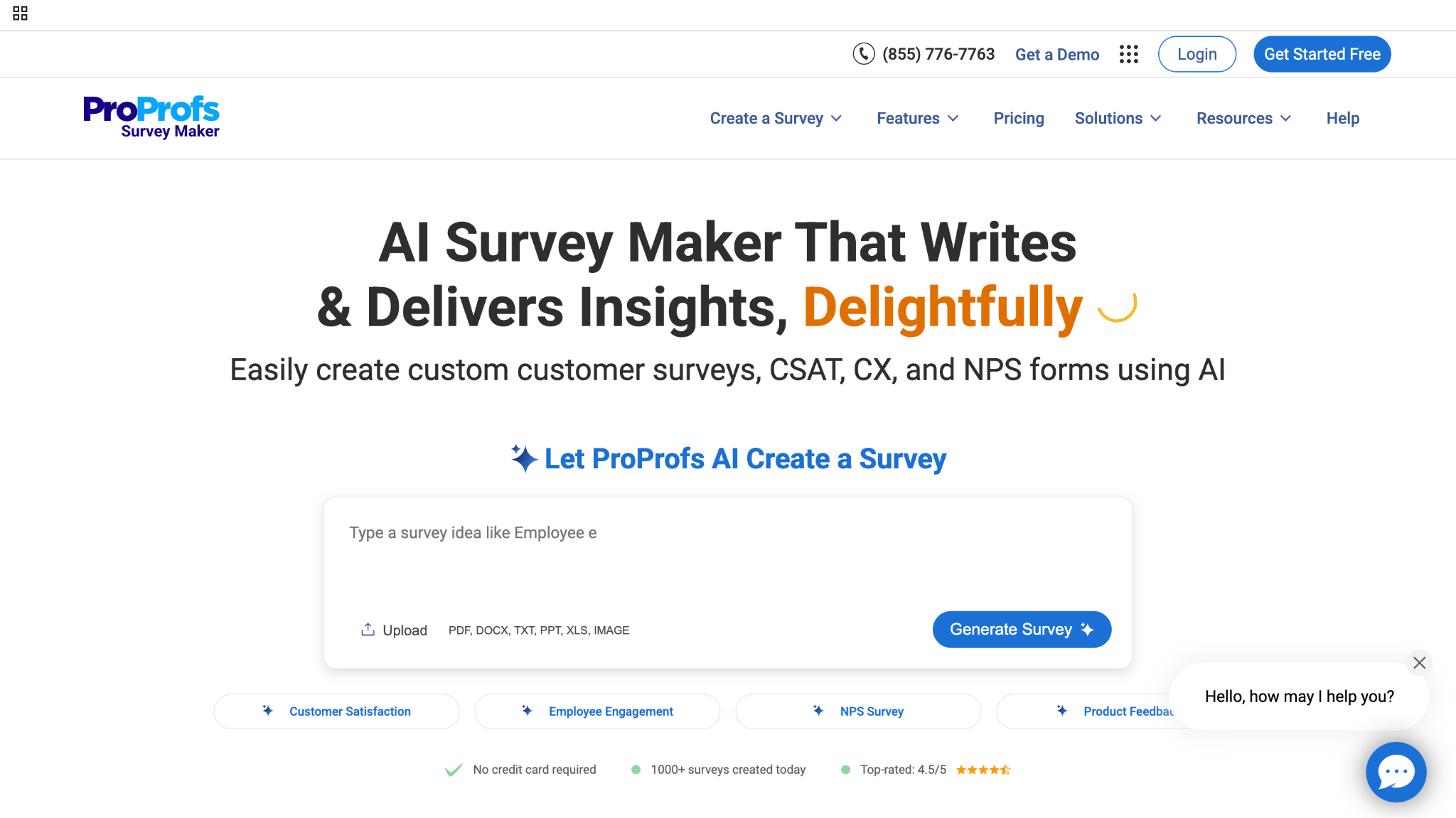
ProProfs Survey Maker
Airtable & Notion workflows
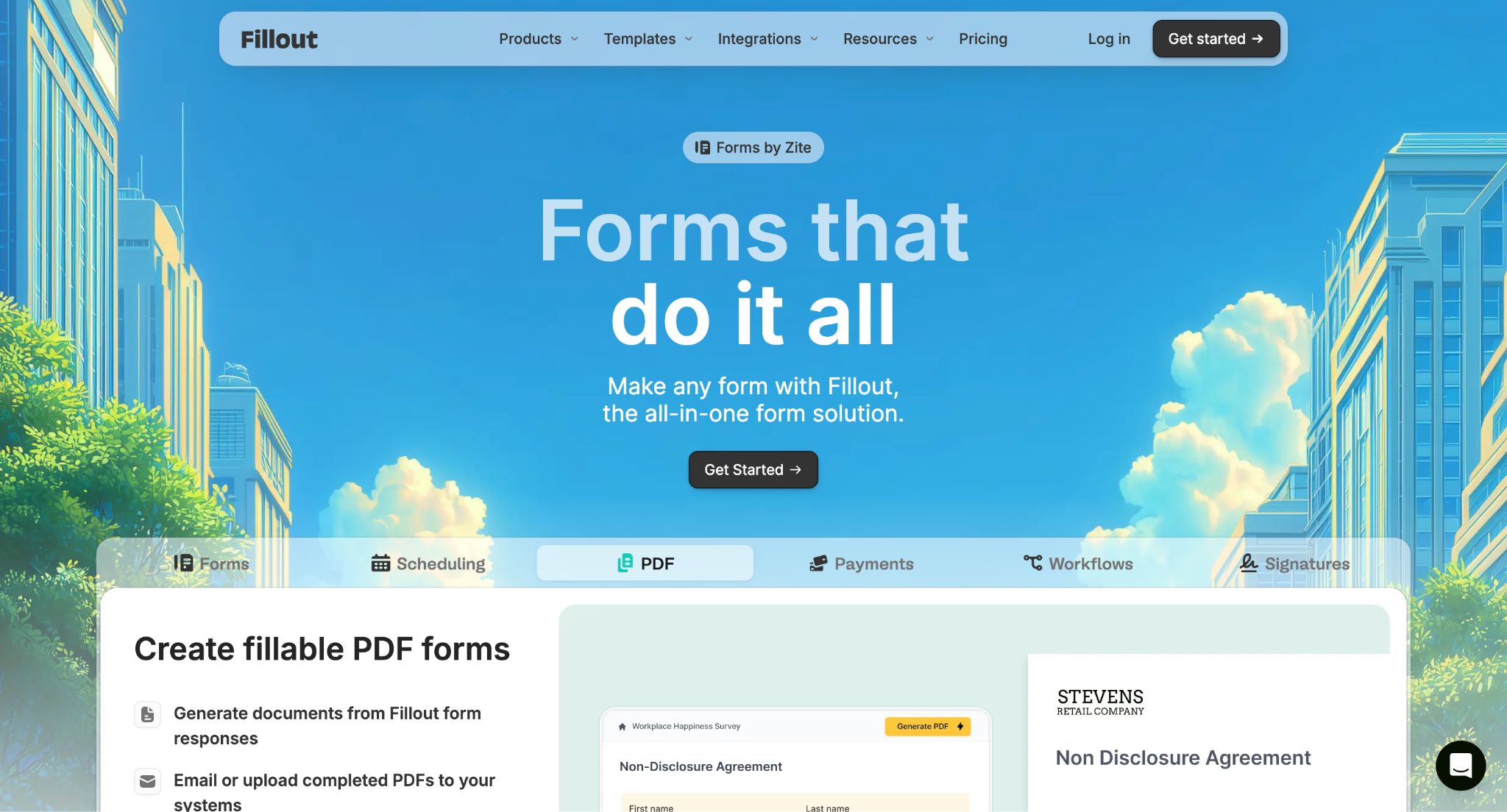
Fillout
Native HubSpot workflows
HubSpot Forms
Enterprise operational workflows
Jotform
Compliance & regulated industries
Formstack
Modern B2B teams increasingly need systems that can identify buyers, enrich intent, preserve attribution, qualify leads, route ownership, and activate outreach immediately while momentum is still active.
That shift is why many companies are moving beyond static forms toward real-time revenue activation systems designed to convert buyer intent before it disappears.
Typeform changed online forms by making them conversational, visually polished, and dramatically easier to complete. It's a one-question-at-a-time experience helped modernize online forms and pushed the industry far beyond static contact forms and clunky survey builders.
But modern B2B revenue teams increasingly face a different challenge:
Beautiful forms alone do not solve pipeline conversion problems.
Even today, many inbound workflows still look like this:
A buyer submits a form → the lead enters a CRM queue → enrichment happens later → routing takes time → SDR follow-up gets delayed → buyer intent disappears.
That delay creates massive pipeline leakage.
Traditional form workflows still introduce:
delayed SDR follow-up
disconnected CRM routing
fragmented attribution
slow enrichment workflows
passive lead capture
abandoned submissions
lost buyer momentum
And the data behind speed-to-lead is difficult to ignore.
Research from Harvard Business Review and MIT found that companies responding to leads within five minutes are 21x more likely to qualify them compared to waiting just 30 minutes. Other studies show businesses responding within five minutes can become up to 100x more likely to connect with buyers versus delayed follow-up.
Yet the average B2B lead response time still sits around 42 hours.
That gap is exactly why modern inbound conversion is no longer just a “forms problem.”
It is a revenue activation problem.
The problem is no longer collecting submissions.
The problem is activating buyer intent before momentum disappears.
Modern GTM teams increasingly treat inbound conversion as a race against buyer intent decay.
Many revenue leaders now operate under the assumption that active buying intent can fade within roughly 90 seconds after engagement begins. Once a prospect fills out a form, starts a signup flow, or shows inbound intent, the conversion window begins shrinking almost immediately.
That is why delayed enrichment, slow routing, disconnected CRM workflows, and manual SDR follow-up create such significant pipeline leakage.
This shift is changing how modern GTM teams evaluate form platforms entirely.
Today’s revenue teams increasingly optimize for:
real-time buyer intelligence
attribution visibility
instant qualification
AI-powered routing
conversational continuity
abandoned form recovery
faster speed-to-lead
multi-channel outreach
inbound pipeline acceleration
Because buyer intent decays incredibly fast.
The first few minutes after engagement are often the highest-intent moment in the entire buying journey. Delayed follow-up creates friction, weakens conversion probability, and gives competitors time to engage first. In fact, studies consistently show that 35%–50% of sales go to the vendor that responds first.
That is why more companies are shifting away from static form collection toward systems designed to activate buyers immediately while intent is still active.
This is also why people searching for “Typeform alternatives” are no longer simply looking for:
cheaper form builders
prettier templates
drag-and-drop experiences
They increasingly want:
higher conversion rates
real-time buyer intelligence
attribution tracking
AI qualification
automated routing
conversational workflows
Inbound pipeline acceleration
faster revenue activation
And that shift is where platforms like Knock AI are becoming increasingly relevant.
Instead of treating forms as passive submission tools, Knock AI approaches inbound conversion as a real-time buyer intelligence and revenue activation problem.
The platform enriches buyer identity, attribution data, company intelligence, and intent signals in real time, then automatically qualifies leads, routes ownership, and triggers outreach while the buyer is still actively engaged.
That distinction matters because modern revenue teams increasingly compete on how fast they can identify, qualify, and activate buyer intent, not simply on how polished the form experience looks.
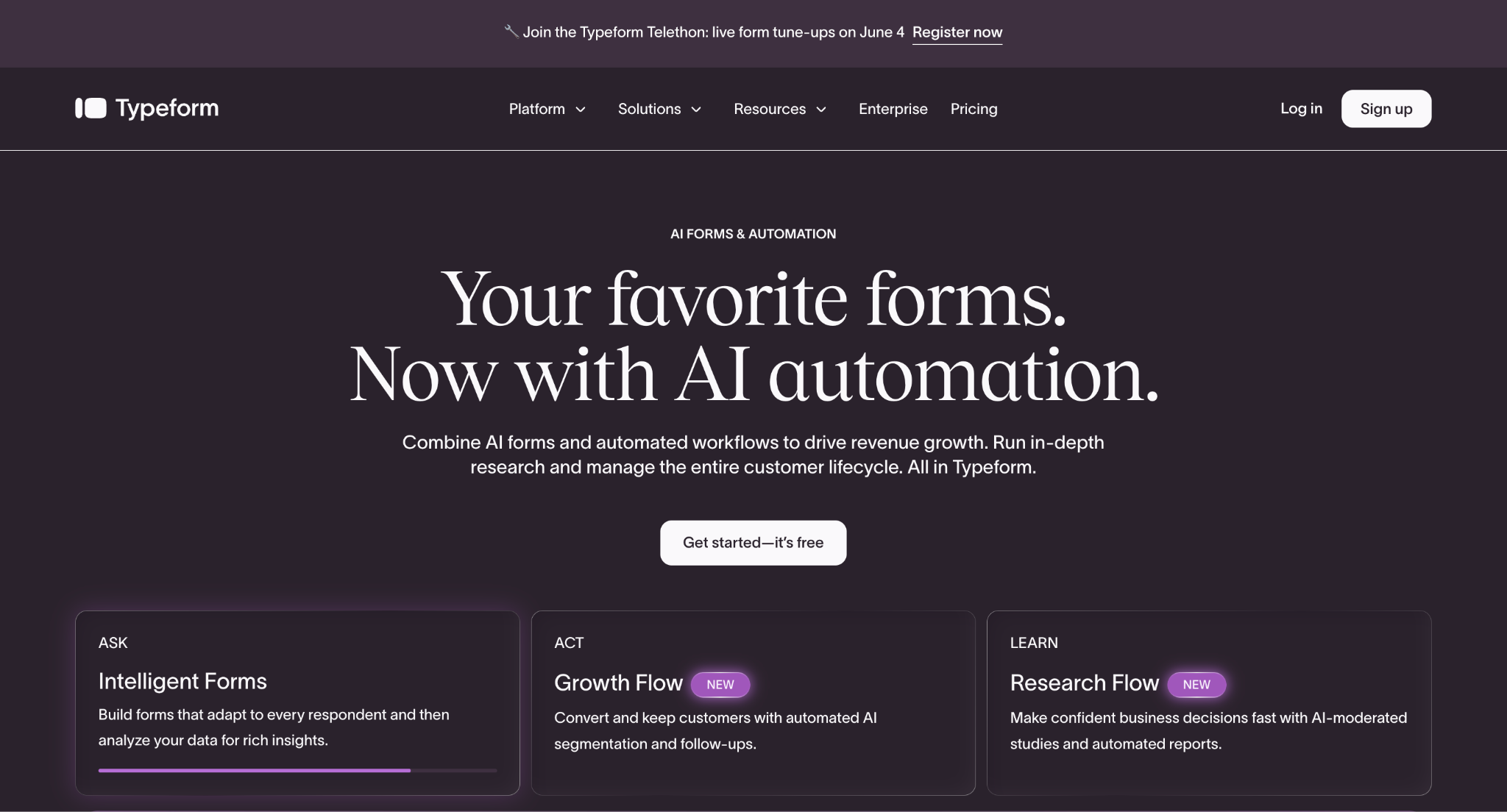
Typeform Is Evolving Beyond Forms, But Modern GTM Teams Still Need Faster Buyer Activation
Typeform is no longer just a traditional form builder.
Over the last few years, the platform has expanded far beyond conversational surveys and lead capture forms into a broader AI-powered workflow and customer engagement platform.
Its newer product direction increasingly includes:
AI-powered workflows
automated segmentation
lifecycle automation
customer engagement
enrichment capabilities
AI-assisted research
automated reporting
post-submission workflows
This evolution is visible across Typeform’s newer platform layers, including:
Intelligent Forms
Growth Flow
Research Flow
Typeform’s “Intelligent Forms” positioning focuses heavily on adaptive AI forms, conversational experiences, analytics, and AI-generated follow-up questions designed to increase completion rates and collect richer customer data.
Growth Flow extends that further into:
enrichment
segmentation
customer engagement
automated follow-ups
workflow automation
Meanwhile, Research Flow pushes Typeform deeper into AI-assisted customer research, automated interviewing, and insight generation.
In other words, Typeform is increasingly positioning itself as:
That shift matters because it reflects a broader trend happening across the GTM software market: companies no longer want isolated form tools. They increasingly want systems that connect forms, automation, customer data, engagement, and workflows.
However, a major strategic gap remains.
Even with newer AI workflows and automation layers, many form platforms still fundamentally activate after the form submission occurs.
That is why many B2B teams are increasingly shifting from:
post-submission automation
toward:
real-time revenue activation systems.
Platforms like Knock AI are built specifically around this philosophy.
Instead of treating forms as passive submission endpoints, Knock AI approaches inbound conversion as a real-time buyer intelligence and activation problem. The platform enriches buyer identity, attribution data, company intelligence, and intent signals in real time, then automatically qualifies leads, routes ownership, and triggers outreach while the buyer is still actively engaged.
That distinction matters because modern pipeline systems increasingly compete on activation speed, not just form experience.
Typeform Alternatives Quick Comparison
Platform
Best For
Buyer Intelligence
Attribution Visibility
AI Qualification
Routing Automation
Abandoned Form Recovery
CRM Integration
Real-Time Activation
Pricing Model
Knock AI
Revenue activation & inbound conversion
Advanced
Advanced
Advanced
Advanced
Yes
Strong
Real-time
Custom
Tally
Budget-friendly forms
Limited
Limited
No
Limited
No
Moderate
Post-submission
Freemium
ProProfs Survey Maker
Custom customer surveys, CSAT, CX, & NPS forms using AI
Good
Limited
Scored surveys
Limited
No
HubSpot, Salesforce
Post-submission
Freemium
Fillout
Airtable & Notion workflows
Limited
Limited
No
Limited
No
Strong
Post-submission
Freemium
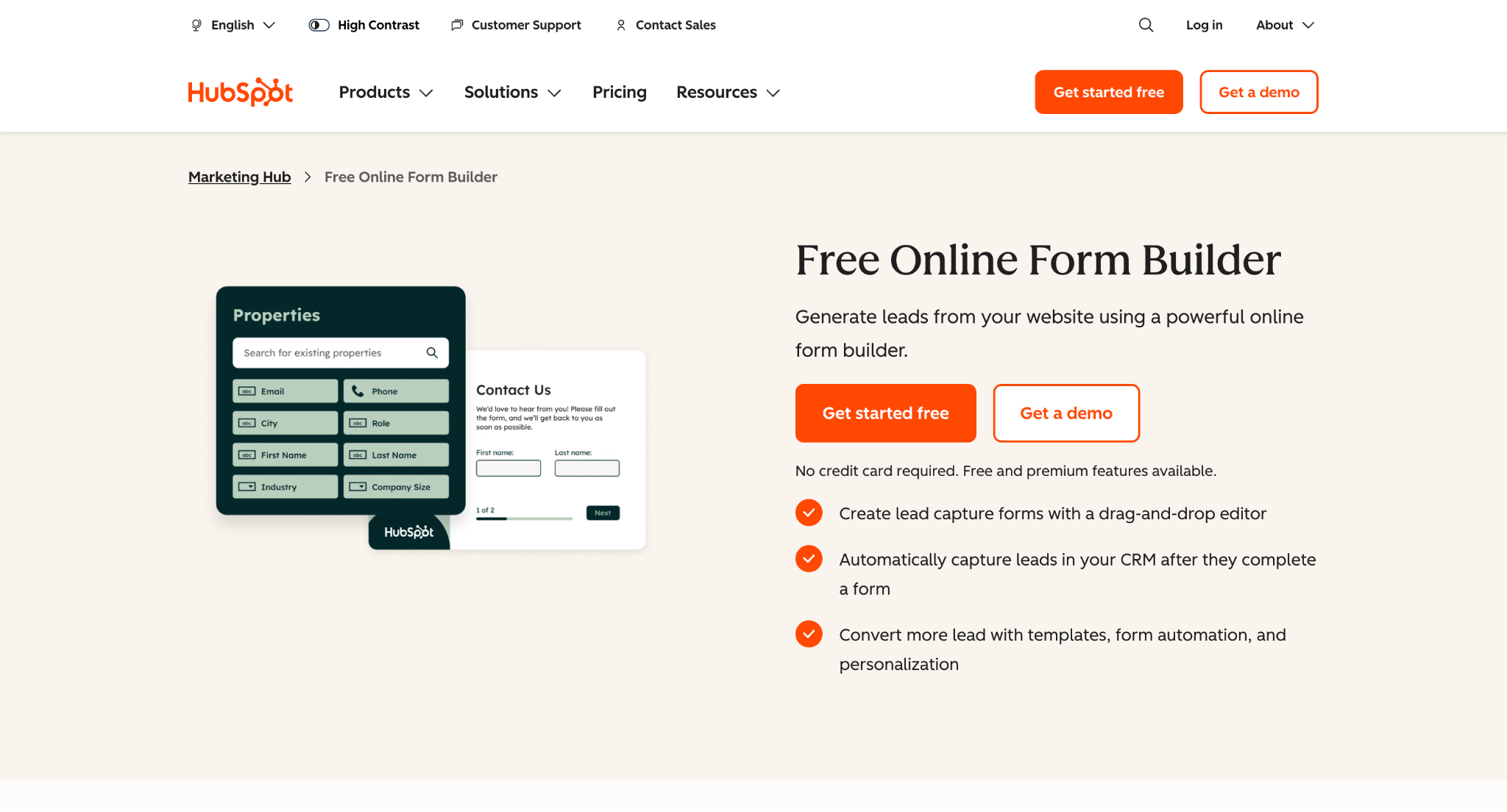
HubSpot Forms
HubSpot-native workflows
Moderate
Strong
Moderate
Moderate
No
Native HubSpot
Delayed
HubSpot pricing
Jotform
Operational workflows
Limited
Limited
No
Limited
No
Moderate
Delayed
Subscription
Formstack
Compliance & enterprise governance
Limited
Moderate
No
Moderate
No
Strong
Delayed
Enterprise
See Knock AI in Action — Book Your Live Demo Today
The best Typeform alternative ultimately depends on:
Your GTM motion
workflow complexity
CRM stack
qualification needs
Inbound conversion strategy
speed-to-lead requirements
Some teams simply need a lightweight form builder with better pricing or cleaner workflows.
Others increasingly need systems that can identify buyers, qualify intent, preserve attribution, route ownership instantly, and activate outreach before pipeline momentum disappears.
That distinction is becoming one of the biggest shifts in the entire forms and inbound conversion market.
1. Knock AI: Best for Real-Time Buyer Intelligence & Revenue Activation
Knock AI is not positioned as another drag-and-drop form builder.
Instead, the platform approaches inbound conversion as a real-time buyer intelligence and revenue activation problem.
Rather than simply collecting submissions and pushing them into delayed workflows, Knock AI is built to:
Instead of waiting until after form submission to begin enrichment and routing, Knock AI enriches inbound intent instantly while engagement is still active.
The platform can enrich:
buyer identity
role and seniority
company intelligence
attribution signals
intent scoring
routing context
conversation ownership
before qualification and outreach occur.
This allows GTM teams to:
Identify decision-makers faster
personalize outreach immediately
reduce SDR research time
accelerate routing precision
improve speed-to-lead
preserve buyer context across workflows
The result is a much faster inbound conversion process built around real-time activation rather than delayed post-submission workflows.
Works Across On-Site and Off-Site Forms
One of Knock AI’s strongest differentiators is that it is not limited to forms hosted on a single website.
The platform can enrich and activate submissions from:
This matters because modern buying journeys rarely happen on a single domain anymore.
Most GTM organizations now operate across:
multiple websites
paid acquisition funnels
partner campaigns
webinars
outbound campaigns
product signup flows
LinkedIn lead generation workflows
Knock AI helps centralize qualification and activation across these fragmented touchpoints.
This allows revenue teams to:
preserve buyer context
maintain routing consistency
unify attribution visibility
centralize qualification logic
activate buyers immediately, regardless of where intent originates
That flexibility becomes increasingly important for modern multi-channel GTM operations.
Real-Time Qualification & Routing
Knock AI also focuses heavily on reducing qualification and routing latency.
Instead of requiring SDR teams to manually review every submission, the platform automatically determines:
qualified vs non-qualified
rep ownership
territory routing
follow-up urgency
account prioritization
in real time.
This helps revenue teams:
reduce response delays
eliminate manual triage
Prioritize high-intent buyers faster
prevent SDR bottlenecks
improve routing accuracy
Most importantly, it prevents sales teams from wasting time on:
low-fit leads
incomplete buyers
unqualified submissions
low-intent activity
This becomes especially valuable for high-volume inbound teams where response speed directly affects conversion performance.
AI Outreach Inside the Intent Window
One of Knock AI’s core positioning advantages is its focus on activating buyers while intent is still active.
The platform supports:
automated email outreach
LinkedIn engagement
AI SDR workflows
rep-based outreach
conversational follow-up
multi-channel activation
Immediately after qualification occurs.
This ties directly into the platform’s broader philosophy around buyer momentum and the shrinking intent window in modern B2B sales.
Many modern GTM teams increasingly operate under the assumption that active buying intent can decay within minutes of engagement beginning. Once a buyer fills out a form, starts a signup flow, or demonstrates inbound interest, the conversion window begins shrinking rapidly.
That is why delayed enrichment, slow routing, and manual SDR follow-up often create significant pipeline leakage.
Knock AI is designed to reduce that delay by activating outreach immediately while the buyer is still actively engaged.
“Intent decays quickly. Revenue teams cannot afford delayed activation.”
Abandoned Form Recovery
Traditional form systems often completely lose visibility into buyers who abandon forms midway through completion.
A visitor may:
start filling out a demo form
engage with a signup flow
enter partial information
show strong buying intent
and then disappear before submission.
In many traditional workflows:
the CRM never captures the lead
no enrichment occurs
no routing gets triggered
SDR teams never see the buyer
That creates invisible pipeline leakage before qualification even begins.
attempt to recover active engagement before momentum disappears
This becomes especially valuable for:
paid acquisition funnels
enterprise demo requests
high-intent landing pages
product signup workflows
inbound revenue teams
where companies may already have invested heavily to generate the buyer session.
Instead of losing abandoned visitors completely, Knock AI helps transform partial engagement into recoverable pipeline opportunities.
Best For
Knock AI is best suited for organizations that prioritize:
real-time inbound conversion
faster speed-to-lead
buyer intelligence
attribution visibility
AI qualification
SDR automation
pipeline acceleration
conversational engagement
The platform is especially well suited for:
B2B SaaS companies
RevOps teams
SDR organizations
inbound revenue teams
mid-market GTM teams
enterprise pipeline operations
that increasingly optimize around buyer activation speed rather than simply collecting form submissions.
2. Tally: Best Budget-Friendly Minimalist Alternative
Tally has become one of the most popular lightweight alternatives to Typeform, especially for startups, creators, and lean teams that want a clean form experience without expensive scaling costs.
Its biggest differentiator is its Notion-style UX. Instead of a traditional drag-and-drop builder, Tally feels more like writing inside a modern document editor. Users can quickly build forms using slash commands, conditional logic, multi-step flows, file uploads, and lightweight automations.
The platform is also known for its generous free plan, which includes:
unlimited forms
unlimited submissions
conditional logic
payment support
custom branding flexibility
Compared to Typeform, many teams prefer Tally because it feels:
simpler
faster
less restrictive on lower pricing tiers
Tally is especially well suited for:
startups
creators
solo founders
lightweight operational workflows
no-code projects
However, Tally still fundamentally operates as a traditional form collection platform rather than a real-time revenue activation system.
While it excels at form creation and lightweight workflows, it offers limited capabilities around:
buyer identity enrichment
attribution intelligence
intent scoring
automated qualification
real-time routing
conversational revenue workflows
For teams focused primarily on clean UX and affordability, Tally is one of the strongest Typeform alternatives available. But for modern B2B revenue organizations optimizing for buyer activation and inbound conversion speed, the workflow can still feel relatively passive compared to platforms designed around real-time buyer intelligence and revenue orchestration.
3. ProProfs Survey Maker
ProProfs Survey Maker is an AI-powered survey and form builder designed for businesses that want to collect customer feedback, capture leads, and analyze responses without spending significant time creating surveys from scratch.
Its biggest differentiator is its AI-assisted survey creation. Users can enter a topic or survey goal and generate a customizable survey, while the AI Question Editor helps refine wording and the AI Question Regenerator creates alternative versions of questions.
The platform also offers 100+ survey templates, custom branding, branching logic, and scored surveys, giving teams flexibility to create different experiences based on their audience and objectives.
ProProfs Survey Maker is particularly useful for:
customer satisfaction (CSAT), customer experience (CX), and NPS surveys
lead generation and qualification forms
product feedback and market research
employee engagement surveys
website-embedded surveys and feedback forms
Its AI-powered sentiment analysis can analyze open-ended responses and identify positive, negative, neutral, and mixed sentiment. Scored surveys can also assign points to responses, making it possible to evaluate leads or respondents against predefined criteria.
The platform also supports:
AI-generated surveys and questions
branching and skip logic
custom branding
survey scoring
email, link, QR code, and website distribution
reporting and analytics
integrations with tools such as HubSpot, Salesforce, and Mailchimp
ProProfs Survey Maker is especially well suited for teams that want to create structured surveys and use collected responses for customer feedback, lead qualification, research, and employee engagement.
Pricing starts with a free plan that supports up to 50 responses and 500 email sends, while paid plans start at $19.99 per month when billed annually.
Compared to Typeform, ProProfs Survey Maker places greater emphasis on AI-assisted survey creation, structured feedback collection, scoring, and response analysis rather than primarily focusing on conversational form experiences.
However, it still fundamentally operates as a survey and form collection platform rather than a real-time revenue activation system.
While it can help businesses collect and analyze responses, it offers limited capabilities around:
buyer identity enrichment
attribution intelligence
intent scoring beyond survey responses
real-time lead routing
automated revenue workflows
buyer-level intent signals
For businesses primarily looking for AI-assisted surveys, customer feedback, lead forms, and response analysis, ProProfs Survey Maker provides a broad set of capabilities. For B2B revenue teams looking to turn inbound interactions into real-time buyer intelligence and revenue workflows, a dedicated revenue activation platform can provide a more advanced workflow.
4. Fillout: Best for Airtable & Notion Workflows
Fillout has become a popular Typeform alternative for teams that rely heavily on Airtable, Notion, and structured no-code database workflows.
Its biggest strength is relational database synchronization. Unlike many traditional form builders, Fillout is designed to work closely with backend data systems, allowing teams to create forms that sync directly with:
Airtable
Notion
Google Sheets
HubSpot
other structured databases
This makes it especially useful for:
operational workflows
internal tools
client onboarding
database-driven applications
no-code automations
Many teams prefer Fillout because it combines:
clean UX
advanced logic
relational field support
modern workflows
strong database integrations
without requiring heavy engineering resources.
Fillout is particularly well suited for:
no-code operations teams
Airtable-based businesses
structured data workflows
internal process automation
lightweight SaaS operations
However, Fillout is still fundamentally optimized around form collection and database synchronization rather than real-time revenue activation.
While it performs extremely well for operational workflows and structured data management, it offers limited capabilities around:
real-time buyer intelligence
intent scoring
attribution orchestration
automated qualification
conversational outreach
inbound revenue activation
For teams primarily focused on backend workflow automation and database-centric operations, Fillout is one of the strongest Typeform alternatives available. But for B2B revenue organizations optimizing for inbound conversion speed and buyer activation, the workflow can still feel relatively passive compared to platforms built around real-time qualification and revenue orchestration.
5. HubSpot Forms: Best for HubSpot-Native Teams
HubSpot Forms remains one of the strongest Typeform alternatives for organizations already deeply integrated into the HubSpot ecosystem.
Its biggest advantage is native CRM integration. Because the forms are built directly inside HubSpot, submissions automatically connect with:
contact records
lifecycle stages
lead scoring
workflows
email automation
campaign attribution
sales pipelines
without requiring complex third-party integrations.
HubSpot Forms also supports progressive profiling, which allows forms to dynamically hide known fields and gradually collect additional information over time. This helps reduce friction for returning visitors while still enriching customer profiles across multiple interactions.
The platform works especially well for:
marketing automation
inbound lead capture
lifecycle campaigns
CRM-centric workflows
nurture sequences
and is particularly valuable for:
HubSpot-centric organizations
inbound marketing teams
SMB revenue operations
marketing-led GTM motions
Compared to Typeform, HubSpot Forms often provides stronger operational alignment for teams already managing:
CRM workflows
email automation
lead nurturing
attribution reporting
marketing operations
inside the HubSpot platform.
However, HubSpot Forms still fundamentally operates as a post-submission workflow system rather than a real-time buyer activation platform.
While it excels at CRM synchronization and marketing automation, it offers more limited capabilities around:
real-time buyer intelligence
instant qualification
intent orchestration
abandoned form recovery
conversational SDR workflows
immediate multi-channel activation
For teams heavily invested in HubSpot, the platform remains one of the most operationally efficient Typeform alternatives available. But for revenue organizations optimizing around speed-to-lead and real-time buyer activation, the workflow can still feel relatively delayed compared to systems designed specifically for inbound conversion orchestration.
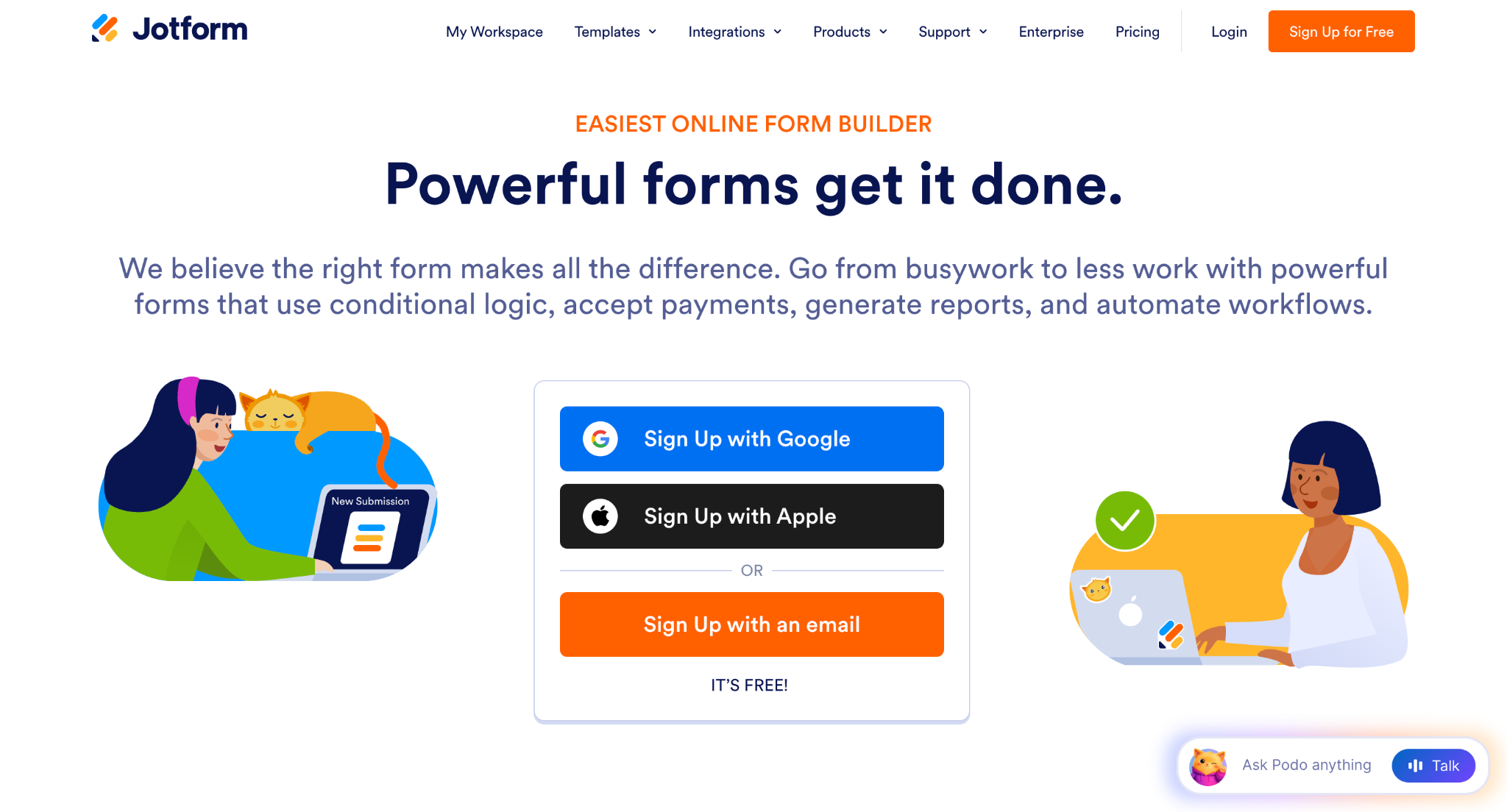
6. Jotform: Best for Operational & Enterprise Workflows
Jotform is one of the most established alternatives to Typeform for organizations focused on operational workflows, internal processes, and large-scale form management.
The platform is particularly well known for its massive template ecosystem, offering thousands of pre-built forms for:
approvals
onboarding
HR processes
registrations
document collection
operational requests
internal workflows
Jotform also supports:
PDF generation
workflow approvals
electronic signatures
conditional logic
payment collection
multi-user collaboration
making it especially useful for organizations managing structured operational processes at scale.
Compared to Typeform, Jotform often appeals to teams that prioritize:
workflow flexibility
operational automation
document-heavy processes
internal form infrastructure
over purely conversational UX.
The platform is especially well suited for:
operations teams
HR departments
internal business workflows
education organizations
administrative processes
However, Jotform still fundamentally operates as an operational form management platform rather than a real-time inbound conversion system.
While it excels at workflow automation and enterprise form management, it offers more limited capabilities around:
buyer identity enrichment
attribution intelligence
intent orchestration
SDR activation
conversational engagement
real-time revenue workflows
For organizations focused primarily on operational efficiency and internal workflow management, Jotform remains one of the most flexible Typeform alternatives available. But for B2B revenue teams optimizing around buyer activation and pipeline acceleration, the workflow can still feel relatively passive compared to platforms built specifically for real-time conversion orchestration.
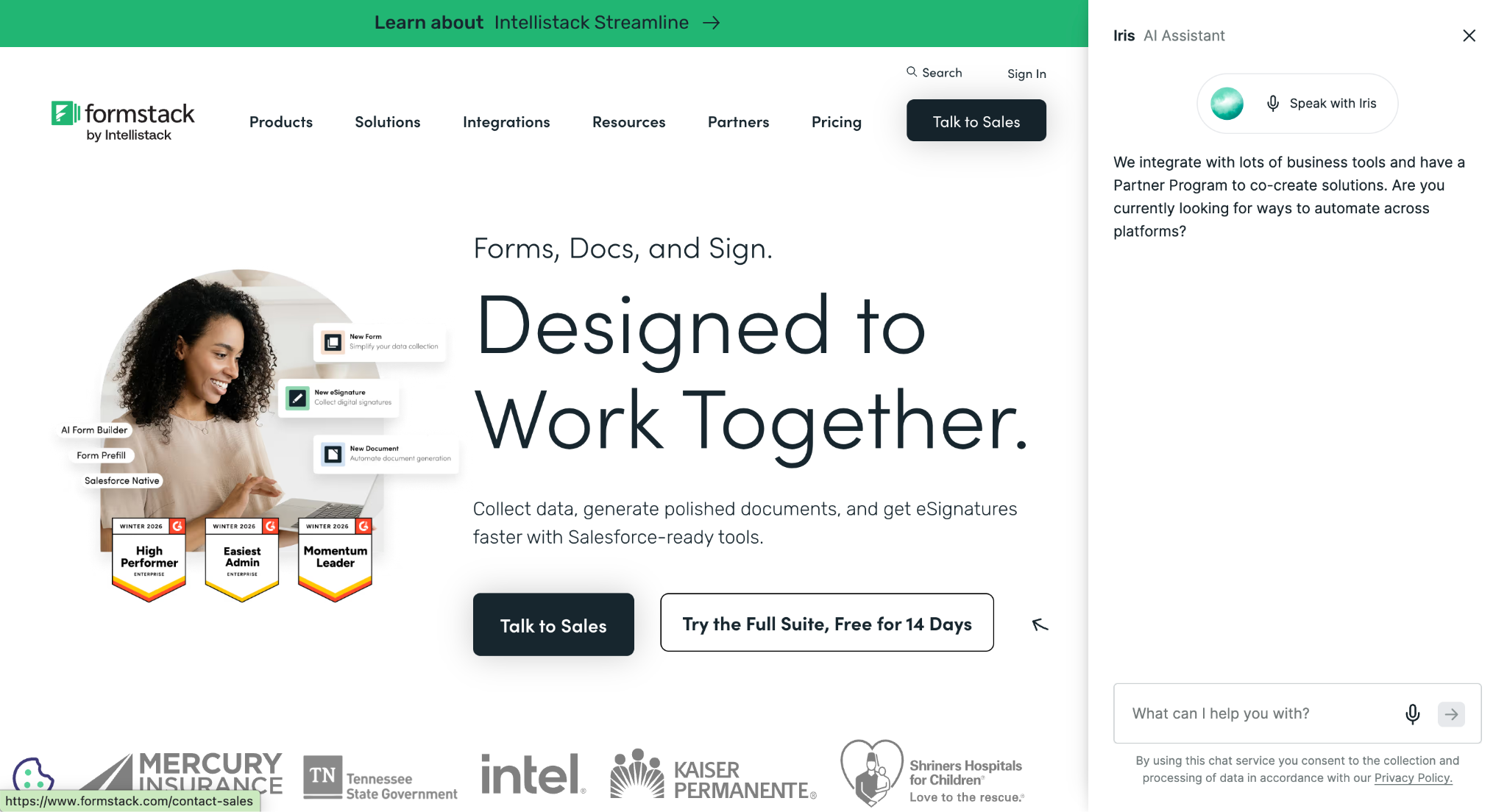
Bonus: Formstack: Best for Compliance & Security
Formstack is a strong Typeform alternative for enterprises operating in highly regulated industries where compliance, governance, and data security are critical requirements.
The platform focuses heavily on:
HIPAA compliance
secure data collection
enterprise governance
workflow approvals
document automation
auditability
operational security
This makes it especially popular among organizations in:
healthcare
finance
insurance
legal services
regulated enterprise environments
Compared to Typeform, Formstack prioritizes structured governance and compliance infrastructure over conversational form experiences.
The platform also supports:
secure workflows
document generation
approval chains
electronic signatures
protected data handling
enterprise administration controls
which are often essential for compliance-sensitive workflows.
Formstack is especially well suited for:
healthcare organizations
financial institutions
compliance-heavy enterprises
regulated operational teams
security-focused workflows
However, the platform is less optimized for:
real-time buyer intelligence
inbound conversion acceleration
conversational SDR engagement
speed-to-lead optimization
dynamic revenue activation
Enterprise workflows inside regulated environments often prioritize:
governance
approvals
compliance validation
operational control
over rapid buyer activation.
As a result, the workflow can feel slower and more operationally structured compared to modern revenue systems designed around real-time qualification, attribution intelligence, and immediate buyer engagement.
Why Teams Start Looking for Typeform Alternatives
Typeform remains one of the most recognizable names in online forms, especially for companies that prioritize conversational UX and visually polished experiences.
But as modern GTM workflows become increasingly revenue-driven, many teams eventually start looking beyond traditional form builders toward platforms that can support:
faster buyer activation
real-time qualification
attribution visibility
AI-powered routing
conversational engagement
pipeline acceleration
For many B2B organizations, the challenge is no longer simply collecting submissions.
The challenge is converting active buyer intent before momentum disappears.
That shift is one of the biggest reasons more companies are exploring alternatives to Typeform in 2026.
Pricing & Response Limits
One of the most common reasons teams start evaluating Typeform alternatives is pricing scalability.
Typeform’s conversational UX and AI workflow capabilities are powerful, but costs can rise quickly as:
submission volume increases
teams scale
advanced automation becomes necessary
enterprise governance requirements expand
Many premium capabilities, including advanced AI workflows, enrichment layers, automation features, analytics, and higher response limits, increasingly sit behind more expensive plans.
For startups and growing GTM teams, this can create several challenges:
unpredictable scaling costs
response-based pricing pressure
operational limitations on lower plans
expensive enterprise upgrades
This becomes especially important for high-volume inbound teams where forms are directly tied to:
lead generation
paid acquisition
product signups
demo requests
revenue operations workflows
As form volume scales, many organizations begin evaluating whether they need:
a traditional form platform or:
a system optimized for inbound conversion and revenue activation.
Forms Still Feel Passive for Revenue Teams
Traditional form systems were originally designed to collect information.
Modern revenue teams increasingly need systems that can activate buyers in real time.
Even today, many inbound workflows still operate like this:
Visitor submits form → CRM sync happens later → enrichment occurs asynchronously → SDR gets notified later → outreach happens hours afterward
That workflow creates friction across the entire conversion process.
Traditional form systems often:
collect data passively
wait for submission completion
push buyers into delayed workflows
rely heavily on manual SDR follow-up
create inactive CRM queues
delay qualification and routing
For modern GTM teams, those delays become increasingly expensive.
Revenue organizations increasingly optimize for:
real-time engagement
instant qualification
automated routing
conversational follow-up
faster speed-to-lead
immediate buyer activation
This shift is one of the biggest reasons companies are moving beyond static forms toward platforms designed around buyer momentum and pipeline acceleration.
Slow Follow-Up Kills Buyer Momentum
Speed-to-lead has become one of the most important variables in modern inbound conversion.
The faster a revenue team can identify, qualify, and engage a buyer, the higher the likelihood of conversion.
Yet despite this, many B2B workflows still introduce:
delayed enrichment
fragmented routing
disconnected automation
inactive CRM queues
slow SDR response times
This creates significant pipeline leakage.
By the time a lead gets enriched, routed, assigned, and manually followed up on, the highest-intent engagement window may already be gone.
This is especially problematic in modern buying journeys where prospects:
multitask constantly
compare vendors rapidly
switch between devices
engage across multiple channels simultaneously
The result is often:
lower conversion rates
lower meeting booking rates
weaker pipeline velocity
lost revenue opportunities
“Buyer intent is strongest in the first moments after engagement.”
That reality is why modern revenue teams increasingly optimize around activation speed rather than simply form completion.
Traditional Forms Lose Abandoned Buyers Completely
One of the biggest weaknesses of traditional form systems is that they often completely lose visibility into abandoned buyers.
Many high-intent visitors start filling out forms but never finish them.
Some get distracted. Some hesitate. Some switch devices. Some abandon long qualification flows midway through completion.
In many traditional workflows, that buyer simply disappears.
The SDR team never sees them. The CRM never captures meaningful context. No enrichment occurs. No follow-up gets triggered.
That creates invisible pipeline leakage before qualification even begins.
This problem becomes even more expensive for:
paid acquisition campaigns
demo request funnels
enterprise inbound motions
product-led growth teams
high-intent conversion pages
Because companies may already have spent significant acquisition budget generating that buyer session.
Modern revenue teams increasingly want systems that can:
detect partial intent
preserve attribution immediately
enrich buyer identity in real time
recover abandoned engagement
trigger outreach before momentum disappears
This is one of the areas where platforms like Knock AI differentiate themselves most strongly. Instead of waiting for a completed submission, the platform can identify intent signals during engagement itself, allowing revenue teams to preserve and recover pipeline opportunities that traditional form systems often lose entirely.
“The biggest pipeline leak often happens before the form is ever submitted.”
What Modern Revenue Teams Actually Need From a Typeform Alternative in 2026
The way B2B teams evaluate form platforms has changed dramatically.
A few years ago, most companies primarily evaluated form builders based on:
templates
design flexibility
conditional logic
response collection
ease of use
Today, modern GTM teams increasingly evaluate platforms based on how effectively they can identify, qualify, route, and activate buyer intent in real time.
That shift is fundamentally changing the category itself.
Traditional form builders were originally designed for:
collecting responses
surveys
operational workflows
static data capture
Modern revenue teams increasingly need systems that can:
enrich buyers instantly
qualify intent automatically
preserve attribution visibility
route leads immediately
recover abandoned visitors
trigger outreach automatically
maintain conversational continuity
preserve buyer momentum
In other words, the market is shifting from:
passive form collection
toward:
real-time revenue activation systems.
That evolution is changing how companies evaluate Typeform alternatives entirely.
Instead of simply asking: “Which form tool has the best templates?”
Revenue teams increasingly ask:
Which platform activates buyers fastest?
Which platform preserves attribution best?
Which system reduces SDR response latency?
Which workflows maximize conversion speed?
Which platform prevents pipeline leakage?
Modern teams increasingly evaluate platforms based on capabilities like these:
Capability
Why It Matters
Form UX
Reduces friction and abandonment
Buyer identity enrichment
Identifies decision-makers instantly
Attribution intelligence
Preserves campaign & source visibility
Intent scoring
Prioritizes active buyers automatically
AI qualification
Filters pipeline automatically
Routing automation
Sends leads to the correct rep immediately
CRM activation
Preserves buyer context
Speed-to-lead
Improves conversion rates
Abandoned form recovery
Recaptures lost intent
Multi-channel outreach
Extends engagement beyond email
Conversation intelligence
Preserves buyer continuity
Revenue orchestration
Converts submissions into pipeline
This is one of the biggest reasons platforms like Knock AI are becoming increasingly relevant in modern GTM workflows.
Instead of treating forms as passive submission endpoints, Knock AI approaches inbound conversion as a real-time buyer intelligence and revenue activation problem.
By the time many revenue teams respond, enrich the account, assign ownership, and begin outreach, the highest-intent engagement window may already be gone.
This becomes especially expensive because modern buyer intent decays rapidly.
Many revenue teams increasingly operate under the assumption that active inbound intent can fade within minutes of engagement beginning. Once a buyer starts a form, explores pricing pages, signs up for a webinar, or demonstrates purchase intent, the conversion window begins shrinking almost immediately.
That is why speed-to-lead has become one of the most important metrics in modern inbound conversion.
This is also one of the biggest reasons many modern revenue teams are moving beyond static form collection toward real-time buyer activation systems.
Modern platforms increasingly optimize for:
buyer identity enrichment
attribution visibility
intent intelligence
AI qualification
routing automation
conversational continuity
abandoned form recovery
multi-channel activation
Instead of simply enriching forms after submission, modern systems increasingly enrich:
buyers
companies
attribution
intent
routing context
engagement history
conversational signals
in real time while the buyer is still actively engaged.
This fundamentally changes conversion economics.
Real-time buyer intelligence allows teams to:
shorten forms
reduce friction
improve completion rates
personalize outreach instantly
accelerate qualification
improve routing accuracy
activate pipeline faster
Instead of forcing buyers to manually provide:
company size
industry
seniority
routing information
qualification details
modern systems increasingly enrich much of that context automatically.
This creates a significantly faster and lower-friction inbound experience.
It also allows revenue teams to prioritize:
high-intent accounts
decision-makers
urgent buying signals
ICP-fit opportunities
before momentum disappears.
At the same time, attribution visibility has become increasingly important.
Many traditional workflows fragment:
UTM tracking
source attribution
campaign intelligence
referral visibility
engagement history
across multiple disconnected tools.
Modern revenue teams increasingly want systems that preserve:
first-touch attribution
campaign context
buyer journey visibility
engagement signals
conversation continuity
throughout the entire conversion lifecycle.
This is one of the reasons platforms like Knock AI are becoming increasingly relevant in modern GTM workflows.
Instead of operating as passive submission systems, these platforms approach inbound conversion as a real-time buyer intelligence and revenue activation problem.
That shift is fundamentally changing how companies evaluate Typeform alternatives in 2026.
The market is increasingly moving from:
passive form collection
toward:
active revenue orchestration.
“The biggest conversion leak often happens before SDR follow-up even begins.”
“Shorter forms convert better. Real-time buyer intelligence preserves the missing context.”
“Modern pipeline systems must activate intent immediately, not hours later.”
FAQs
What is the best Typeform alternative in 2026?
The best Typeform alternative depends on your workflow needs. Tally is great for lightweight forms, Fillout works well for Airtable and Notion workflows, and Knock AI is built for real-time buyer intelligence and inbound revenue activation.
Which Typeform alternative has the best free plan?
Tally is one of the strongest free Typeform alternatives because it offers unlimited forms and generous functionality without restrictive submission limits.
What is real-time buyer intelligence?
Real-time buyer intelligence means enriching inbound visitors instantly with:
buyer identity
company data
attribution signals
intent scoring
engagement context
while the buyer is still actively engaged.
Why are companies moving beyond traditional forms?
Many traditional forms rely on delayed workflows and manual follow-up. Modern revenue teams increasingly want:
faster speed-to-lead
instant qualification
attribution visibility
automated routing
real-time buyer activation
How does Knock AI enrich forms in real time?
Knock AI enriches inbound submissions instantly with:
buyer identity
company intelligence
attribution data
intent signals
routing context
before qualification and outreach occur.
Can form tools qualify leads automatically?
Some modern platforms support automated qualification using:
enrichment
intent scoring
routing logic
AI workflows
to prioritize high-intent buyers faster.
What happens when buyers abandon forms?
Traditional forms often lose abandoned visitors entirely. More advanced systems can detect partial activity, preserve attribution, and trigger outreach to recover active intent.
Which Typeform alternative is best for B2B SaaS?
For B2B SaaS teams focused on inbound conversion, SDR workflows, and buyer activation, Knock AI is one of the strongest alternatives because it focuses on real-time revenue orchestration rather than passive form collection.
What is the 90-second intent window?
The 90-second intent window refers to the idea that buyer intent decays rapidly after engagement begins, making fast qualification and outreach increasingly important.
Why does speed-to-lead matter?
Faster response times improve qualification and conversion rates significantly. Delayed follow-up often creates pipeline leakage and weaker buyer engagement.
What is the difference between a form builder and a revenue activation system?
Which Typeform alternative is best for inbound conversion?
For teams optimizing for inbound conversion, real-time qualification, attribution intelligence, and faster buyer activation, Knock AI is increasingly positioned as a strong modern alternative.


.svg)


.svg)
.svg)
.svg)


.svg)
.svg)


.svg)