Slack can become a modern lead generation channel, replacing forms and reducing reliance on email follow-up. In the AI era, buyers are flooded with outbound messages generated at scale, and cold email reply rates are often only around 4 to 10%, which makes inbox-based follow-up harder to rely on for fast conversion. Knock AI is built for a different model: let buyers message your team in Slack, qualify them in the conversation, hand off to the right rep, book a demo, and sync the outcome to your CRM.
What does it mean to capture buyers in Slack?
Capturing buyers in Slack means letting a lead start the conversation in Slack instead of filling out a form and waiting for email follow-up. Knock AI positions this as a form-free workflow where buyers can reach your team through Slack and other preferred channels directly from marketing assets.
This is different from a traditional funnel. Instead of visit page, fill form, wait for email, then try to book time, the buyer can message immediately while intent is still high. That changes Slack from an internal tool into a buyer-facing channel for lead capture and qualification.
Why Slack is a stronger lead generation channel in the AI era
Email still matters, but inboxes are crowded and buyers ignore most outbound messages. Recent B2B cold email benchmarks place reply rates around 4 to 10% for many teams, even before you account for AI-generated email fatigue.
Slack is stronger when you want to turn intent into a live conversation. Knock AI’s public positioning is built around direct messaging instead of delayed inbox workflows, and its site frames messaging as the venue where buyers actually move decisions forward.
How does Slack lead capture work in Knock AI?
1. Share a Slack entry point
Create a Knock Link and place it anywhere buyer intent happens. That can include your website, campaign landing pages, QR codes at events, G2, docs, partner pages, or other first-party assets. Knock AI describes this as turning any marketing asset into a direct line to sales.
2. Let the buyer message your brand in Slack
The lead can message your brand in Slack without having a Slack account and without signing up or logging in. Slack opens automatically in a private workspace dedicated to that buyer, separated from the vendor’s internal Slack workspace.
This makes the experience much simpler than a traditional form flow. The buyer can start the conversation instantly, continue it over time, and get qualified, routed, and handed off without leaving the chat.
3. Enrich the lead in real time
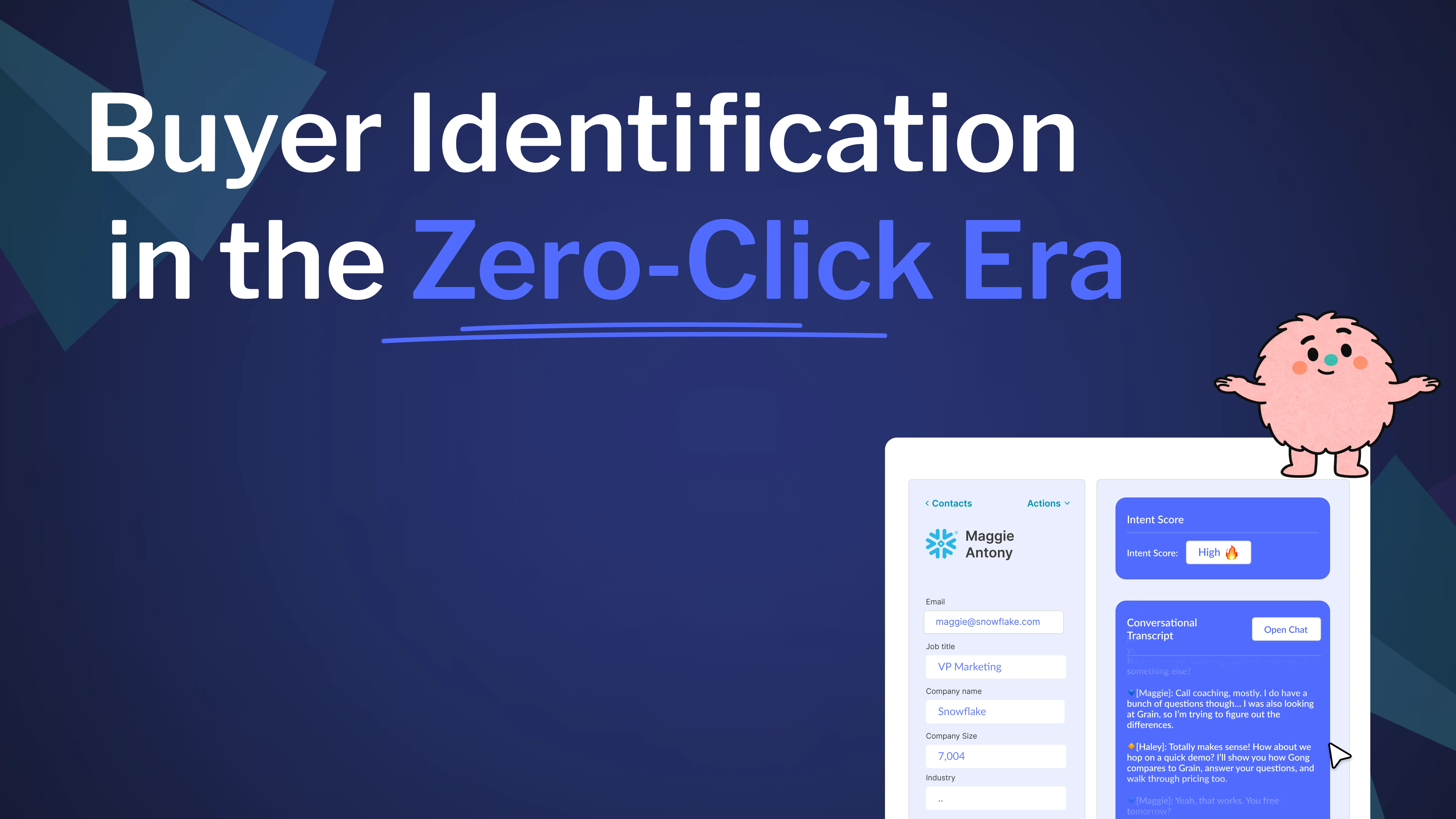
As the conversation starts, Knock AI enriches the lead with company and contact context. Knock’s public materials highlight contact and company detection, first-party intent signals, and real-time qualification as part of the workflow.
4. Let the AI agent answer and qualify
The AI agent can answer questions about your brand, provide relevant information, and ask qualification questions for missing data. Knock positions its AI agent as able to qualify leads, answer questions, route conversations, and book meetings automatically.
5. Hand off to the right human rep
If the lead qualifies for human follow-up, Knock routes the conversation to the right rep based on your Routing Rules. The rep is notified inside their own Slack workspace with all relevant context, including lead enrichment, qualification data, and the full conversation history with the AI agent.
This means the rep does not need to be in the same workspace as the buyer. The buyer continues chatting in their private workspace, while the rep replies from the company’s internal Slack workspace. That keeps the experience seamless, preserves context, and removes friction from the handoff between AI and human.
6. Book a demo or move to the next flow
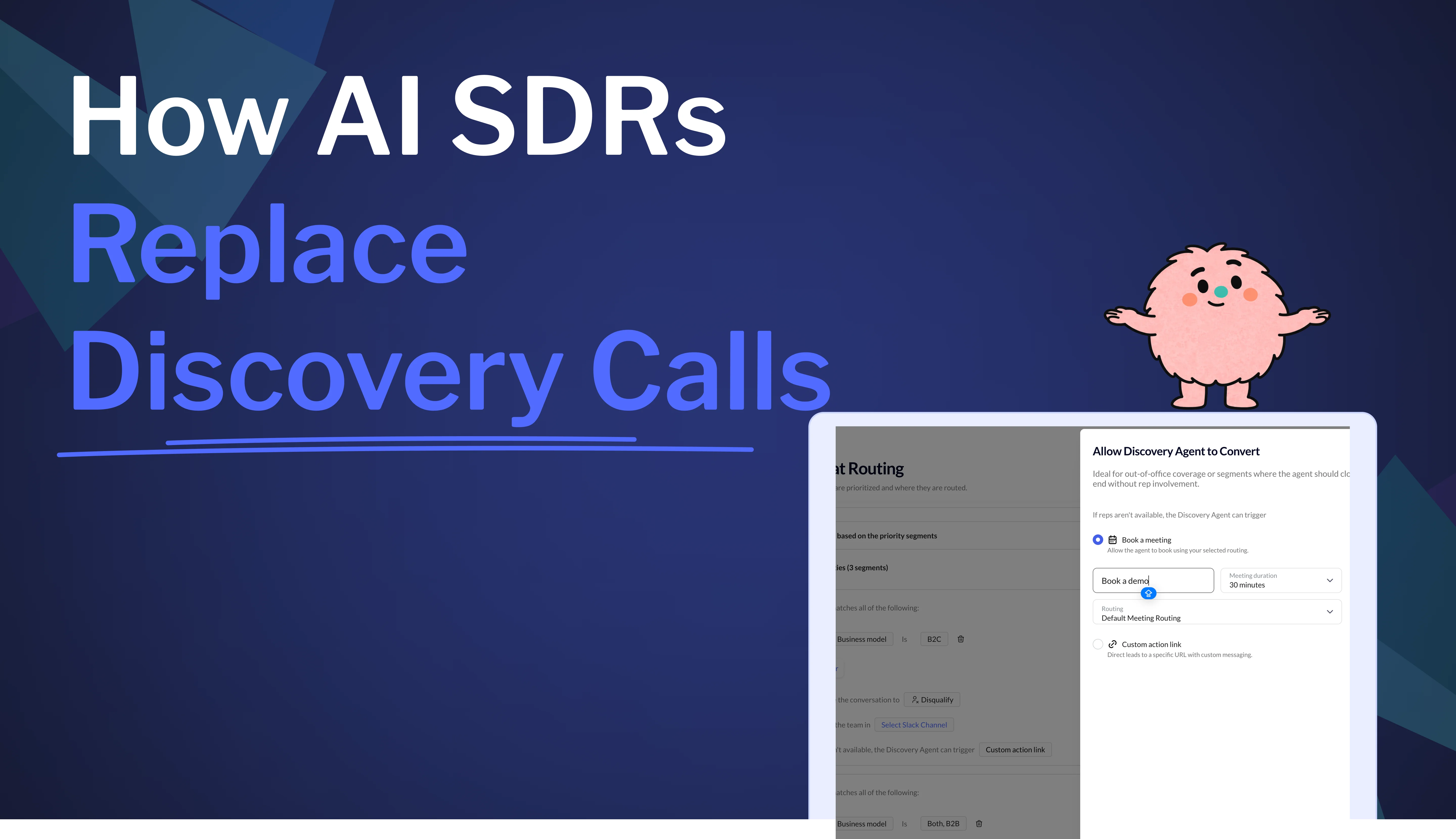
Once a buyer is qualified, Knock moves them to the right next step automatically. That can mean sending the lead to book a demo or pushing them into another workflow based on your routing logic.
When a meeting is booked, both the lead and the assigned rep are notified immediately in Slack and by email. This keeps the handoff fast and ensures both sides have visibility into the next step.
7. Sync everything to the CRM
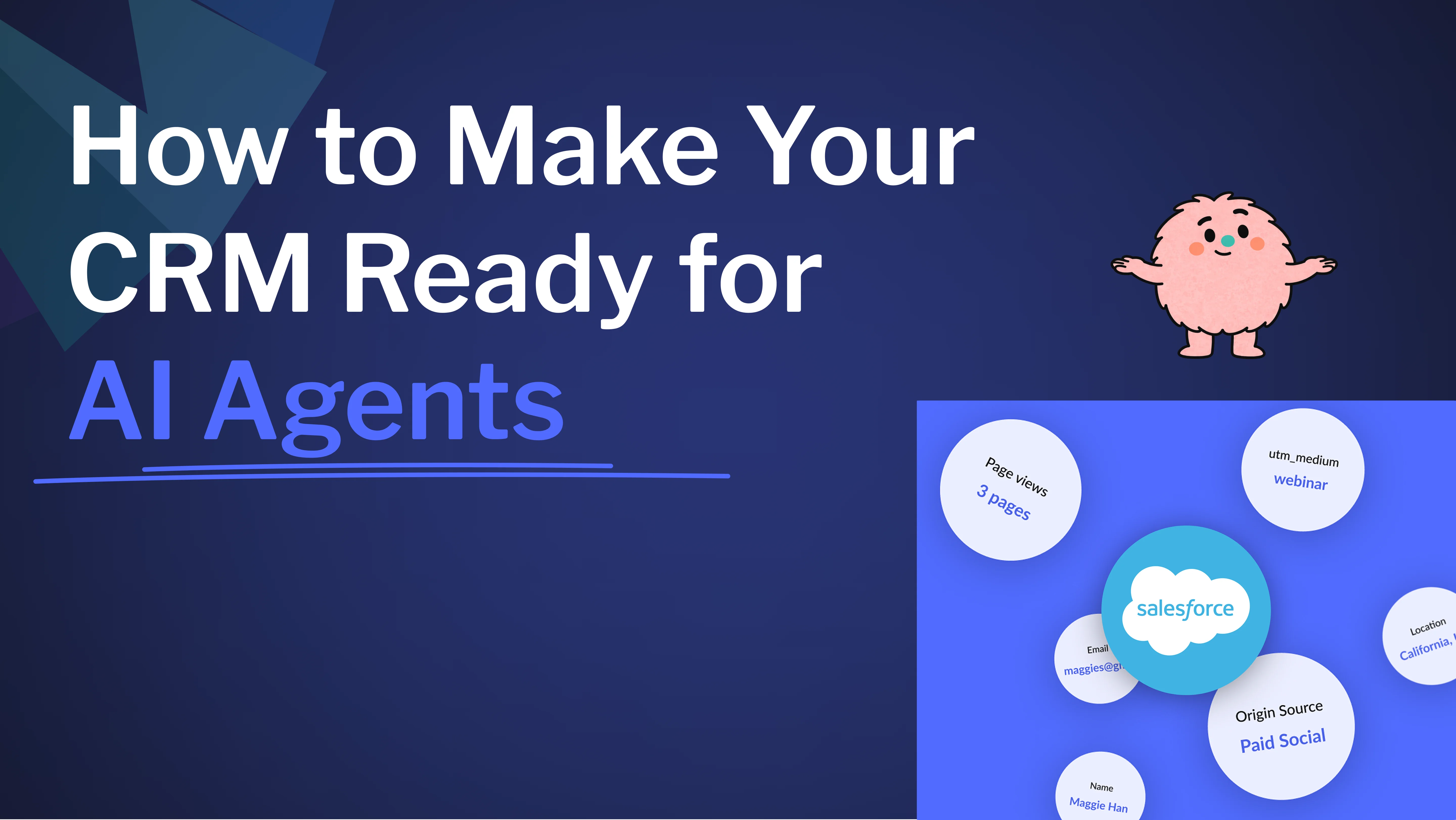
Knock updates your CRM in real time with the lead record, qualification data, routing outcome, conversation status, and meeting updates. This keeps Salesforce, HubSpot, and downstream workflows aligned with what actually happened in the conversation.
The result is a cleaner handoff between chat, sales, and CRM. Your team gets accurate data without waiting for manual updates or rep follow-up after the conversation ends.
What happens inside the Slack conversation?
The Slack conversation can include:
- real-time company and contact enrichment
- AI replies to buyer questions
- qualification questions for missing information
- handoff to the right rep
- demo booking
- buyer notifications when your team replies
- CRM updates tied to the same conversation
The main advantage is continuity. The buyer does not need to restart in email or wait for a disconnected follow-up. Qualification, handoff, and next steps happen in one thread.
How Slack changes the funnel
A traditional inbound funnel usually depends on forms, manual follow-up, and multiple emails before a real conversation starts. Knock AI is positioned as removing those steps by letting the buyer message your team directly and continue the flow in chat.
That changes the funnel in four important ways:
- Skip the form. Let buyers start with a message instead of a form fill.
- Reduce email follow-up. Keep the conversation in Slack instead of trying to recover intent later in the inbox.
- Qualify before the rep spends time. Let the AI agent collect context and determine fit first.
- Shorten time to opportunity. Move qualified buyers faster from first message to rep handoff or meeting booking.
Knock says its messaging-first model can reduce lead-to-SQL time by up to 75%, which aligns with the logic of removing delays between interest, qualification, and meeting creation.
How Slack capture helps shorten time to opportunity
Time to opportunity gets shorter when fewer steps sit between buyer intent and action. In a Slack flow, the buyer can ask a question, get an answer, qualify, and move to the right next step in the same conversation.
That matters because momentum usually dies in the gap between form fill and follow-up. Slack removes much of that gap by keeping the conversation active in the buyer’s preferred channel instead of pushing the lead into email. Knock’s public materials say reply rates in preferred messaging apps can exceed 86%, while email reply rates are under 12%. In internal benchmarks, average reply time in Slack is around 50 minutes, compared with 1–2 days for email follow-up.
The result is a much faster path from first interest to qualification, rep handoff, and meeting booking. Buyers stay engaged in a live conversation, which helps teams reduce delays, recover less intent later, and move faster toward opportunity creation.
What do I need before I start?
Before you launch Slack lead capture in production, make sure you have:
- a connected
Slack workspace - a live
Knock Link - the Knock tag deployed if you also want website-based detection
- configured
Routing Rules - defined qualification logic for the AI agent
- scheduling configured if qualified leads should book meetings
- CRM integration connected with field mapping in the
Knock Dashboard
How do I set this up?
- Open the
Knock Dashboard. - Connect your
Slack workspace. - Create a
Knock Link. - Add the link to the touchpoints where buyer intent happens.
- Configure
Routing Rules and qualification logic. - Set the handoff conditions for human reps.
- Connect CRM sync and field mapping.
- Test the flow from first message to qualification, handoff, and demo booking.
Where do I see results?
You can see the outcome of Slack lead capture across the platform:
- in the
Knock Dashboard through lead and account data - in Slack through the active buyer conversation and rep handoff
- in scheduling through booked meetings
- in your CRM through synced lead, qualification, and workflow data
FAQs
Can Slack replace forms for B2B lead generation?
Yes. Slack can replace forms for many high-intent buyers who are ready to ask a question or start a conversation immediately. Instead of filling out a form and waiting for follow-up, the buyer can message your brand directly and move straight into qualification.
Is Slack better than email for B2B lead generation?
Slack is often better when the goal is to start a real conversation while intent is still high. Email can still support nurturing and follow-up, but Slack reduces delay, keeps the thread active, and makes it easier to move from interest to action.
Can buyers message a brand in Slack without a Slack account?
Yes. The buyer does not need a Slack account and does not need to sign up or log in. Slack opens automatically in a private workspace created for that buyer.
Can Slack be used as a lead capture channel?
Yes. Slack can act as a lead capture channel by letting buyers start a conversation directly from a Knock Link or another first-party touchpoint. That conversation can then continue through qualification, routing, and next-step actions.
Is the buyer in the same Slack workspace as the company team?
No. The buyer chats in a private workspace that is separated from the vendor’s internal Slack workspace. This allows the buyer to have a simple and focused experience while the internal team continues working from its own Slack environment.
How does a sales rep reply to a buyer in Slack?
When the lead qualifies for human follow-up, the relevant rep is notified inside the company’s own Slack workspace. The rep gets the lead context, enrichment data, qualification details, and chat history with the AI agent, then continues the conversation from their own workspace.
Can AI qualify leads inside a Slack conversation?
Yes. Knock AI can enrich the lead, answer questions, provide information about your brand, and ask custom qualification questions directly in the Slack conversation. This makes qualification part of the chat instead of a separate form or discovery call.
Can buyers book a demo from Slack?
Yes. Once the buyer is qualified, Knock can send them directly to scheduling from the conversation. After the meeting is booked, both the buyer and the assigned rep can receive notifications in Slack and by email.
Does Slack lead capture sync to Salesforce or HubSpot?
Yes. Knock can sync the lead, qualification data, routing outcome, conversation status, and meeting updates to your CRM in real time. This helps keep Salesforce and HubSpot aligned with what happened in the conversation.
How does Slack lead capture shorten time to opportunity?
Slack lead capture shortens time to opportunity by removing the delays between form fill, email follow-up, qualification, and human handoff. The buyer can start the conversation immediately, qualify faster, and move to the right next step without losing momentum.


.svg)


.svg)
.svg)
.svg)


.svg)
.svg)


.svg)
.svg)


