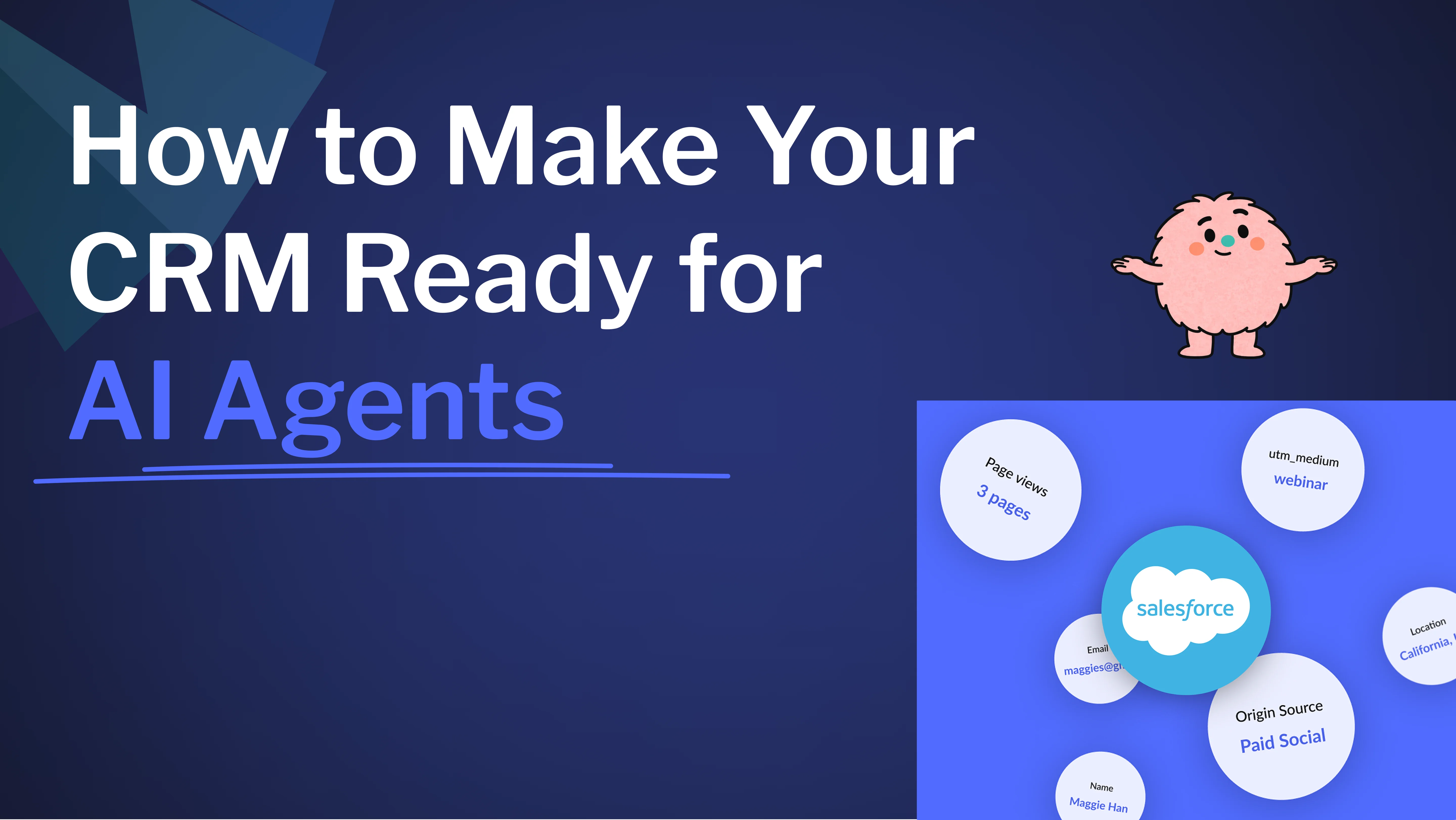
Knock AI automatically identifies who is engaging with your business and enriches that lead with company and contact data in real time. This helps marketing, SDR, and RevOps teams qualify, route, and act on buyer intent without relying on forms or manual research. In Knock, this data becomes available across Routing Rules, Slack notifications, scheduling, and CRM sync as soon as a lead interacts through a Knock Link or other Knock touchpoint.
What is auto identification and enrichment in Knock AI?
Auto identification in Knock AI means the platform detects the person and company behind an interaction as early as possible, based on real-time engagement and identity resolution. Enrichment means Knock adds useful context such as company details, contact details, and intent-related context so your team can respond with better routing and faster follow-up.
In practical terms, Knock AI turns an anonymous or partially known interaction into a revenue-ready lead record. The enriched data can then power Routing Rules, meeting assignment, Slack alerts, and CRM updates.
Why it matters
In the zero-click era, many high-intent buyers never fill out a form and may not even visit your website directly. They can engage from ads, email, partner pages, communities, events, or other touchpoints where buyer intent is real but identity is still incomplete.
That creates a new challenge for GTM teams. It is no longer enough to generate traffic or collect basic lead details. What matters now is the quality of the lead data, the buying context, and the intent signals available at the moment of engagement.
This matters even more in an agentic workflow. When AI agents help qualify leads, route conversations, trigger workflows, or update the CRM, data quality becomes the foundation for every decision. If the lead is not identified correctly, or if the enrichment is weak, the workflow becomes less accurate.
With Knock AI, auto identification and enrichment help solve that problem by giving your team and your agents better data from the start. This improves qualification, routing, rep context, and downstream CRM accuracy across the full revenue workflow.
With Knock AI, you can:
- identify engaged buyers earlier in the journey
- route conversations based on company and contact context
- personalize rep responses inside your Slack workspace
- sync cleaner, more useful data into your CRM
- reduce the need to ask leads for firmographic details manually
How does Knock AI identify and enrich a lead?
Knock AI follows a simple flow.
1. A lead engages with a first-party touchpoint
Knock AI starts the moment a buyer engages with a first-party touchpoint. This means any asset your company owns or controls where intent can be captured directly, not just your website.
That can include a website visit, a QR code scanned at an event or from swag, a Medium article, your LinkedIn profile, partner pages, campaign landing pages, and other first-party channels.
Instead of waiting for a form fill, Knock detects these intent signals in real time and turns them into actionable workflows for identification, enrichment, routing, and rep engagement.
2. Knock AI detects identity in real time
Knock AI identifies the person and company behind the interaction as early as possible using first-party engagement data and privacy-safe identity resolution. This can happen before a form is submitted, which helps your team act while buyer intent is still high.
The identity is persistent across devices and channels. Once Knock detects that identity, it connects all relevant sessions and touchpoints tied to the same lead, so past and current engagement become visible in one unified view.
3. Knock enriches company and contact data
Once Knock AI identifies the lead and company, it enriches the record with the data your team needs to qualify, route, and prioritize the opportunity.
This enrichment can include core fields such as contact role, seniority, intent, company size, and industry. It can also include deeper company context such as tech stack, headcount by department, funding history, and other firmographic and qualification data.
This matters because the goal is not just to know who the lead is. The goal is to understand how that lead fits your organization’s workflows. Knock uses this enrichment to help teams route the lead to the right rep, trigger the right workflow, and prioritize the right accounts without forcing every buyer to fill out a form or requiring your team to run a discovery call with every lead.
4. Knock AI uses that data across the platform
The enriched fields are then used by Routing Rules, scheduling, Slack notifications, LinkedIn outreach and CRM sync. This is what lets Knock assign the right rep, support segmentation, and keep your CRM updated with useful context.
What data can Knock AI enrich?
Knock AI enriches the lead with both contact data and company data so your team can act on intent, not just capture a name.
The enriched data can include contact role, seniority, buying intent, company size, and industry. It can also include deeper company context such as tech stack, headcount by department, funding history, and other firmographic signals that help your team understand how the lead fits your ICP and workflows.
This is what makes enrichment operational, not just informational. Instead of asking every lead to fill out a form or waiting for a discovery call, Knock gives your organization the data needed to qualify, route, prioritize, and respond with much better accuracy from the start.
What do I need before I start?
Before you use auto identification and enrichment in production, make sure you have:
- the Knock tag deployed on your website
- at least one
Knock Link or another Knock touchpoint live - your
Routing Rules configured - your CRM integration connected, including field mapping in the
Knock Dashboard
Where does enriched data appear in Knock AI?
You can see the results of auto identification and enrichment across multiple parts of the platform. The same enriched data can be used for live routing, rep context, segmentation, outreach, and CRM workflows.
In routing and qualification
Knock uses enriched lead and company data to support qualification logic and routing decisions in real time. This helps determine which rep should join, which workflow should run, and how the lead should be handled based on fit, intent, and context.
In your Slack workspace
When a live thread opens, enriched context helps the assigned rep understand who the buyer is, what company they are from, and why the lead matters. Slack notifications can include enriched details such as role, LinkedIn profile, source, page visits, and other context that helps reps reply faster and more personally.
In the Knock Dashboard
Enriched data appears in the Accounts table and Contacts table inside the Knock Dashboard, where your team can search, filter, and review leads using enriched attributes. You can use this data to create Segments based on company fit, buyer signals, role, region, intent, or other criteria, then use those segments to organize follow-up and run outreach workflows such as LinkedIn outreach to high-intent leads.
In scheduling
Knock Scheduling uses identity and enriched data as part of the booking experience and applies Routing Rules during meeting assignment. This helps route meetings with more accuracy based on who the buyer is and how they fit your workflow.
In CRM sync
Knock can create or update CRM records and lets you monitor which leads connected, which records were updated, and which mapped fields received data. Enriched data can also be synced into your CRM and used in CRM views, reporting, automation, and segment-based follow-up workflows.
How Knock AI uses this data with routing rules
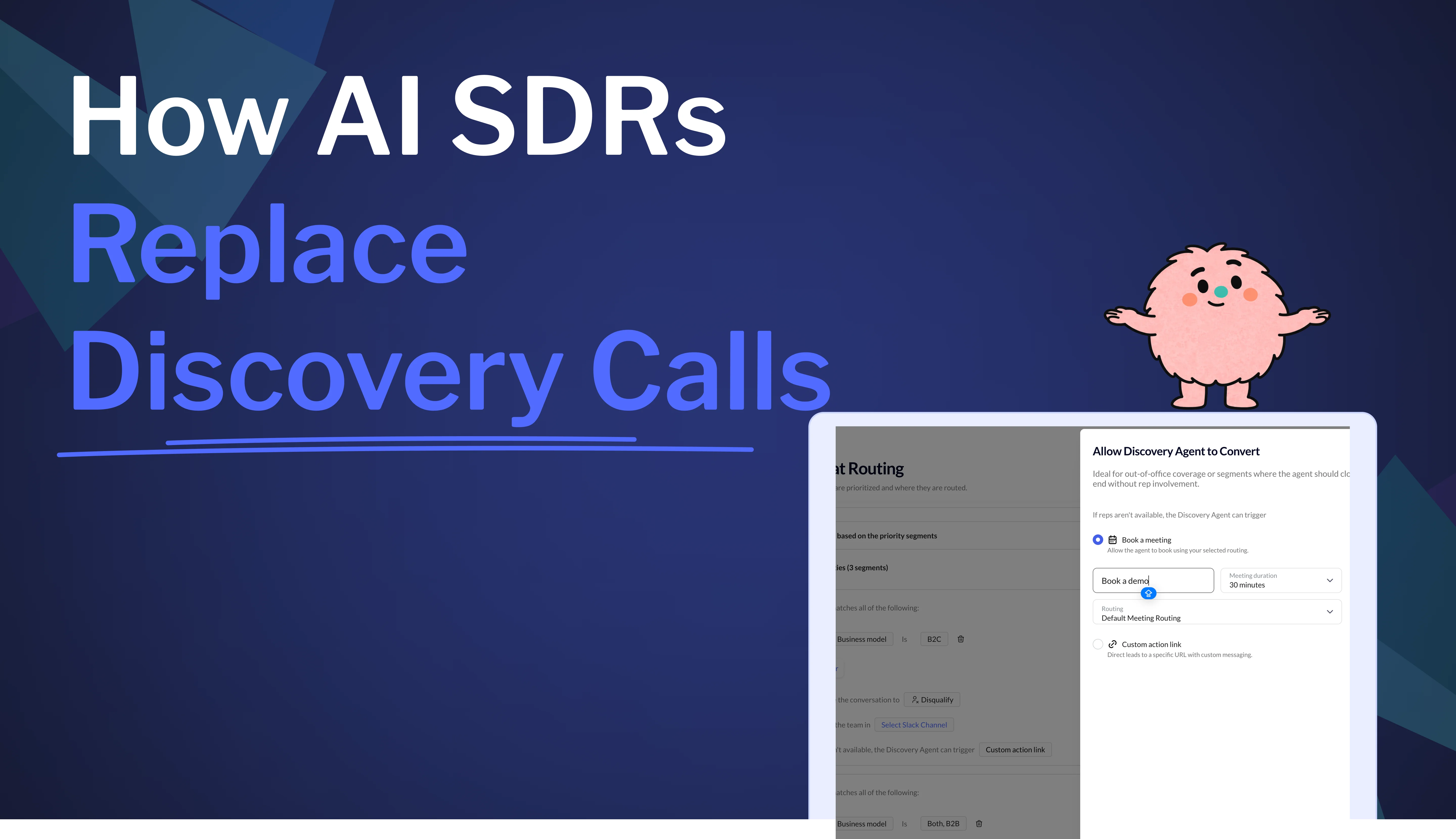
Routing Rules are where enriched data turns into action. Once Knock AI identifies the lead and enriches the record, your team can use that data to route the lead to the right rep, assign by segment, apply round-robin logic, or disqualify non-relevant leads immediately.
That matters because the goal is not to send every lead into the same workflow. The goal is to make sure the right leads get human attention and the wrong leads are filtered out early. With enriched context such as role, seniority, company size, industry, and buying intent, Knock AI helps your organization qualify and disqualify leads with much better accuracy from the start.
Segment order matters, so you can prioritize the highest-value cases first and build workflows that reflect how your team actually wants to operate.
Limitations and requirements
Auto identification depends on the quality of the engagement signal and whether Knock AI can resolve the identity from the interaction. Not every interaction will carry the same amount of context at the same moment, and some sessions may stay anonymous until Knock has enough signals to identify the lead.
This is also where the power of Knock AI becomes important. Even if the identity is not revealed during the first interaction or in a specific session, Knock continues collecting signals across touchpoints, sessions, devices, and channels. Once Knock has enough signals to reveal the lead identity, it updates the lead record backward as well, connecting prior activity to that same person.
This means your team does not just see the moment of identification. You get the full story, including earlier context, intent, and engagement that happened before the identity was known.
How is Knock AI different from traditional enrichment tools?
Traditional enrichment tools like Zoom info and Clearbit, usually enrich existing contact or company records from a database. They are useful for improving CRM data and identifying some website traffic, often at the company level.
Knock AI works differently. It identifies and enriches buyers from live first-party engagement across touchpoints, then uses that data immediately for qualification, routing, segmentation, disqualification, outreach workflows, scheduling, and CRM sync.
Knock AI is not limited to IP-based website de-anonymization. It can use multiple signals across sessions, devices, channels, and touchpoints, including your website, Knock Links, QR codes, events, content, G2, and other first-party assets.
The enrichment is also designed for live workflows, not just record updates. In addition to company and contact data, Knock AI can add deeper context such as buying intent, on-site and off-site signals, tech stack, headcount by department, funding history, and other data used to qualify and route the lead correctly.
This makes Knock AI more relevant for how B2B buyers behave today. In the zero-click and agentic era, many high-intent leads stay anonymous for part of the journey, engage outside the website, and need to be identified and enriched in real time so AI and reps can act on them correctly.
Is Knock AI only an IP de-anonymization tool?
No. Knock AI can use website traffic signals, but it is not limited to IP-based de-anonymization.
Traditional website visitor identification often focuses on identifying the company behind a visit. Knock AI goes further by using multiple first-party signals across sessions, devices, channels, and touchpoints to build and update the lead identity over time.
That makes the model more useful for modern B2B teams that need to understand not only which company visited, but also who the buyer is, what they engaged with, and how they should be handled next.
Why is this more relevant in the zero-click and agentic era?
In the zero-click era, many high-intent buyers stay anonymous for part of the journey and may never convert through a traditional website form. They can engage through content, communities, review sites, events, campaign assets, and other first-party touchpoints before they ever raise their hand directly.
In the agentic era, that creates a new requirement. AI systems and workflow automation depend on accurate identity, strong buyer context, and real-time enrichment. Data quality is not just a reporting issue anymore. It affects qualification, routing, outreach, CRM sync, and every workflow that follows.
Knock AI is built for that model. It helps companies move to a formless funnel by identifying and enriching leads wherever they engage, then using that data immediately across the revenue workflow.
FAQ
What is B2B website visitor identification?
B2B website visitor identification is the process of recognizing the company or person behind an anonymous visit or engagement. It helps revenue teams understand which buyers and accounts are showing interest before a form is submitted.
What is B2B de-anonymization?
B2B de-anonymization is the process of turning anonymous engagement into an identified buyer or account. It uses available signals across touchpoints to connect unknown activity to a real lead.
What is lead enrichment?
Lead enrichment is the process of adding useful company and contact data to a lead record. This can include role, seniority, company size, industry, buying intent, tech stack, funding history, and other data used for qualification and routing.
What is the difference between de-anonymization and enrichment?
De-anonymization is the step where an anonymous lead becomes identified. Enrichment is the step where useful company, contact, and intent data is added to that lead. Most modern B2B workflows need both.
Can you identify a B2B lead before a form fill?
Yes. A lead can sometimes be identified before filling out a form if enough first-party signals are available across touchpoints. This helps teams act earlier, while buyer intent is still high.
What is first-party intent data?
First-party intent data is engagement data collected from assets your company owns or controls. This can include website visits, Knock Links, QR scans, campaign pages, product content, G2 activity, and other direct buyer interactions.
Why does data quality matter in agentic workflows?
In agentic workflows, AI systems use lead data to qualify, route, segment, disqualify, and trigger actions. If the identity is weak or the enrichment is incomplete, every downstream workflow becomes less accurate.
How is Knock AI different from traditional enrichment tools?
Traditional enrichment tools usually improve existing CRM records or identify company traffic from website visits. Knock AI works differently by identifying and enriching buyers from live first-party engagement across touchpoints, then using that data immediately for qualification, routing, segmentation, disqualification, outreach workflows, scheduling, and CRM sync.
Does Knock AI only use IP-based de-anonymization?
No. Knock AI is not limited to IP-based identification. It can use multiple first-party signals across sessions, devices, channels, and touchpoints to resolve the lead identity over time.
What data can Knock AI enrich?
Knock AI can enrich contact and company data such as role, seniority, buying intent, company size, and industry. It can also add deeper context such as tech stack, headcount by department, funding history, and on-site or off-site intent signals.
How does Knock AI use enriched data after identification?
Knock AI uses enriched data across Routing Rules, qualification workflows, Slack notifications, the Accounts table, the Contacts table, Segments, LinkedIn outreach workflows, scheduling, and CRM sync. This helps teams decide how to route, prioritize, nurture, or disqualify each lead.
Why is this important in the zero-click era?
In the zero-click era, many high-intent leads stay anonymous for part of the journey and may engage across multiple touchpoints before ever filling out a form. The ability to identify, enrich, and act on those leads in real time is critical for modern B2B revenue teams.


.svg)


.svg)
.svg)
.svg)


.svg)
.svg)


.svg)
.svg)


