ConvertFlow Alternatives: 10 Best Tools for Pipeline Growth
10 Best ConvertFlow Alternatives for Lead Capture, Personalization & Buyer Activation (2026)
ConvertFlow has become a popular choice for forms, popups, landing pages, and website personalization. However, many companies eventually begin exploring ConvertFlow alternatives because generating more conversions doesn't always translate into generating more revenue.
Common challenges include anonymous website visitors who never identify themselves, inconsistent lead quality, manual qualification processes that slow down follow-up, CRM records that lack critical buyer context, and conversion-focused campaigns that fail to create meaningful pipeline. While tools like ConvertFlow can help capture more leads, revenue teams often discover that lead capture is only one part of the buyer journey.
The reality is that increasing conversion rates alone does not guarantee business growth. A landing page may generate more form submissions, but if sales teams cannot identify high-intent buyers, prioritize opportunities, enrich records, or engage prospects quickly, valuable demand can still be lost.
As a result, modern revenue teams are expanding their focus beyond forms and website personalization. They increasingly invest in buyer identification, enrichment, qualification, routing, and activation technologies that help convert website traffic into qualified pipeline.
In this guide, we'll compare the best ConvertFlow alternatives in 2026, evaluating each platform based on its ability to capture leads, identify buyers, improve qualification, streamline follow-up, and ultimately generate more revenue from existing website traffic.
TL;DR: Best ConvertFlow Alternatives
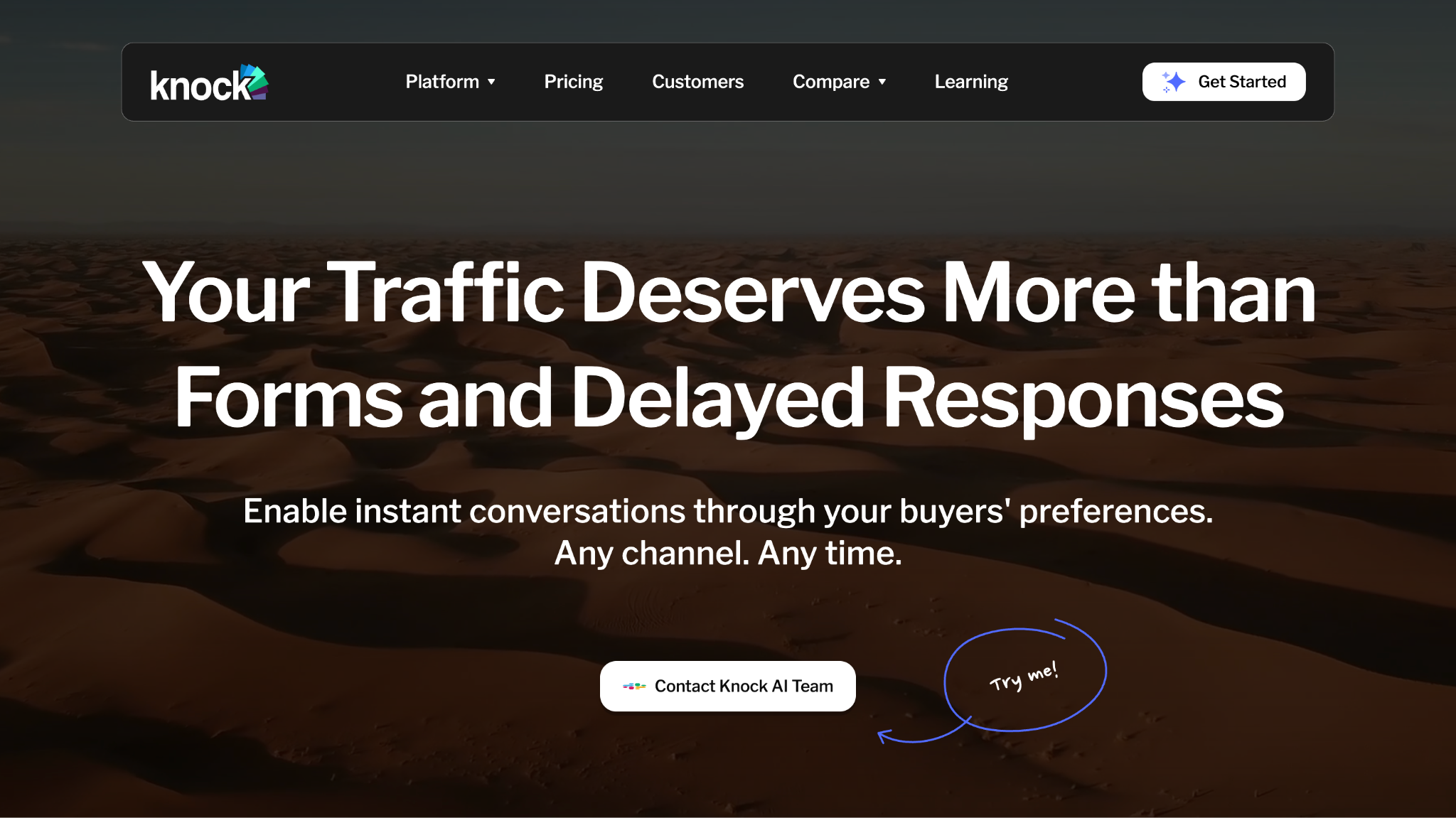
Best Overall for Buyer Activation:Knock AI A buyer activation platform that helps revenue teams identify anonymous visitors, enrich records, qualify opportunities, and convert website traffic into pipeline.
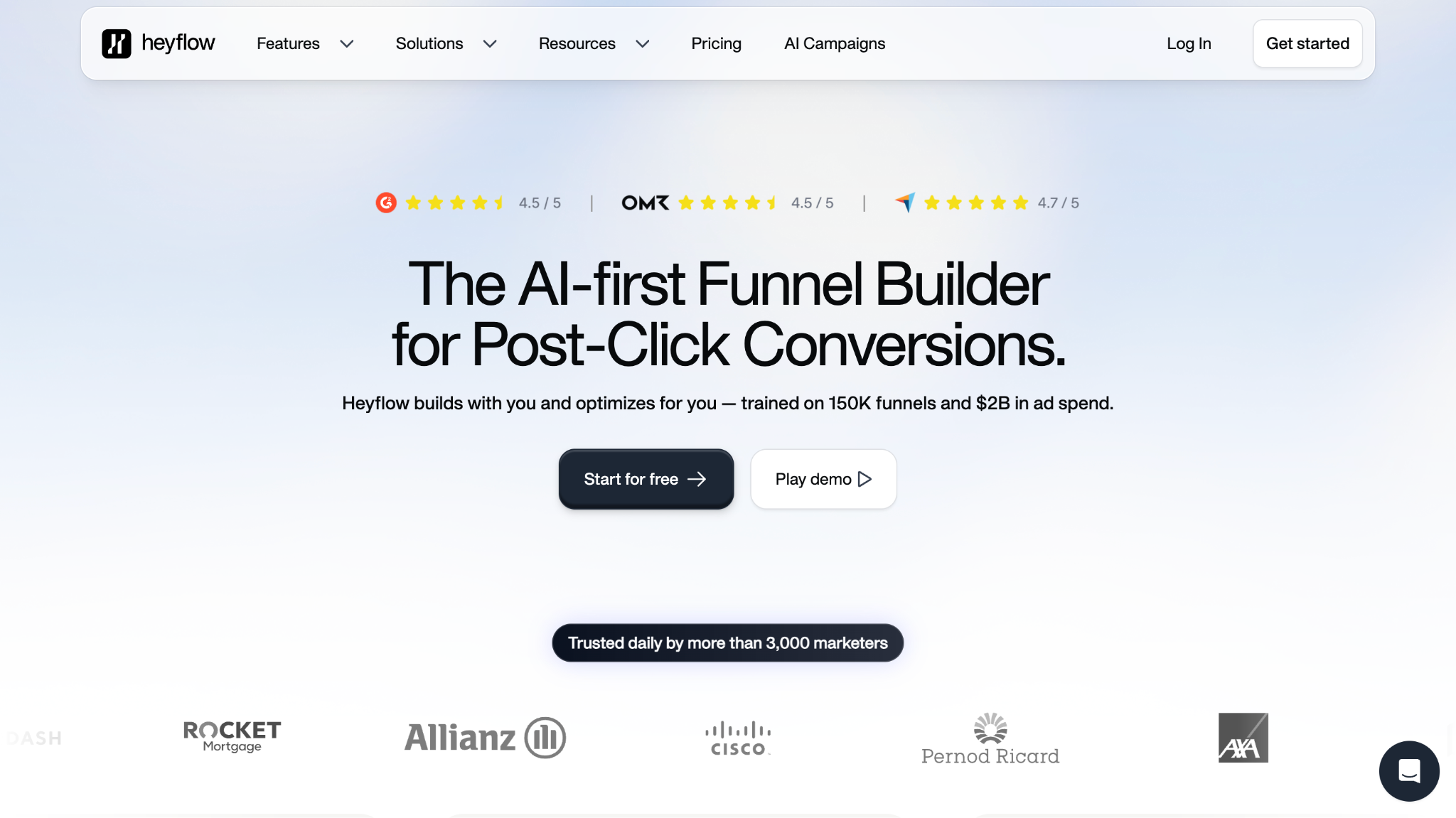
Best for Interactive Funnels: Heyflow Ideal for businesses building conversion-focused funnels with multi-step experiences and interactive user journeys.
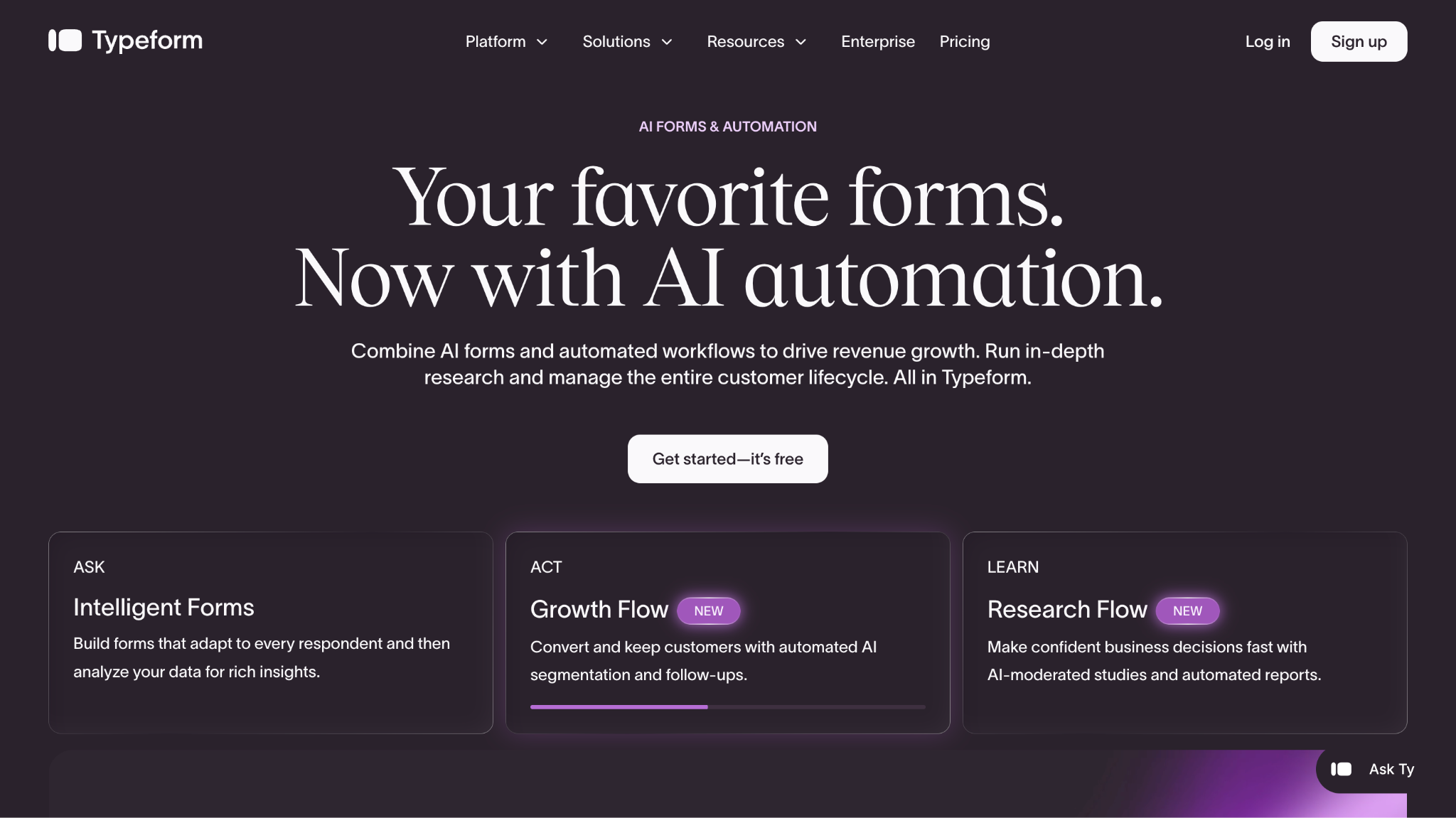
Best for Conversational Forms:Typeform Known for its intuitive, one-question-at-a-time form experience that helps improve engagement and completion rates.
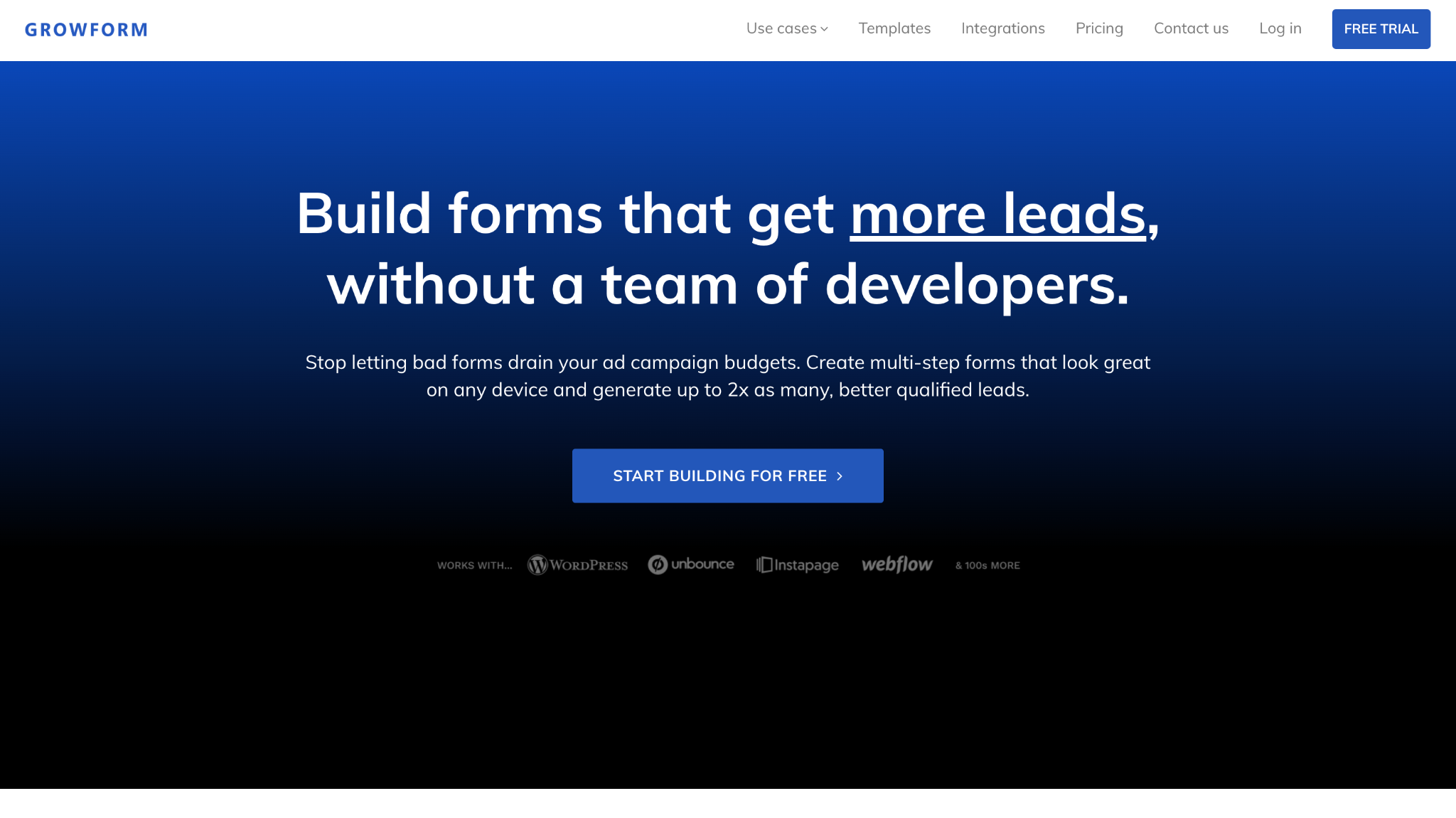
Best for Multi-Step Lead Qualification: Growform Designed for marketers who want to qualify leads through detailed multi-step forms without overwhelming visitors.
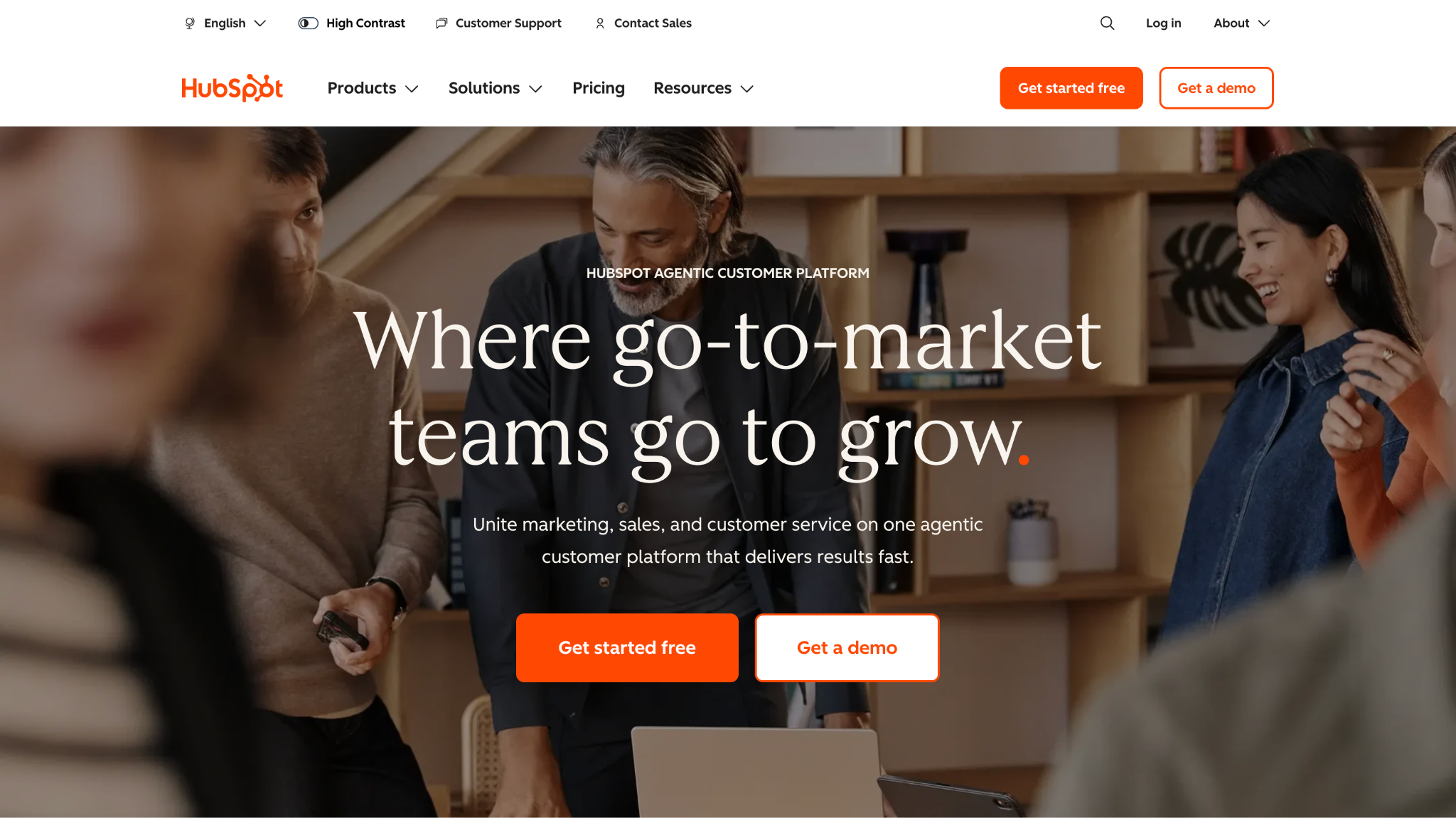
Best for Marketing Automation:HubSpot Combines forms, CRM, email marketing, automation, and reporting in a unified platform for growing marketing teams.
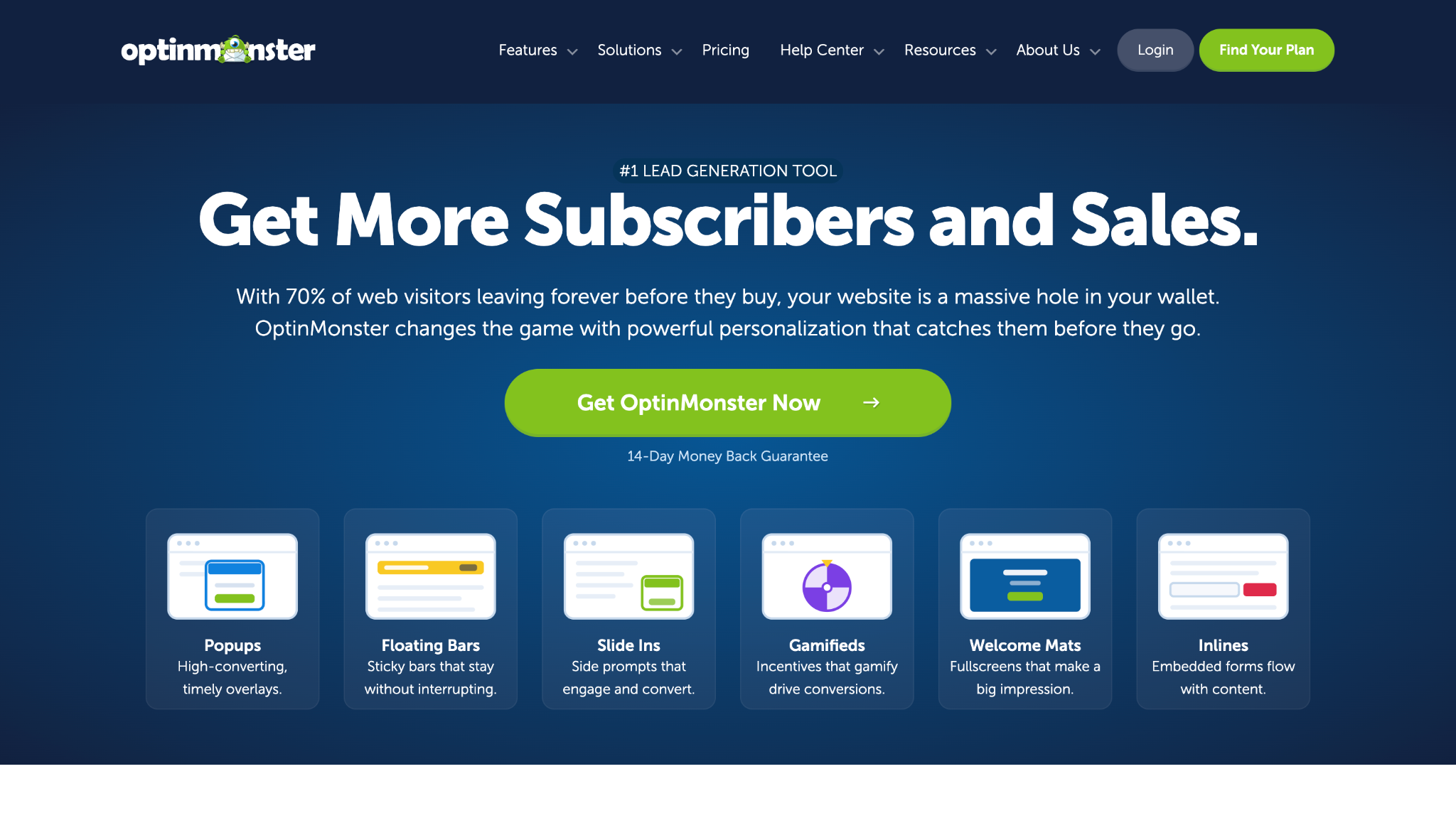
Best for Website Personalization: OptinMonster A popular choice for popups, onsite campaigns, behavioral targeting, and conversion optimization.
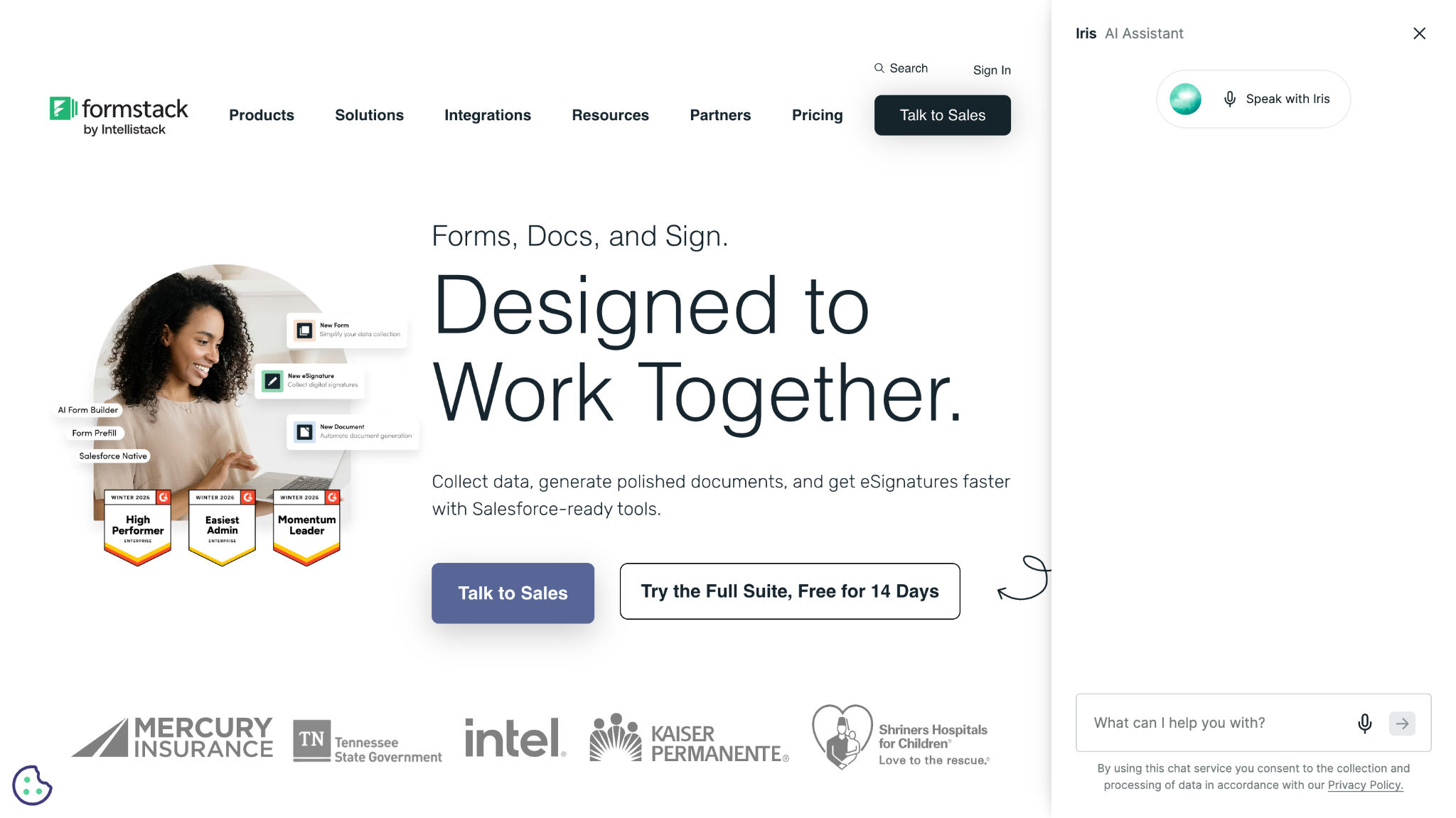
Best for Enterprise Forms: Formstack Offers advanced security, compliance, workflow automation, and governance capabilities for larger organizations.
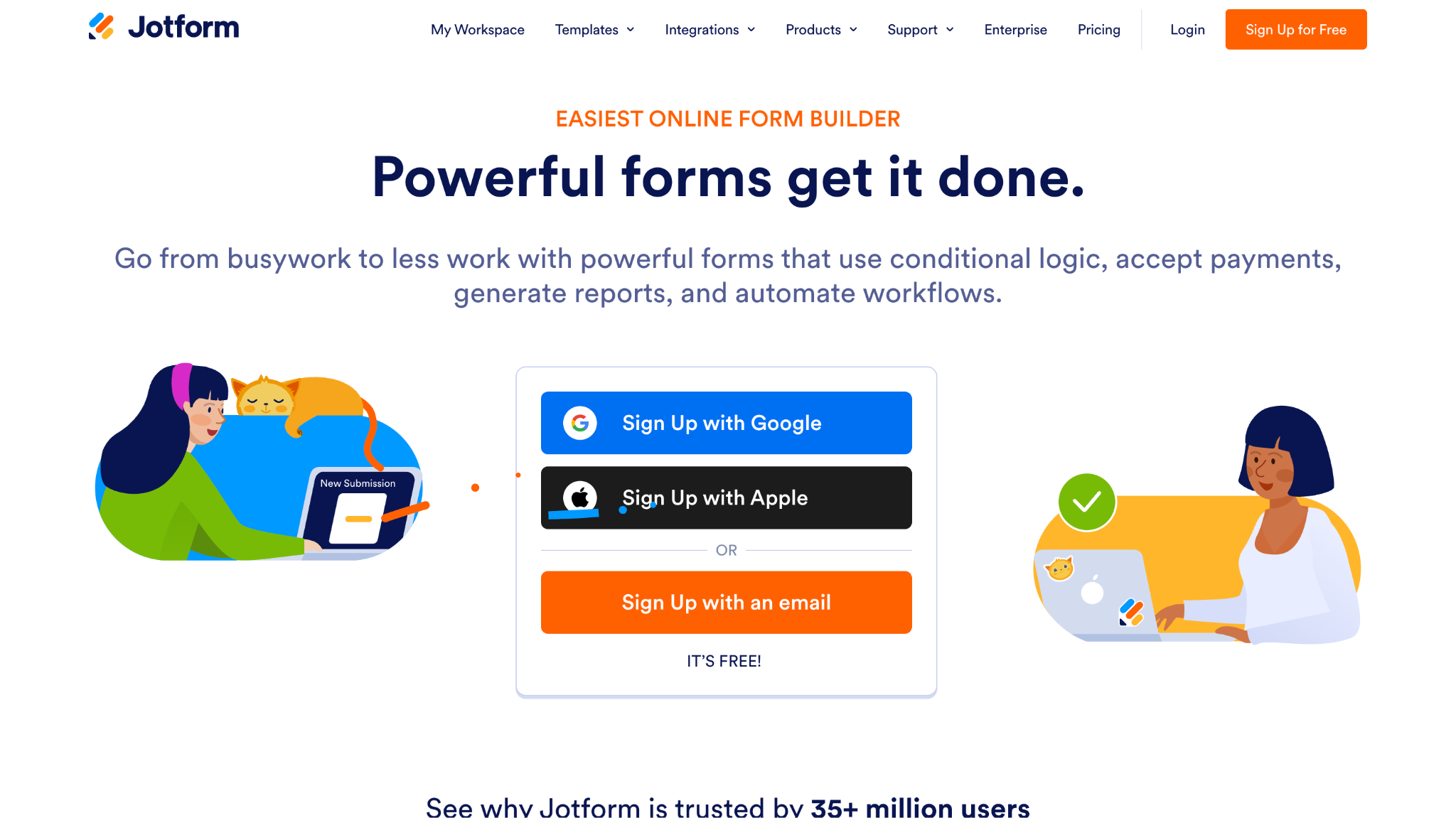
Best for Flexible Form Building: Jotform Provides extensive templates, integrations, and customization options for businesses that need versatile online forms.
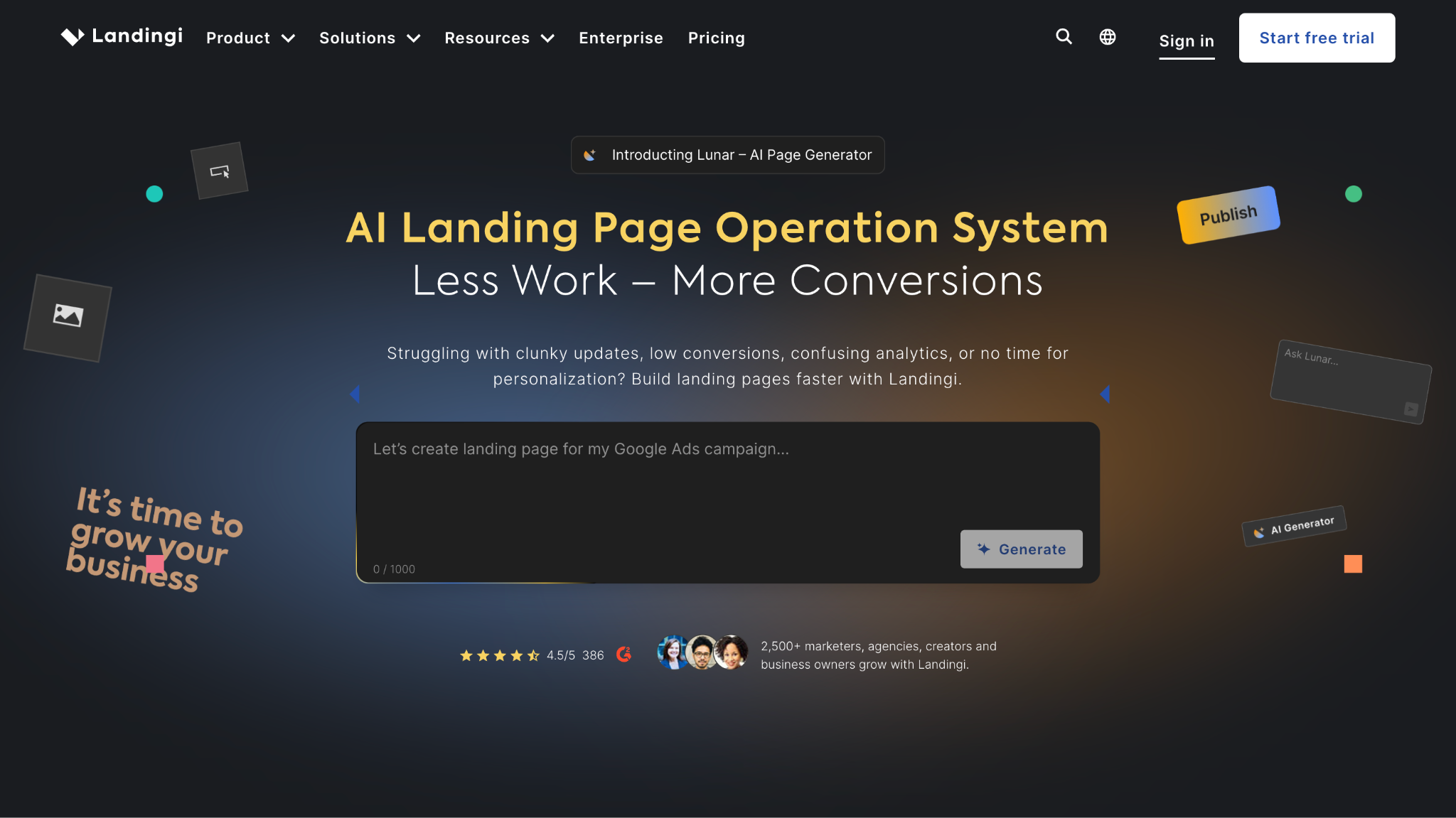
Best for Conversion-Focused Landing Pages: Landingi Built for marketers looking to create and optimize landing pages without relying on developers.
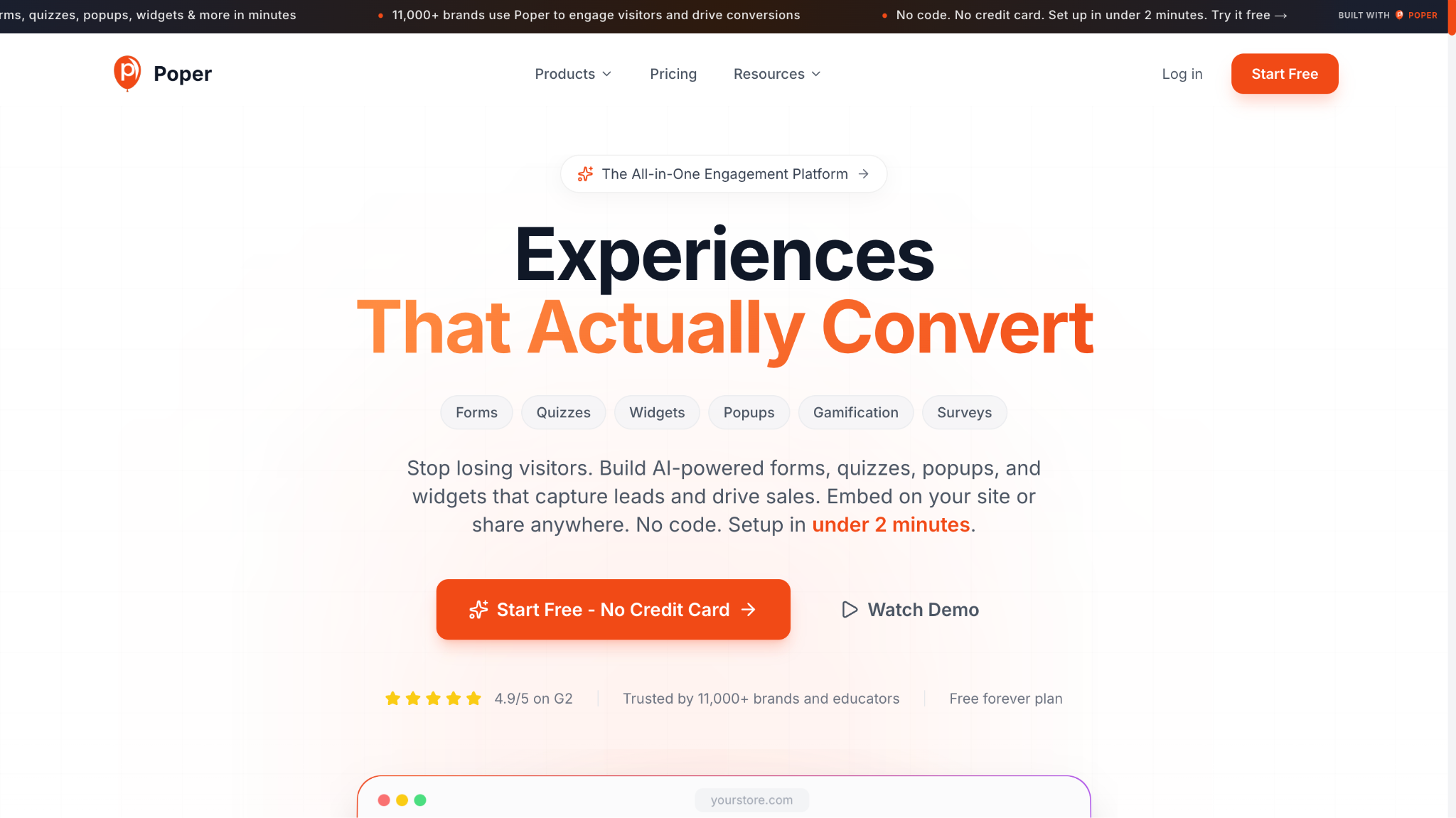
Best Budget Option: Poper A lightweight and affordable solution for popups, lead capture, and conversion campaigns.
Most ConvertFlow alternatives focus on helping businesses capture more leads through forms, popups, personalization, and landing pages. While these tools can improve conversion rates, they often stop at lead generation.
Knock AI takes a different approach. Instead of focusing solely on capturing leads, it helps revenue teams identify buyers, enrich records, qualify opportunities, engage prospects through inbound AI SDR workflows, and activate demand across the entire buying journey. For organizations focused on generating a more qualified pipeline rather than simply increasing form submissions, it offers a broader solution that extends beyond traditional conversion optimization.
Why Teams Look for ConvertFlow Alternatives
ConvertFlow is widely used for forms, popups, landing pages, and website personalization. However, many organizations eventually begin exploring alternatives because increasing conversions doesn't always result in more qualified opportunities or revenue.
As revenue teams become more focused on pipeline generation, they often discover that lead capture is only one piece of the buyer journey. Identifying who buyers are, understanding their intent, qualifying opportunities quickly, and activating demand have become equally important.
More Conversions Don't Always Mean More Revenue
Many businesses focus heavily on conversion rates. While increasing conversions can improve top-of-funnel performance, it doesn't necessarily improve pipeline generation or revenue outcomes.
For example, a campaign that generates 500 leads may appear successful. But if only a small percentage of those leads fit the ideal customer profile or are actively evaluating solutions, the business may still struggle to create pipeline.
Revenue teams increasingly prioritize conversion quality over conversion volume.
Anonymous Visitors Remain Invisible
Most website visitors never complete a form.
They browse product pages, pricing pages, documentation, case studies, and blog content before leaving. Traditional conversion tools can only engage visitors who identify themselves.
As a result, companies often lose visibility into a significant portion of buying activity occurring on their website.
Modern go-to-market teams increasingly invest in buyer identification and identity resolution technologies that help uncover who is engaging before a form submission occurs.
Forms Capture Data, Not Buyer Intent
Forms typically collect information such as:
Name
Email address
Company name
Job title
While useful, this information provides limited insight into actual buying intent.
It doesn't reveal:
Whether the visitor fits the ideal customer profile
Buying stage
Product interest
Stakeholder influence
Likelihood to convert
Revenue teams need deeper context to prioritize opportunities effectively.
Manual Qualification Creates Bottlenecks
Many organizations still rely on manual lead review processes.
Marketing teams collect leads, operations teams enrich records, and sales teams determine whether opportunities deserve follow-up.
This process introduces delays and creates inconsistencies in qualification standards.
When high-intent buyers wait hours or days for engagement, conversion rates often suffer.
Revenue Teams Need Better Buyer Intelligence
Modern go-to-market organizations need more than contact information.
They need intelligence around:
Company fit
Buying signals
Engagement behavior
Intent indicators
Account context
The more context available, the easier it becomes to prioritize opportunities, personalize outreach, and accelerate sales cycles.
Pipeline Matters More Than Conversion Rate
A high conversion rate is valuable only if it contributes to pipeline and revenue.
The best-performing revenue teams increasingly optimize for:
Qualified pipeline generated
Opportunity creation
Revenue influenced
Speed-to-lead
Buyer engagement
rather than focusing exclusively on form submissions or conversion percentages.
"More leads do not automatically create more pipeline. Buyer activation does."
What to Look for in a ConvertFlow Alternative
Not every ConvertFlow alternative solves the same problem. Some focus on forms and landing pages, while others emphasize personalization, qualification, automation, or revenue generation.
When evaluating alternatives, consider the following capabilities.
Forms & Lead Capture
Forms remain one of the most common ways to collect buyer information.
Look for platforms that make it easy to create high-converting forms while minimizing friction for visitors.
Website Personalization
Personalized experiences can improve engagement and conversion rates.
Many platforms offer dynamic content, audience targeting, and customized experiences based on visitor attributes and behavior.
Popups & CTAs
Popups, slide-ins, banners, and calls-to-action remain effective tools for capturing demand and encouraging engagement throughout the buyer journey.
The best solutions allow precise targeting and contextual delivery.
Progressive Profiling
Asking for too much information upfront can hurt conversion rates.
Progressive profiling allows businesses to gradually collect additional information over time, improving data quality while maintaining a positive user experience.
Buyer Identification
Most conversion tools begin working after a visitor submits a form.
Buyer identification helps organizations understand which companies and buyers are engaging before they become known leads.
This capability can significantly expand visibility into website demand.
Identity Resolution
Buyers often interact across multiple sessions, devices, and channels.
Identity resolution helps connect these interactions into a unified buyer profile, providing a more complete understanding of engagement and intent.
Form Enrichment
Long forms often reduce conversion rates.
Form enrichment allows businesses to capture fewer fields while automatically supplementing records with company and contact intelligence.
This improves both user experience and data quality.
CRM Integration
Conversion data becomes far more valuable when connected to CRM systems.
Strong CRM integrations help ensure sales and marketing teams work from complete, accurate, and up-to-date records.
AI Qualification
Not every lead deserves the same level of attention.
AI qualification helps automatically prioritize buyers based on fit, intent, engagement patterns, and conversion likelihood.
This enables faster decision-making and more efficient resource allocation.
Meeting Booking
Reducing friction between conversion and conversation can significantly improve outcomes.
Built-in meeting scheduling capabilities help qualified buyers connect with the right sales representative immediately.
Buyer Activation
Lead capture generates opportunities.
Buyer activation helps convert those opportunities into pipeline.
This includes identification, enrichment, qualification, routing, engagement, and follow-up workflows that move buyers toward meaningful sales conversations.
Analytics & Attribution
The best platforms provide visibility into what drives conversions, opportunities, and revenue.
Robust analytics and attribution capabilities help teams optimize campaigns, understand buyer behavior, and measure business impact more effectively.
Best ConvertFlow Alternatives at a Glance
Platform
Best For
Lead Capture
Personalization
Buyer Identification
Form Enrichment
AI Qualification
Meeting Booking
CRM Integration
Buyer Activation
Starting Price
Knock AI
Buyer Activation & Pipeline Generation
✅
Limited
✅ Person & Company Level
✅ Advanced
✅ Advanced
✅
✅
✅ Advanced
Custom
Heyflow
Interactive Funnels
✅
Limited
❌
❌
❌
Limited
Limited
❌
From ~$89/mo
Typeform
Conversational Forms
✅
Limited
❌
❌
❌
Limited
Limited
❌
From ~$29/mo
Growform
Multi-Step Lead Qualification
✅
❌
❌
❌
❌
❌
Limited
❌
From ~$59/mo
HubSpot
Marketing Automation
✅
✅
Limited
Limited
Limited
Limited
✅ Native
❌
From ~$20/mo
OptinMonster
Website Personalization
Limited
✅ Advanced
❌
❌
❌
❌
Limited
❌
From ~$9/mo
Formstack
Enterprise Forms
✅
Limited
❌
❌
❌
❌
✅
❌
From ~$83/mo
Jotform
Flexible Form Building
✅
❌
❌
❌
❌
Limited
✅
❌
From ~$39/mo
Landingi
Conversion-Focused Landing Pages
✅
Limited
❌
❌
❌
❌
Limited
❌
From ~$29/mo
Poper
Budget-Friendly Lead Capture
Limited
✅
❌
❌
❌
❌
Limited
❌
Free / Paid Plans
See Knock AI in Action — Book Your Live Demo Today
1. Knock AI: Best for Buyer Activation & Pipeline Generation
Most ConvertFlow alternatives focus on improving website conversions through forms, popups, personalization, and landing pages. Knock AI takes a fundamentally different approach.
Rather than focusing solely on capturing leads, Knock AI helps revenue teams identify, enrich, qualify, and activate buyers throughout the entire buying journey. The platform combines identity resolution, buyer identification, form enrichment, CRM enrichment, AI qualification, inbound AI SDR capabilities, meeting booking, and buyer activation into a unified revenue engine.
This enables organizations to generate more qualified pipeline from existing website traffic without relying exclusively on additional forms, popups, or conversion campaigns.
For revenue teams, the challenge is rarely generating more leads. The challenge is understanding who buyers are, determining which opportunities deserve attention, and engaging them before momentum is lost. Knock AI was built to solve that problem.
Why Revenue Teams Choose Knock AI
Identity Resolution
Buyers rarely engage through a single session or device.
Knock AI helps connect fragmented buyer interactions across channels, creating a more complete picture of engagement and intent. Instead of treating every visit as an isolated event, revenue teams gain visibility into the full buyer journey.
Buyer Identification
Most website visitors never complete a form.
Knock AI helps organizations identify both companies and contacts engaging with their website, allowing teams to understand who is showing buying intent before a conversion event occurs.
This visibility helps uncover demand that would otherwise remain anonymous.
Form Enrichment
Long forms often reduce conversion rates.
Knock AI automatically enriches form submissions with company and contact intelligence, enabling businesses to capture fewer fields while improving data quality.
The result is a better buyer experience and richer lead records.
CRM Enrichment
Incomplete CRM records create inefficiencies across marketing, sales, and RevOps teams.
Knock AI continuously enriches CRM data with valuable company and contact insights, helping teams maintain cleaner records and better segmentation.
AI Qualification
Not every lead deserves immediate attention.
Knock AI uses AI-powered qualification to evaluate buyer fit, firmographic attributes, engagement signals, and intent indicators automatically.
This helps revenue teams prioritize high-value opportunities while reducing manual lead review.
Inbound AI SDR
Speed matters.
When buyers demonstrate interest, delays in follow-up can significantly impact conversion rates.
Knock AI's Inbound AI SDR engages buyers instantly, helping maintain momentum during critical buying moments and ensuring opportunities receive timely attention.
Meeting Booking
Manual handoffs create friction.
Knock AI automatically routes qualified buyers to the appropriate representative based on territory, ownership, account fit, or custom routing rules.
Qualified prospects can schedule meetings immediately, reducing time-to-conversation and accelerating pipeline creation.
Instead of measuring success by form submissions alone, teams can focus on revenue outcomes.
Buyer Re-Engagement
Many buyers do not convert during their first visit.
Knock AI helps organizations identify and re-engage high-intent prospects who leave without taking action, creating additional opportunities to generate pipeline from existing demand.
Memory & Momentum Capture
Buying journeys are rarely linear.
Knock AI preserves buyer context across conversations, touchpoints, and interactions so teams can maintain continuity and avoid losing valuable momentum throughout the sales process.
Strengths
Company-level and contact-level buyer identification
Advanced identity resolution capabilities
Form enrichment that improves data quality while reducing friction
CRM enrichment and buyer intelligence
AI-powered lead qualification
Inbound AI SDR workflows
Automated meeting booking and routing
Buyer activation and re-engagement capabilities
Memory & Momentum Capture across buyer journeys
Strong fit for B2B revenue teams focused on pipeline generation
Limitations
Not a traditional form builder like Typeform or Jotform
Does not focus on popup creation or website personalization campaigns
Organizations seeking only simple lead capture may not require its full capabilities
Delivers the most value when marketing, sales, and RevOps teams operate together
Businesses that want to convert more website traffic into qualified opportunities
Pricing
Knock AI offers custom pricing based on business requirements, buyer volume, and activation workflows.
Plan
Starting Price
Best For
Starter
$1,000/month
Early-stage teams looking to identify and activate buyers
Growth
Custom
Growing revenue organizations requiring advanced qualification and activation workflows
Enterprise
Custom
High-volume GTM teams needing enterprise-scale buyer activation, enrichment, routing, and AI SDR capabilities
If your primary goal is building forms, popups, or website personalization campaigns, platforms like Typeform, Heyflow, or OptinMonster may be sufficient.
If your goal is generating more qualified pipeline from existing website traffic, Knock AI offers a broader solution that extends beyond lead capture. By combining buyer identification, enrichment, AI qualification, inbound AI SDR workflows, and buyer activation, it helps revenue teams convert more demand into revenue.
2. Heyflow: Best for Interactive Funnels
Heyflow is a no-code funnel builder designed to help businesses create interactive, multi-step experiences that improve conversion rates. Unlike traditional forms, Heyflow guides visitors through personalized journeys using conditional logic, branching paths, quizzes, and progressive data collection.
The platform is particularly popular among growth marketers and demand generation teams looking to increase lead quality while reducing form abandonment.
Strengths
Interactive multi-step funnels
Conditional logic and branching
Strong conversion-focused design
Landing page and funnel creation
Integrates with popular CRM and marketing tools
No-code builder
Limitations
Limited buyer identification capabilities
No native identity resolution
No AI qualification workflows
No buyer activation functionality
Primarily focused on lead capture rather than pipeline generation
Best For
Marketing teams, demand generation teams, agencies, and businesses focused on increasing conversion rates through interactive experiences.
Pricing
Starter: From ~$89/month
Growth and Enterprise plans available
3. Typeform: Best for Conversational Forms
Typeform is one of the most recognized form builders in the market. Its conversational, one-question-at-a-time format helps create a more engaging user experience compared to traditional forms.
The platform is commonly used for lead generation, surveys, registrations, onboarding workflows, and customer feedback collection.
Strengths
Excellent user experience
Conversational form design
Strong customization capabilities
Large template library
Integrates with major CRM and marketing platforms
Easy to use
Limitations
Limited enrichment capabilities
No buyer identification
No identity resolution
No AI qualification
Limited meeting booking functionality
Focuses on collecting information rather than generating pipeline
Best For
Businesses prioritizing user experience, engagement, surveys, and conversational lead capture.
Pricing
Free plan available
Paid plans start around $29/month
Business plans available at higher tiers
4. Growform: Best for Multi-Step Lead Qualification
Growform specializes in multi-step forms designed to increase completion rates while capturing richer lead data. By breaking forms into smaller stages, the platform helps reduce friction and improve lead qualification without overwhelming visitors.
It is particularly popular among agencies, SaaS companies, and businesses running paid acquisition campaigns.
Strengths
High-converting multi-step forms
Strong lead qualification workflows
Simple drag-and-drop builder
Conditional logic support
CRM and marketing integrations
Optimized for lead generation
Limitations
Limited website personalization
No buyer identification
No CRM enrichment
No AI qualification
No buyer activation capabilities
Best For
Companies focused on improving lead quality and conversion rates through multi-step qualification forms.
Pricing
Plans start around $59/month
Higher-tier plans available for larger teams
5. HubSpot: Best for Marketing Automation
HubSpot combines forms, CRM, email marketing, automation, and reporting into a single platform. Organizations already using HubSpot often choose it because of its tight CRM integration and centralized view of marketing and sales activity.
Its form capabilities are only one component of a much broader marketing automation ecosystem.
Strengths
Native CRM integration
Marketing automation workflows
Progressive profiling
Lead scoring capabilities
Extensive reporting and analytics
Strong ecosystem of integrations
Limitations
Advanced features require higher-tier plans
Limited buyer identification capabilities
Limited enrichment functionality
AI qualification capabilities remain relatively basic
Costs can increase significantly as usage grows
Best For
Organizations seeking an all-in-one CRM and marketing automation platform.
Pricing
Free tools available
Marketing Hub plans start around $20/month
Professional and Enterprise plans significantly higher
6. OptinMonster: Best for Website Personalization
OptinMonster is a conversion optimization platform focused on popups, onsite campaigns, behavioral targeting, and website personalization. It helps businesses engage visitors through targeted messaging and conversion campaigns.
The platform is commonly used to increase email signups, lead generation, and website engagement.
Strengths
Advanced popup capabilities
Exit-intent technology
Behavioral targeting
Website personalization
A/B testing
Easy implementation
Limitations
No buyer identification
No CRM enrichment
No AI qualification
No buyer activation capabilities
Primarily focused on top-of-funnel conversions
Best For
Businesses focused on conversion optimization, email capture, and website personalization.
Pricing
Plans start around $9/month
Higher-tier plans available with advanced targeting features
7. Formstack: Best for Enterprise Forms
Formstack is an enterprise-focused form builder known for security, compliance, workflow automation, and governance capabilities. It is frequently used in healthcare, education, government, and financial services environments.
The platform emphasizes secure data collection and business process automation.
Strengths
Enterprise-grade security
HIPAA compliance support
Workflow automation
Electronic signatures
Advanced permissions and governance
Strong integration ecosystem
Limitations
Expensive compared to many alternatives
Less focused on conversion optimization
No buyer identification
No AI qualification
No buyer activation workflows
Best For
Large organizations requiring secure, compliant, and highly governed form workflows.
Pricing
Plans start around $83/month
Enterprise pricing available
8. Jotform: Best for Flexible Form Building
Jotform is one of the most versatile form builders available. It offers thousands of templates, extensive integrations, payment collection capabilities, and flexible customization options.
Its broad feature set makes it a popular choice for businesses of all sizes.
Strengths
Easy drag-and-drop builder
Large template library
Extensive integrations
Payment collection support
Mobile-friendly forms
Strong customization options
Limitations
No buyer identification
No AI qualification
No CRM enrichment
Limited lead routing capabilities
Primarily focused on form creation
Best For
Organizations seeking flexible and easy-to-build forms with broad integration support.
Pricing
Free plan available
Paid plans start around $39/month
9. Landingi: Best for Conversion-Focused Landing Pages
Landingi is a landing page builder designed to help marketers create, test, and optimize landing pages without requiring developers. The platform includes templates, A/B testing capabilities, and conversion optimization features.
It is often used by demand generation and performance marketing teams.
Strengths
Landing page builder
Conversion-focused templates
A/B testing capabilities
No-code editing
Marketing integrations
Fast deployment
Limitations
Limited buyer intelligence
No buyer identification
No AI qualification
No buyer activation workflows
Primarily focused on page-level optimization
Best For
Marketing teams focused on improving landing page performance and conversion rates.
Pricing
Plans start around $29/month
Higher-tier plans available
10. Poper: Best Budget-Friendly ConvertFlow Alternative
Poper is a lightweight lead capture and website engagement platform focused on popups, banners, forms, and conversion campaigns. It offers an affordable option for businesses seeking basic personalization and lead generation capabilities.
For smaller organizations, it provides many core conversion features without the cost of larger platforms.
Strengths
Affordable pricing
Popup and banner creation
Lead capture tools
Easy implementation
Website engagement campaigns
Suitable for smaller teams
Limitations
Limited advanced personalization
No buyer identification
No CRM enrichment
No AI qualification
No buyer activation functionality
Best For
Small businesses, startups, and organizations seeking affordable lead capture and conversion tools.
Pricing
Free plan available
Paid plans available with additional features
ConvertFlow vs Knock AI
At first glance, ConvertFlow and Knock AI may appear to solve similar problems because both help businesses improve website conversion performance. However, they approach the problem from very different angles.
ConvertFlow focuses on forms, popups, landing pages, and website personalization to help businesses generate more leads. Knock AI focuses on identifying buyers, enriching records, qualifying opportunities, and activating demand to generate more pipeline.
In other words, ConvertFlow helps increase conversions. Knock AI helps maximize the revenue generated from those conversions.
Comparison Table
Capability
ConvertFlow
Knock AI
Forms
✅
Limited
Popups
✅
❌
Website Personalization
✅
Limited
Lead Capture
✅
✅
Progressive Profiling
Limited
✅
Buyer Identification
❌
✅
Identity Resolution
❌
✅
Form Enrichment
❌
✅
CRM Enrichment
❌
✅
AI Qualification
❌
✅
Meeting Booking
Limited
✅
Buyer Activation
❌
✅
Inbound AI SDR
❌
✅
Buyer Re-Engagement
❌
✅
Memory & Momentum Capture
❌
✅
Key Takeaway
ConvertFlow is designed to improve website conversion rates through personalization and lead capture experiences.
Knock AI is designed to help revenue teams understand who buyers are, determine which opportunities matter most, engage prospects quickly, and generate more qualified pipeline from existing demand.
For organizations focused on revenue outcomes rather than conversion metrics alone, the distinction becomes increasingly important.
Key Takeaway
ConvertFlow is designed to improve website conversion rates through personalization and lead capture experiences.
Knock AI is designed to help revenue teams understand who buyers are, determine which opportunities matter most, engage prospects quickly, and generate more qualified pipeline from existing demand.
For organizations focused on revenue outcomes rather than conversion metrics alone, the distinction becomes increasingly important.
Website Personalization vs Buyer Activation
Many companies evaluating ConvertFlow alternatives are actually evaluating two different strategies.
The first strategy focuses on increasing conversions.
The second focuses on increasing revenue generated from those conversions.
Understanding the difference is critical when selecting the right platform.
What Website Personalization Does
Website personalization aims to create more relevant experiences for visitors.
Common goals include:
Tailoring content to specific audiences
Improving engagement
Increasing form submissions
Improving click-through rates
Boosting conversion rates
Platforms such as ConvertFlow, OptinMonster, and Heyflow primarily operate in this category.
What Buyer Activation Does
Buyer activation focuses on turning interest into pipeline.
Instead of optimizing only for conversion events, buyer activation platforms help teams:
Identify buyers
Enrich records automatically
Qualify opportunities
Route buyers intelligently
Create conversations
Accelerate sales engagement
Generate pipeline
The goal is not simply generating more leads.
The goal is generating more revenue from existing demand.
Why Revenue Teams Are Moving Beyond Personalization Alone
Website personalization remains valuable. Better experiences often lead to better conversion rates.
However, many revenue teams have discovered that personalization alone does not solve challenges related to buyer visibility, qualification, routing, enrichment, and sales engagement.
As a result, organizations increasingly invest in technologies that help them understand who buyers are and what actions should happen next after a conversion occurs.
The best ConvertFlow alternative depends on your primary objective.
Choose Knock AI if...
You want more qualified pipeline rather than simply more leads
You need buyer identification capabilities
You want company-level and contact-level visibility
You need CRM enrichment
You want AI qualification workflows
You want inbound AI SDR capabilities
You need buyer activation and re-engagement workflows
You care more about revenue outcomes than conversion metrics
Choose Heyflow if...
You want interactive conversion funnels, quizzes, and multi-step experiences that improve lead generation performance.
Choose Typeform if...
User experience, engagement, and conversational forms are your primary priorities.
Choose Growform if...
You need multi-step qualification forms designed to improve lead quality and completion rates.
Choose HubSpot if...
You want CRM-native lead capture, marketing automation, and centralized customer data management.
Choose OptinMonster if...
You focus heavily on popups, onsite campaigns, exit-intent targeting, and website personalization.
Choose Formstack if...
You require enterprise-grade compliance, workflow automation, governance, and secure data collection.
Choose Jotform if...
You need flexible form creation, extensive integrations, payment collection, and broad customization options.
Choose Landingi if...
You want landing pages built specifically for conversion optimization and campaign performance.
Choose Poper if...
You need an affordable lead capture and website engagement platform for a smaller business or growing team.
The Future of Website Conversion Is Buyer Activation
Website conversion optimization has evolved significantly over the last decade.
Historically, success was measured by metrics such as:
Conversion rates
Form submissions
Email signups
Click-through rates
Today, revenue teams are increasingly focused on a different question:
How much pipeline did our website generate?
Anonymous Traffic
Most website visitors never complete a form.
Understanding who these visitors are has become a major priority for modern go-to-market teams.
Intent Signals
Page visits, engagement patterns, return visits, content consumption, and buying behavior often provide valuable clues about purchase intent.
Organizations that can capture and interpret these signals gain a competitive advantage.
Buyer Identification
Knowing which companies and buyers are actively researching solutions helps teams prioritize outreach and allocate resources more effectively.
Qualification
Not every lead deserves the same level of attention.
Automated qualification helps sales and marketing teams focus on opportunities most likely to convert.
Enrichment
Buyer context matters.
Enrichment provides valuable company and contact intelligence that improves personalization, segmentation, and sales effectiveness.
Conversations
Revenue is generated through conversations, not form submissions.
The faster organizations can engage qualified buyers, the more opportunities they create.
Pipeline
Ultimately, pipeline remains the metric that matters most.
The best-performing organizations increasingly optimize their website strategy around pipeline generation rather than conversion rates alone.
The best revenue teams no longer optimize exclusively for form submissions or conversion rates. They optimize for qualified pipeline generated. While personalization, forms, and lead capture remain important, organizations increasingly invest in buyer identification, enrichment, AI qualification, and buyer activation technologies that turn website traffic into revenue.
FAQs
What is the best ConvertFlow alternative?
The best ConvertFlow alternative depends on your goals. If you're looking for better buyer identification, qualification, enrichment, and pipeline generation, Knock AI is one of the strongest alternatives. If you primarily need forms and funnels, platforms like Heyflow, Typeform, and Growform are popular options.
Why do companies switch from ConvertFlow?
Companies often switch from ConvertFlow when they need capabilities beyond forms, popups, and website personalization. Common reasons include anonymous visitor identification, better lead qualification, CRM enrichment, buyer intelligence, and stronger pipeline generation workflows.
Which ConvertFlow alternative has the highest conversion rates?
There is no single platform with the highest conversion rate because performance depends on traffic quality, audience, offer, and user experience. However, Heyflow, Growform, and Typeform are commonly used to improve form completion and conversion rates through interactive experiences.
Is Heyflow better than ConvertFlow?
Heyflow is often preferred by teams focused on multi-step funnels, interactive experiences, and conversion optimization. ConvertFlow offers broader website personalization capabilities. The right choice depends on your conversion strategy and workflow requirements.
Is Typeform better than ConvertFlow?
Typeform generally offers a more conversational user experience and is often preferred for surveys, lead capture, and customer engagement. ConvertFlow provides additional personalization and onsite conversion tools beyond forms alone.
What is buyer identification?
Buyer identification is the process of determining which companies or individuals are visiting your website, even before they submit a form. It helps revenue teams understand who is showing interest and prioritize potential opportunities earlier in the buying journey.
What is identity resolution?
Identity resolution connects buyer interactions across sessions, devices, channels, and touchpoints to create a unified profile. This helps businesses gain a more complete view of buyer behavior and intent.
What is form enrichment?
Form enrichment automatically supplements lead submissions with additional company and contact information. This allows businesses to reduce the number of required form fields while improving data quality and lead context.
What is AI lead qualification?
AI lead qualification uses artificial intelligence to evaluate buyer fit, engagement signals, firmographic data, and intent indicators. This helps sales and marketing teams prioritize the opportunities most likely to convert.
Can ConvertFlow identify anonymous visitors?
No. ConvertFlow focuses on forms, popups, landing pages, and website personalization. It does not provide advanced buyer identification or identity resolution capabilities that reveal anonymous companies and contacts visiting your website.
What is buyer activation?
Buyer activation is the process of identifying, enriching, qualifying, routing, engaging, and converting buyers into pipeline. Unlike traditional lead generation, buyer activation focuses on moving buyers toward meaningful sales conversations and revenue outcomes.
What is the difference between website personalization and buyer activation?
Website personalization focuses on improving visitor experiences through targeted content, forms, and offers. Buyer activation focuses on turning demand into pipeline through buyer identification, enrichment, qualification, engagement, and sales activation workflows.
How do you turn website traffic into pipeline?
Turning website traffic into pipeline typically requires more than lead capture. High-performing revenue teams combine buyer identification, enrichment, qualification, routing, meeting booking, and sales engagement workflows to convert interest into opportunities.
Can Knock AI replace ConvertFlow?
Not entirely. ConvertFlow and Knock AI solve different problems. ConvertFlow focuses on forms, popups, and personalization, while Knock AI focuses on buyer identification, qualification, enrichment, inbound AI SDR workflows, and buyer activation. Some organizations may use both platforms together.
How do you qualify leads automatically?
Automatic lead qualification can be achieved using AI qualification tools that evaluate firmographics, engagement behavior, buyer intent, company fit, and conversion signals. This helps teams prioritize high-value opportunities without manual review.
How do you increase website conversion quality?
Improving conversion quality often requires focusing on buyer fit rather than conversion volume alone. Strategies include better qualification, CRM enrichment, buyer identification, progressive profiling, and faster follow-up processes.
What tools help convert more website visitors into revenue?
The most effective revenue-focused tools typically combine buyer identification, form enrichment, CRM enrichment, AI qualification, meeting booking, routing, and buyer activation capabilities. These tools help businesses move beyond lead collection and focus on generating qualified pipeline and revenue.


.svg)


.svg)
.svg)
.svg)


.svg)
.svg)


.svg)