.svg)


.svg)
.svg)
.svg)


.svg)
.svg)


HubSpot Forms is one of the most popular lead capture solutions for B2B companies. It integrates seamlessly with HubSpot CRM, supports progressive profiling, and makes it easy to collect lead information from website visitors.
However, many revenue teams eventually begin looking for a HubSpot Forms alternative.
In most cases, the problem is not the form itself. The challenge is what happens after a visitor submits it.
Teams often struggle with low conversion rates, long forms that discourage submissions, poor lead quality, incomplete contact records, and limited visibility into who is actually showing buying intent. Even when forms generate leads, sales teams may still spend significant time enriching records, qualifying prospects, routing leads, and determining which opportunities deserve immediate attention.
As buying behavior continues to evolve, many organizations are expanding beyond traditional form builders. They are investing in solutions that help identify visitors, enrich lead data automatically, qualify buyers in real time, route opportunities faster, and engage prospects across multiple channels.
The goal is no longer simply to collect form submissions. The goal is to convert more buying intent into a qualified pipeline.
In this guide, we'll compare the best HubSpot Forms alternatives for 2026. We'll evaluate each platform based on its lead capture capabilities, enrichment features, qualification workflows, integrations, and ability to help revenue teams turn website traffic into revenue.
TL;DR: Best HubSpot Forms Alternatives
If you're short on time, here's a quick overview of the best HubSpot Forms alternatives based on different business needs and use cases.
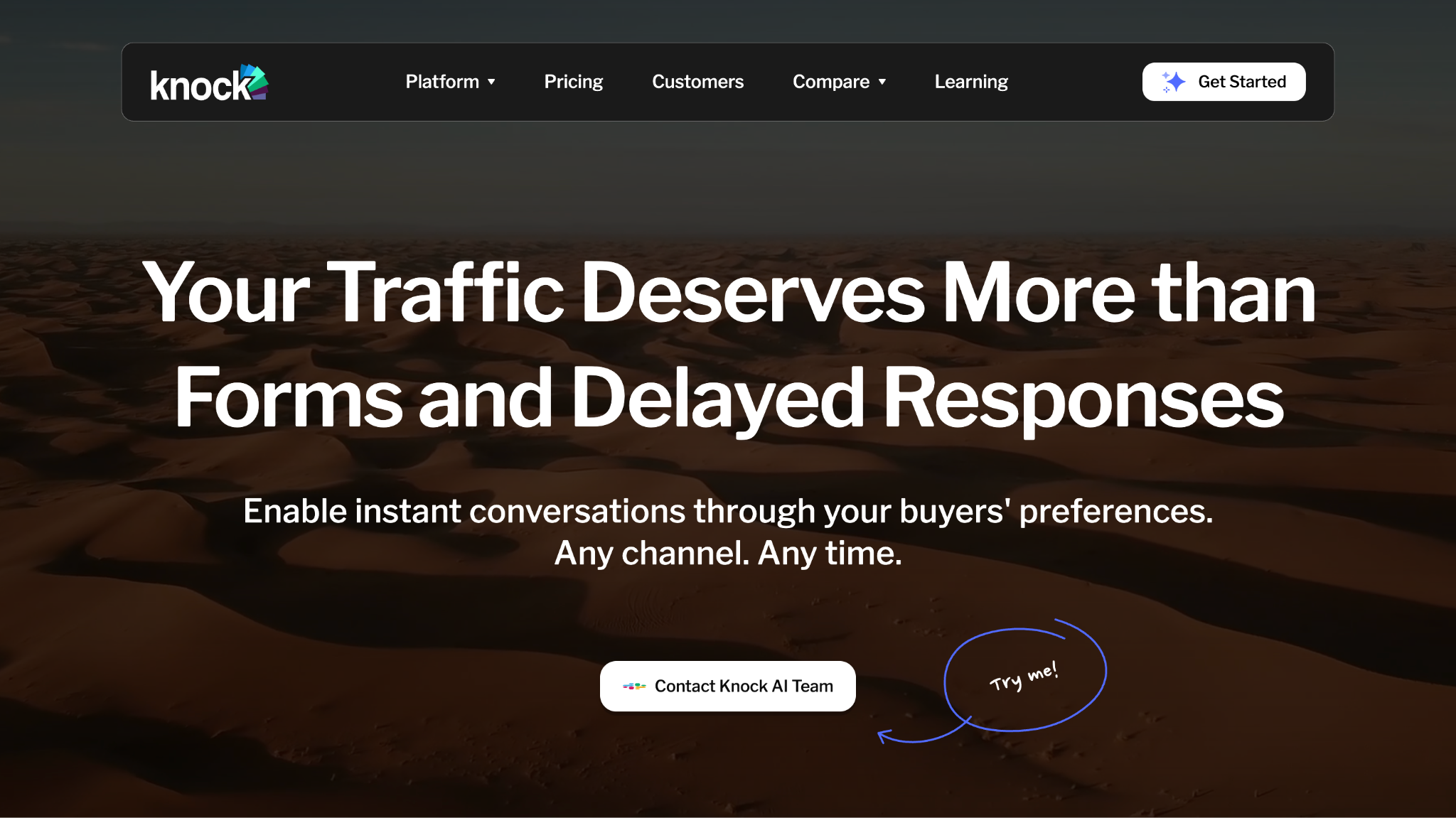
Knock AI | Best Alternative to HubSpot Forms
Best for B2B revenue teams that want more than a traditional form builder. Knock AI combines lead capture, buyer identification, form enrichment, CRM enrichment, AI qualification, inbound AI SDR workflows, meeting booking, and buyer activation in a single platform. It's designed for companies focused on converting website traffic into qualified pipelines.
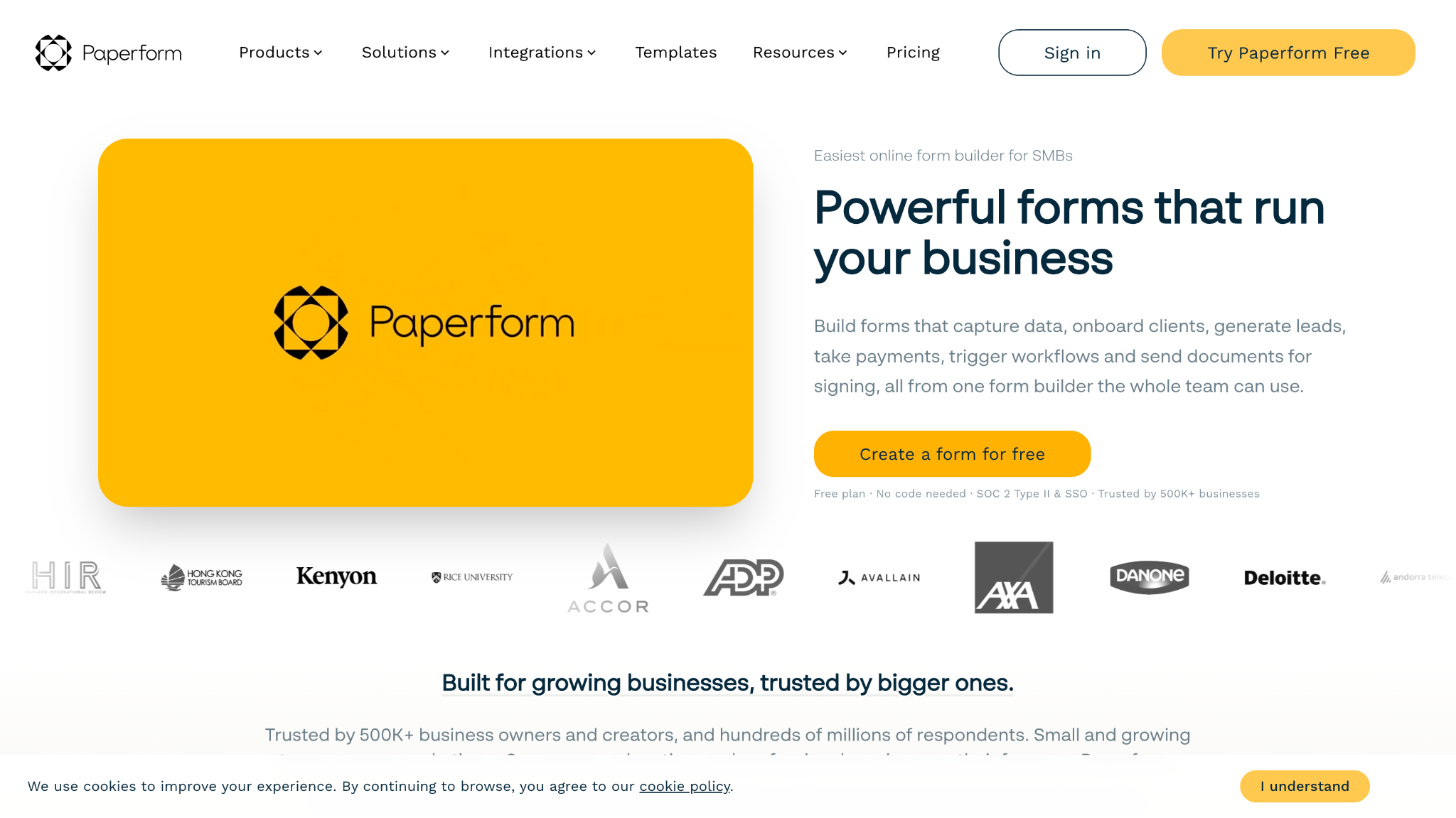
Paperform | Best for Custom Branded Forms
A highly customizable platform that blends forms, landing pages, payments, and workflows into a single experience. Paperform is ideal for businesses that want forms to feel like a natural extension of their brand.
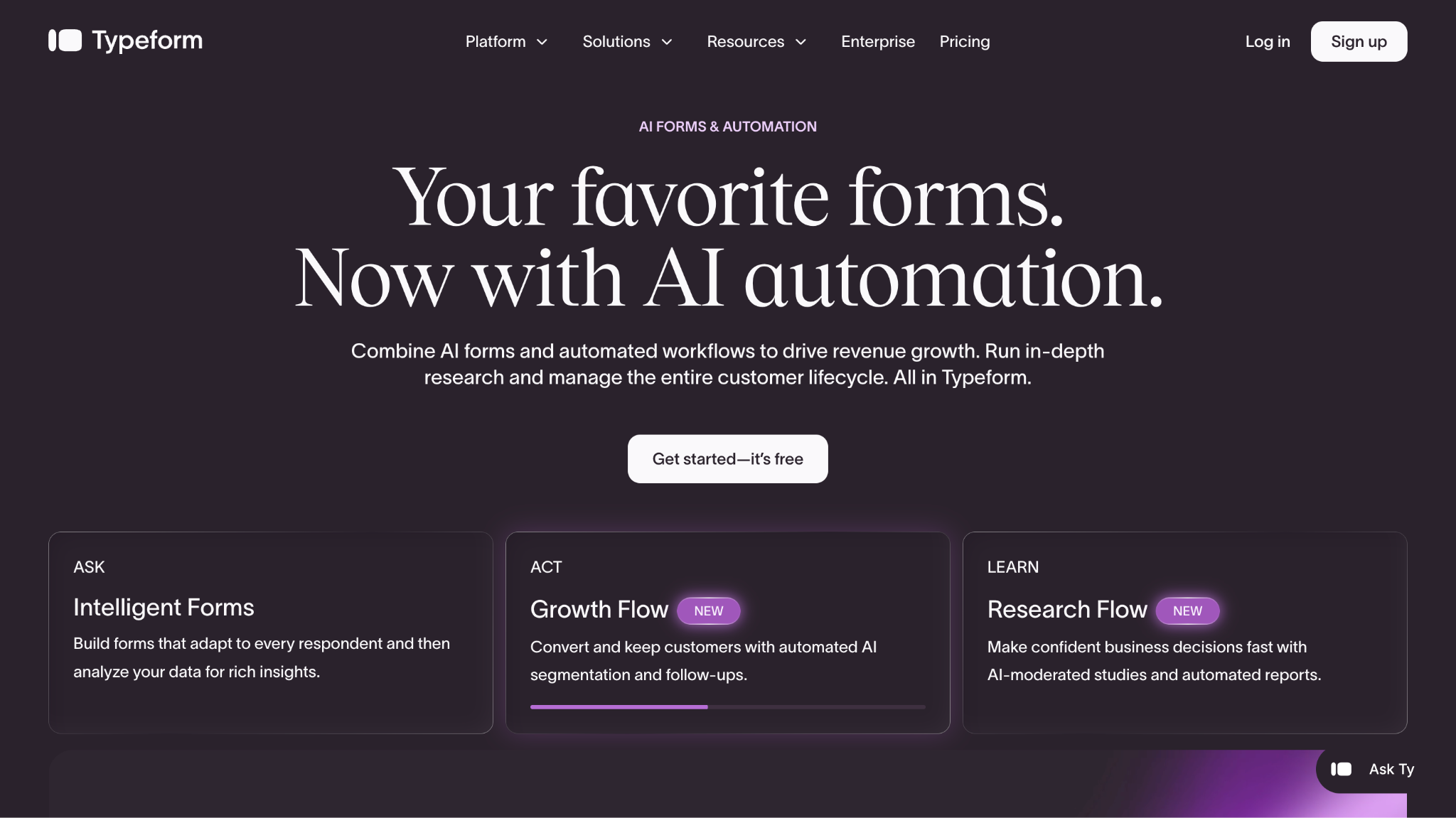
Typeform | Best for Conversational Forms
Typeform is known for creating engaging, interactive forms that feel more like conversations than traditional lead capture forms. It's a popular choice for businesses that prioritize user experience and form completion rates.
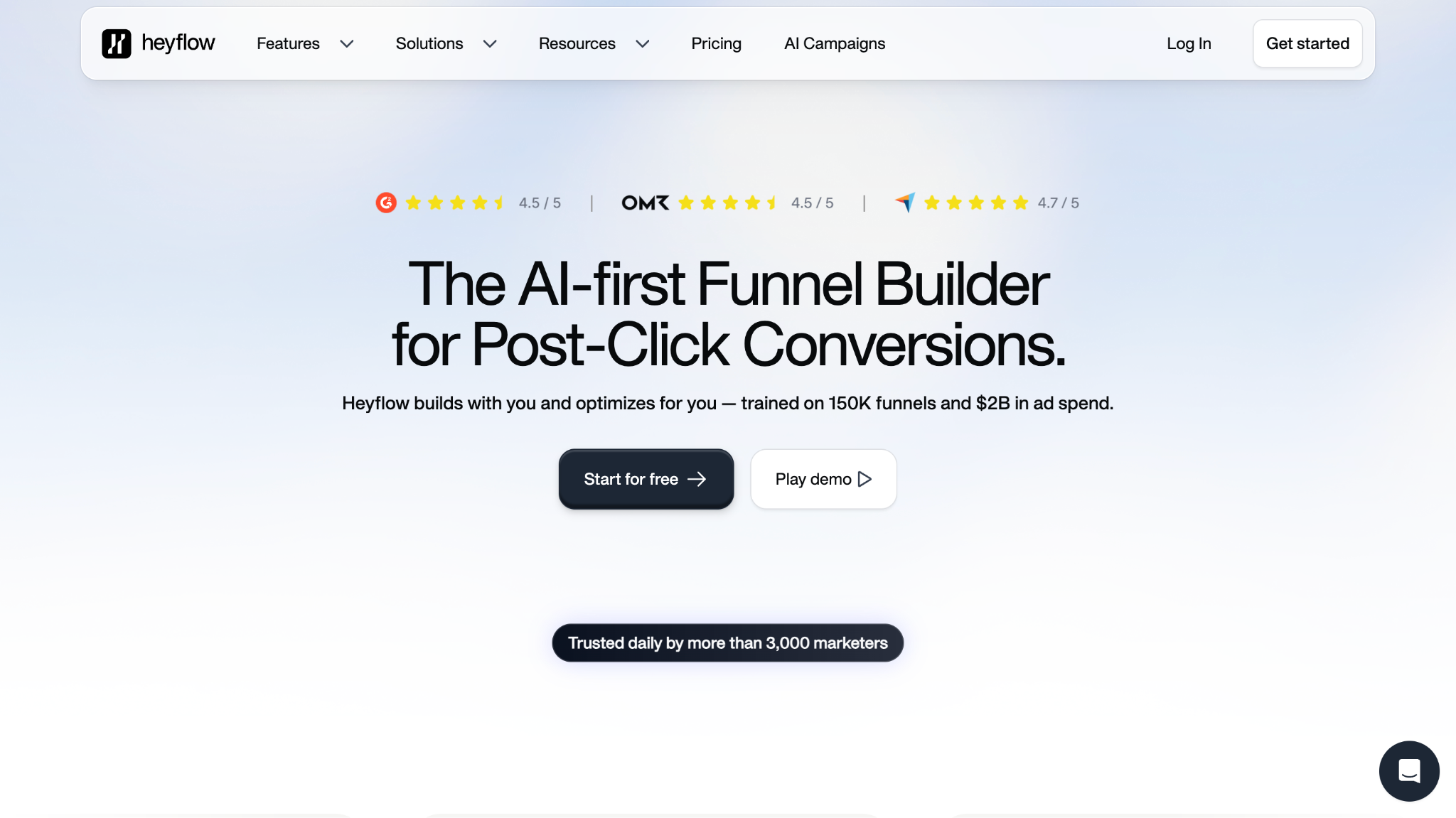
Heyflow | Best for Multi-Step Forms
Heyflow specializes in multi-step forms and conversion funnels designed to improve lead quality and increase conversion rates. Its visual builder makes it easy to create personalized user journeys without coding.
Marketo Forms | Best for Marketing Automation
Marketo Forms is built for enterprise marketing teams running sophisticated nurture programs, lead scoring models, and automation workflows. It works best for organizations already invested in the Adobe Marketo ecosystem.
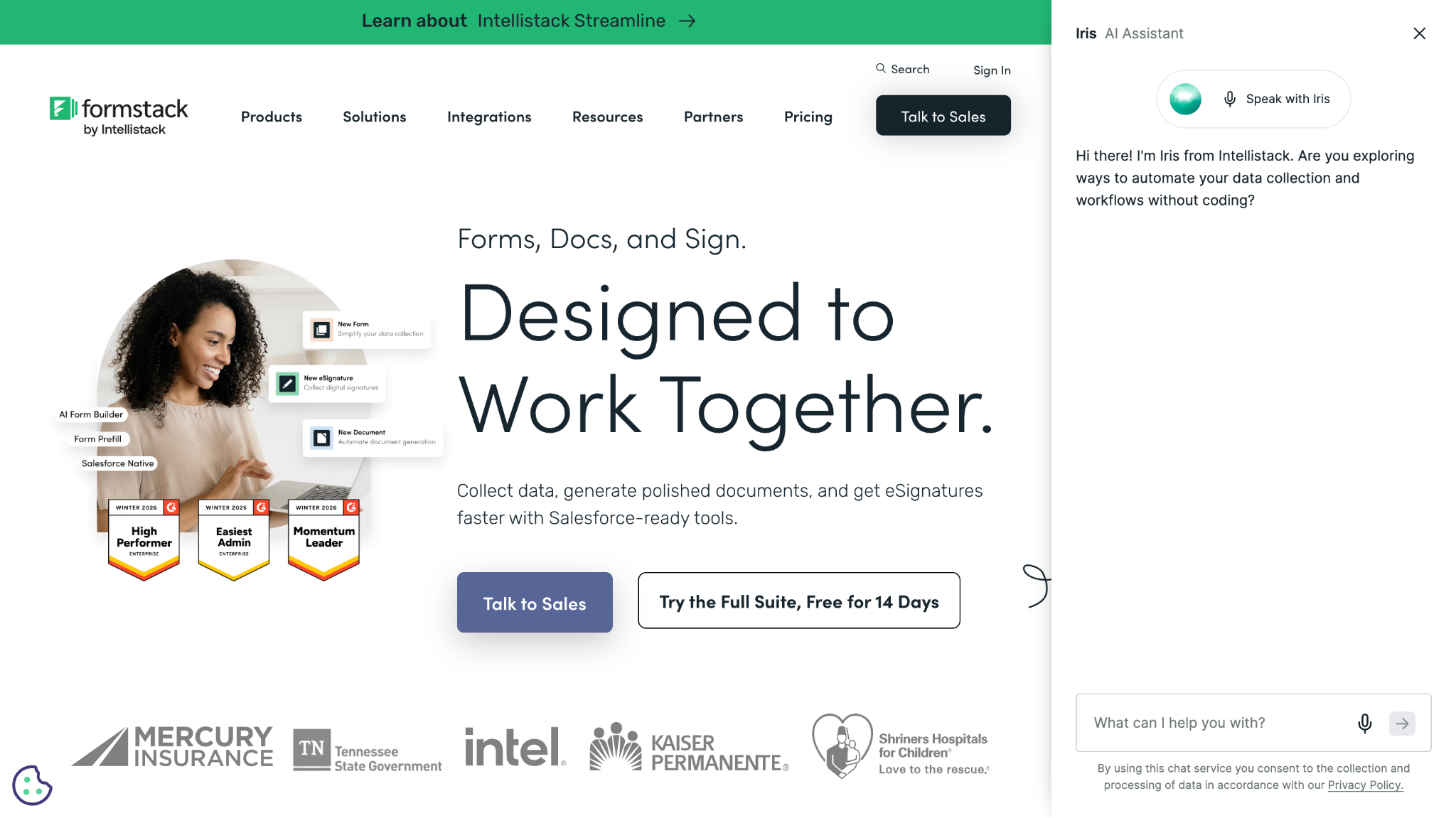
Formstack | Best for Enterprise Forms
Formstack provides advanced workflow automation, compliance features, approvals, and document generation capabilities. It's well suited for enterprises with complex business processes and regulatory requirements.
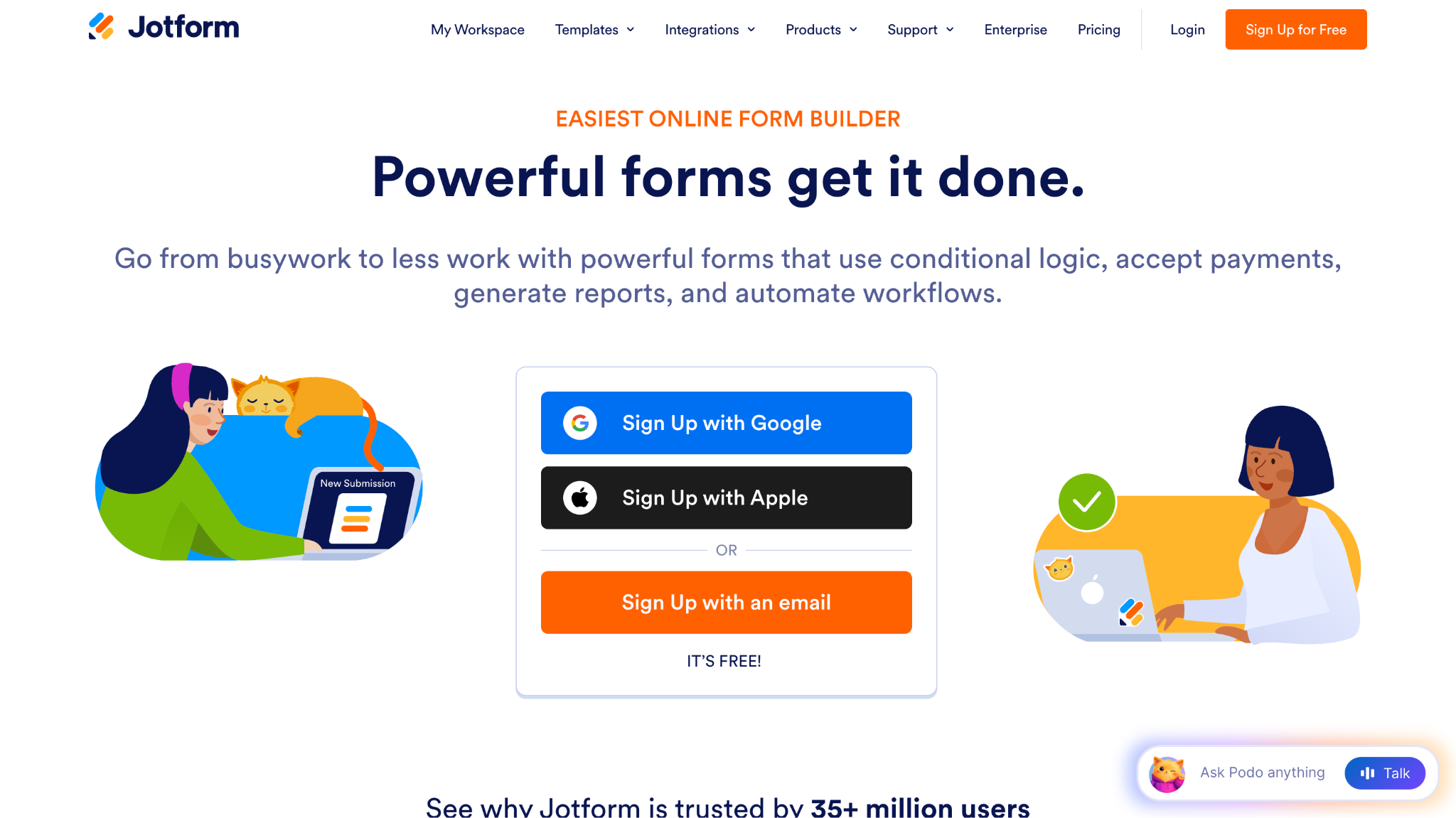
Jotform | Best for Website Builders
Jotform offers a flexible form-building experience with extensive customization options, templates, and integrations. It's a strong choice for businesses looking for versatility without significant technical complexity.
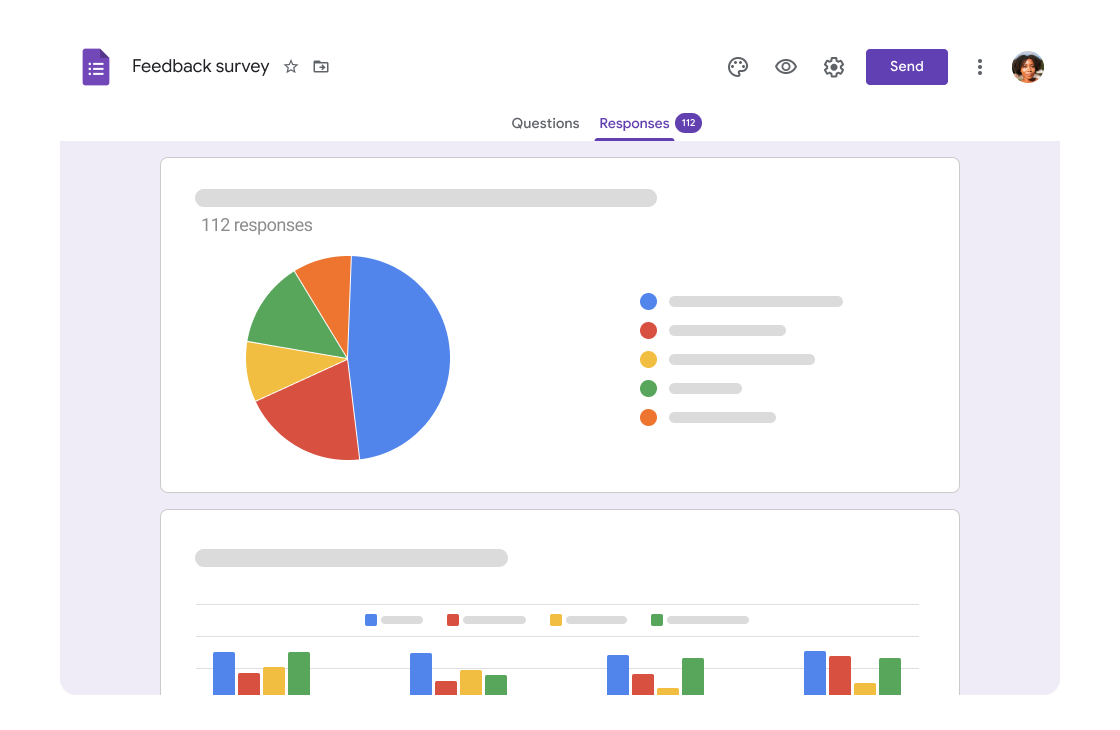
Google Forms | Best Budget Option
Google Forms is a free and simple solution for surveys, basic lead capture, and internal data collection. While it lacks advanced enrichment, qualification, and automation features, it remains a practical option for straightforward use cases.
Why Teams Look for HubSpot Forms Alternatives
HubSpot Forms remains one of the most popular lead capture tools in B2B marketing, but many teams eventually begin exploring alternatives as their revenue operations become more sophisticated.
The reason is simple: collecting leads is only the first step. Converting those leads into qualified pipelines is where the real challenge begins.
Form Conversion Rates Matter
Form performance has a direct impact on pipeline generation. Even small increases in conversion rates can significantly affect the number of qualified opportunities entering the funnel.
Research consistently shows that every additional form field can reduce conversion rates by approximately 5% to 10%. As forms become longer, visitors become less willing to share information, especially during the early stages of the buying journey.
This creates a difficult tradeoff for revenue teams:
- Ask fewer questions and receive incomplete lead data.
- Ask more questions and reduce conversion rates.
As a result, many organizations are looking for alternatives that can collect richer buyer intelligence without increasing friction.
Buyers Don't Want Long Forms
Modern B2B buyers expect digital experiences that are fast, relevant, and personalized.
They don't want to complete lengthy forms just to access a resource, request a demo, or speak with a sales representative.
Instead, buyers increasingly expect:
- Personalized experiences
- Faster qualification
- Fewer form fields
- Instant engagement
When a website experience feels slow or creates unnecessary friction, buyers often leave and continue their research elsewhere.
Most Forms Capture Leads but Not Context
Traditional forms are designed to collect basic contact information.
They typically capture:
- Name
- Email address
- Company name
While this information is useful, it rarely provides enough context for revenue teams to prioritize and engage buyers effectively.
A form submission does not automatically reveal:
- Buying intent
- Company fit
- Decision-making authority
- Product interest
- Engagement history
As a result, sales teams often spend valuable time manually researching, enriching, and qualifying leads before meaningful conversations can begin.
Revenue Teams Need More Than Form Submissions
Today's revenue teams are optimizing for speed-to-pipeline, not just lead volume.
Capturing a form submission is no longer the finish line. It's the starting point.
To convert more demand into revenue, teams increasingly need capabilities such as:
- Buyer identification
- Lead qualification
- Intelligent routing
- Meeting scheduling
- Buyer activation
These capabilities help organizations respond faster, prioritize better opportunities, and create more relevant buying experiences.
"The goal isn't collecting more form submissions. It's generating a more qualified pipeline."
What to Look for in a HubSpot Forms Alternative
Not all HubSpot Forms alternatives solve the same problem.
Some platforms focus on creating better-looking forms. Others specialize in conversion optimization, workflow automation, lead routing, or buyer activation. Before choosing a replacement, it's important to understand which capabilities actually impact revenue generation.
The best solutions don't just collect information. They help revenue teams identify, qualify, and convert buyers more efficiently.
Form Builder
At a minimum, any HubSpot Forms alternative should make it easy to create and deploy forms without relying on developers.
Look for features such as:
- Drag-and-drop form builders
- Mobile-responsive designs
- Custom branding options
- Embedded and pop-up forms
- Conditional logic
A strong form builder improves the user experience while reducing implementation time for marketing teams.
Progressive Profiling
Progressive profiling helps reduce form friction by collecting information gradually over multiple interactions.
Instead of asking ten questions on a visitor's first conversion, the platform can request additional information during future visits.
This allows teams to:
- Increase conversion rates
- Improve data quality over time
- Create a better buyer experience
For B2B organizations with longer buying cycles, progressive profiling can be a valuable capability.
Form Enrichment
One of the biggest limitations of traditional forms is the tradeoff between conversion rates and data collection.
Form enrichment helps solve this problem by automatically appending data such as:
- Company information
- Industry
- Employee count
- Revenue range
- Job title
- Geographic details
This allows businesses to reduce the number of required fields while still capturing the information needed for qualification and routing.
CRM Integration
A form should not operate in isolation.
The best HubSpot Forms alternatives integrate directly with CRM platforms so that marketing, sales, and revenue teams can work from a single source of truth.
Look for native integrations with:
- HubSpot CRM
- Salesforce
- Marketo
- Microsoft Dynamics
- Pipedrive
- Zoho CRM
Strong CRM connectivity reduces manual work and improves data accuracy across the organization.
Lead Routing
Speed-to-lead is one of the most important factors influencing conversion rates.
Lead routing automatically directs incoming leads to the appropriate sales representative based on factors such as:
- Territory
- Company size
- Industry
- Product interest
- Qualification criteria
Without routing automation, valuable opportunities can sit untouched for hours or even days.
AI Qualification
Not every form submission represents a qualified buying opportunity.
AI qualification helps revenue teams evaluate leads automatically using firmographic, demographic, and behavioral signals.
Modern qualification systems can identify:
- ICP fit
- Buying intent
- Sales readiness
- Priority accounts
This reduces manual review and helps sales teams focus on the opportunities most likely to convert.
Meeting Booking
Many high-performing revenue teams now connect lead capture directly to scheduling.
Instead of waiting for a follow-up email, qualified buyers can immediately book time with the right representative.
Meeting booking capabilities help:
- Reduce lead response times
- Increase conversion rates
- Accelerate pipeline creation
For demo-driven sales motions, this feature can significantly improve speed-to-pipeline.
Related: Best Online Scheduling Tools
Buyer Identification
One of the biggest challenges with traditional forms is that they only work after a visitor identifies themselves.
Buyer identification helps companies understand who is visiting their website before a form is submitted.
Depending on the platform, this may include:
- Company identification
- Contact identification
- Behavioral insights
- Buying intent signals
This capability provides visibility into demand that would otherwise remain anonymous.
Related: Best B2B Anonymous Visitor Identification Tools
Multi-Channel Follow-Up
Modern buyers interact across multiple channels before making a purchase decision.
The best HubSpot Forms alternatives support engagement across channels such as:
This helps revenue teams create a consistent experience throughout the buying journey rather than relying solely on email follow-up.
Analytics & Attribution
Lead capture is only valuable if you can measure its impact on revenue.
Look for platforms that provide visibility into:
- Form conversion rates
- Lead quality
- Pipeline influence
- Opportunity creation
- Revenue attribution
These insights help teams understand which campaigns, channels, and experiences generate the highest business impact.
Ultimately, the best HubSpot Forms alternative depends on your goals. If you're simply looking for a different form builder, many solutions can meet that need. But if your objective is to generate a more qualified pipeline, capabilities such as enrichment, qualification, routing, buyer identification, and multi-channel engagement often have a much bigger impact than form design alone.

.svg)