13 Best Marketo Forms Alternatives in 2026 (Compared)
13 Best Marketo Forms Alternatives in 2026
Marketo Forms has long been a go-to solution for B2B companies looking to capture leads, collect prospect information, and power marketing automation workflows. As part of Adobe Marketo Engage, it helps marketing teams build forms, nurture leads, and move prospects through the funnel at scale.
But many revenue teams are discovering that capturing more leads doesn't necessarily create more pipeline.
Today's buyers don't follow a linear journey. They research vendors anonymously, consume content across multiple channels, compare solutions independently, and often expect answers before they're ready to fill out a form. By the time a prospect submits their information, valuable buying momentum may already be fading.
This shift is causing organizations to reevaluate traditional lead capture strategies. Instead of focusing solely on form submissions, many teams are investing in buyer activation, form enrichment, CRM enrichment, identity resolution, and real-time qualification to engage prospects earlier and convert existing demand more efficiently.
In this guide, we'll explore the best Marketo Forms alternatives in 2026, compare their strengths and limitations, and help you determine which solution is best suited for your revenue generation strategy.
TL;DR: Best Marketo Forms Alternatives
Not every company evaluating Marketo Forms is looking for the same thing. Some teams want better marketing automation, others need tighter Salesforce alignment, while many are searching for ways to reduce form friction and improve conversion rates. Here's a quick breakdown of the best Marketo Forms alternatives based on common use cases:
Best Overall Marketo Alternative for Buyer Activation: Knock AI
A strong choice for businesses that want CRM-native lead capture, marketing automation, and reporting within a unified platform.
Best for Salesforce Teams: Pardot Forms
Ideal for organizations deeply invested in Salesforce that need native CRM alignment, lead scoring, and marketing automation.
Best for Conversational Forms: Typeform
Designed for teams that prioritize user experience and conversational form design to improve form completion rates.
Best for Enterprise Workflows: Formstack
Well-suited for large organizations that need workflow automation, compliance controls, approvals, and operational form management.
Best for WordPress Websites: WPForms
A popular option for WordPress users looking for an easy-to-use form builder with extensive integrations and customization options.
Why Teams Look Beyond Marketo Forms
Marketo Forms remains a powerful lead capture solution, but many revenue teams are discovering that collecting contact information is only one part of the conversion journey. The bigger challenge is turning buyer intent into pipeline before momentum disappears.
Form Abandonment Remains a Major Challenge
Even well-designed forms create friction. Every additional field, question, and click increases the likelihood that a prospect leaves before converting. Features like progressive profiling and form shortening help reduce friction, but they don't eliminate it.
Anonymous Buyers Never Become Leads
Most website visitors never complete a form. They research products, read content, compare vendors, and leave without identifying themselves. As a result, a significant portion of buying intent remains invisible to marketing and sales teams.
Qualification Starts After Submission
Traditional forms capture information first and qualify later. This means sales and marketing teams often begin evaluating buyer intent only after a form has been submitted, creating delays in engagement and follow-up.
Follow-Up Delays Reduce Buyer Momentum
Interest is highest when a buyer is actively researching a solution. Every delay between form submission, qualification, routing, and outreach increases the risk of losing momentum and missing opportunities.
Modern Buyers Expect Conversations, Not Forms
Today's buyers want fast answers, personalized experiences, and immediate engagement. Increasingly, they prefer conversations, recommendations, and real-time interactions over filling out lengthy forms and waiting for a response.
Capturing a lead is not the same as creating pipeline.
What Modern Revenue Teams Need Instead
Traditional lead capture was built around a simple assumption: collect contact information first, then begin the sales process. Modern buying behavior has changed that equation. Today's revenue teams are increasingly focused on identifying intent earlier, reducing friction, accelerating qualification, and engaging buyers before momentum is lost.
Buyer Activation
Buyer activation is the process of turning buyer interest into meaningful sales engagement. Instead of waiting for prospects to complete a form, teams proactively identify buying signals and create opportunities for conversations while intent is still high.
Form Enrichment
Form enrichment reduces the amount of information buyers need to provide manually. By automatically enriching company and contact data, organizations can create shorter forms, reduce friction, and improve conversion rates without sacrificing lead quality.
CRM Enrichment
A CRM is only as valuable as the data inside it. CRM enrichment enhances lead and account records with firmographic, demographic, and company intelligence data, helping sales and marketing teams make better qualification, routing, and personalization decisions.
Identity Resolution
Many buyers engage with websites, content, webinars, and events long before identifying themselves. Identity resolution helps connect anonymous activity to real people and companies, giving revenue teams greater visibility into buying behavior.
AI Qualification
Not every lead deserves the same level of attention. AI qualification helps prioritize buyers based on intent signals, engagement patterns, firmographics, and other data points, allowing teams to focus on opportunities most likely to become pipeline.
Automated Follow-Up
Speed matters. Automated follow-up ensures buyers receive timely responses, meeting invitations, and relevant information without waiting for manual intervention, helping organizations engage prospects while interest is highest.
Buyer Re-Engagement
Many opportunities are lost when buyers leave a conversation, abandon a meeting booking, or stop responding. Buyer re-engagement workflows help recover these opportunities, restart conversations, and preserve valuable pipeline that might otherwise disappear.
The fastest-growing revenue teams aren't generating more demand. They're converting more of the demand they already have.
Best Marketo Forms Alternatives at a Glance
Platform
Best For
Form Builder
Marketing Automation
Identity Resolution
Form Enrichment
CRM Enrichment
AI Qualification
Buyer Activation
Memory & Momentum Capture
Knock AI
Buyer Activation & Inbound AI SDR
❌ Formless
✅
✅
✅
✅
✅
✅
✅
HubSpot Forms
CRM-native lead capture
✅
✅
❌
❌
Limited
Limited
❌
❌
Typeform
Conversational forms
✅
❌
❌
❌
❌
❌
❌
❌
Formstack
Enterprise workflows
✅
Limited
❌
❌
❌
❌
❌
❌
Jotform
Custom forms
✅
Limited
❌
❌
❌
❌
❌
❌
Pardot Forms
Salesforce ecosystem
✅
✅
❌
❌
Limited
Limited
❌
❌
Unbounce Forms
Landing page conversion
✅
Limited
❌
❌
❌
❌
❌
❌
LeadGen App
B2B lead generation forms
✅
❌
❌
❌
❌
❌
❌
❌
Paperform
Flexible form experiences
✅
❌
❌
❌
❌
❌
❌
❌
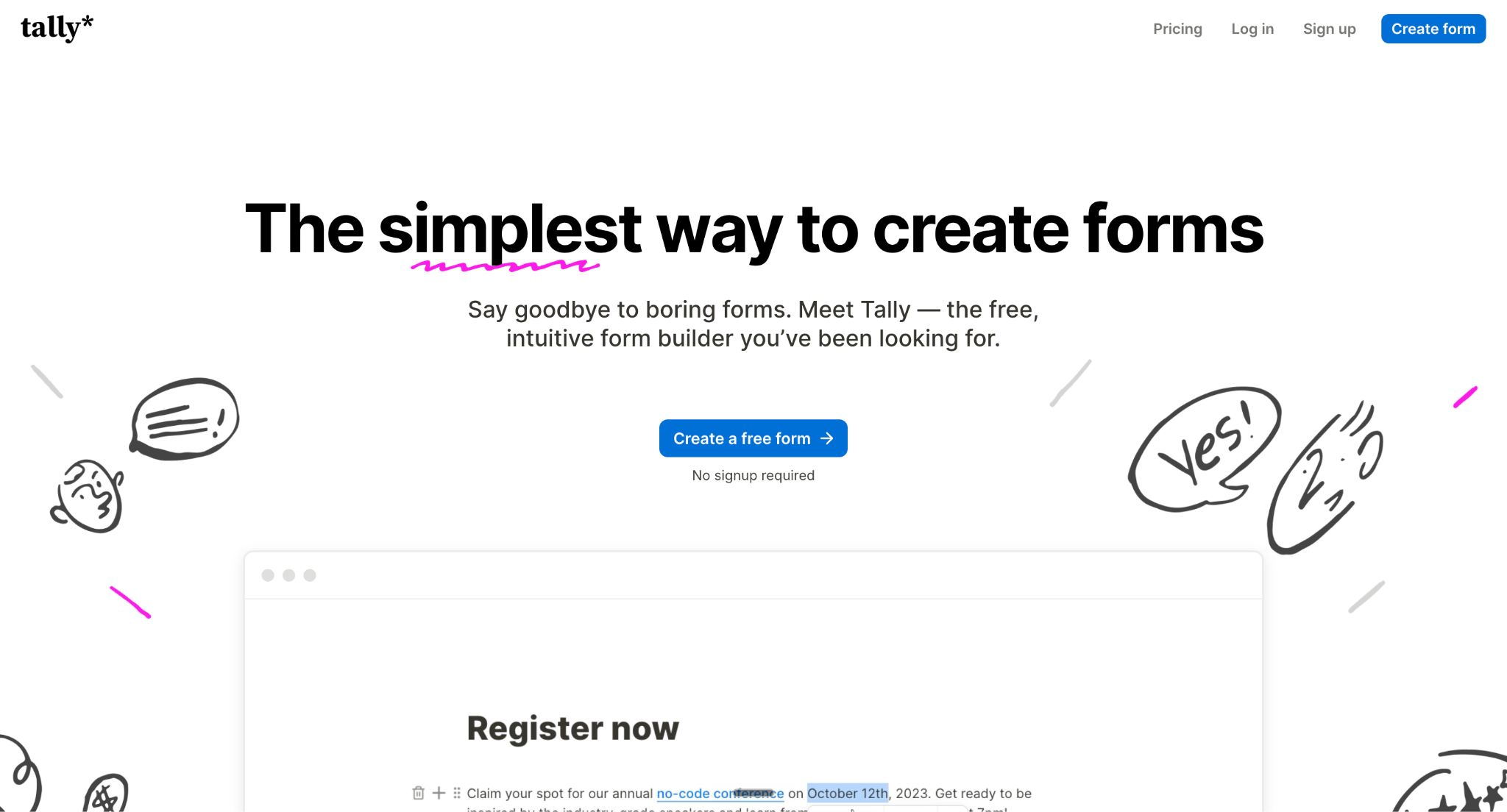
Tally
Lightweight forms
✅
❌
❌
❌
❌
❌
❌
❌
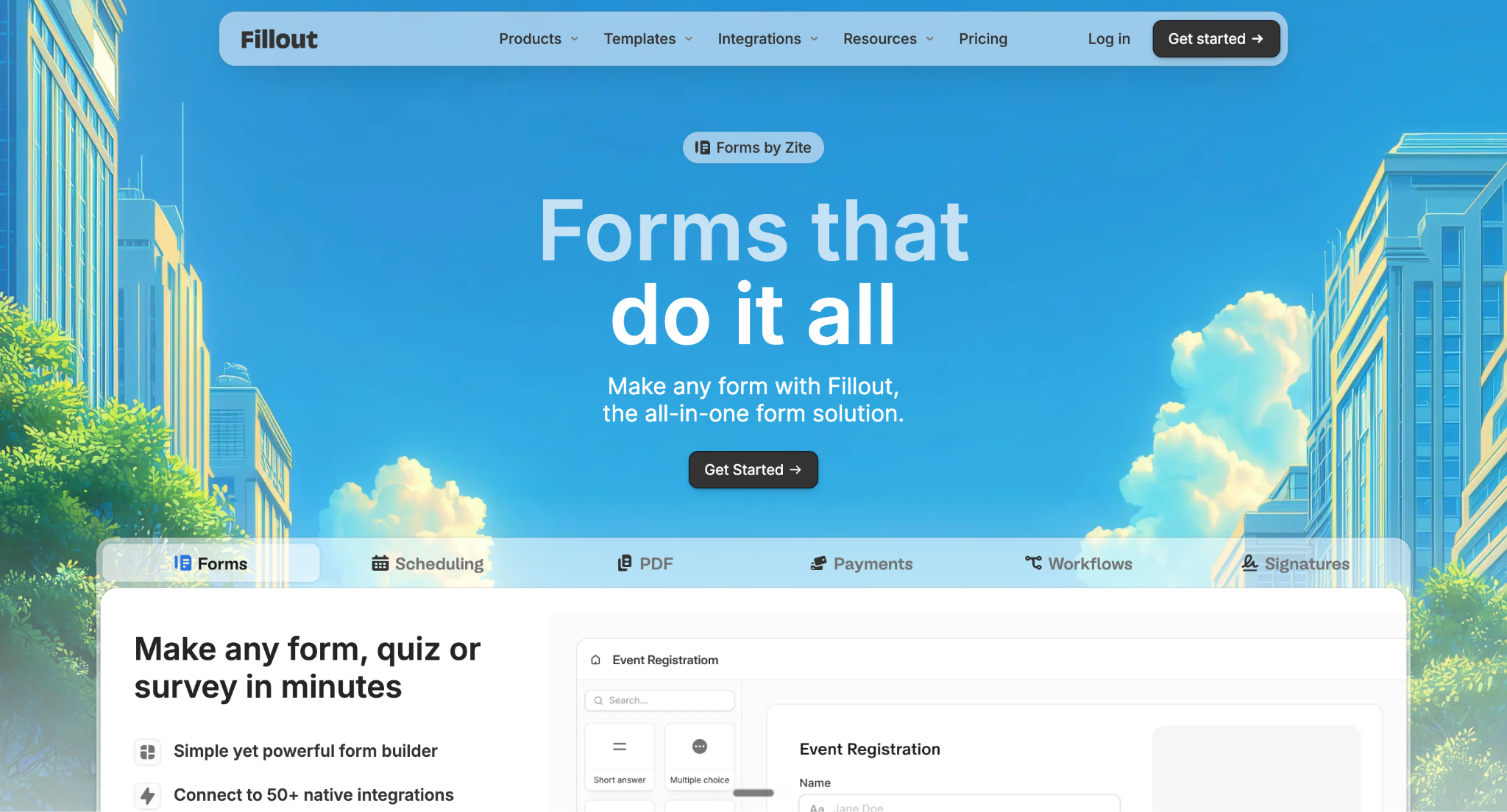
Fillout
Airtable & Notion workflows
✅
Limited
❌
❌
❌
❌
❌
❌
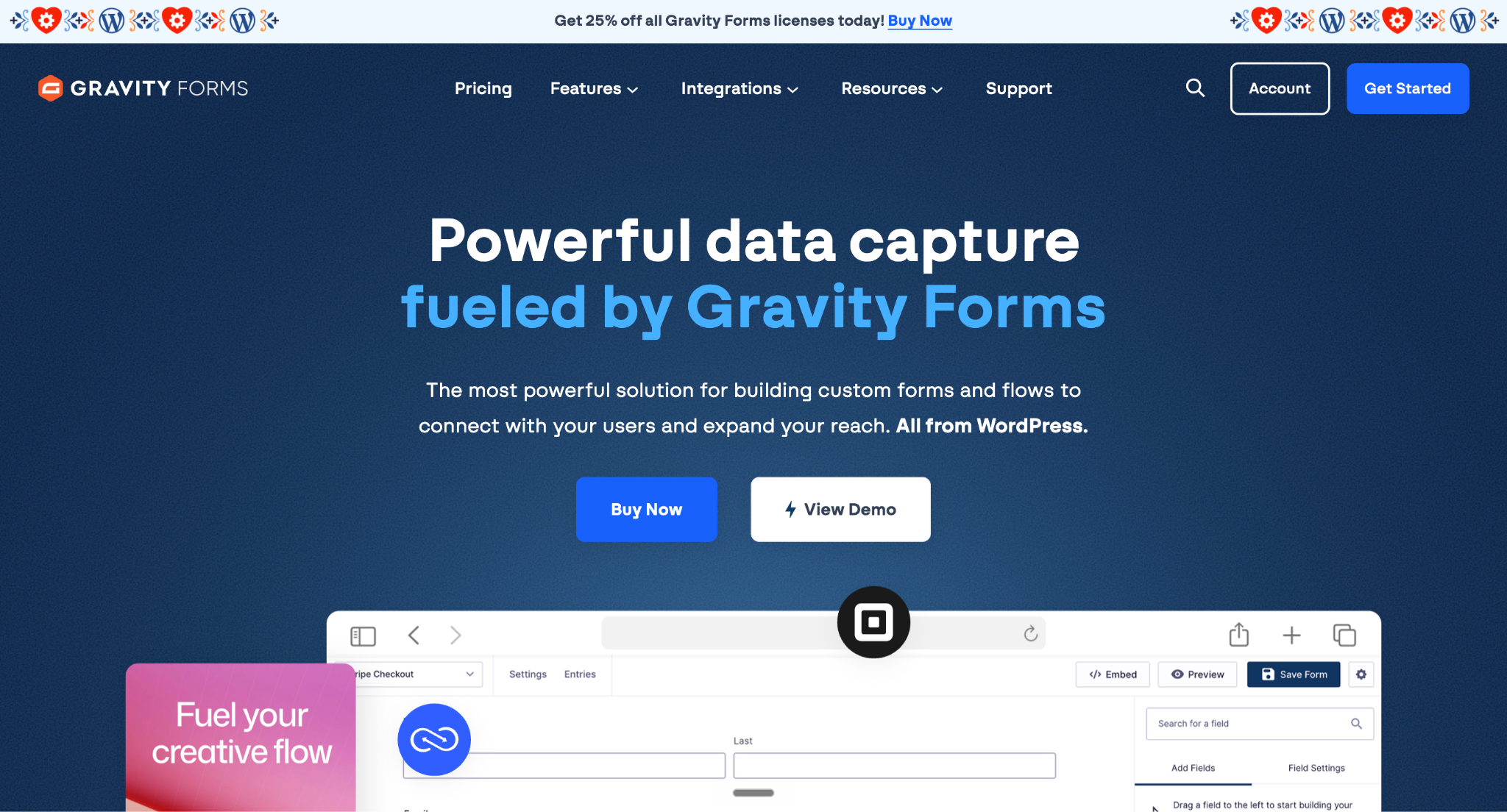
Gravity Forms
WordPress websites
✅
Limited
❌
❌
❌
❌
❌
❌
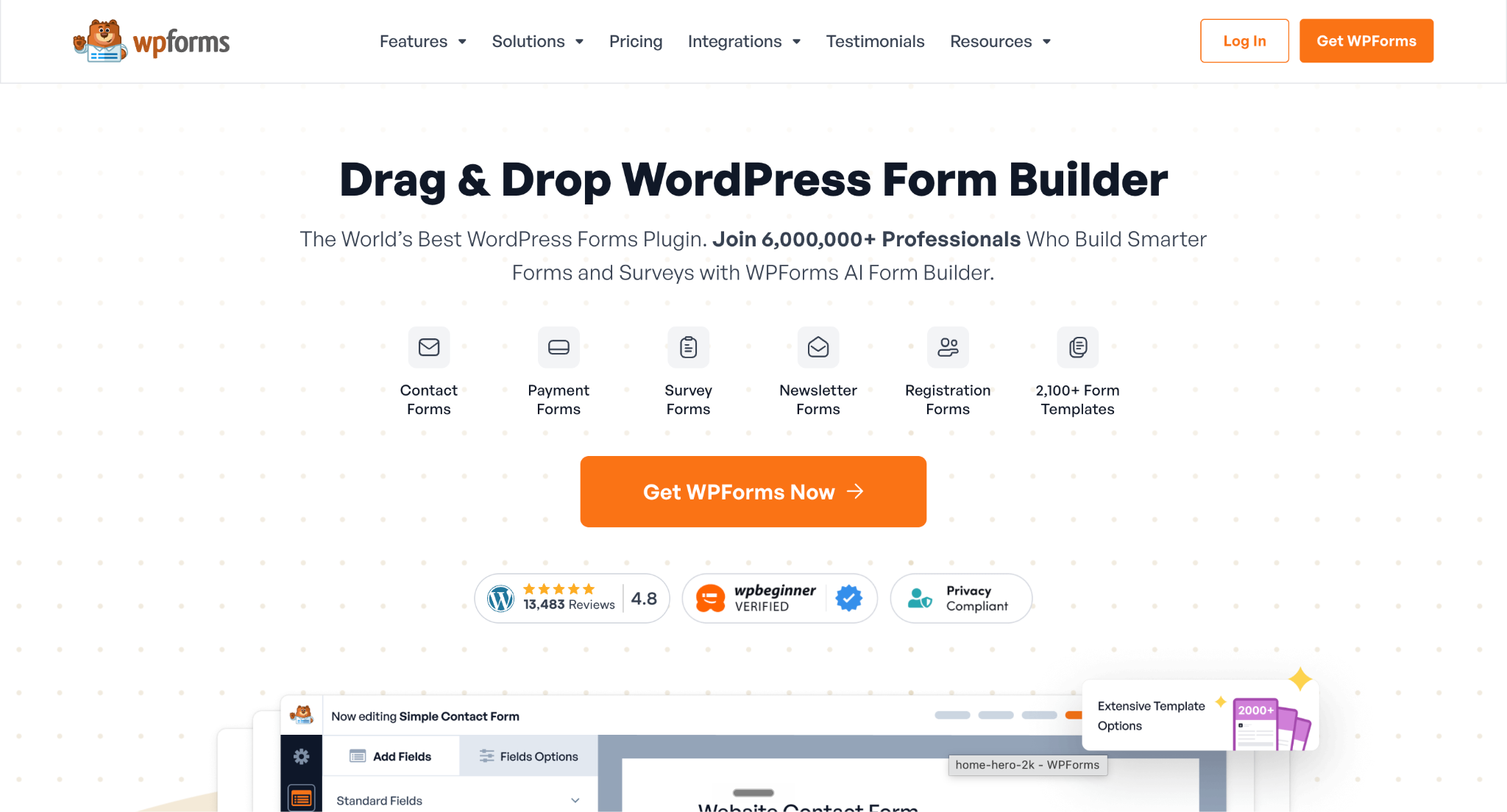
WPForms
WordPress lead capture
✅
Limited
❌
❌
❌
❌
❌
❌
See Knock AI in Action — Book Your Live Demo Today
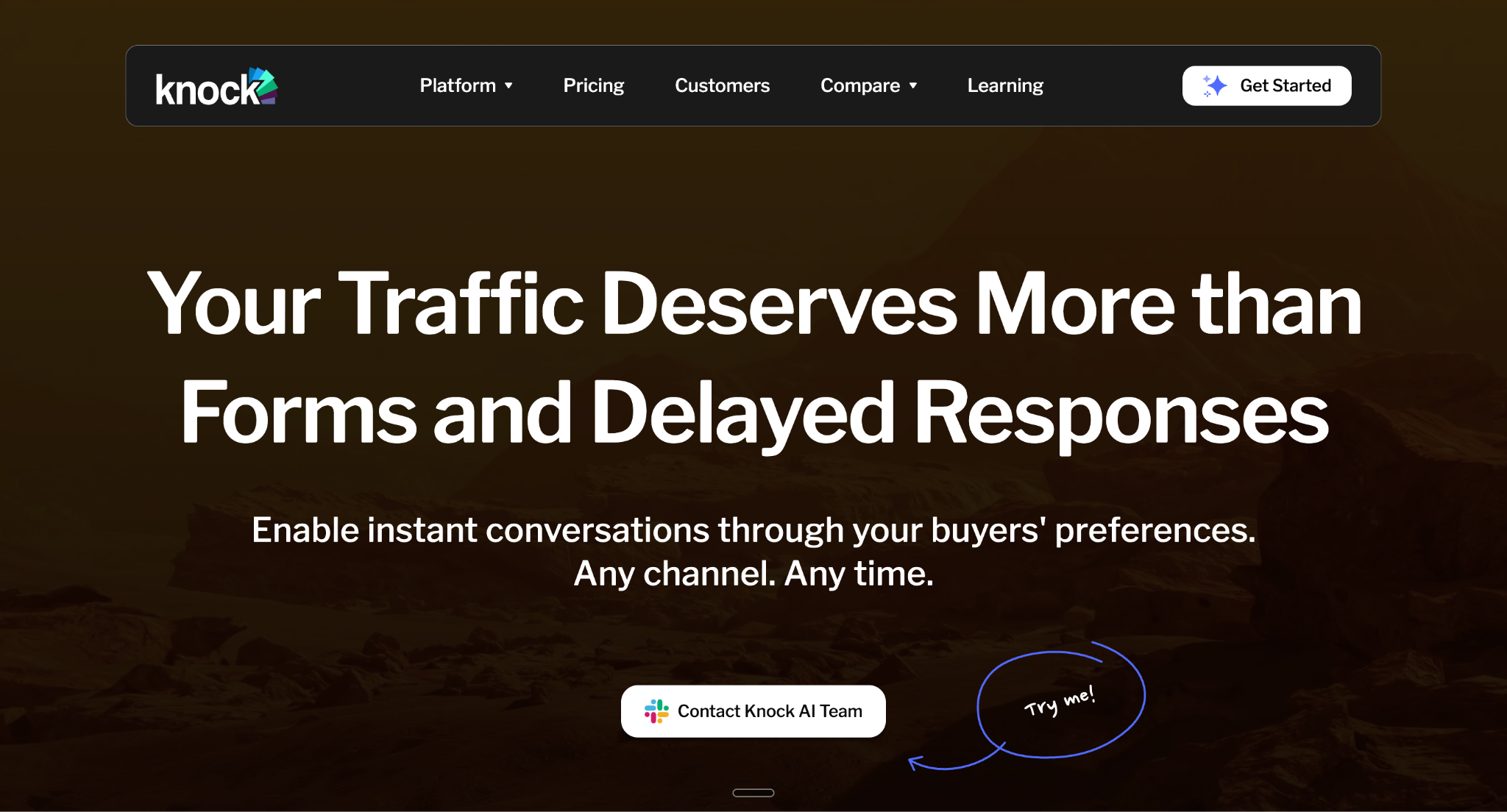
1. Knock AI: Best Marketo Forms Alternative for Buyer Activation
Most Marketo Forms alternatives focus on helping companies build better forms. Knock AI takes a fundamentally different approach.
Instead of optimizing how buyers fill out forms, Knock AI focuses on identifying, qualifying, enriching, engaging, and converting buyers while intent is still active. For organizations looking to reduce friction, accelerate qualification, and preserve buyer momentum, this represents a shift from lead capture to buyer activation.
It's an Inbound AI SDR platform designed to help revenue teams convert existing demand into pipeline. While traditional forms wait for buyers to submit information, Knock AI identifies buying signals, engages prospects, enriches data, and automates qualification across multiple touchpoints.
The goal isn't better forms.
It's better buyer activation.
Form Enrichment
One of the biggest sources of friction in lead generation is asking buyers for information you can already identify automatically.
Knock AI helps reduce form friction through form enrichment, automatically populating company and contact data where possible. This creates a faster experience for buyers while helping revenue teams collect richer information for qualification and routing.
CRM Enrichment
Capturing a lead is only the beginning. Revenue teams still need context.
Knock AI enriches CRM records with company, contact, and buyer intelligence data, helping sales and marketing teams prioritize opportunities, personalize outreach, and improve routing decisions. Instead of relying solely on information submitted through a form, teams gain a more complete view of potential buyers.
Inbound AI SDR
Knock AI functions as an Inbound AI SDR, helping organizations qualify and engage inbound buyers automatically.
Rather than waiting for manual follow-up, the platform can identify intent signals, initiate conversations, answer questions, qualify prospects, and help move buyers toward the next step in their journey. This allows revenue teams to engage demand faster without increasing SDR headcount.
Identity Resolution
Most buying journeys begin long before a prospect fills out a form.
Knock AI uses identity resolution to connect buyer activity across channels, helping teams understand who is engaging with their brand and where buying intent is emerging. This creates visibility into opportunities that traditional form-based workflows often miss.
Real-Time Qualification
Speed matters in modern revenue generation.
Knock AI uses AI-powered qualification to evaluate buyers based on intent signals, engagement behavior, company data, and other relevant factors. This enables faster prioritization and helps revenue teams focus on opportunities most likely to convert.
AI Follow-Up & Buyer Re-Engagement
Many opportunities are lost after the initial interaction.
Knock AI helps preserve buyer momentum through automated follow-up and re-engagement workflows, including:
Email follow-up
LinkedIn follow-up
Chat re-engagement
Abandoned meeting recovery
Leaked buyer recovery
Instead of allowing conversations to go cold, the platform helps keep buyers engaged throughout the evaluation process.
Multi-Channel Buyer Activation
Modern buyers don't interact with brands through a single channel.
Knock AI helps organizations identify and engage buyers across:
Websites
LinkedIn
Slack
WhatsApp
Email
G2
PDFs
Webinars
Events
Trade shows
QR codes
This allows revenue teams to capture intent wherever it occurs instead of relying exclusively on website forms.
Memory & Momentum Capture
One of the biggest challenges in B2B marketing is that buyers forget.
A prospect may visit your website today, read a PDF next week, attend a webinar a month later, and evaluate vendors several weeks after that. Traditional lead generation systems often struggle to connect these interactions or maintain engagement between them.
Knock AI helps preserve both buyer memory and buyer momentum by continuously identifying engagement signals, re-engaging interested prospects, and creating opportunities for meaningful interaction across the buying journey.
In many cases, the challenge isn't generating demand.
It's ensuring that demand doesn't disappear before it becomes pipeline.
Who Knock AI Is Best For?
Knock AI is best suited for B2B organizations that want to move beyond traditional lead capture and focus on buyer activation, qualification, enrichment, and pipeline generation. It is particularly valuable for companies running multi-channel demand generation programs, webinars, events, content marketing, outbound campaigns, and inbound sales motions.
Limitations
Knock AI is not designed to be a traditional form builder, so organizations looking solely for basic form creation may find simpler tools more appropriate.
In addition, many of its strengths come from activating buyer intent across multiple channels. Companies with limited inbound traffic or minimal demand generation activity may not realize the same level of value as organizations with more mature revenue operations.
2. HubSpot Forms
Overview
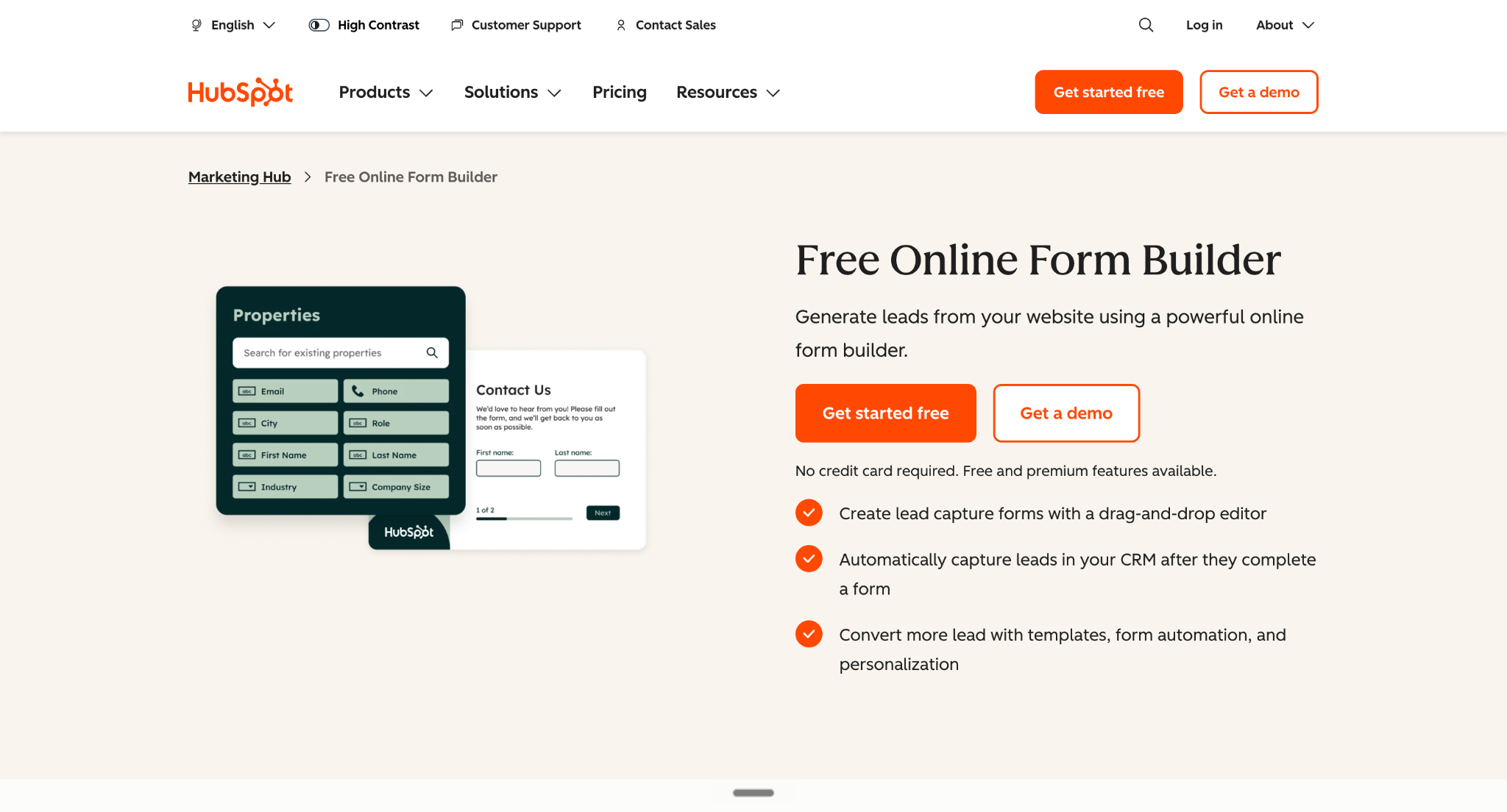
HubSpot Forms is one of the most popular form builders for B2B marketing teams. Built into HubSpot's CRM and Marketing Hub, it allows organizations to capture leads, automate follow-up workflows, and manage contacts from a single platform.
Strengths
Native integration with HubSpot CRM
Strong marketing automation capabilities
Progressive profiling and conditional logic
Detailed reporting and analytics
Limitations
Qualification typically begins after form submission
Anonymous visitors remain largely invisible
Advanced functionality often requires higher-tier plans
Primarily optimized for lead capture rather than buyer activation
Best For
Organizations already using HubSpot that want CRM-native lead capture and marketing automation.
3. Typeform
Overview
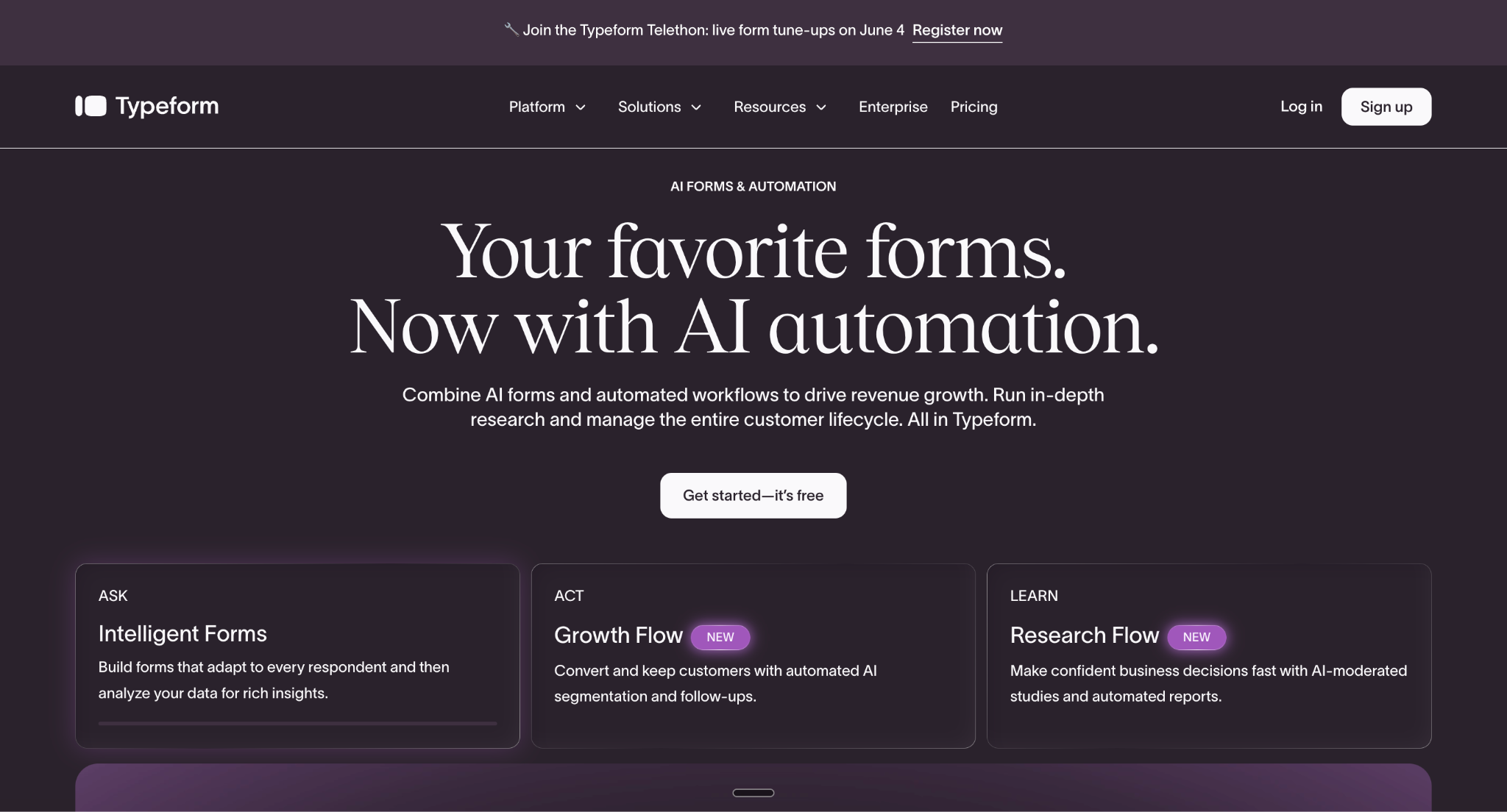
Typeform is known for its conversational approach to forms. Instead of displaying multiple fields at once, it presents questions one at a time to create a more engaging user experience.
Strengths
Excellent user experience
Conversational form design
Strong customization options
Simple to build and deploy
Limitations
Limited marketing automation capabilities
Not designed for advanced lead qualification
CRM enrichment requires third-party integrations
Less suitable for complex enterprise workflows
Best For
Companies focused on improving form completion rates and user experience.
4. Formstack
Overview
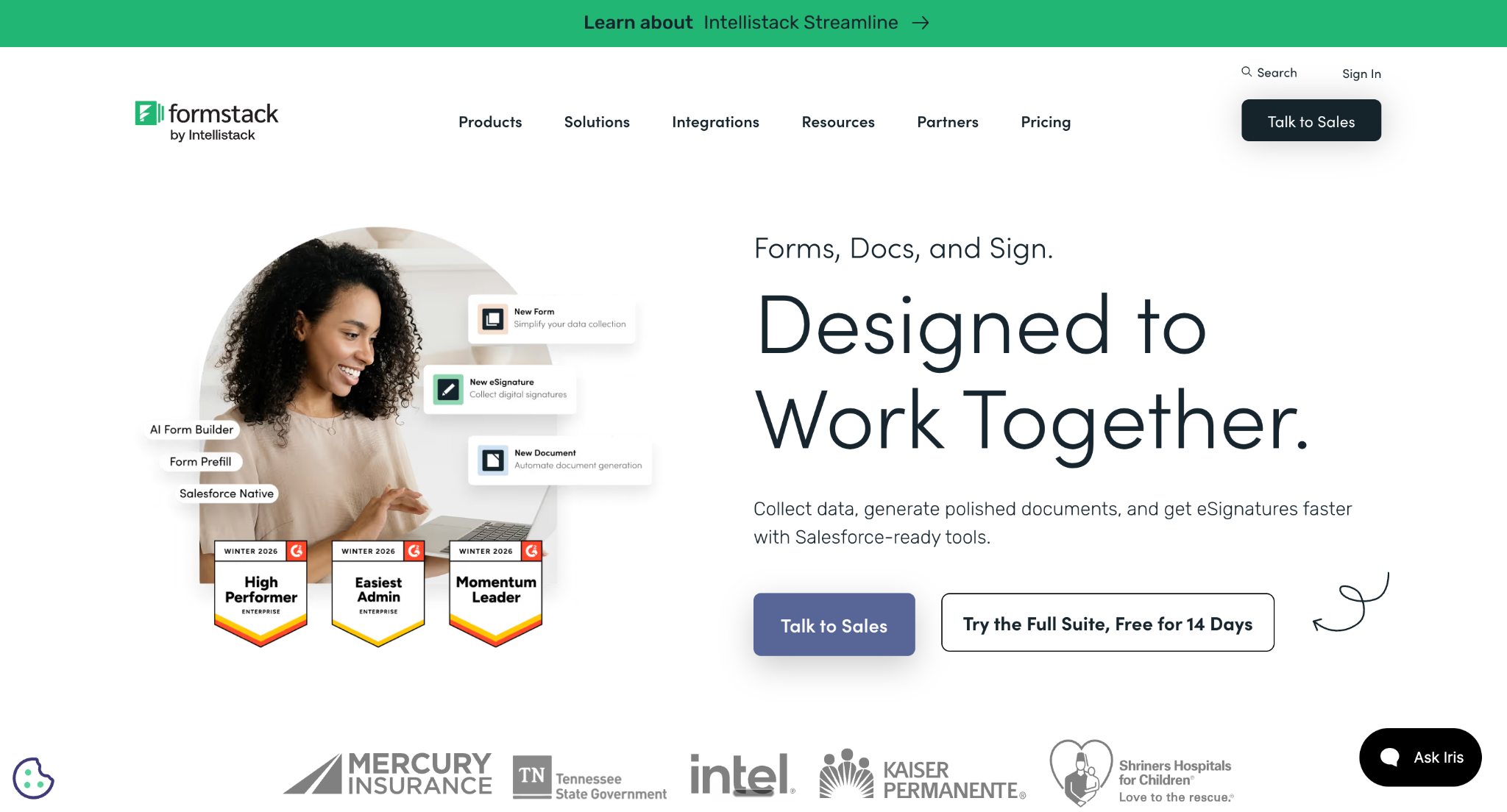
Formstack is an enterprise-focused form and workflow automation platform designed for organizations that require approvals, compliance controls, and operational process automation.
Strengths
Enterprise-grade workflow automation
Strong compliance and security features
Flexible approval processes
Robust integrations
Limitations
More expensive than many alternatives
User experience is less modern than some competitors
Not built around buyer activation or qualification
Can require significant setup and administration
Best For
Large organizations that need workflow automation and compliance-focused forms.
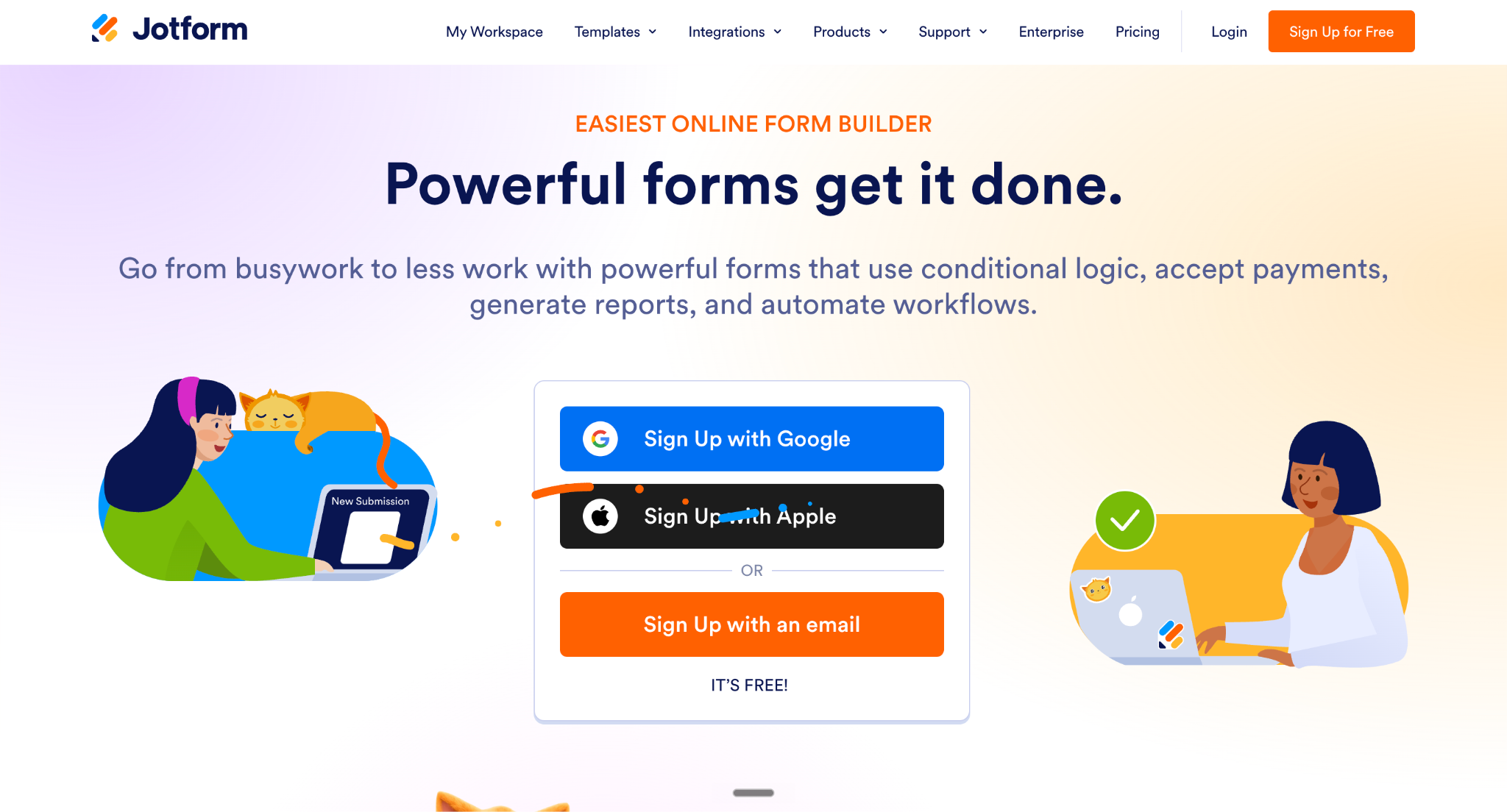
5. Jotform
Overview
Jotform is a versatile online form builder with a large template library and extensive integration ecosystem. It supports a wide range of use cases, from lead generation to internal operations.
Strengths
Easy to use
Extensive template library
Large integration ecosystem
Flexible customization options
Limitations
Limited qualification capabilities
CRM enrichment requires external tools
Primarily focused on form creation
Analytics are less advanced than dedicated marketing platforms
Best For
Businesses looking for a flexible and easy-to-use form builder.
6. Pardot Forms
Overview
Pardot Forms, part of Salesforce Account Engagement, helps Salesforce-centric organizations capture and nurture leads while maintaining alignment between marketing and sales.
Strengths
Native Salesforce integration
Lead scoring and nurturing capabilities
Strong reporting for Salesforce users
Enterprise-focused functionality
Limitations
Can be expensive
Requires Salesforce expertise
Limited buyer activation capabilities
Qualification still relies heavily on form submissions
Best For
Organizations deeply invested in the Salesforce ecosystem.
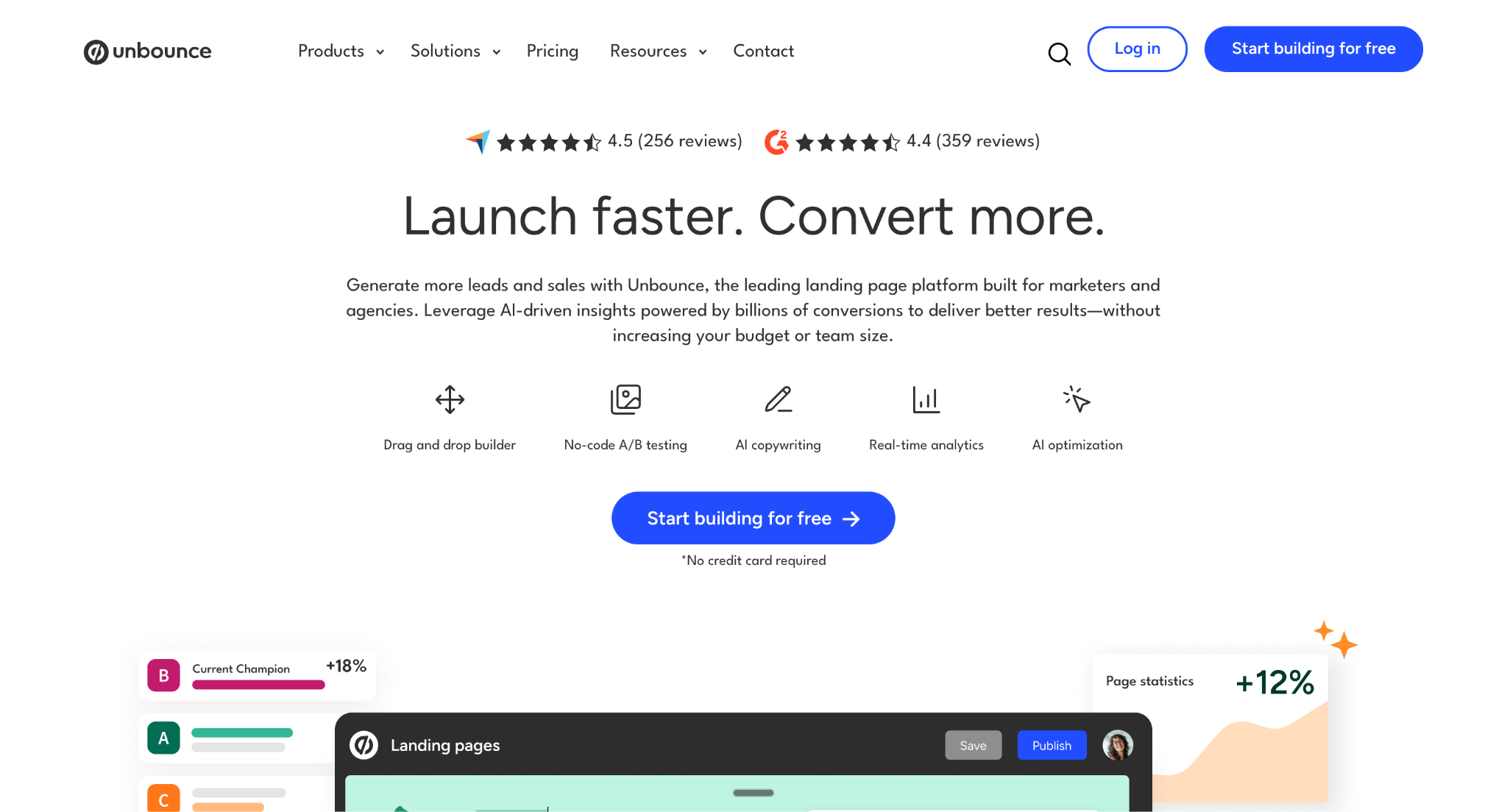
7. Unbounce Forms
Overview
Unbounce combines landing pages, conversion optimization tools, and forms to help marketers improve campaign performance and increase conversions.
Strengths
Excellent landing page builder
Conversion-focused design tools
A/B testing capabilities
Strong campaign optimization features
Limitations
Forms are not the primary product focus
Limited CRM enrichment capabilities
Not designed for lead qualification
Requires additional tools for deeper automation
Best For
Marketing teams focused on landing page optimization and conversion rate improvement.
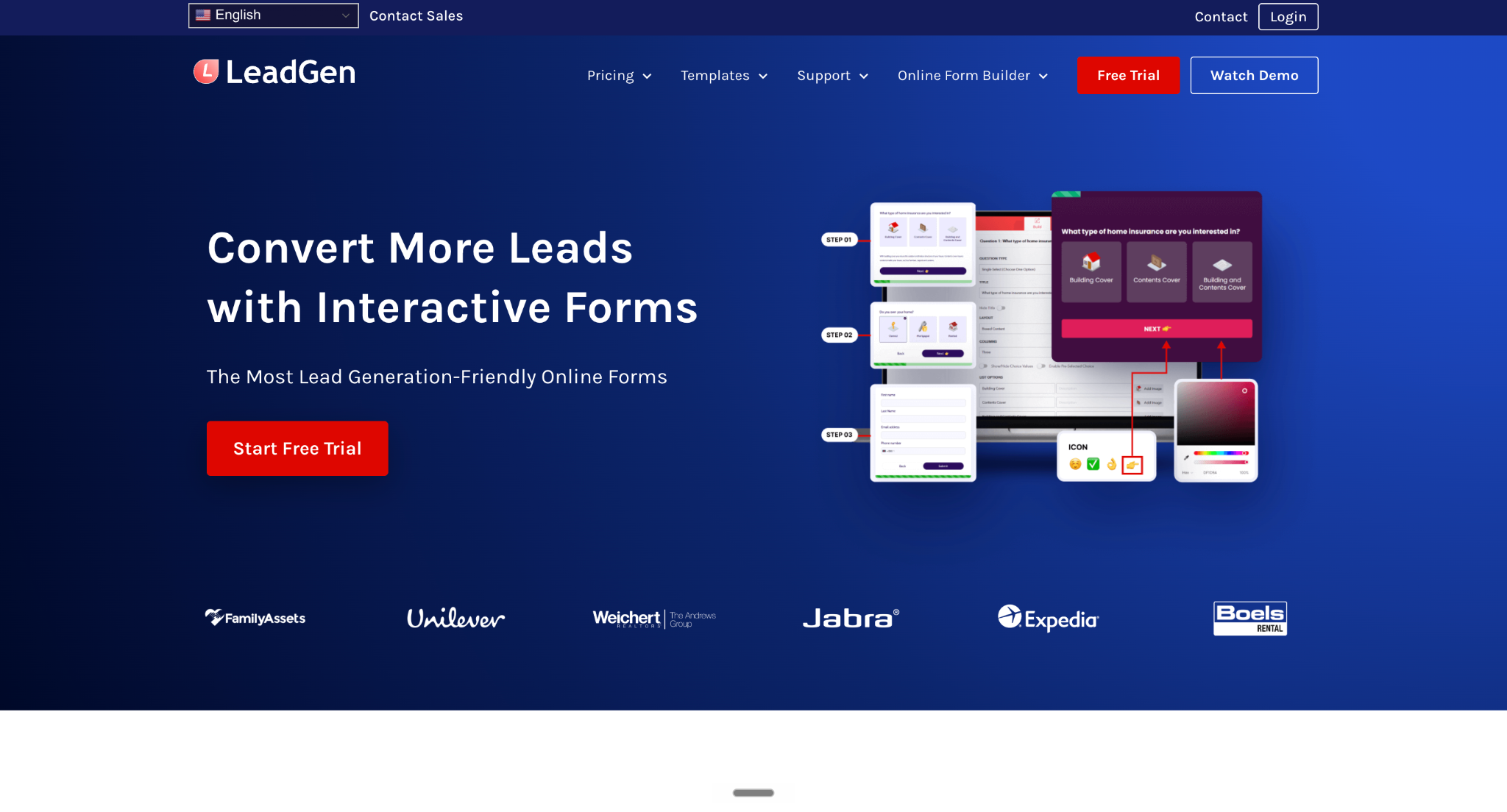
8. LeadGen App
Overview
LeadGen App is a lead generation platform built around multi-step forms and interactive conversion experiences designed to increase lead capture.
Strengths
Multi-step form functionality
Lead generation-focused features
Good customization options
Conversion-oriented design
Limitations
Limited automation capabilities
Smaller ecosystem than major competitors
Minimal buyer activation functionality
Relies heavily on form completion
Best For
Organizations looking to improve lead generation through interactive forms.
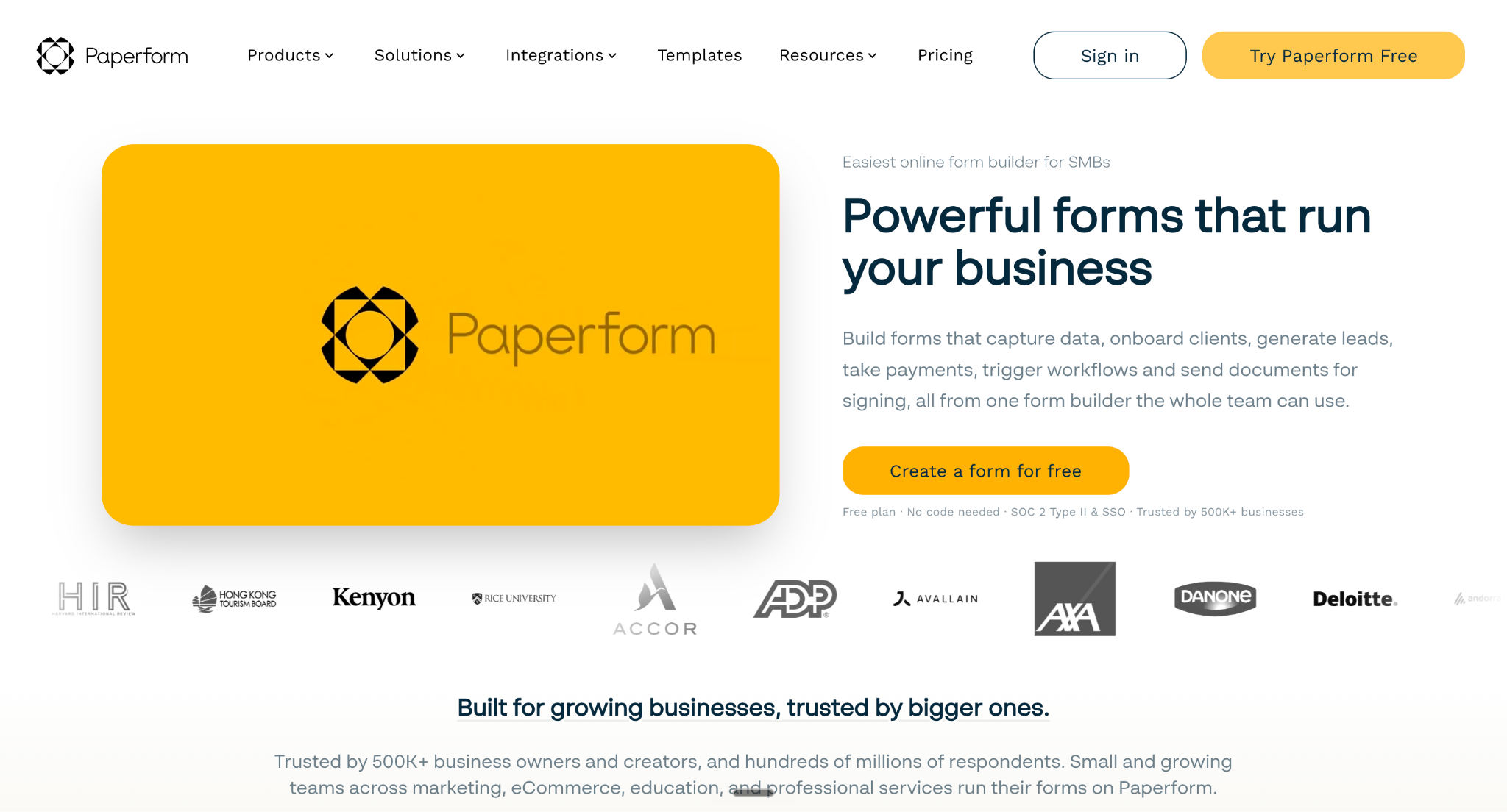
9. Paperform
Overview
Paperform blends forms, landing pages, and digital experiences into a flexible platform that emphasizes design and customization.
Strengths
Highly customizable experiences
Strong design flexibility
Easy content creation
Supports payments and bookings
Limitations
Limited enterprise capabilities
Less focused on marketing automation
CRM enrichment requires integrations
Not built for advanced qualification workflows
Best For
Businesses that want visually appealing and highly customizable forms.
10. Tally
Overview
Tally is a lightweight form builder that has gained popularity for its simplicity, ease of use, and generous free plan.
Strengths
Easy to use
Fast setup
Affordable pricing
Generous free offering
Limitations
Limited enterprise functionality
Minimal automation features
Fewer advanced integrations
Not designed for complex revenue operations
Best For
Startups and small businesses seeking a simple form builder.
11. Fillout
Overview
Fillout is a modern form platform designed to work closely with tools such as Airtable, Notion, and other workflow-driven systems.
Strengths
Strong Airtable integration
User-friendly interface
Flexible form customization
Modern design experience
Limitations
Limited qualification features
Smaller ecosystem than major platforms
CRM enrichment requires external solutions
Primarily focused on data collection
Best For
Teams using Airtable, Notion, and workflow-centric applications.
12. Gravity Forms
Overview
Gravity Forms is one of the most established WordPress form plugins, offering advanced customization and developer-friendly functionality.
Strengths
Deep WordPress integration
Highly customizable
Large add-on ecosystem
Strong developer support
Limitations
Requires WordPress
More technical than hosted alternatives
Limited marketing automation capabilities
Qualification and enrichment require additional tools
Best For
Organizations running WordPress websites that need advanced form functionality.
13. WPForms
Overview
WPForms is a beginner-friendly WordPress form builder designed to simplify form creation while providing useful integrations and templates.
Strengths
Easy to use
Strong WordPress integration
Large template library
Quick deployment
Limitations
Limited advanced automation
Primarily focused on form collection
Less suitable for enterprise workflows
Buyer qualification requires external systems
Best For
Small businesses and WordPress users looking for an easy-to-manage form solution.
Marketo Forms vs Knock AI
Marketo Forms and Knock AI solve different parts of the revenue generation process.
Marketo Forms is designed to capture lead information and feed prospects into marketing automation workflows. It's a strong choice for organizations that want structured lead collection, nurturing, and CRM integration.
Knock AI takes a broader approach. Instead of focusing solely on lead capture, it helps revenue teams identify, qualify, enrich, engage, and convert buyers throughout the buying journey. The platform is built around buyer activation, helping organizations turn existing demand into pipeline while preserving buyer momentum.
```html id="3qk7mh"
Capability
Marketo Forms
Knock AI
Lead Capture
✅
✅
Form Enrichment
❌
✅
CRM Enrichment
❌
✅
Identity Resolution
❌
✅
AI Qualification
❌
✅
Buyer Activation
❌
✅
AI Follow-Up
❌
✅
Buyer Re-Engagement
❌
✅
Inbound AI SDR
❌
✅
Multi-Channel Engagement
Limited
✅
```
The biggest difference is where qualification begins.
With Marketo Forms, qualification typically starts after a prospect submits information. With Knock AI, qualification can begin as soon as buyer intent is detected, helping teams engage prospects earlier and reduce delays between interest and action.
Knock AI also extends beyond the website. In addition to capturing demand through traditional web experiences, it helps organizations engage buyers across channels such as LinkedIn, email, Slack, WhatsApp, webinars, events, trade shows, PDFs, G2 profiles, and QR codes.
This broader approach helps revenue teams do more than generate leads. It helps them preserve buyer memory, maintain momentum, and create opportunities for engagement throughout the entire buying journey.
"Marketo Forms captures leads. Knock AI activates buyers."
Which Marketo Forms Alternative Is Right for You?
The best Marketo Forms alternative depends on what you're trying to accomplish. Some platforms help you build better forms. Others help you automate workflows, improve user experience, or align with your CRM. Increasingly, however, revenue teams are looking beyond lead capture and focusing on buyer activation.
Choose Knock AI if...
You want to move beyond traditional forms and focus on:
Buyer activation
Form enrichment
CRM enrichment
Identity resolution
AI qualification
Automated follow-up
Buyer re-engagement
Multi-channel engagement
Pipeline creation
Knock AI is best suited for organizations that want to identify, qualify, engage, and convert buyers throughout the buying journey rather than waiting for prospects to complete a form.
Choose HubSpot Forms if...
You already use HubSpot and want CRM-native lead capture, marketing automation, lead nurturing, and reporting within a unified platform.
Choose Typeform if...
Your primary goal is improving the form experience and increasing completion rates through conversational and visually engaging forms.
Choose Formstack if...
You need enterprise-grade workflows, approvals, compliance controls, and operational process automation.
Choose Jotform if...
You want a flexible, easy-to-use form builder with a large template library and broad integration support.
Choose Pardot if...
Your organization is heavily invested in Salesforce and needs tight alignment between marketing automation, lead scoring, and CRM workflows.
The Future of Lead Generation Is Buyer Activation
For years, lead generation was measured by form fills, contact records, and database growth. Today, the conversation is shifting.
Modern buyers research independently, engage across multiple channels, compare vendors anonymously, and often delay identifying themselves until late in the buying process. As a result, revenue teams are focusing less on collecting information and more on understanding intent, preserving momentum, and creating meaningful engagement.
This shift is driving increased investment in qualification, enrichment, identity resolution, and conversational engagement. The goal is no longer simply to generate leads. It's to identify buying signals earlier, engage prospects faster, and convert more existing demand into pipeline.
Organizations that can enrich data automatically, qualify buyers in real time, maintain mindshare throughout the buying journey, and engage prospects across multiple touchpoints are increasingly outperforming those that rely exclusively on traditional lead capture workflows.
Forms still have a place. The problem is that most buying journeys don't start or end with a form.
Modern revenue teams are increasingly replacing lead capture-first strategies with buyer activation, form enrichment, CRM enrichment, identity resolution, and Inbound AI SDR workflows that convert existing demand into pipeline.
FAQs
What is the best Marketo Forms alternative?
The best Marketo Forms alternative depends on your goals. Organizations looking for CRM-native lead capture often choose HubSpot Forms, while companies focused on buyer activation, form enrichment, CRM enrichment, and AI qualification increasingly evaluate platforms such as Knock AI.
Why are companies moving beyond traditional forms?
Many buyers research anonymously and engage across multiple channels before identifying themselves. As a result, revenue teams are investing in buyer activation, enrichment, and real-time qualification to convert more existing demand into pipeline.
What is form enrichment?
Form enrichment automatically fills in company and contact information using existing data sources, reducing the number of fields buyers need to complete and helping improve conversion rates.
What is CRM enrichment?
CRM enrichment enhances lead and account records with additional information such as company details, firmographics, technologies used, and buyer intelligence data to improve qualification and routing decisions.
What is an Inbound AI SDR?
An Inbound AI SDR is an AI-powered system that identifies, qualifies, engages, and follows up with inbound buyers automatically, helping revenue teams accelerate response times and improve conversion rates.
Can Marketo Forms identify anonymous visitors?
Marketo Forms can capture information submitted through forms, but they do not natively identify most anonymous visitors before they provide their details.
What is buyer activation?
Buyer activation is the process of identifying buying intent and engaging prospects while interest is still high. It focuses on turning existing demand into pipeline rather than simply collecting leads.
How do you qualify leads without forms?
Modern revenue teams use identity resolution, CRM enrichment, behavioral signals, intent data, and AI qualification to evaluate buyer readiness without relying exclusively on form submissions.


.svg)


.svg)
.svg)
.svg)


.svg)
.svg)


.svg)