star iconstar iconstar icon
icon starDecorative blue sparkle icon
Get Started

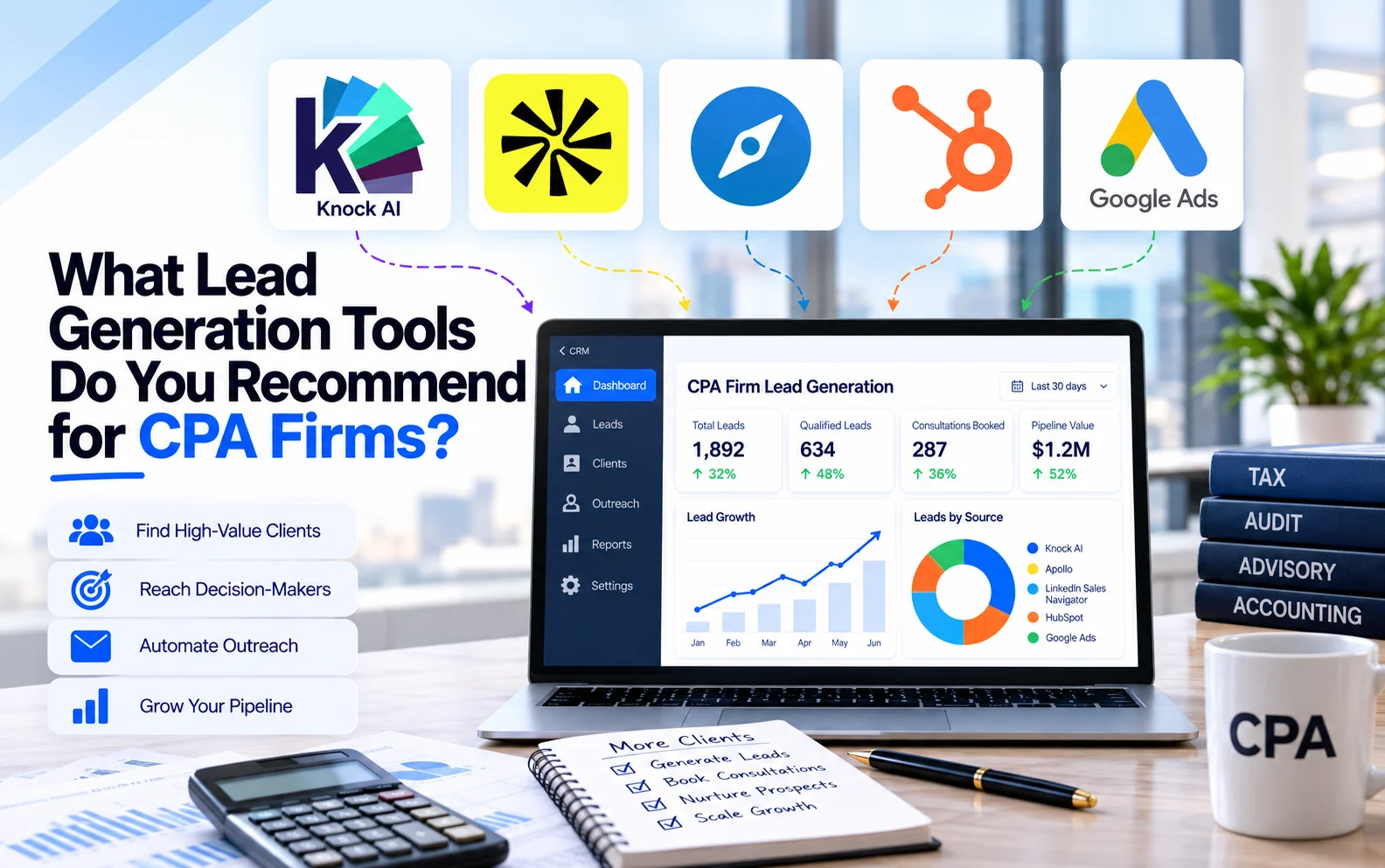
What Lead Generation Tools Do You Recommend for CPA Firms?

‍

CPA firms don't necessarily need more leads. They need more of the right businesses, at the right time, with a genuine need for the services they provide.

A large list of business owners is not particularly useful if most prospects are outside the firm's niche, below its minimum engagement size, located outside its service area, or have no reason to change accountants. At the same time, relying entirely on referrals can make growth difficult to predict.

CPA firms can build a more consistent acquisition system by combining several channels. Referrals leverage existing client relationships and trust. Inbound demand captures businesses already searching for accounting, tax, bookkeeping, or advisory services. Outbound prospecting gives firms a proactive way to reach specific businesses and decision-makers. Intent-driven acquisition goes a step further by identifying accounts that are showing signals suggesting they may have a relevant need.

The objective isn't to replace referrals or choose one channel over another. It's to create a system that consistently identifies potential clients, understands why they might need help, and gives the firm an opportunity to engage them before that opportunity disappears.

A practical CPA lead generation process can be viewed as:

Target → Identify → Trigger → Engage → Qualify → Consult → Convert

First, target the businesses that fit your firm's ideal client profile. Then identify the right companies and decision-makers. Look for a trigger that creates a reason for the business to consider accounting help. Engage with relevant messaging and useful expertise. Qualify the opportunity based on fit, need, timing, and value. Move qualified prospects into a consultation, and ultimately convert them into clients.

‍

Why Lead Generation Is Different for CPA Firms

‍

Lead generation for a CPA firm has a different set of considerations from selling a typical product or subscription. Clients are trusting the firm with sensitive financial information, often for an ongoing relationship, and the value of the engagement can vary significantly from one business to another.

That makes trust, specialization, client fit, timing, and relationship quality just as important as the number of leads entering the funnel.

CPA Services Are Built on Trust

A business choosing a CPA isn't simply purchasing a standardized product. It is choosing a professional who may handle tax information, financial statements, payroll, accounting records, compliance, and strategic financial decisions.

As a result, prospects often want evidence that a firm understands their situation before they are comfortable starting a conversation.

That can include:

This is why a CPA firm's lead generation strategy cannot be separated entirely from its reputation.

Someone searching for an accountant may compare several firms before contacting any of them. The website, reviews, partner profiles, content, industry specialization, and previous client results can all influence whether that prospect decides to book a consultation.

The lead generation process therefore needs to do more than get a prospect's attention. It needs to give them enough confidence to take the next step.

The Best CPA Clients Are Usually Specific

A firm that tries to target every business can end up with a large but inconsistent pipeline.

A better approach is to define the types of clients the firm is best positioned to serve. That could be based on:

For example, a firm specializing in accounting for e-commerce companies can build much more specific messaging and prospecting criteria than a firm simply advertising itself as a general accounting provider.

This specificity also improves lead qualification. Instead of asking only "Is this a business that needs an accountant?", the firm can ask:

"Is this the type of business we are particularly equipped to help, and is the potential engagement valuable enough for both sides?"

Timing Matters

Even a perfect-fit business may not be looking for a CPA today.

The opportunity becomes more relevant when something changes in the business and creates a new financial, tax, accounting, or advisory need.

Potential triggers include:

These events don't automatically mean a company is ready to switch providers. A funding announcement, for example, is a potential buying trigger, not proof of intent.

But when a relevant trigger is combined with strong ICP fit and evidence of interest, it gives the firm a much stronger reason to prioritize that account.

That's the difference between simply asking:

"Who could become a client?"

and asking:

"Which businesses could become clients, and why might they need our help now?"

Referrals Are Valuable, But Hard to Predict

Referrals are particularly valuable for CPA firms because trust is already transferred from the existing client to the prospective client.

The problem is predictability.

A firm might receive several strong referrals in one month and very few the next. It also has limited control over when existing clients encounter someone who needs accounting services.

That doesn't mean firms should move away from referrals. Instead, referrals can become one part of a broader acquisition system.

A more predictable approach can combine:

Referrals + Inbound Search + Outbound Prospecting + Intent Signals + Follow-Up

Referrals continue to provide high-trust opportunities. Search and content can capture businesses actively looking for help. Outbound can proactively reach specific businesses that fit the firm's ICP. Intent signals can help identify when an account may be entering a relevant buying window. Follow-up ensures potential clients don't disappear simply because the first interaction didn't result in an immediate consultation.

The goal is not to replace the relationship-driven nature of accounting.

It's to build a repeatable system around it, so the firm can create more opportunities while still relying on the trust and expertise that make CPA relationships valuable in the first place.

‍

What Makes a Good CPA Lead?

‍

Not every business that needs accounting services is a good lead for a CPA firm. A valuable lead should fit the firm's specialization, have a genuine need, be commercially viable, and have enough intent or context to justify a sales conversation.

The following framework can help firms evaluate leads before investing significant time in outreach or consultations.

‍

Factor What to Look For
Industry Fits the firm's specialization and existing expertise
Company size Meets the firm's target revenue, employee, or business-size range
Service need Requires services the firm actually provides, preferably with recurring potential
Decision-maker Owner, founder, CFO, controller, or another relevant decision-maker is identified
Timing Has a relevant business trigger or an immediate accounting, tax, or advisory need
Intent Demonstrates meaningful interest through search, website activity, engagement, inquiry, or other relevant behavior
Potential value Meets the firm's minimum engagement value or expected client lifetime value
Geography Falls within the firm's service area or target market
Capacity Can be served profitably without creating an operational or service burden

‍

The important point is that lead quality is multidimensional. A business might fit the firm's industry and location but still be a weak opportunity if it has no immediate need, falls below the firm's minimum engagement, or doesn't match its service capabilities.

A stronger lead combines several factors: good fit + relevant need + appropriate timing + meaningful intent + commercial value.

This framework can also be used to configure lead generation tools. Instead of simply asking a platform to find "business owners," a firm can define the characteristics that make an account worth pursuing and use those criteria to prioritize its pipeline.

‍

What Should a CPA Lead Generation Tool Actually Do?

‍

A CPA lead generation tool should do more than produce a list of businesses. It should help the firm move from finding potential clients to understanding, engaging, qualifying, and converting them.

Different tools will handle different parts of this process, so the right stack depends on where the firm's current acquisition process has the biggest gap.

‍

Capability Why It Matters
Prospect discovery Find businesses that fit the firm's ICP and target market
Contact discovery Identify owners, founders, CFOs, controllers, and other relevant decision-makers
Enrichment Add company, industry, size, location, technology, and other useful business context
Trigger detection Identify events that could create a new accounting, tax, or advisory need
Intent detection Recognize meaningful signs that a prospect may be researching or considering a service
Lead capture Capture prospects coming through websites, forms, campaigns, search, or other inbound channels
Engagement Start relevant conversations based on the prospect's situation and context
Qualification Filter prospects based on ICP fit, service need, timing, intent, and potential value
Follow-up Keep relevant prospects engaged instead of allowing interested leads to go cold
CRM/pipeline management Track prospects from initial lead through consultation, proposal, and client conversion
Attribution Identify which channels and campaigns are actually generating clients and revenue

‍

The most important distinction is between lead generation and lead delivery.

A tool that gives a CPA firm 1,000 business contacts has technically generated a list, but it hasn't necessarily solved the firm's acquisition problem. The more useful system helps answer:

Who fits us? → Why might they need us? → Are they showing interest? → Who should contact them? → What should happen next?

That's the standard we should use when evaluating the tools below.

Knock AI vs Apollo vs LinkedIn Sales Navigator vs HubSpot vs Google Ads

‍

Tool Primary Role Best For Key Signal / Data Lead Qualification Automation Inbound / Outbound Best Fit for CPA Firms
Knock AI Buyer identification and conversion Turning account and buyer activity into qualified conversations Buyer intent, website activity, account context, engagement Strong High Both CPA firms targeting businesses and wanting to identify and act on active buying signals
Apollo Prospecting and outbound Finding target businesses and contacts at scale Contact, company, and prospect data Moderate High Outbound Firms building targeted outbound campaigns
LinkedIn Sales Navigator Prospect and relationship discovery Finding business owners, founders, CFOs, and other decision-makers Professional profiles, company data, job changes, LinkedIn activity Mostly manual Moderate Outbound Firms using relationship-driven prospecting and LinkedIn outreach
HubSpot CRM and lead management Managing leads from first interaction through conversion CRM, website, email, form, and sales activity Strong High Both Firms that need a central system for lead capture, follow-up, nurturing, and pipeline management
Google Ads / Local Services Ads Demand capture Reaching people actively searching for accounting services Search intent, keywords, location, campaign activity After lead capture High Inbound CPA firms looking to capture high-intent local or service-specific demand
See Knock AI in Action — Book Your Live Demo Today

Best Lead Generation Tools for CPA Firms

‍

1. Knock AI

‍

Knock AI

‍

What It Does

Knock AI helps CPA firms identify businesses and buyers showing meaningful interest, understand the context behind that activity, and turn those signals into sales conversations.

Instead of relying only on static prospect lists, Knock AI connects account information, buyer activity, intent signals, engagement, qualification, and routing so firms can act when a potential client is actually showing interest.

How It Helps CPA Firms

For CPA firms targeting businesses, the challenge is rarely finding companies that could need accounting services. The harder part is identifying which businesses are relevant and which ones may have a reason to engage now.

Knock AI can help firms:

This makes it particularly useful for firms selling higher-value or recurring services such as tax advisory, outsourced accounting, CFO services, or business advisory.

Where It Fits in the Client Acquisition Journey

Identify → Understand → Detect Intent → Engage → Qualify → Route → Convert

Knock AI sits across several stages rather than functioning as just a prospect database or advertising channel. Its role is to help a firm understand who is showing interest, what that interest means, and what should happen next.

Best For

What to Consider

Knock AI is most useful when a firm knows which types of businesses it wants to acquire and has a process for acting on qualified signals. It is less about simply generating a large contact list and more about turning buyer and account activity into actionable opportunities.

Focus: Identify → Understand → Detect Intent → Engage → Qualify → Route → Convert

2. LinkedIn Sales Navigator

‍

LinkedIn Sales Navigator

‍

What It Does

LinkedIn Sales Navigator helps CPA firms find and research specific people and businesses on LinkedIn. Firms can use filters based on industry, company size, geography, seniority, job title, and other criteria to build targeted prospect lists.

How It Helps CPA Firms

CPA firms often know the type of client they want but need a reliable way to find the people responsible for financial decisions.

For example, a firm targeting technology companies could use Sales Navigator to identify founders, CFOs, finance leaders, or other relevant decision-makers at companies that match its target profile.

It can help firms:

Where It Fits

Target → Identify → Research → Engage

Sales Navigator is primarily a prospect discovery and research layer. The firm still needs a separate process for qualification, outreach, follow-up, and converting the relationship into a client.

Best For

What to Consider

Sales Navigator can make prospect research much more targeted, but finding the right person does not necessarily mean that person is ready to buy. CPA firms still need a strong value proposition, relevant messaging, qualification process, and follow-up strategy.

Focus: Finding business owners, founders, CFOs, and other decision-makers within specific ICPs.

3. Apollo

‍

Apollo

‍

What It Does

Apollo combines B2B prospecting, contact data, enrichment, and outbound engagement. CPA firms can use it to build lists of businesses and contacts that match their target market and then run structured outreach campaigns.

How It Helps CPA Firms

If a CPA firm wants to move beyond referrals and proactively target a specific group of businesses, Apollo can reduce much of the manual work involved in finding and contacting prospects.

For example, a firm specializing in accounting for SaaS companies could build a prospect list based on company characteristics, identify relevant contacts, enrich their information, and use that data in an outbound campaign.

It can help with:

Where It Fits

Prospecting → Contact Data → Enrichment → Outbound → Follow-up

Apollo is primarily an outbound acquisition tool. Its strength is helping firms systematically reach a defined market rather than waiting for prospects to discover them.

Best For

What to Consider

The quality of an Apollo campaign depends heavily on targeting and messaging. A large database does not automatically produce qualified CPA clients. Firms should prioritize ICP fit and relevant business triggers over simply increasing the number of contacts.

Focus: Prospecting → Contact Data → Enrichment → Outbound

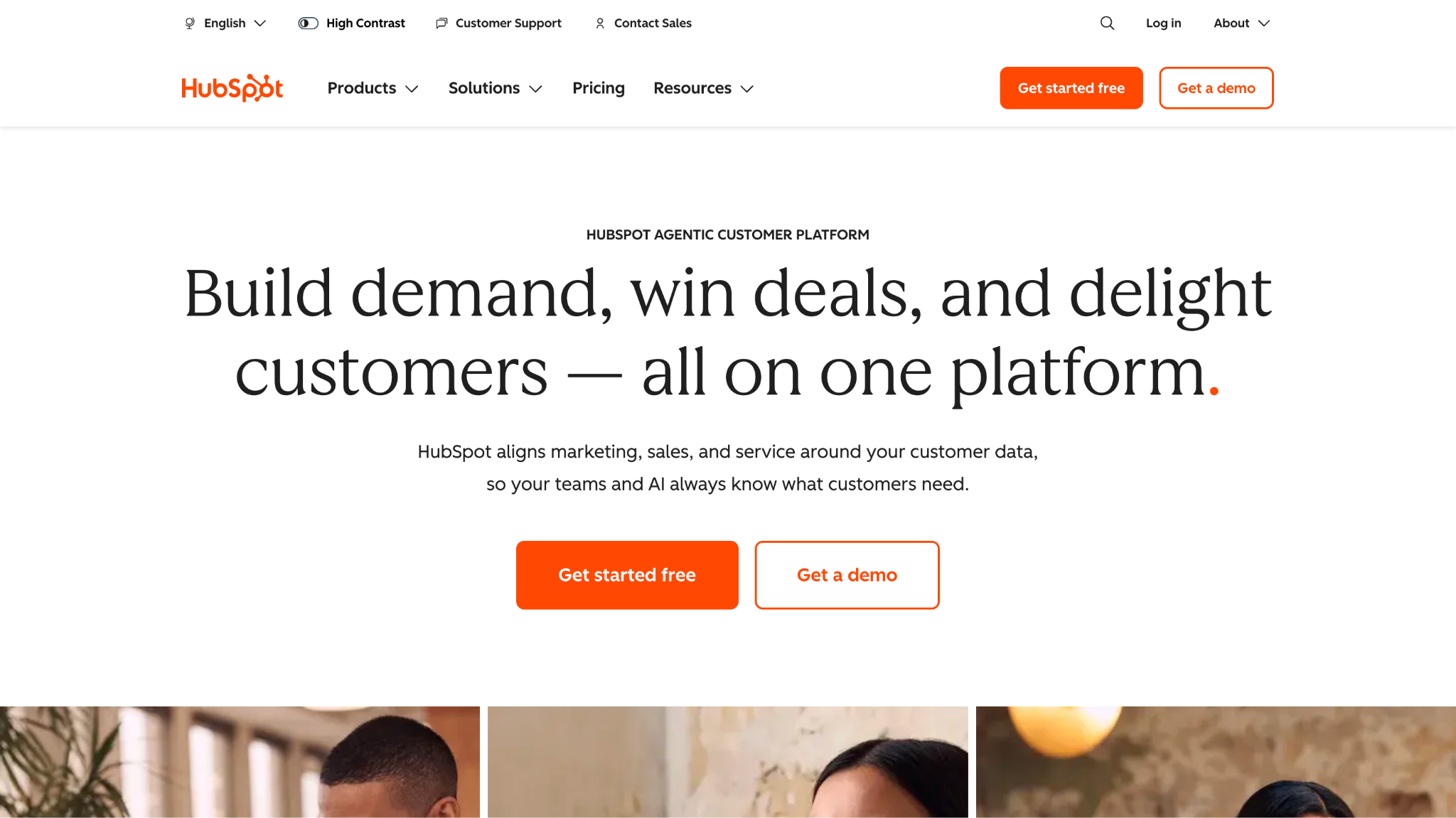
4. HubSpot

‍

HubSpot

‍

What It Does

HubSpot provides CRM and marketing and sales tools that CPA firms can use to capture leads, organize contact information, manage follow-ups, automate workflows, and track prospects through the client acquisition process.

How It Helps CPA Firms

Generating a lead is only the beginning. CPA firms also need to make sure inquiries are followed up, prospects are qualified, consultations are scheduled, and opportunities do not disappear because nobody followed up.

HubSpot can help firms:

Where It Fits

Lead Capture → CRM → Qualification → Follow-up → Consultation → Client Conversion

HubSpot is particularly useful as the system that keeps the acquisition process organized after prospects enter the firm's ecosystem.

Best For

What to Consider

HubSpot is a broader CRM and customer platform rather than a CPA-specific lead source. Its value depends on how well the firm designs its pipeline, qualification criteria, workflows, and follow-up process.

Focus: Lead capture → CRM → Qualification → Follow-up → Client conversion

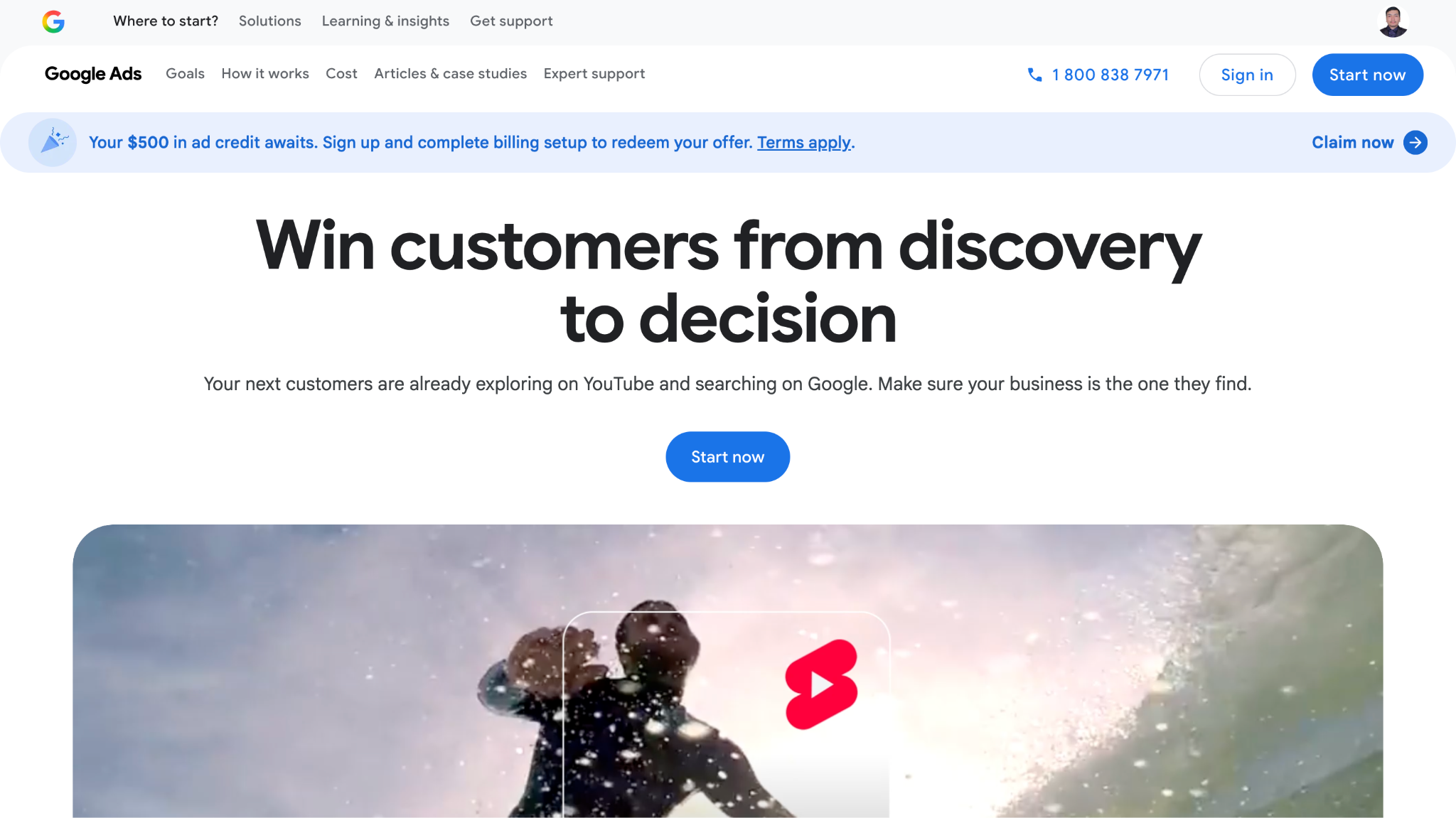
5. Google Ads / Local Services Ads

‍

Google Ads / Local Services Ads

‍

What It Does

Google Ads and Local Services Ads help CPA firms capture demand from people who are already searching for accounting, tax, bookkeeping, or related services.

Instead of identifying potential clients before they express interest, these channels allow firms to appear when someone is actively looking for a service.

How It Helps CPA Firms

Search intent can be particularly valuable for CPA firms because the prospect may already have a specific need.

Someone searching for terms such as:

is expressing a much clearer need than someone who simply matches a firm's target customer profile.

These channels can help firms:

Where It Fits

Search Intent → Click / Call → Lead → Qualification → Consultation → Client

Google Ads and Local Services Ads primarily solve the demand capture part of lead generation. The firm still needs a strong landing page, fast response, qualification process, and consultation workflow to turn that demand into clients.

Best For

What to Consider

Paid search can generate highly relevant inquiries, but performance depends on targeting, keywords, location, ad messaging, landing pages, budget, and what happens after the lead arrives. Generating clicks or calls alone does not guarantee qualified clients.

Focus: Capturing prospects who are already searching for accounting and tax services.

‍

How to Build a CPA Lead Generation Workflow

‍

A reliable CPA lead generation system should move prospects from fit → intent → trust → conversation → client, rather than simply generating more contacts.

Step 1: Define Your Ideal Client

Specify the industries, company size, geography, service needs, and minimum engagement value you want to target.

Step 2: Find Target Businesses

Use prospecting platforms, Google Search, LinkedIn, referrals, and account intelligence to identify businesses that match your ICP.

Step 3: Identify Buying Triggers

Look for events that can create a need for accounting services, such as funding, expansion, hiring, a new entity, tax issues, acquisitions, or rapid growth.

Step 4: Build Trust Before the Pitch

Use reviews, niche expertise, case studies, useful content, referrals, credentials, and a strong online presence to reduce the trust gap before asking for a consultation.

Step 5: Engage and Qualify

Start relevant conversations and determine whether the prospect has the right fit, need, timing, and potential value.

Step 6: Book the Consultation

Move qualified prospects into a consultation or discovery process where the firm can understand their situation and recommend the appropriate services.

Step 7: Track the Entire Pipeline

Track the journey from:

Lead → Qualified Lead → Consultation → Proposal → Client → Revenue

‍

How CPA Firms Can Generate More Qualified Leads

‍

Specialize Before Scaling Lead Volume

A defined niche makes it easier to identify the right prospects, communicate relevant expertise, and build trust. Instead of targeting every business that needs accounting, focus on the types of clients the firm can serve particularly well.

Target Businesses Around Buying Triggers

Don't target businesses solely because they fit your ICP. Look for events that suggest a potential need for your services, such as expansion, hiring, funding, acquisitions, or changes in their business structure.

Combine ICP Fit With Intent

A company can be a perfect fit and still have no immediate need. Combining who the prospect is with what they are doing helps prioritize prospects that have both fit and potential buying interest.

Use Content to Build Trust Before the Sales Conversation

CPA services involve financial decisions and sensitive business information. Helpful content, industry-specific insights, case studies, reviews, and educational resources can give prospects reasons to trust the firm before they speak with someone.

Turn Website Activity Into Sales Signals

Not every visitor is a lead. But repeated visits to service pages, pricing information, industry pages, or consultation pages can provide useful context when combined with other signals.

Automate Follow-Up

A good lead can become a lost opportunity simply because nobody follows up consistently. Use CRM workflows, reminders, email sequences, and lead routing to make sure qualified prospects receive timely follow-up.

Build a System Around Referrals Instead of Relying Only on Them

Referrals can be an important source of CPA clients, but firms have limited control over when they arrive. Create a repeatable referral process while building additional channels such as search, content, outbound prospecting, and relationship-based business development.

Measure Clients and Revenue, Not Just Leads

A campaign that produces hundreds of inquiries but few profitable clients may look successful at the lead level. Track what happens after the lead is generated and connect acquisition activity to actual client revenue.

‍

How to Measure CPA Lead Generation

‍

Focus on metrics that show whether lead generation is producing commercially valuable clients:

‍

Metric What It Tells You
Qualified leads Whether you're attracting prospects that actually fit the firm's criteria
Consultation rate Whether initial interest is turning into conversations
Proposal rate Whether consultations are creating genuine opportunities
Client conversion rate Whether opportunities are becoming clients
Average client value Whether acquired clients have meaningful commercial value
Cost per client What the firm actually spends to acquire each client
Client acquisition source Which channels are producing actual clients
Revenue generated The financial outcome of the lead generation effort

‍

Common CPA Lead Generation Mistakes

‍

Buying Cheap Leads Instead of Targeting the Right Clients

Cheap leads can create more volume without creating more qualified opportunities. Focus on client fit, service needs, and potential value.

Targeting Everyone Instead of Choosing a Niche

A broad audience makes targeting and messaging less relevant. Define the industries, business profiles, and services that matter most to the firm.

Relying Entirely on Referrals

Referrals can be valuable, but they are difficult to control consistently. Build additional acquisition channels alongside a structured referral process.

Sending Generic Outreach

Generic messages give prospects little reason to respond. Outreach should reflect the prospect's business, situation, industry, or potential need.

Ignoring Buying Triggers

Knowing that a company fits your ICP isn't enough. Timing matters. Look for events that can create a genuine need for accounting or advisory services.

Treating Every Website Visitor as a Lead

Traffic and leads are not the same thing. Evaluate visitor behavior and other available signals before treating activity as buying interest.

Failing to Follow Up Consistently

A qualified prospect can disappear simply because follow-up stops after the first interaction. Create a defined process for follow-up and ownership.

Measuring Lead Volume Instead of New Client Revenue

More leads do not necessarily mean more business. Measure the journey from lead generation through qualified opportunities, clients, and revenue.

‍

FAQs

‍

What are the best lead generation tools for CPA firms?

The right tool depends on the acquisition problem you're trying to solve. Knock AI focuses on identifying buyer signals and turning them into conversations, Apollo on prospecting and outbound, LinkedIn Sales Navigator on finding decision-makers, HubSpot on CRM and lead management, and Google Ads or Local Services Ads on capturing existing search demand.

How do CPA firms generate more clients?

CPA firms can combine niche targeting, referrals, search, content, outbound prospecting, buyer-intent signals, and consistent follow-up. The key is building a repeatable process that moves prospects from initial interest to consultation and eventually to client.

What is the best lead generation tool for accountants?

There isn't one tool that serves every acquisition strategy. The appropriate choice depends on whether the firm needs prospect discovery, outbound outreach, demand capture, buyer-intent identification, or CRM and follow-up.

How do I get high-quality CPA leads?

Define your ideal client first, then target businesses based on fit, service need, timing, and potential value. Prioritize prospects showing relevant buying signals instead of optimizing solely for lead volume.

How can CPA firms find business owners?

Firms can use LinkedIn Sales Navigator, Apollo, business directories, search, referrals, and other prospecting or account-intelligence sources to identify businesses and their decision-makers.

How can CPA firms generate leads without relying on referrals?

Firms can build additional channels through organic search, paid search, LinkedIn prospecting, outbound campaigns, industry-specific content, partnerships, and intent-driven lead generation.

How can CPA firms identify businesses that need accounting services?

Look for both ICP fit and buying triggers. Business expansion, hiring, funding, acquisitions, new entities, tax-related needs, and other significant changes can indicate a potential need for accounting or advisory support.

How can CPA firms convert more leads into clients?

Improve qualification, respond quickly, personalize conversations, establish trust, follow up consistently, and make the consultation process easy to start. Tracking conversion at each stage can also reveal where prospects are dropping out.

What is the best CRM for a CPA firm?

A suitable CRM should help the firm capture leads, organize prospect information, track consultations and proposals, automate follow-up, and connect acquisition sources with client outcomes. HubSpot is one option for firms looking for these capabilities.

How much does CPA lead generation cost?

The cost varies significantly based on the acquisition channel, target market, location, service value, competition, and whether the firm uses paid advertising, outbound prospecting, referrals, organic search, or lead generation software. The more useful commercial metric is often cost per acquired client, rather than cost per lead alone.

‍