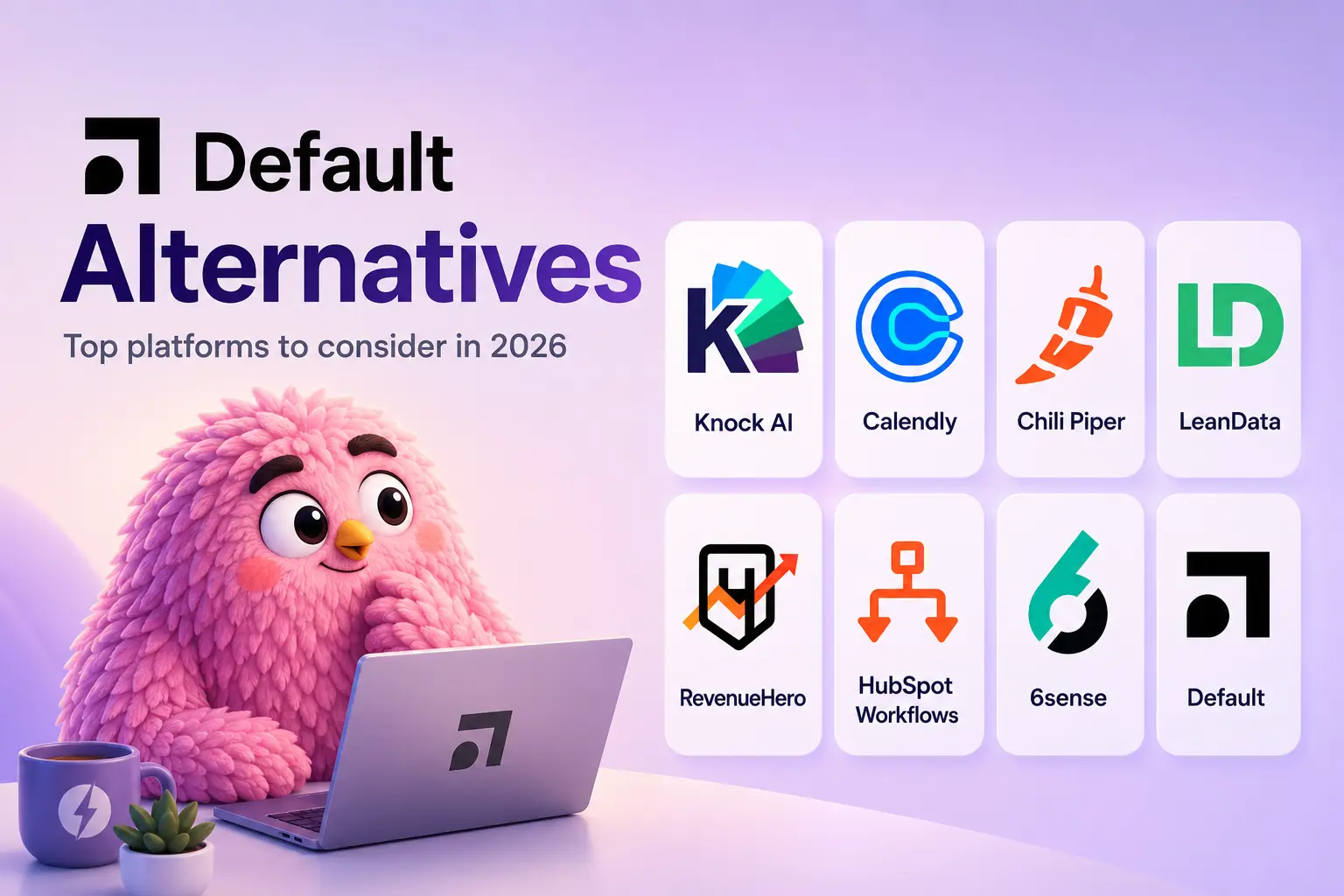
7 Best Default Alternatives in 2026 (Compared by GTM Use Case)
7 Best Default Alternatives in 2026 (Compared by Real GTM Use Case)
What is the best Default alternative in 2026?
The best Default alternative depends on where your funnel is leaking.
Default combines routing, scheduling, workflows, enrichment, and CRM orchestration into a broad revenue operations platform. But many teams evaluating alternatives are not actually trying to improve routing infrastructure. They are trying to reduce buyer drop-off before qualification and scheduling ever begin.
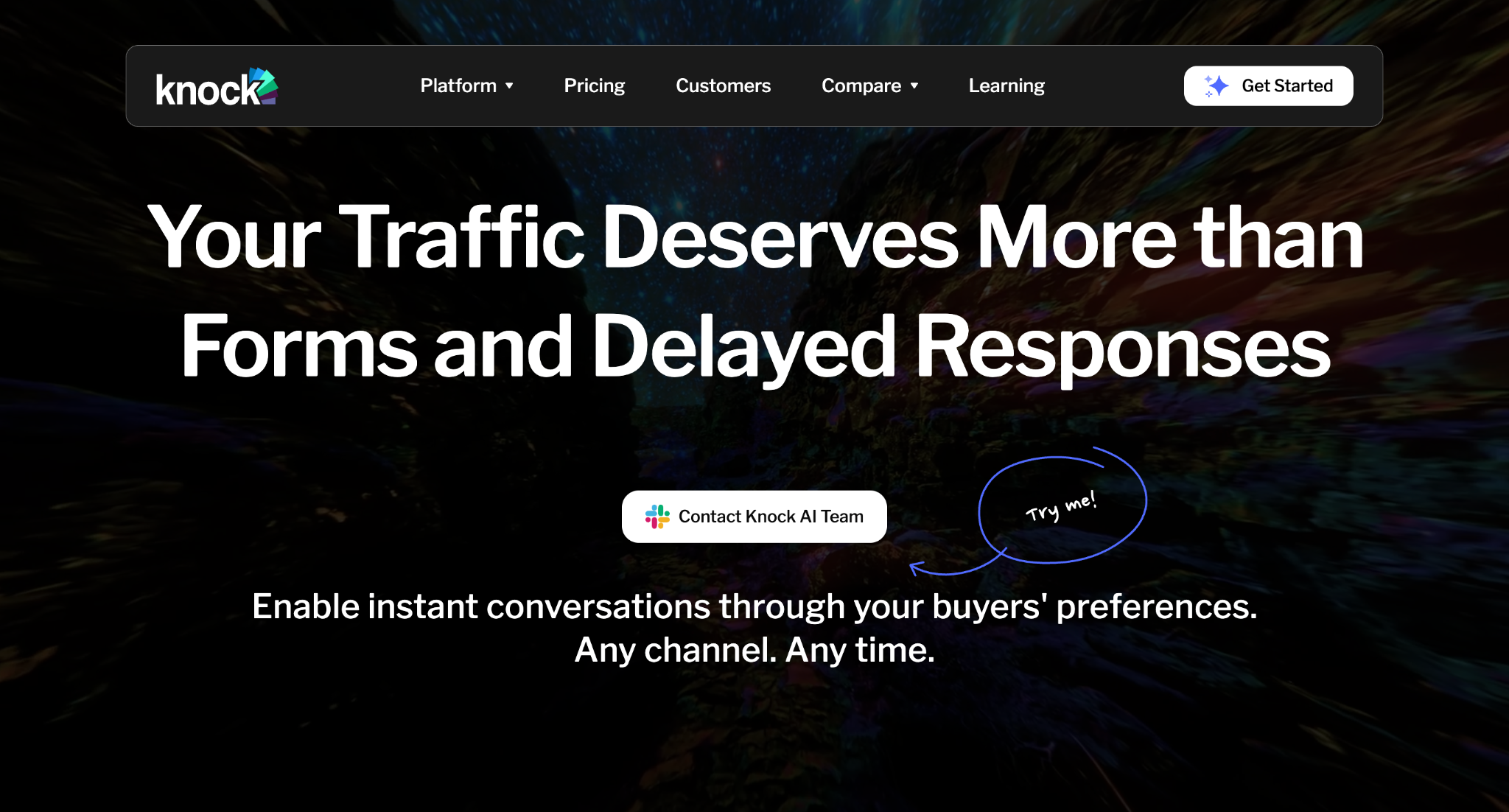
Choose Knock AI if your biggest challenge is converting inbound intent before buyers drop off. Knock AI focuses on form-free buyer activation, AI qualification, real-time enrichment, and messaging-first engagement across channels like LinkedIn and Slack.
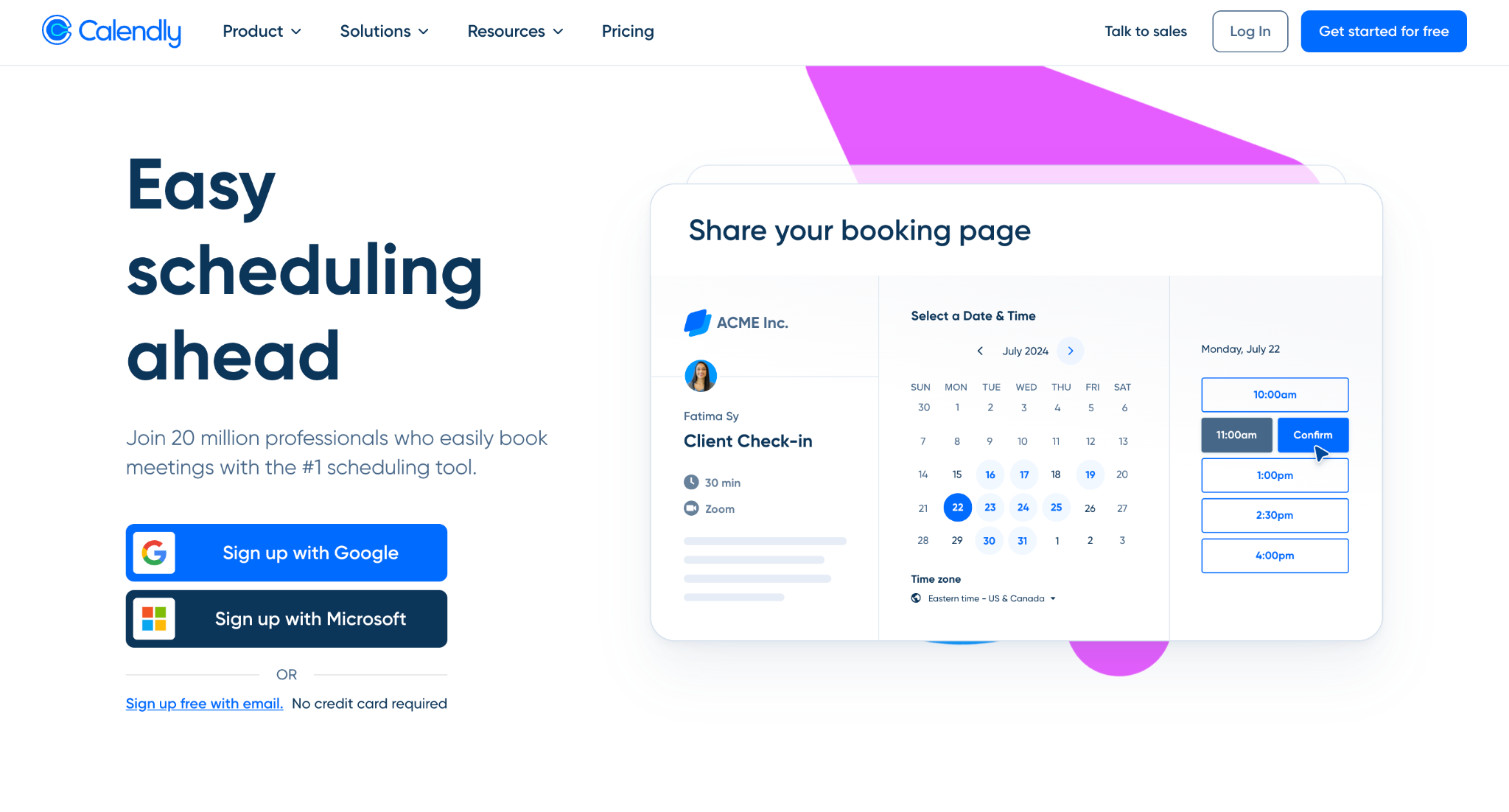
Choose Calendly if you only need lightweight scheduling, routing forms, and fast meeting booking with minimal operational complexity.
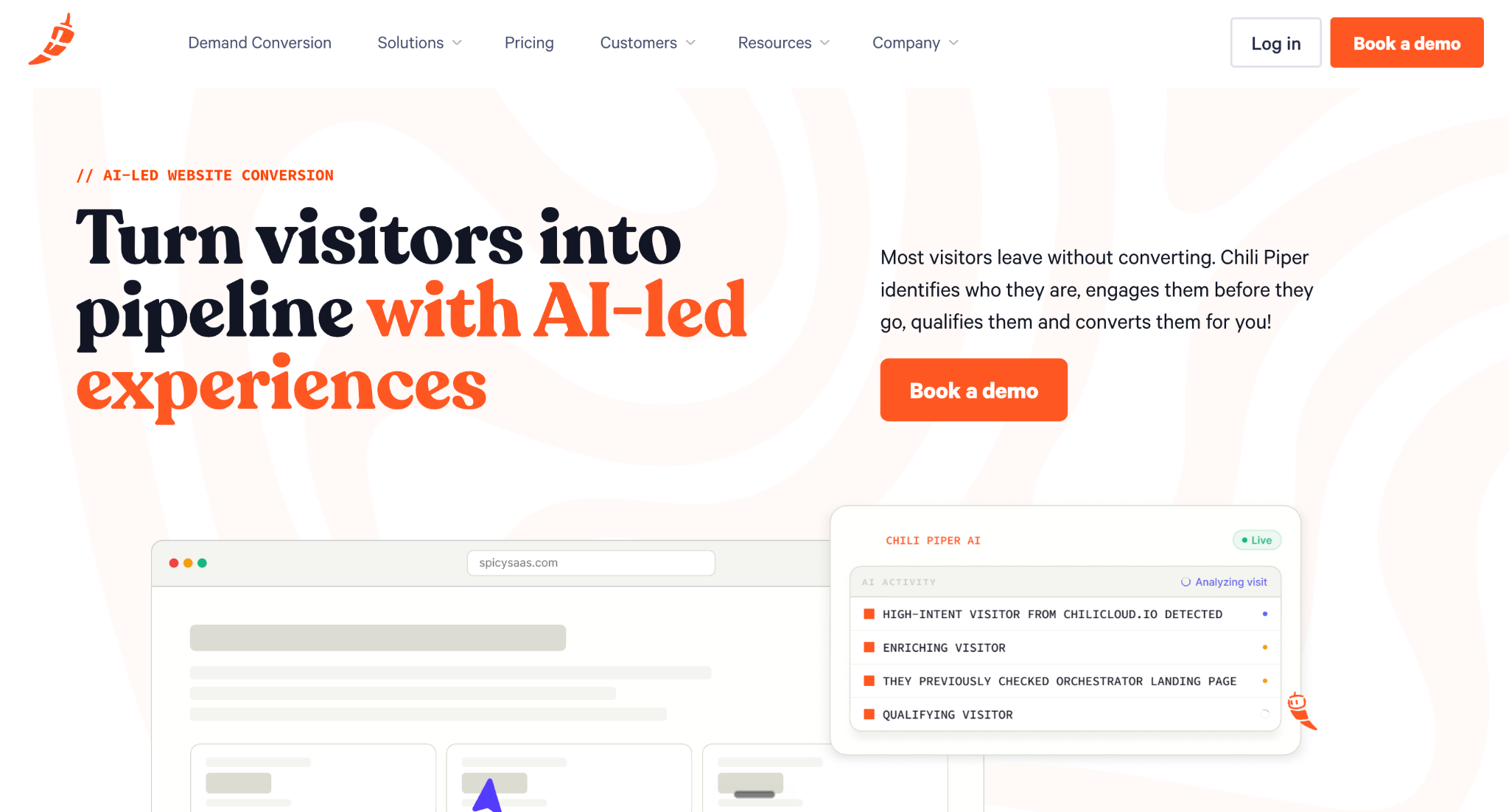
Choose Chili Piper if your organization relies heavily on enterprise inbound routing, SDR-to-AE handoffs, territory assignment, and Salesforce-driven scheduling orchestration.
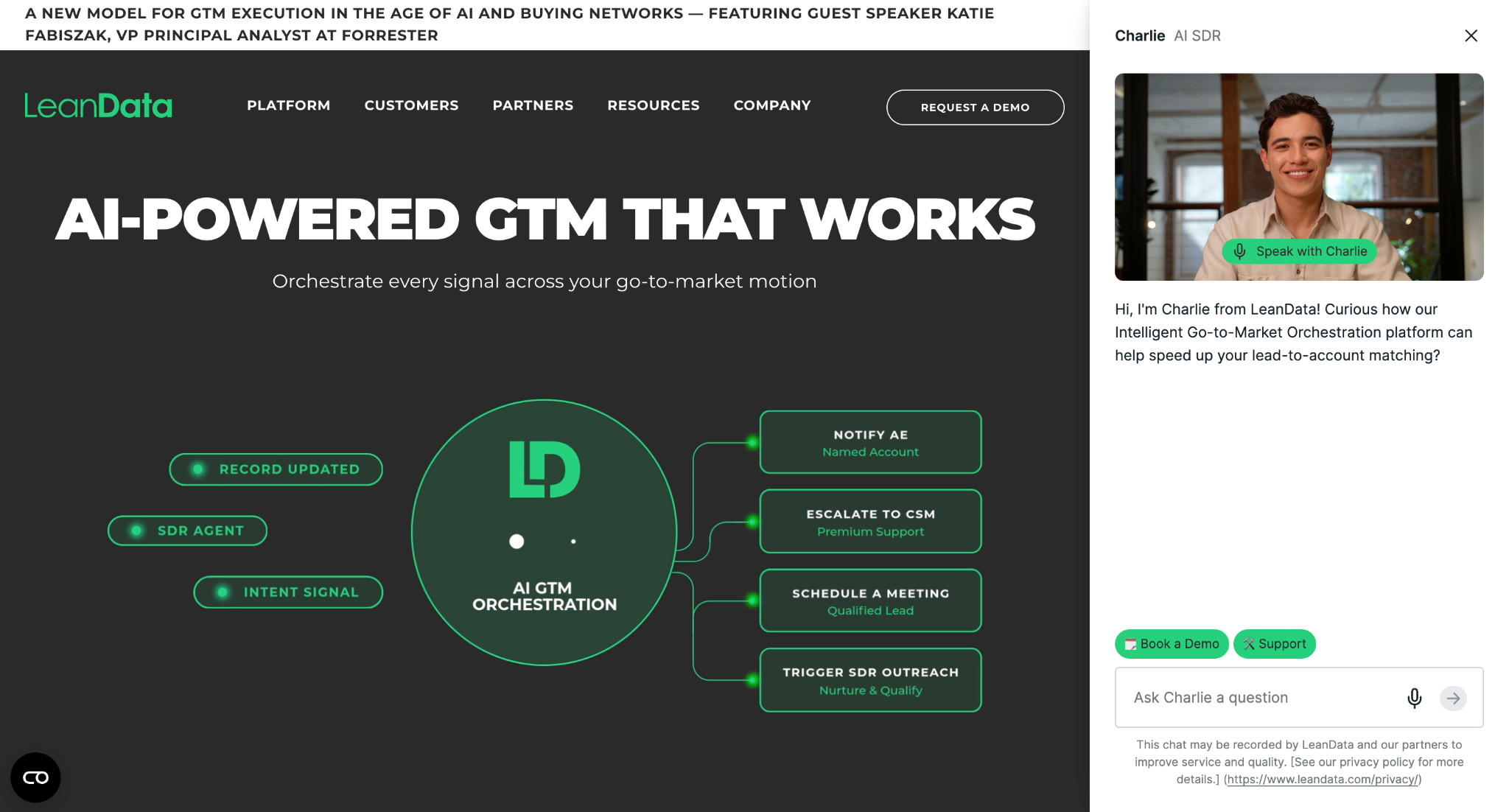
Choose LeanData if your biggest challenge is Salesforce lead-to-account matching, account ownership logic, and enterprise RevOps orchestration.
Choose HubSpot Workflows if most of your GTM infrastructure already lives inside HubSpot and your primary need is native CRM workflow automation.
Choose RevenueHero if you want inbound routing and scheduling automation built around HubSpot or Salesforce workflows.
Choose 6sense if your focus is account prioritization, buyer intent data, predictive analytics, and ABM intelligence rather than scheduling infrastructure.
Most teams evaluating Default are usually trying to solve one of five operational problems:
inbound routing
scheduling automation
buyer qualification
CRM orchestration
pipeline conversion
The mistake many companies make is implementing a broad operational platform when the actual bottleneck is much smaller and more specific.
For some teams, the problem is simply scheduling meetings faster. For others, it is routing inbound leads correctly. For modern PLG and inbound GTM teams, the bigger issue is often converting buyer intent before the buyer disappears entirely.
The best revenue platforms optimize the exact stage of the funnel where your team is losing pipeline, not just the operational workflow around meetings.
Best Default Alternatives Compared
Tool
Best For
Primary Engagement Model
Core Positioning
Key Strengths
Biggest Limitations
Pricing Style
Ideal Team Type
Knock AI
Form-free buyer activation & pipeline growth
Form-free + multi-channel
Revenue activation platform focused on converting buyer intent before qualification friction occurs
Default has evolved beyond traditional meeting scheduling software into a broader revenue operations platform.
The platform now combines:
routing
scheduling
forms
workflows
enrichment
CRM orchestration
operational automation
Instead of operating as simple calendar software, Default increasingly functions as a GTM workflow layer designed to automate inbound qualification, routing, assignment, and scheduling across the revenue stack.
This includes:
inbound lead routing
qualification workflows
CRM assignment logic
enrichment workflows
scheduling orchestration
RevOps automation
That distinction matters because teams evaluating Default alternatives are usually not replacing a booking tool.
They are deciding how much operational infrastructure they actually need after a buyer enters the funnel.
For some organizations, Default becomes a centralized orchestration layer connecting:
Salesforce
HubSpot
qualification workflows
routing logic
scheduling infrastructure
handoff automation
But many modern GTM teams are not struggling with routing sophistication.
They are struggling with:
buyer drop-off before forms
slow qualification
weak engagement after booking
operational complexity
low meeting attendance
This is where the market is starting to shift.
Traditional routing platforms optimize workflows after form submission.
Modern pipeline platforms increasingly focus on engaging and qualifying buyers before conversion friction causes intent to disappear.
“Most teams do not need more routing infrastructure. They need fewer conversion bottlenecks.”
The 7 Best Default Alternatives
1. Knock AI — Best for Form-Free Buyer Activation
Best For
PLG and inbound GTM teams focused on increasing pipeline conversion, reducing buyer drop-off, and improving meeting attendance.
What Knock AI Actually Does
Knock AI is designed to help revenue teams engage and qualify buyers before they disappear from the funnel.
Instead of relying heavily on traditional forms and delayed follow-up, the platform focuses on real-time buyer interaction and messaging-first engagement.
Core capabilities include:
formless qualification
real-time enrichment
AI SDR workflows
LinkedIn, Slack, and WhatsApp engagement
scheduling and routing
persistent buyer follow-up
CRM synchronization
intent-based qualification
Instead of treating scheduling as the end of the workflow, Knock AI continues engagement after booking to help reduce no-shows and maintain buyer momentum.
Knock AI also supports multi-channel engagement beyond the website itself, which is important because modern buyers increasingly engage across:
LinkedIn
communities
events
outbound touchpoints
direct messaging
partner ecosystems
Instead of treating scheduling as the final step, Knock AI continues engagement after booking to help reduce no-shows and keep buyer momentum active.
Why Teams Choose It Over Default
Teams evaluating Default alternatives often realize their biggest problem is not routing sophistication.
It is conversion leakage before buyers ever enter the routing workflow.
Knock AI is commonly chosen by teams that want to:
reduce form friction
capture high-intent buyers earlier
improve qualification speed
increase meeting attendance
simplify buyer engagement workflows
The platform is particularly valuable for organizations where:
buyers avoid forms
inbound traffic is strong but conversion is weak
no-show rates are high
SDR follow-up is inconsistent
messaging-first engagement performs better than email-heavy workflows
This creates a fundamentally different operating model: conversation-first instead of routing-first.
Biggest Limitation
Knock AI is less focused on outbound sequencing infrastructure and large-scale cold outbound automation compared to platforms built specifically for outbound sales engagement.
Best Use Cases
Knock AI is strongest for:
inbound conversion
pipeline acceleration
high-intent buyer engagement
reducing no-shows
PLG qualification
conversational qualification
messaging-first GTM workflows
buyer activation before form drop-off
“Knock AI focuses on converting buyer intent before it disappears.”
2. Calendly — Best for Simple Scheduling
What Calendly Actually Does
Calendly is primarily designed to simplify meeting booking and scheduling coordination.
Its core functionality includes:
scheduling links
routing forms
calendar synchronization
team scheduling
availability management
automated meeting booking
The platform is built around reducing scheduling friction and making it easier for prospects, customers, and internal teams to book meetings without manual coordination.
Calendly also supports basic routing workflows through routing forms that direct buyers to the appropriate meeting owner based on form responses.
Why Teams Choose It
Most teams choose Calendly because it is:
easy to implement
fast to adopt
lightweight operationally
simple to maintain
Unlike broader routing or RevOps platforms, Calendly requires relatively little workflow administration or CRM orchestration.
That makes it attractive for:
startups
SMB sales teams
customer success teams
small inbound motions
where operational simplicity matters more than deep routing sophistication.
Biggest Limitation
Calendly is not designed for advanced qualification, enterprise routing orchestration, or complex RevOps workflows.
Qualification, enrichment, territory assignment, and operational routing depth remain relatively limited compared to enterprise routing platforms.
Best Use Cases
Calendly is strongest for:
basic scheduling
SMB sales teams
customer meetings
lightweight inbound workflows
internal scheduling coordination
simple booking automation
3. Chili Piper — Best for Enterprise Routing
What Chili Piper Actually Does
Chili Piper is built primarily for enterprise inbound routing and scheduling orchestration.
The platform focuses on:
form routing
concierge scheduling
SDR-to-AE handoffs
territory routing
Salesforce orchestration
web experiences
scheduling automation
ownership assignment logic
Its workflow model is heavily centered around routing inbound leads to the correct rep as quickly as possible while automating meeting coordination across sales teams.
Why Teams Choose It
Enterprise organizations often choose Chili Piper because of its:
advanced routing logic
Salesforce ecosystem depth
inbound qualification workflows
complex ownership management
scheduling automation
enterprise sales workflow support
The platform is particularly strong for organizations managing:
large inbound volumes
territory-based assignment
SDR qualification layers
complex handoff workflows
multi-team scheduling coordination
Biggest Limitation
Chili Piper still depends heavily on forms and operational workflow management.
As routing complexity grows, organizations often inherit:
workflow maintenance
routing QA
field mapping
territory updates
RevOps overhead
The operational layer can become increasingly complex over time.
Best Use Cases
Chili Piper is strongest for:
enterprise inbound routing
complex ownership rules
SDR handoff automation
Salesforce-based routing
territory orchestration
large-scale scheduling workflows
4. LeanData — Best for Salesforce Lead-to-Account Matching
What LeanData Actually Does
LeanData is focused heavily on account orchestration and lead-to-account matching inside Salesforce environments.
Core functionality includes:
lead-to-account matching
account routing
buying group orchestration
territory management
Salesforce workflow automation
account ownership assignment
RevOps orchestration
The platform helps enterprise sales organizations route leads and accounts accurately across complex ownership structures.
Why Teams Choose It
Teams typically adopt LeanData because of its:
strong Salesforce ecosystem support
advanced account orchestration
enterprise-grade routing controls
ABM alignment
ownership management sophistication
It is particularly common in mature RevOps organizations managing:
large account hierarchies
complex territories
enterprise ABM workflows
sophisticated account ownership logic
Biggest Limitation
LeanData introduces significant operational complexity and depends heavily on Salesforce infrastructure.
Implementation, workflow management, and routing administration can become resource-intensive as organizations scale.
Best Use Cases
LeanData is strongest for:
ABM orchestration
enterprise RevOps
territory assignment
account routing
lead-to-account matching
Salesforce-centric GTM workflows
5. HubSpot Workflows — Best for Native CRM Automation
This creates a conversation-first operating model instead of a routing-first workflow.
Best for:
PLG teams
inbound conversion
reducing no-shows
conversational qualification
buyer activation across channels
“The biggest leak in modern funnels happens before routing workflows begin.”
Which Platform Should You Choose?
Choose Default if…
your RevOps team manages complex workflows
you need deep routing orchestration
you rely heavily on Salesforce infrastructure
operational customization is a major priority
Default works best for organizations comfortable operating layered routing and CRM workflows across large GTM environments.
Choose Knock AI if…
buyers drop before completing forms
you want higher meeting attendance
you need messaging-first qualification
you want LinkedIn and Slack engagement
pipeline conversion matters more than routing complexity
Knock AI is especially effective for PLG and inbound GTM teams where buyer intent disappears quickly and engagement must continue after booking.
Choose Calendly if…
you only need lightweight scheduling
routing requirements are simple
fast deployment matters most
Choose LeanData if…
Salesforce account orchestration is your primary bottleneck
you need advanced lead-to-account matching
your GTM motion depends heavily on territory assignment
Choose RevenueHero if…
you want HubSpot-centric routing workflows
your inbound process depends on qualification and round robin scheduling
you need lightweight inbound routing automation
“The best revenue platform is not the one with the most workflows. It is the one that removes the biggest conversion bottleneck.”
FAQs
What is the best Default alternative in 2026?
The best alternative depends on your GTM bottleneck. Knock AI is best for buyer activation and pipeline conversion, Chili Piper for enterprise routing, LeanData for Salesforce orchestration, and Calendly for lightweight scheduling.
Is Knock AI a Default competitor?
Yes. Both platforms support routing and qualification workflows, but Knock AI focuses more on form-free buyer engagement, AI qualification, and pipeline conversion.
What is the best Default alternative for enterprise routing?
Chili Piper and LeanData are typically the strongest options for enterprise routing, ownership management, and Salesforce orchestration.
Which Default alternative is best for HubSpot users?
RevenueHero and HubSpot Workflows are strong choices for HubSpot-centric routing and CRM automation workflows.
Which Default alternative is best for Salesforce teams?
LeanData and Chili Piper are usually the best fits for Salesforce-heavy enterprise environments.
Is Calendly a Default alternative?
Yes, but Calendly is significantly simpler. It focuses mainly on scheduling and lightweight routing rather than broader RevOps infrastructure.
What is the difference between Default and RevenueHero?
RevenueHero focuses more narrowly on inbound routing and HubSpot-centric scheduling workflows, while Default operates as a broader revenue operations platform.
Which platforms support LinkedIn and Slack engagement?
What is the best form-free alternative to Default?
Knock AI is one of the strongest form-free alternatives because it focuses on messaging-first qualification and reducing buyer drop-off before forms.
Which Default alternative is best for buyer intent and ABM?
6sense is strongest for buyer intent signals, account prioritization, and enterprise ABM workflows.
How do modern GTM teams reduce meeting no-shows?
Modern GTM teams reduce no-shows through persistent buyer engagement, faster qualification, messaging-first follow-up, and post-booking engagement workflows.
What is the difference between scheduling software and pipeline platforms?
Scheduling software optimizes meeting booking. Pipeline platforms optimize qualification, engagement, attendance, and pipeline conversion before and after meetings.


.svg)


.svg)
.svg)
.svg)


.svg)
.svg)


.svg)