star iconstar iconstar icon
Get Started

7 Best RevenueHero Alternatives for 2026: Tools That Do More Than Just Book Meetings

RevenueHero is one of the better-known inbound scheduling and routing platforms for B2B teams. But in 2026, most GTM teams are looking for more than faster meeting booking.

They want:

That shift is changing how companies evaluate scheduling and routing software.

Instead of choosing tools based only on calendar automation, revenue teams now care about:

As a result, many companies are now exploring RevenueHero alternatives that go beyond traditional scheduling workflows.

In this guide, we compare the best RevenueHero alternatives for modern GTM teams, including platforms built for:

We’ll break down each platform’s strengths, limitations, ideal use cases, and which type of revenue team it fits best.

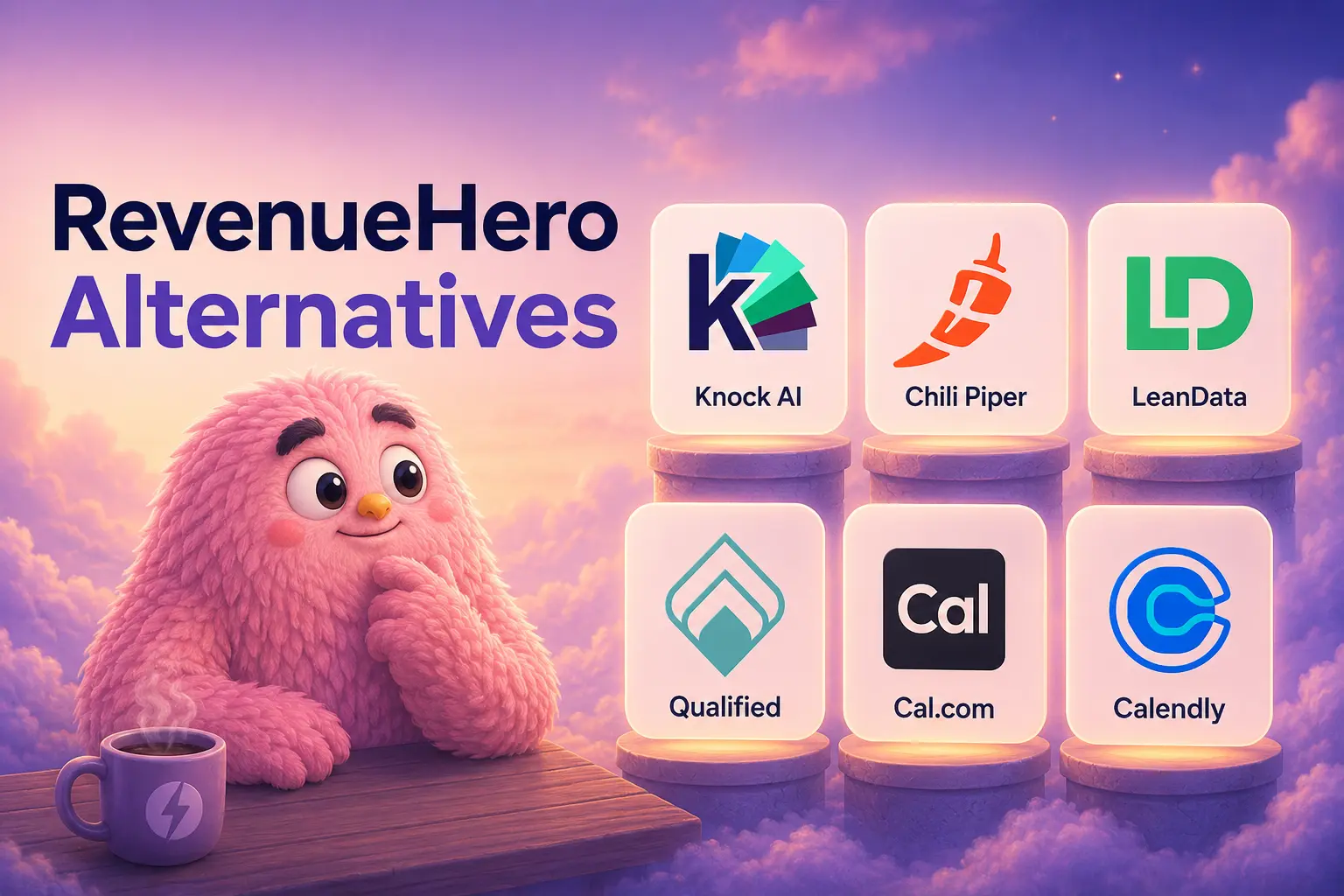
The best RevenueHero alternatives in 2026 include:

Why Teams Are Looking Beyond RevenueHero in 2026

Modern revenue teams want more than meeting scheduling

A few years ago, most inbound conversion tools were evaluated based on one thing: how quickly they could get a meeting on the calendar.

That is no longer enough.

Modern GTM teams are increasingly optimizing for:

In other words, revenue teams no longer want tools that simply automate scheduling. They want systems that can help identify high-intent buyers, route them intelligently, and improve the likelihood that meetings actually turn into pipeline.

This shift is one of the biggest reasons companies are now exploring RevenueHero alternatives that go beyond traditional routing and booking workflows.

Forms create friction during high-intent moments

One of the biggest challenges with traditional inbound scheduling workflows is the reliance on forms.

Modern buyers are increasingly less willing to:

Even small amounts of friction can reduce conversion rates during high-intent moments.

As a result, many modern revenue teams are adopting workflows built around:

Instead of forcing buyers through static routing flows, newer platforms focus on reducing friction and helping prospects move from intent to conversation as quickly as possible.

That shift has accelerated the demand for RevenueHero competitors that support more dynamic and buyer-friendly engagement models.

Buyer journeys are now multi-channel

B2B buying journeys have changed dramatically over the last few years.

Buyers no longer move through a simple:
website visit → form fill → SDR call → demo workflow.

Instead, modern buyers interact with companies across multiple channels before ever speaking with sales.

That includes:

This creates a major challenge for traditional routing and scheduling platforms that primarily focus on website-based conversion flows.

Modern GTM teams increasingly want tools that can support:

That is one reason why newer revenue activation platforms are gaining attention alongside traditional scheduling and routing tools.

Better routing depends on better buyer data

Routing quality is only as good as the data behind it.

Traditional routing systems often rely heavily on:

The problem is that buyers frequently:

That can lead to:

To solve this, many modern GTM teams now prioritize platforms that use real-time enrichment and buyer intelligence before routing decisions are made.

Better enrichment improves:

As routing workflows become more sophisticated, real-time buyer context is quickly becoming a core requirement rather than an optional feature.

What to Look for in a RevenueHero Alternative

Not all scheduling and routing platforms solve the same problem.

Some tools are built primarily for calendar automation, while others focus on routing complexity, conversational qualification, account orchestration, or pipeline generation.

Before choosing a RevenueHero alternative, it is important to evaluate how well the platform supports your actual GTM workflow, not just how quickly it books meetings.

Here are the most important capabilities modern revenue teams should evaluate.

Qualification accuracy

Qualification quality directly impacts:

Traditional routing workflows often depend heavily on static form submissions, which can be incomplete or inaccurate.

Modern revenue teams increasingly prefer platforms that use:

The better the qualification layer, the easier it becomes to route buyers correctly and prioritize the right opportunities.

Routing flexibility

Different GTM teams require different routing logic.

A small inbound sales team may only need a basic round robin assignment, while enterprise organizations often require far more advanced workflows involving:

The best RevenueHero alternatives should support routing workflows that adapt to your sales motion rather than forcing teams into rigid assignment structures.

Booking experience

The meeting booking experience has a direct impact on conversion rates.

Complex scheduling flows, long forms, and multiple qualification steps can introduce friction during high-intent moments.

Modern booking workflows increasingly focus on:

Reducing friction between buyer intent and the booked meeting is becoming one of the biggest optimization priorities for modern GTM teams.

CRM and workflow integrations

Scheduling and routing platforms should fit naturally into the broader revenue stack.

Most modern revenue teams rely on multiple systems for:

Strong integrations with platforms like:

help ensure routing, qualification, and engagement workflows remain connected across the funnel.

Without strong integrations, teams often end up dealing with:

Meeting attendance optimization

Booking a meeting is only part of the process.

One of the biggest problems revenue teams face today is poor attendance rates after the meeting is scheduled.

That is why modern scheduling platforms increasingly include:

The strongest platforms help maintain buyer momentum between:

Instead of stopping at the calendar invite.

Reporting and attribution

Modern GTM teams want visibility into the full conversion journey — not just booked meetings.

That includes understanding:

The best RevenueHero alternatives typically provide:

These reporting capabilities help RevOps and marketing teams optimize the entire revenue funnel instead of only measuring meeting volume.

Comparing the Top RevenueHero Alternatives

Tool Best For Core Positioning Key Strengths Biggest Limitations Pricing Style Ideal Team Type Best Fit Use Cases
Knock AI Revenue activation & pipeline growth Built to turn buying intent into qualified pipeline instead of only optimizing bookings Formless qualification, real-time enrichment, AI routing, LinkedIn and Slack engagement, multi-channel buyer journeys, stronger meeting attendance optimization Less focused on traditional seat-based scheduling infrastructure Try-and-buy pricing model with unlimited sales reps and AI agents without seat-based pricing limitations PLG and inbound GTM teams Pipeline generation, inbound conversion, buyer engagement, attendance optimization
Chili Piper Enterprise routing Enterprise-grade inbound routing and scheduling automation platform Advanced routing logic, concierge scheduling, SDR-to-AE handoffs, Salesforce workflows, territory management Form-heavy implementation and higher operational complexity Starts around $3,500/month with additional per-seat pricing Large enterprise sales teams Enterprise inbound routing, territory-based assignment, complex ownership workflows
LeanData Account orchestration Revenue orchestration platform focused on lead-to-account matching and routing Lead-to-account matching, territory orchestration, account ownership logic, advanced RevOps controls Salesforce-centric setup can increase implementation complexity Custom enterprise pricing Mature RevOps organizations ABM orchestration, enterprise routing, account-based sales workflows
Qualified Website engagement Conversational qualification platform focused on real-time website interactions AI SDR workflows, conversational qualification, live visitor engagement, website pipeline generation Primarily optimized for website-based engagement Custom enterprise pricing Website-led pipeline teams Conversational sales, live qualification, website conversion optimization
HubSpot Sales Hub HubSpot-native workflows Scheduling and sales workflow platform built inside the HubSpot ecosystem Unified CRM workflows, native integrations, simple setup, centralized reporting Limited routing depth for highly complex sales organizations Free plan available; paid plans start around $10/seat/month SMB and mid-market teams Native HubSpot scheduling, lightweight routing, CRM-centric workflows
Calendly Lightweight scheduling Meeting scheduling platform focused on simplicity and ease of adoption Fast implementation, simple booking links, calendar synchronization, strong usability Minimal qualification, routing, and enrichment capabilities Free plan available; paid plans start around $10/seat/month Small teams and individual reps Basic scheduling, customer meetings, lightweight booking workflows
Cal.com Open-source scheduling Developer-focused scheduling infrastructure with open-source flexibility API customization, white-labeling, open-source control, flexible deployment Requires technical implementation and ongoing customization Free open-source plan available; paid plans start around $12/user/month Developer-first organizations Custom scheduling workflows, embedded booking systems, technical infrastructure builds
See Knock AI in Action — Book Your Live Demo Today

The 7 Best RevenueHero Alternatives for Modern GTM Teams

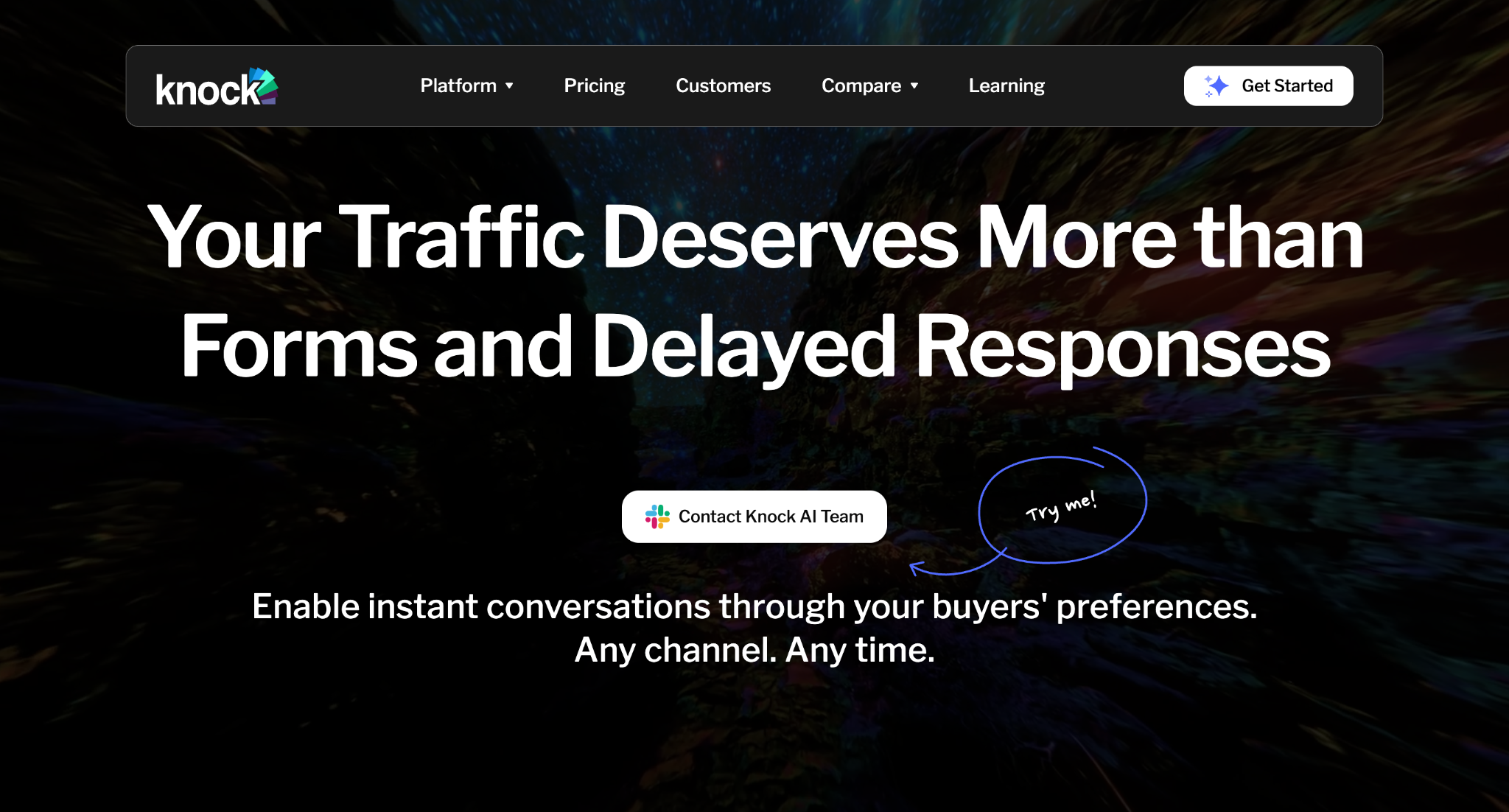
1. Knock AI — Best for Revenue Activation and Pipeline Conversion

Knock AI

RevenueHero is strong at routing and scheduling inbound meetings, but many modern GTM teams now want more than calendar automation. They want to reduce form friction, improve qualification quality, increase meeting attendance, and convert more existing demand into actual pipeline.

That is where Knock AI positions itself differently.

Instead of relying primarily on static forms and traditional scheduling workflows, Knock AI focuses on helping revenue teams identify, qualify, engage, and convert buyers across multiple touchpoints.

The platform combines:

to help teams move buyers from intent to pipeline faster.

One of the biggest differentiators is its focus on reducing friction during high-intent moments. Rather than forcing every buyer through long form flows, Knock AI supports more dynamic engagement models designed around conversational qualification and faster routing decisions.

It also extends beyond website-only workflows by supporting engagement across:

This makes it particularly appealing for modern GTM teams running multi-channel demand generation strategies.

Why Teams Choose Knock AI

Many companies evaluating RevenueHero alternatives are specifically looking for platforms that can:

Knock AI is designed around those outcomes rather than focusing only on scheduling efficiency.

Key Strengths

Best For

Knock AI is best suited for:

Potential Limitation

Teams looking primarily for traditional seat-based scheduling infrastructure or highly calendar-centric workflows may prefer more scheduling-focused platforms.

Standout Metrics

According to Knock AI:

These metrics position the platform more around revenue activation and conversion optimization rather than simple meeting automation.

Teams comparing scheduling-first tools with revenue activation platforms can also explore RevenueHero vs Knock AI.

2. Chili Piper — Best for Enterprise Routing Workflows

Chili Piper

Chili Piper is one of the most established names in inbound scheduling and lead routing. It is widely used by enterprise sales organizations that need advanced routing logic, SDR-to-AE handoffs, and highly structured inbound workflows.

The platform is particularly strong for companies operating large Salesforce environments with:

One of Chili Piper’s biggest strengths is its routing depth. Teams can build sophisticated workflows that automatically assign leads based on:

Its concierge scheduling workflows also help reduce delays between qualification and meeting booking, which is why it remains popular among mature RevOps teams.

Why Teams Choose Chili Piper

Companies often choose Chili Piper because of its:

Best For

Chili Piper is best suited for:

Strengths

Potential Limitation

Chili Piper workflows still depend heavily on forms and structured routing flows, which can create additional friction during inbound conversion. Teams may also require more implementation and operational management compared to lighter-weight scheduling platforms.

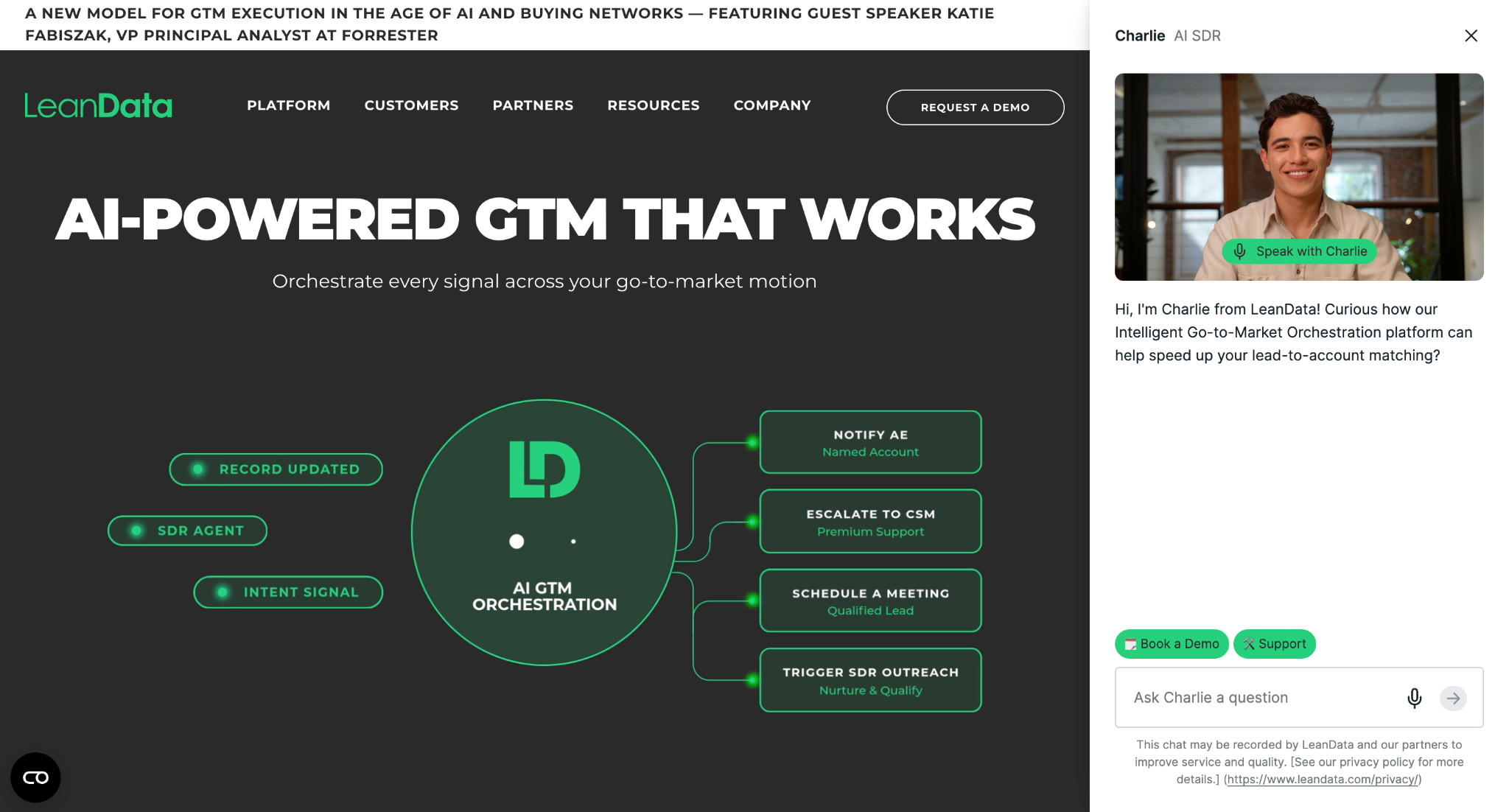
3. LeanData — Best for Account-Based Routing

LeanData

LeanData is one of the strongest platforms for enterprise lead orchestration and account-based routing. Unlike lightweight scheduling tools, LeanData focuses heavily on lead-to-account matching, territory orchestration, and complex RevOps automation.

The platform is designed primarily for organizations running sophisticated ABM and enterprise sales motions where routing accuracy and account ownership precision are critical.

LeanData is especially popular among Salesforce-centric revenue teams that need to coordinate:

Its orchestration capabilities make it one of the more advanced routing platforms in the enterprise RevOps ecosystem.

Why Teams Choose LeanData

Many organizations choose LeanData for:

Best For

LeanData is best suited for:

Strengths

Potential Limitation

LeanData is more focused on orchestration and routing than live buyer engagement. Teams looking for conversational qualification, multi-channel engagement, or form-free experiences may need additional tools alongside it.

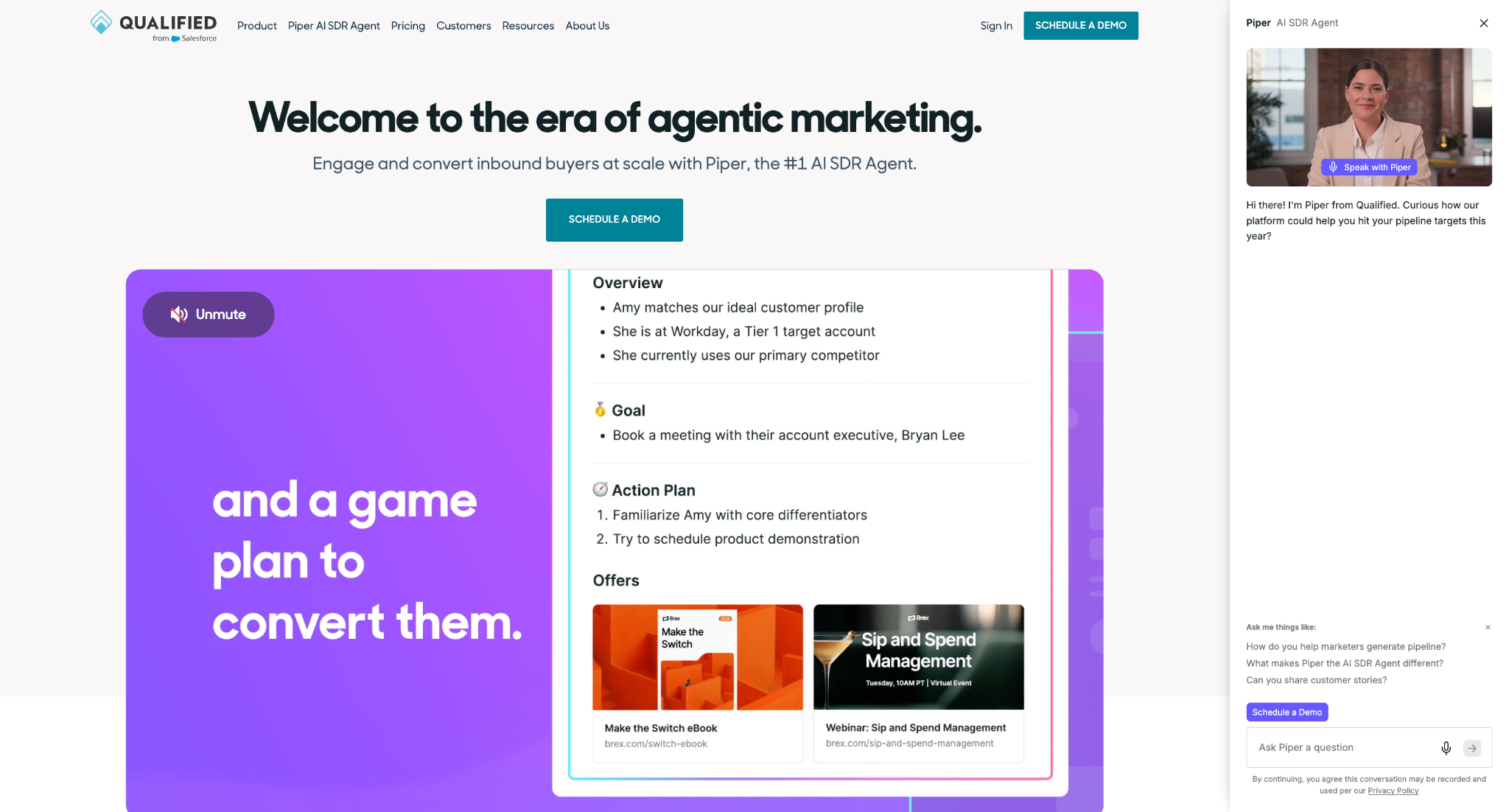
4. Qualified — Best for Website Visitor Engagement

Qualified

Qualified is a conversational marketing and qualification platform focused on real-time website engagement. It helps sales teams connect with high-intent website visitors using AI-powered chat workflows and live qualification experiences.

The platform is designed to reduce delays between buyer interest and sales conversations by helping companies engage visitors directly while they are actively browsing the website.

Qualified is particularly well-known for:

For companies running website-led demand generation strategies, Qualified provides a more conversational alternative to traditional form-first inbound workflows.

Why Teams Choose Qualified

Teams often choose Qualified because of its:

Best For

Qualified is best suited for:

Strengths

Potential Limitation

Qualified is primarily optimized for website-centric engagement. Companies looking for broader multi-channel buyer engagement beyond the website experience may require additional tooling.

5. HubSpot Sales Hub — Best for HubSpot-Native Teams

HubSpot Sales Hub

HubSpot Sales Hub is a practical choice for companies already operating inside the HubSpot ecosystem. Instead of adding separate routing and scheduling tools, many teams prefer using HubSpot’s built-in scheduling, CRM, automation, and sales workflow capabilities.

The platform is especially attractive for SMB and mid-market organizations that prioritize:

Because scheduling and reporting are already connected to the broader HubSpot ecosystem, teams can often reduce operational complexity by keeping workflows inside one platform.

Why Teams Choose HubSpot Sales Hub

Companies often choose HubSpot Sales Hub because of its:

Best For

HubSpot Sales Hub is best suited for:

Strengths

Potential Limitation

HubSpot Sales Hub offers less routing sophistication than specialized enterprise routing platforms. Organizations with highly complex ownership and territory workflows may eventually outgrow its routing capabilities.

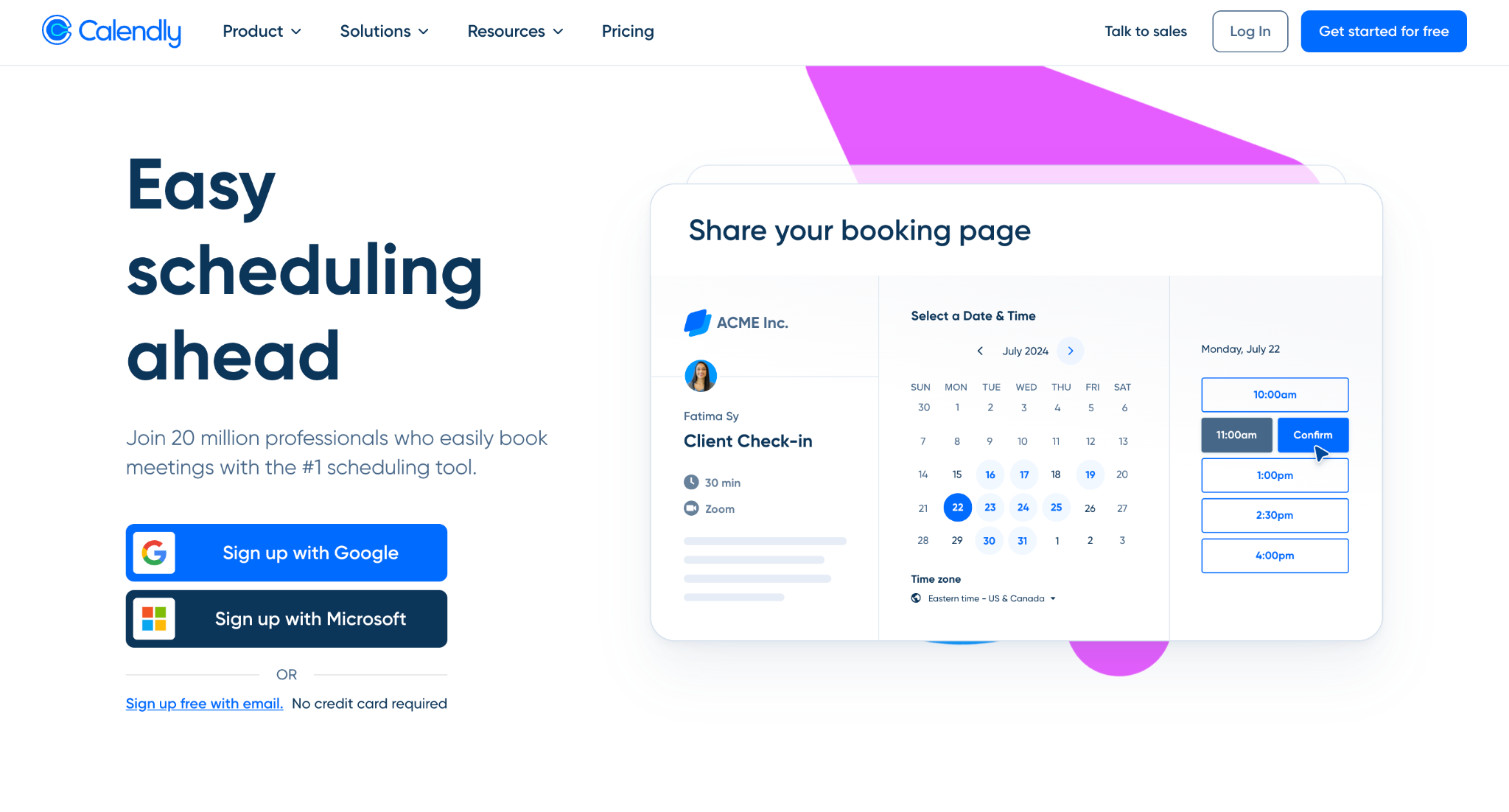
6. Calendly — Best for Simple Scheduling

Calendly

Calendly remains one of the most widely adopted scheduling tools because of its simplicity and ease of use. It is designed primarily to eliminate back-and-forth meeting coordination and provide a straightforward booking experience.

Unlike enterprise routing platforms, Calendly focuses more on lightweight scheduling rather than advanced qualification or complex lead orchestration.

Its ease of adoption makes it especially popular among:

For organizations that simply need reliable scheduling without advanced routing complexity, Calendly remains one of the easiest solutions to deploy.

Why Teams Choose Calendly

Teams often choose Calendly because of its:

Best For

Calendly is best suited for:

Strengths

Potential Limitation

Calendly offers limited qualification, enrichment, and routing depth compared to enterprise revenue orchestration platforms.

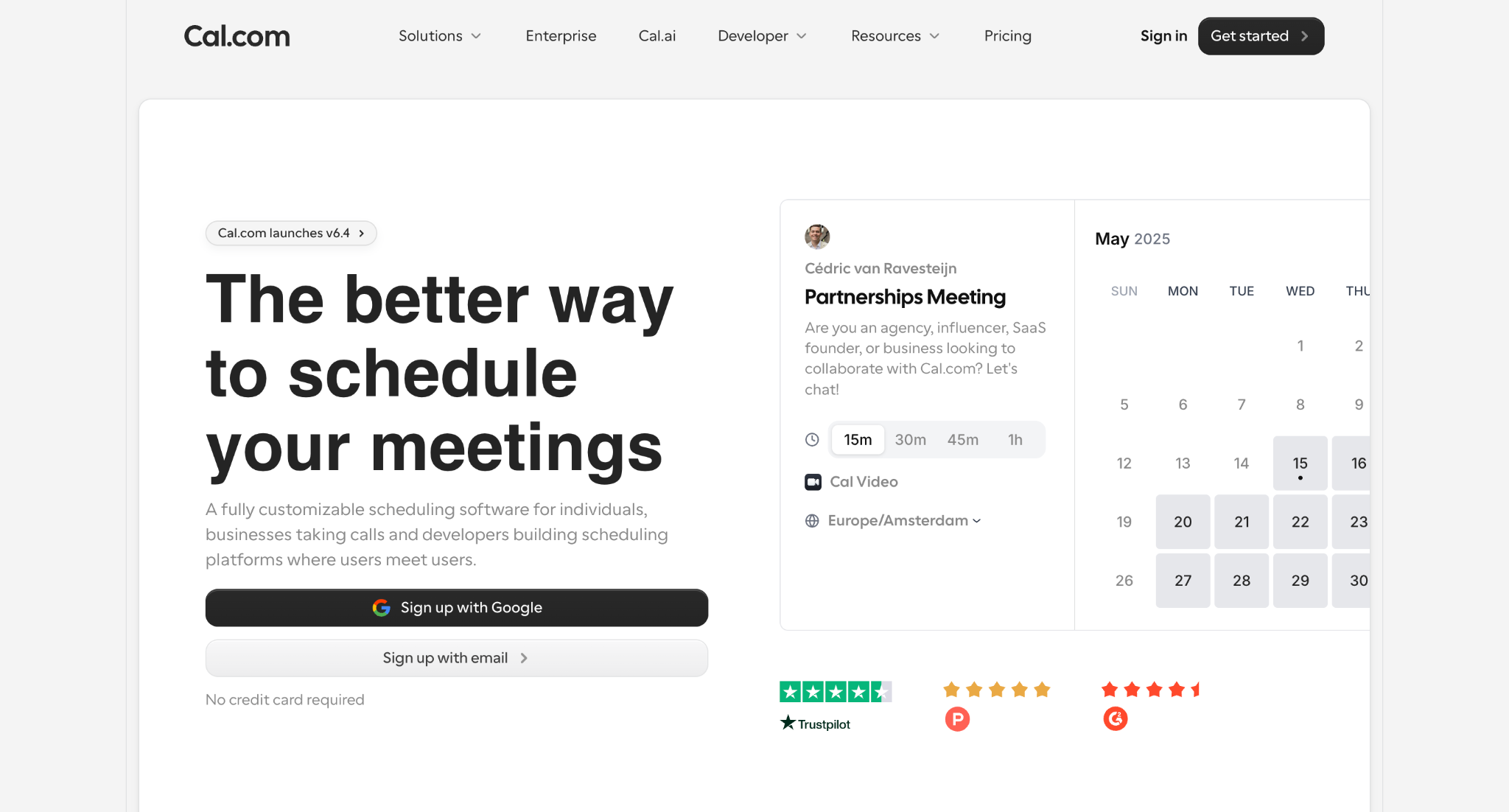
7. Cal.com — Best for Open-Source Flexibility

Cal.com

Cal.com is an open-source scheduling platform designed for teams that want more flexibility and developer control over their scheduling infrastructure.

Unlike traditional SaaS scheduling tools, Cal.com provides a highly customizable framework that companies can adapt to their own workflows, integrations, and user experiences.

Its open-source architecture makes it particularly attractive for:

Teams that want white-label scheduling, custom APIs, or infrastructure-level control often consider Cal.com as an alternative to more rigid scheduling platforms.

Why Teams Choose Cal.com

Companies typically choose Cal.com because of its:

Best For

Cal.com is best suited for:

Strengths

Potential Limitation

Cal.com generally requires more technical implementation and ongoing customization compared to plug-and-play scheduling tools.

Which RevenueHero Alternative Is Best for Your Team?

The best RevenueHero alternative ultimately depends on your GTM motion, routing complexity, buyer journey, and revenue goals.

Some teams primarily need lightweight scheduling, while others require enterprise routing orchestration, conversational qualification, or stronger pipeline conversion from inbound demand.

Here’s a quick breakdown of which platform fits different revenue workflows best.

If Your Team Needs… Best Option
Better pipeline conversion and revenue activation Knock AI
Enterprise routing logic and complex ownership workflows Chili Piper
Account-based orchestration and lead-to-account matching LeanData
Conversational qualification and live website engagement Qualified
Native HubSpot scheduling and CRM workflows HubSpot Sales Hub
Simple scheduling and lightweight booking workflows Calendly
Open-source flexibility and developer customization Cal.com

Choosing the right platform is less about finding the “best” scheduling tool overall and more about identifying which platform aligns best with:

For example:

The strongest RevenueHero alternative is the one that fits how your buyers actually engage and how your revenue team actually operates.

FAQs

How does Knock AI achieve a 96% attendance rate?

Traditional scheduling and routing platforms often rely heavily on email-based reminders and calendar workflows.Knock AI uses Multi-Channel Persistence, keeping the conversation alive on LinkedIn or Slack. This ensures the meeting invite stays "top-of-mind" on the buyer's phone, not buried in their inbox.

What is the "Formless Funnel"?

A Formless Funnel (pioneered by Knock AI) uses real-time enrichment and social identity (LinkedIn/Slack) to identify and qualify a buyer without requiring them to fill out a static form. This removes the primary source of friction in the B2B buying journey

What is the best RevenueHero alternative in 2026?

The best RevenueHero alternative depends on your GTM priorities. Teams focused on enterprise routing often prefer Chili Piper or LeanData, while teams focused on revenue activation, multi-channel engagement, and reducing form friction increasingly evaluate Knock AI.

Which RevenueHero alternative is best for enterprise routing?

Chili Piper and LeanData are two of the strongest options for enterprise routing workflows, territory management, and complex lead assignment logic.

Which RevenueHero alternative is best for pipeline conversion?

Knock AI is designed for teams focused on turning buying intent into qualified pipeline through AI qualification, real-time enrichment, multi-channel engagement, and stronger meeting attendance optimization.

Are there form-free alternatives to RevenueHero?

Yes. Knock AI support conversational qualification and form-free buyer journeys instead of relying entirely on traditional form-based routing workflows.

Which RevenueHero alternative is best for HubSpot users?

HubSpot Sales Hub is often the best fit for teams already operating inside the HubSpot ecosystem because scheduling, CRM workflows, and reporting remain centralized.

Which RevenueHero alternative is easiest to implement?

Calendly is generally one of the easiest scheduling platforms to deploy for lightweight booking workflows and simple meeting coordination.

Which RevenueHero alternative is best for account-based routing?

LeanData is widely used for lead-to-account matching, account orchestration, and enterprise ABM routing workflows.

Which RevenueHero alternative supports conversational qualification?

Qualified focuses heavily on conversational qualification, AI chat workflows, and real-time website visitor engagement.

Which RevenueHero alternatives support Salesforce integration?

Most major RevenueHero alternatives support Salesforce integrations, including Chili Piper, LeanData, Qualified, and Knock AI.

Can I use a RevenueHero alternative with HubSpot?

Yes. Most modern alternatives, including Knock AI and Chili Piper, have native bi-directional syncs with HubSpot and Salesforce to ensure data hygiene and accurate attribution.

Is there a free alternative to RevenueHero?

Calendly and Cal.com both offer robust free tiers for individual users. However, for team-based routing and automated qualification, you will typically need a paid Revenue Activation or Orchestration platform.

What should teams look for in a RevenueHero alternative?

Modern GTM teams typically evaluate: