Chili Piper Alternatives (2026): Why Forms Are Killing Your Pipeline
Chili Piper Alternatives (2026): Why Forms Are Killing Your Pipeline
TL;DR
What is the best Chili Piper alternative in 2026?
The best Chili Piper alternative for enterprise teams is a pipeline-first platform like Knock AI, which captures and converts buyer intent across channels instead of relying on form-based scheduling.
Chili Piper is built for a form-first, meeting-booking workflow.
But in 2026, most high-intent buyers never fill out a form. They research on LinkedIn, G2, communities, and messaging apps.
Modern GTM teams are shifting to:
Formless inbound with no friction
Real-time qualification before booking
Multi-channel engagement across LinkedIn, Slack, and WhatsApp
Pipeline-first systems instead of calendar-first tools
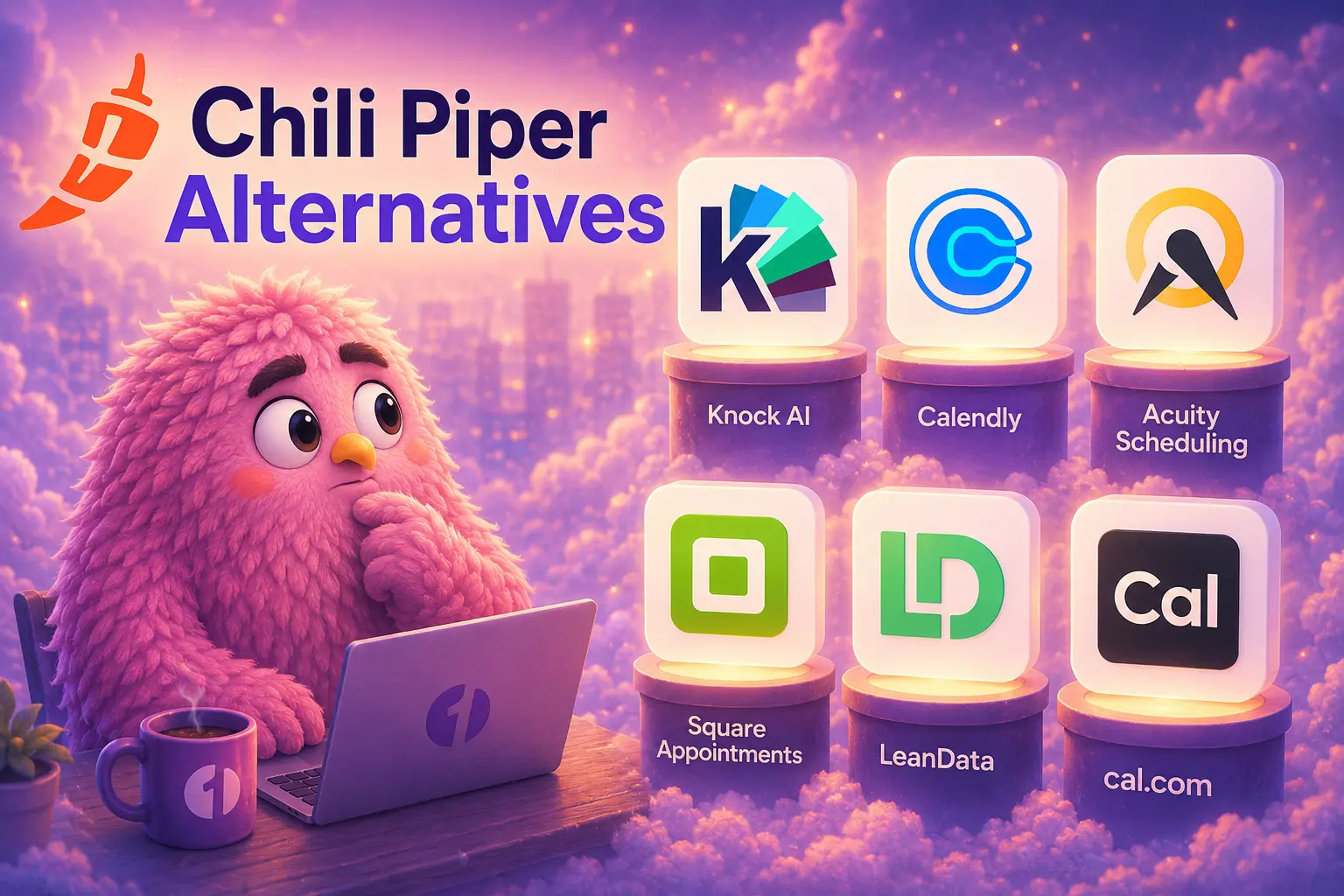
Top Chili Piper alternatives at a glance:
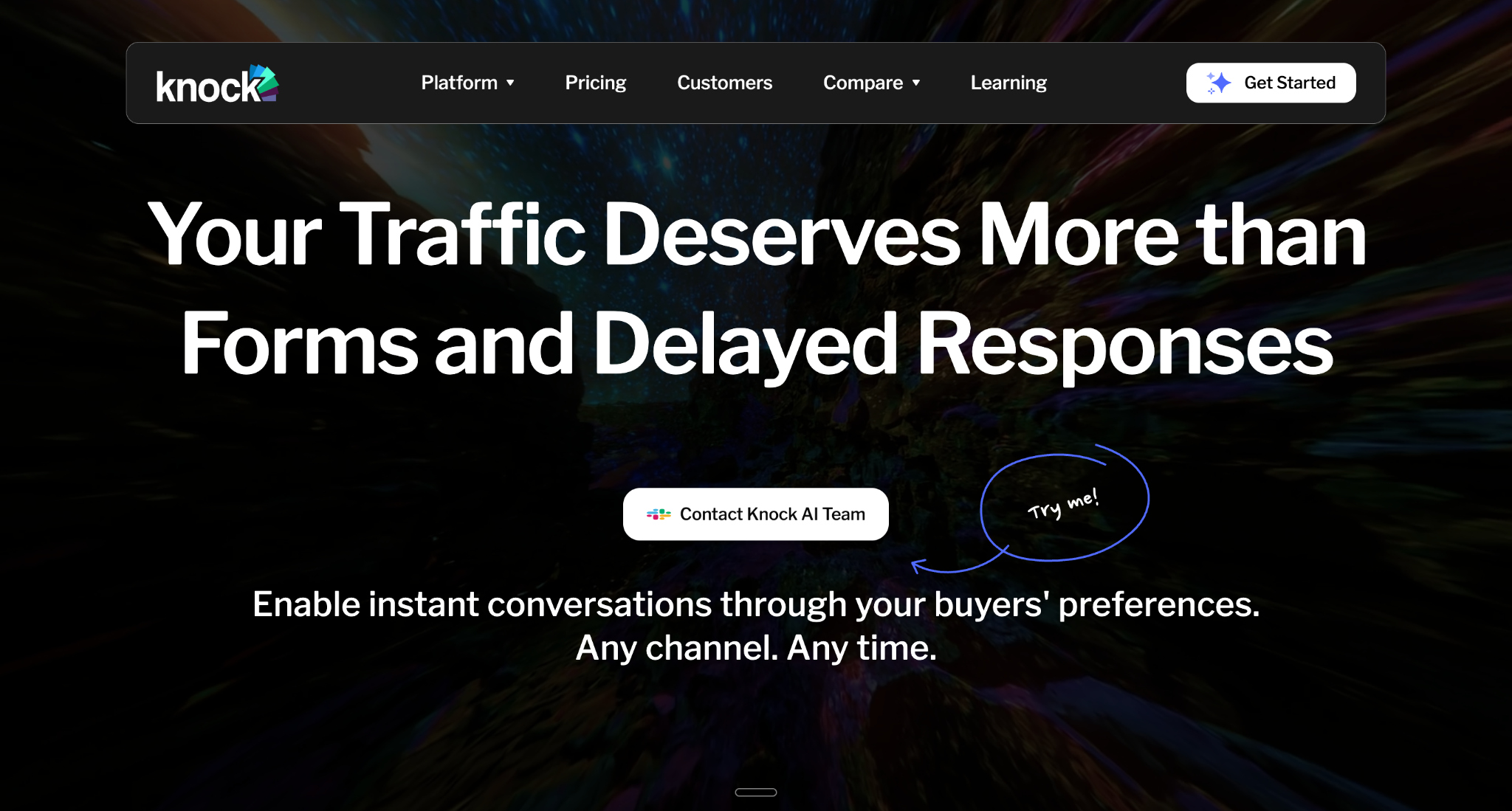
Knock AI: Best Chili Piper alternative for enterprise pipeline conversion and demand capture
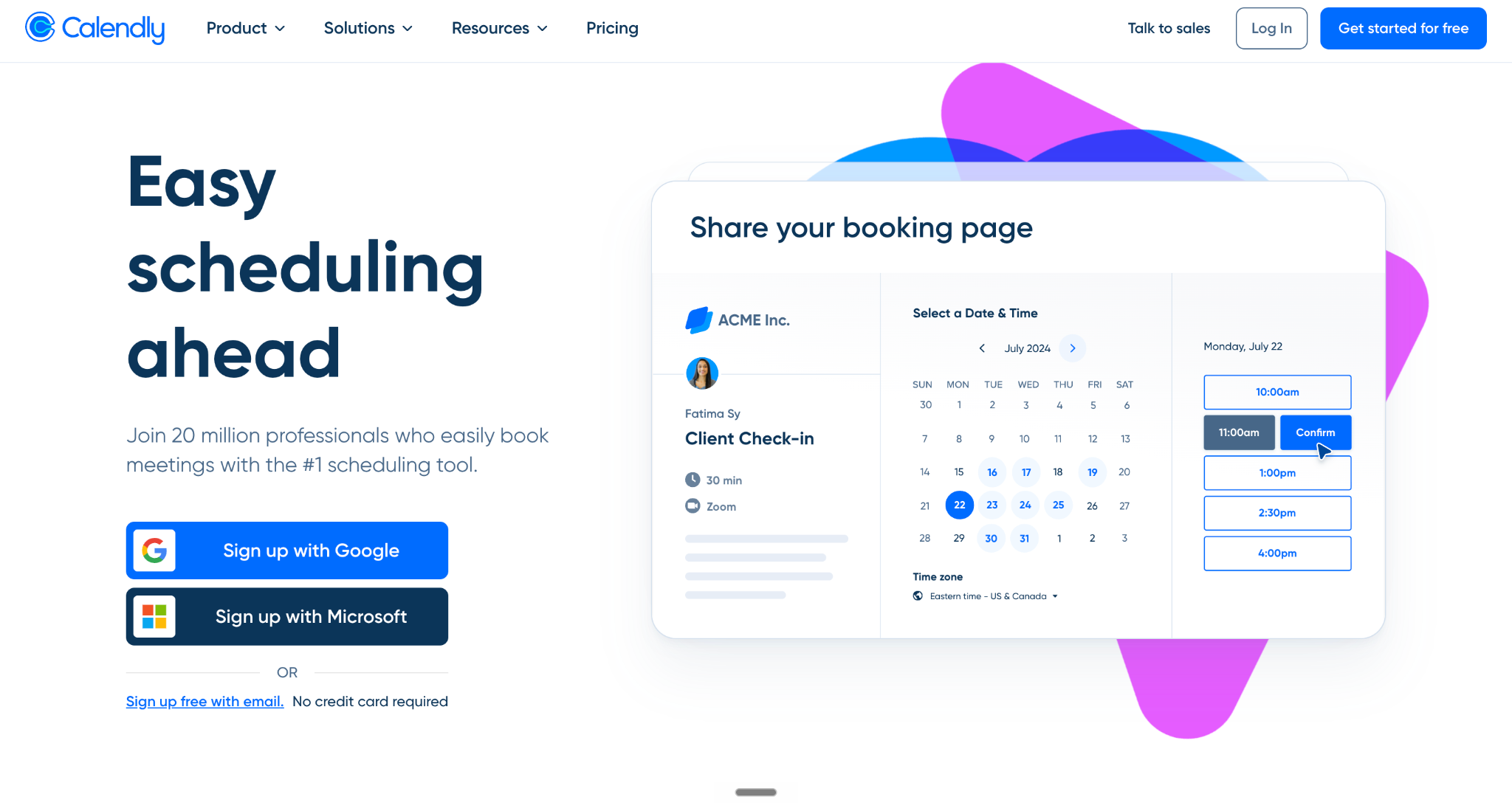
Calendly: Best Chili Piper alternative for simple one-click scheduling
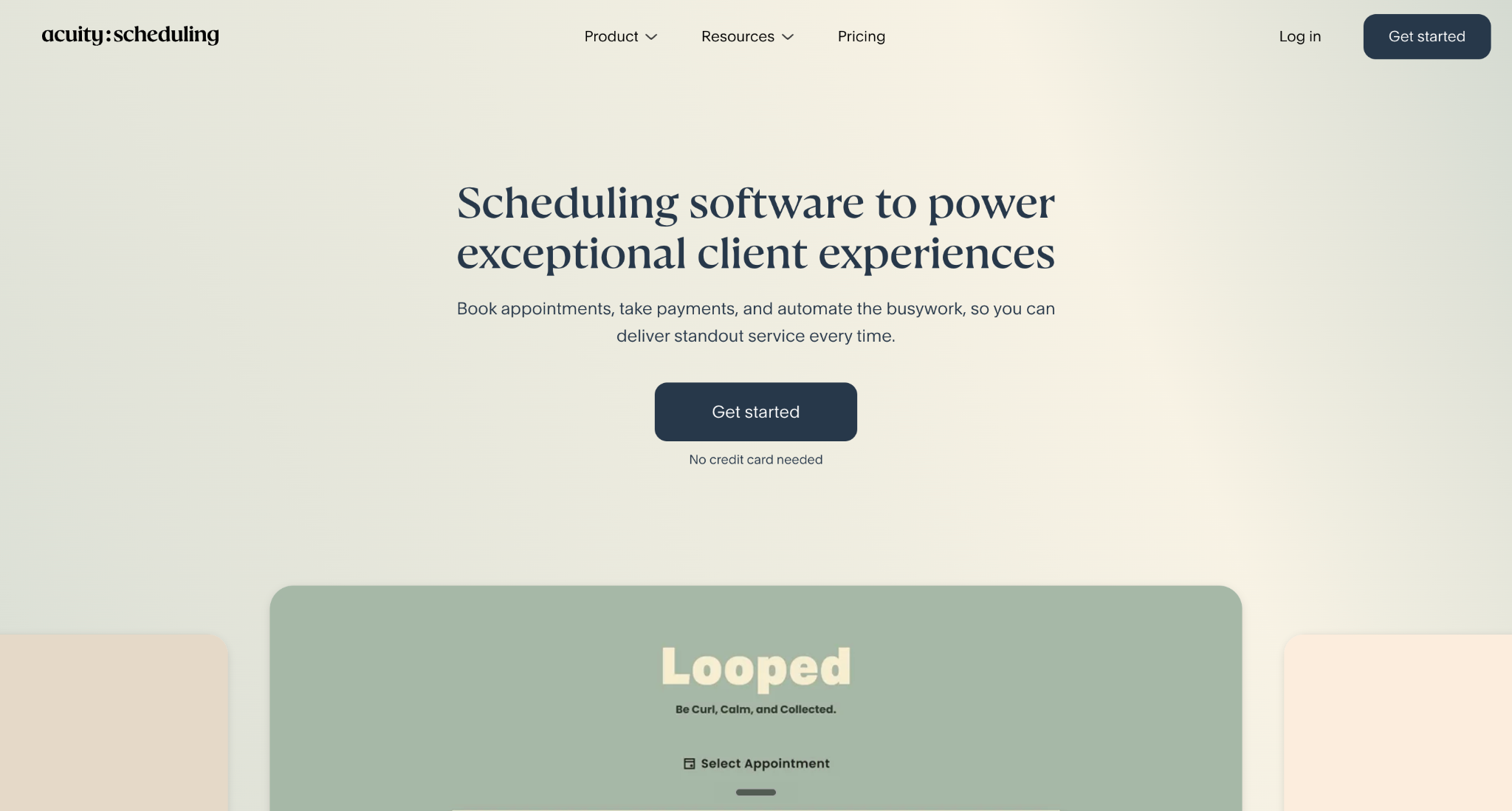
Acuity Scheduling: Best Chili Piper alternative for service-based businesses
LeanData: Best Chili Piper alternative for Salesforce-based routing
Cal.com: Best Chili Piper alternative for open-source scheduling
Scheduling tools optimize your calendar. Revenue platforms optimize your pipeline.
What is the best Chili Piper alternative for enterprise teams?
In 2026, the best alternative for enterprise teams is a revenue capture platform like Knock AI. Unlike traditional scheduling tools that rely on form-based routing, Knock AI captures and converts buyer intent across LinkedIn, Slack, WhatsApp, and other messaging channels. This allows teams to engage buyers in real time, before they drop off, resulting in higher conversion rates, a 96% meeting attendance rate, and up to 8x more pipeline.
Quick Comparison of Top Chili Piper Alternatives
Here’s a quick comparison of the top Chili Piper alternatives, based on use cases, strengths, and each platform's approach to pipeline generation.
Platform
Best For
Core Strength
Limitation
GTM Model
Knock AI
Enterprise revenue teams
Captures demand, qualifies in real time, and keeps buyers engaged after booking to increase show rates and pipeline
Not designed as a basic scheduling tool
Pipeline-first
Calendly
Simple scheduling needs
Fast and easy meeting booking with minimal setup
No qualification, routing, or post-booking engagement
Meeting-first
Acuity Scheduling
Service-based businesses
Appointment scheduling with payments and client workflows
Limited for B2B sales and pipeline generation
Meeting-first
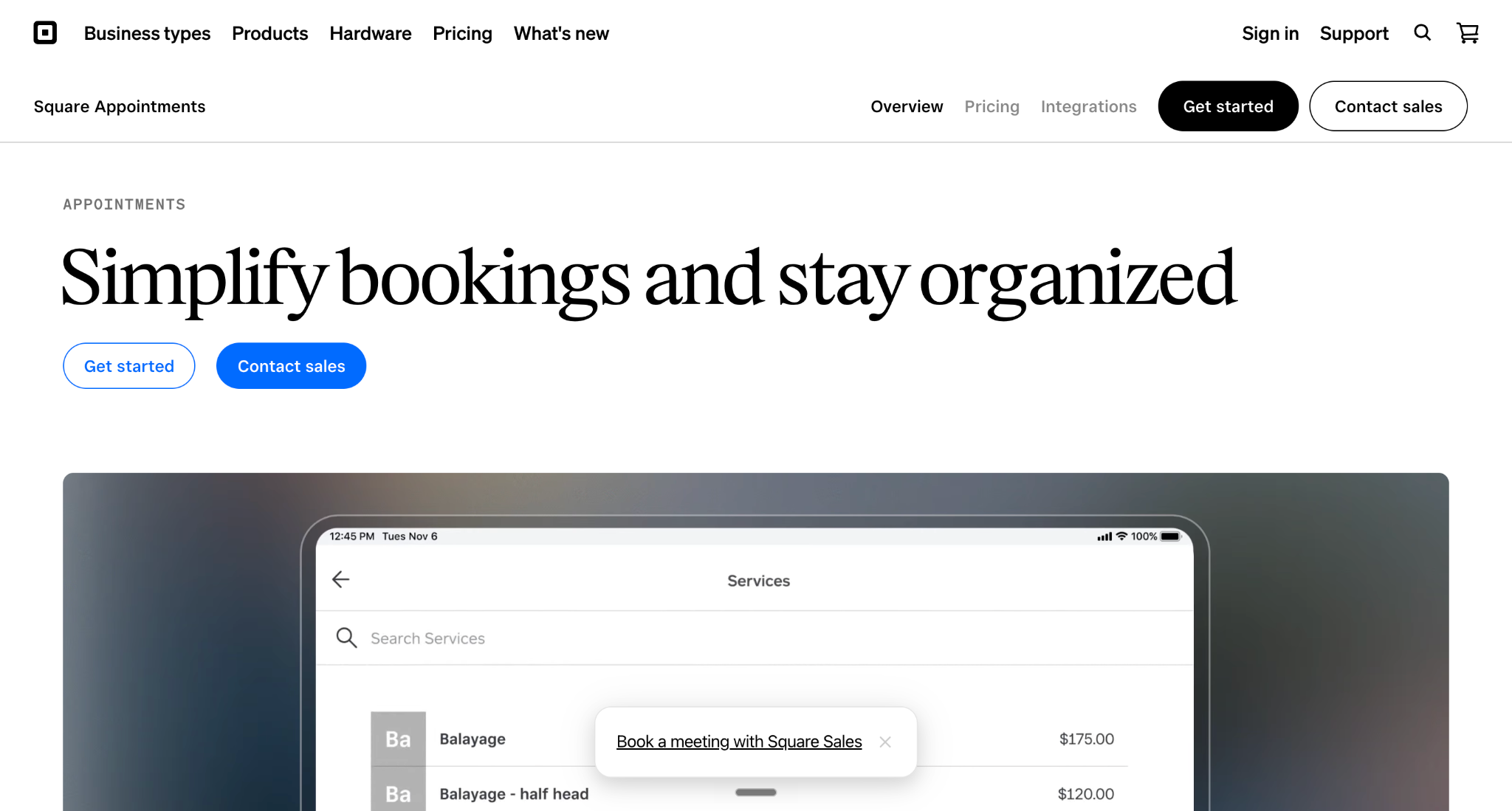
Square Appointments
B2C businesses
Integrated booking, payments, and customer management
Not built for B2B demand capture or qualification
Meeting-first
LeanData
Enterprise Salesforce teams
Advanced lead routing and attribution within CRM
Depends on form data and does not capture or engage demand
Meeting-first
Cal.com
Open-source teams
Flexible and customizable scheduling infrastructure
No enrichment, qualification, or buyer engagement layer
Meeting-first
See Knock AI in Action — Book Your Live Demo Today
If a buyer hesitates or abandons the form, the opportunity is lost.
No off-site demand capture
Chili Piper is limited to website-based workflows.
It cannot engage buyers coming from:
LinkedIn conversations
G2 research
Communities and Slack groups
Events or outbound touchpoints
This means a large portion of real demand never enters the system.
No real-time qualification
Qualification depends on what the buyer types into a form.
Data can be incomplete or inaccurate
No behavioral context is captured
No dynamic qualification based on intent
As a result, routing decisions are based on static inputs rather than real buyer signals.
No persistent engagement
Once the meeting is booked, the system effectively stops.
Follow-up relies on email
No ongoing conversation thread
No engagement between booking and meeting
This creates a critical gap.
Buyer intent is highest at the moment of interaction. But without continued engagement, that intent fades quickly.
Chili Piper is optimized for execution after conversion.
But modern revenue systems are optimized for:
Capturing demand before conversion
Qualifying buyers in real time
Maintaining engagement after booking
The difference is not small.
It determines whether you are organizing meetings or creating a pipeline.
What to Look for in a Chili Piper Alternative
Choosing a Chili Piper alternative is not just about replacing a scheduling tool. It is about upgrading your entire revenue motion.
In 2026, the best-performing GTM teams are not optimizing for booking speed. They are optimizing for pipeline creation, qualification quality, and meeting outcomes.
Here are the five capabilities that define a modern system:
This ensures accuracy and eliminates reliance on incomplete form data.
3. Intent scoring
Not every visitor is a buyer.
Modern platforms must:
Detect real buying signals
Differentiate between high-intent and low-intent users
Prioritize qualified opportunities automatically
This improves routing quality and reduces wasted meetings.
4. Multi-channel engagement
Buyers do not live on your website.
They engage across:
LinkedIn
Slack and communities
Email and messaging apps
Events and outbound campaigns
A modern system must meet buyers where they already are, not force them into a single channel.
5. Pipeline impact
The ultimate metric is not meetings booked. It is pipeline generated.
A strong alternative should:
Increase qualified meetings
Improve show rates
Accelerate conversion from demo to pipeline
Everything should tie back to revenue outcomes, not activity metrics.
Use this checklist to evaluate any Chili Piper alternative:
Can it work without forms?
Can it qualify buyers before booking?
Can it capture off-site demand?
What happens after the meeting is booked?
Does it actively reduce no-shows?
Most tools answer one of these questions.
Very few answer all of them.
The difference between a scheduling tool and a revenue system is simple:
One books meetings. The other turns demand into a pipeline.
Which Chili Piper Alternative Should You Choose?
Choosing the right Chili Piper alternative is not about comparing feature lists. It is about identifying where your current go-to-market motion is breaking.
Start with your bottleneck.
Choose Chili Piper if:
Your funnel is fully form-driven
You rely heavily on Salesforce routing workflows
Your primary challenge is scheduling efficiency after a lead converts
Your inbound motion is structured and predictable
Chili Piper performs best when the problem starts after the form is submitted.
Choose Calendly, Acuity Scheduling, or Square Appointments if:
You only need simple scheduling functionality
Your use case is transactional rather than revenue-driven
You are not optimizing for pipeline quality or conversion rates
You want a lightweight tool with minimal setup
These tools are effective when calendar booking is the only goal.
Choose LeanData if:
Your primary challenge is lead routing inside Salesforce
You require complex territory, ownership, or account-based routing logic
Your inbound flow is already structured and validated through forms
Your focus is operational efficiency within CRM workflows
LeanData is strongest when the problem is routing accuracy at scale.
Choose Knock AI if:
You are losing buyers before they ever fill out a form
A large portion of your demand comes from LinkedIn, communities, or off-site channels
You want to convert more existing demand without increasing traffic spend
You need higher meeting attendance and stronger pipeline outcomes
You want to engage buyers in real time across LinkedIn, Slack, WhatsApp, and messaging channels
You want to maintain momentum before and after the meeting is booked
Knock AI is designed for teams where the problem is not scheduling, but missed revenue opportunities.
The decision is not about features.
It is about where your revenue is leaking today.
FAQs
What is the best Chili Piper alternative in 2026?
The best Chili Piper alternative depends on your goal.
For enterprise teams focused on pipeline growth, Knock AI stands out because it captures and converts demand across multiple channels instead of relying on form-based scheduling.
If your goal is only to book meetings, simpler tools like Calendly may be sufficient. But if your goal is to increase pipeline and conversion, a revenue-first platform is the better choice.
Is there a free Chili Piper alternative?
Yes. Cal.com is a popular open-source and free Chili Piper alternative.
It provides flexible scheduling and customization, making it ideal for developers and teams that want full control over their scheduling infrastructure.
However, it does not include qualification, enrichment, or pipeline optimization capabilities.
How can you reduce meeting no-shows in 2026?
Reducing no-shows requires maintaining buyer engagement after the meeting is booked.
Traditional tools rely on email reminders, which are often ignored. Modern systems use persistent messaging across channels like LinkedIn and Slack to keep buyers engaged.
Platforms like Knock AI use automated outreach and continuous conversation to maintain momentum, which leads to significantly higher meeting attendance.
Chili Piper vs Calendly for enterprise teams
Chili Piper and Calendly both focus on scheduling, but they serve different use cases.
Chili Piper is built for structured form-based routing and Salesforce workflows. Calendly is designed for simple, fast meeting booking.
Both tools are meeting-first systems. They optimize scheduling efficiency but do not address demand capture, qualification, or pipeline generation.
What is the difference between scheduling tools and pipeline platforms?
Scheduling tools focus on booking meetings.
Pipeline platforms focus on converting demand into revenue.
A scheduling tool helps you manage calendars. A pipeline platform helps you increase qualified meetings, improve conversion rates, and generate more pipeline from existing traffic.
This is the fundamental shift in modern go-to-market systems.
Can Chili Piper capture off-site demand?
No.
Chili Piper operates within website-based, form-driven workflows. It activates after a visitor submits a form.
It does not capture or engage buyers from off-site channels such as LinkedIn, communities, messaging apps, or events.
Which Chili Piper alternative is best for enterprise teams?
For enterprise teams, the best alternative depends on where the bottleneck exists.
If the challenge is routing and CRM workflows, tools like LeanData may fit. If the challenge is capturing and converting demand into a pipeline, Knock AI is the stronger choice because it operates across multiple channels and focuses on revenue outcomes.
Are there form-free alternatives to Chili Piper?
Yes.
Modern platforms are moving toward formless inbound, where buyers can engage and book meetings without filling out forms.
Knock AI is an example of a form-free system that allows buyers to start conversations and convert through messaging channels instead of traditional form submissions.
Which tools support LinkedIn or Slack engagement?
Most traditional scheduling tools do not support direct engagement across LinkedIn or Slack.
Modern revenue platforms like Knock AI enable conversations across LinkedIn, Slack, WhatsApp, and other messaging channels, allowing teams to engage buyers where they are already active.
Do Chili Piper alternatives replace SDRs?
Not entirely.
However, modern platforms can automate a large portion of SDR tasks such as qualification, routing, and initial engagement.
This allows SDRs to focus on high-quality opportunities instead of manual follow-up and scheduling coordination.
Chili Piper helped define an era of form-based inbound.
But in 2026, the question is no longer:
“How fast can you book a meeting?”
It is:
“How much of your demand actually becomes pipeline?”


.svg)


.svg)
.svg)
.svg)


.svg)
.svg)


.svg)