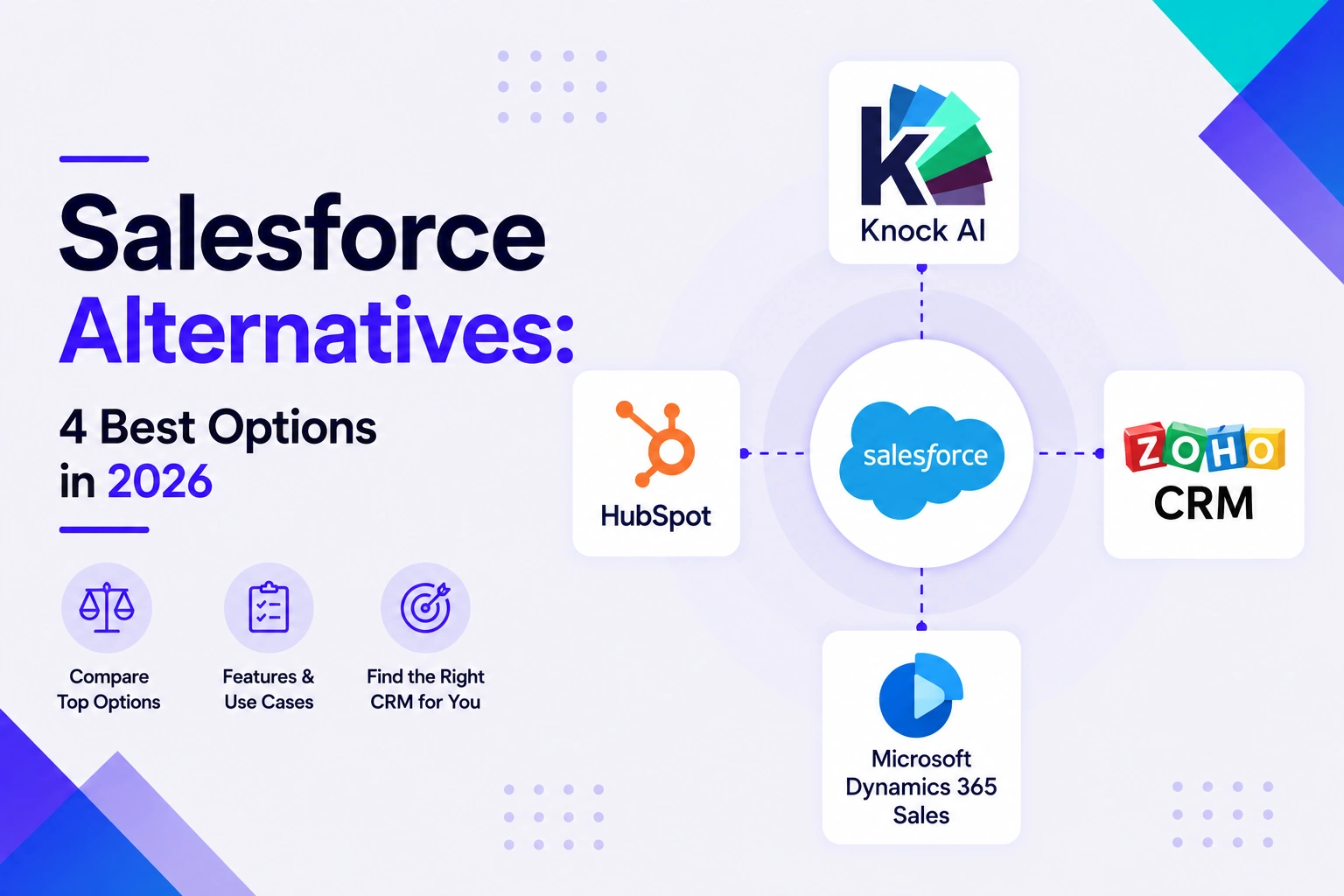
Salesforce is a powerful enterprise CRM, but it is not the only option for managing customer data and revenue processes. Teams may consider alternatives when they want less complexity, broader GTM functionality, different economics, Microsoft ecosystem integration, or a more buyer-driven approach to revenue activation.
Alternative
Best for
Why consider it instead of Salesforce?
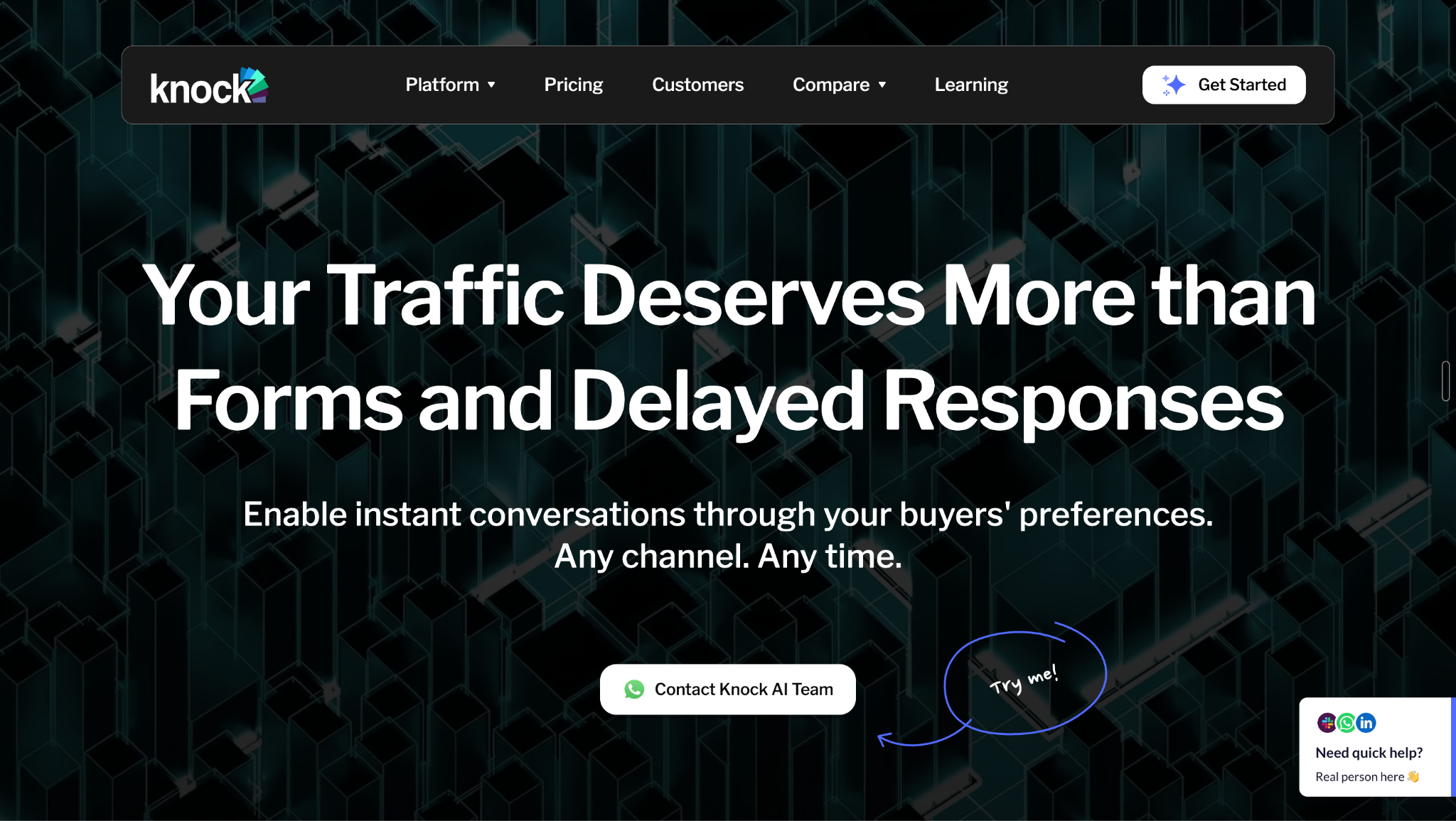
Knock AI
Buyer activation and revenue workflows
Connects buyer activity, identity, enrichment, intent, qualification, engagement, routing, and scheduling to CRM workflows
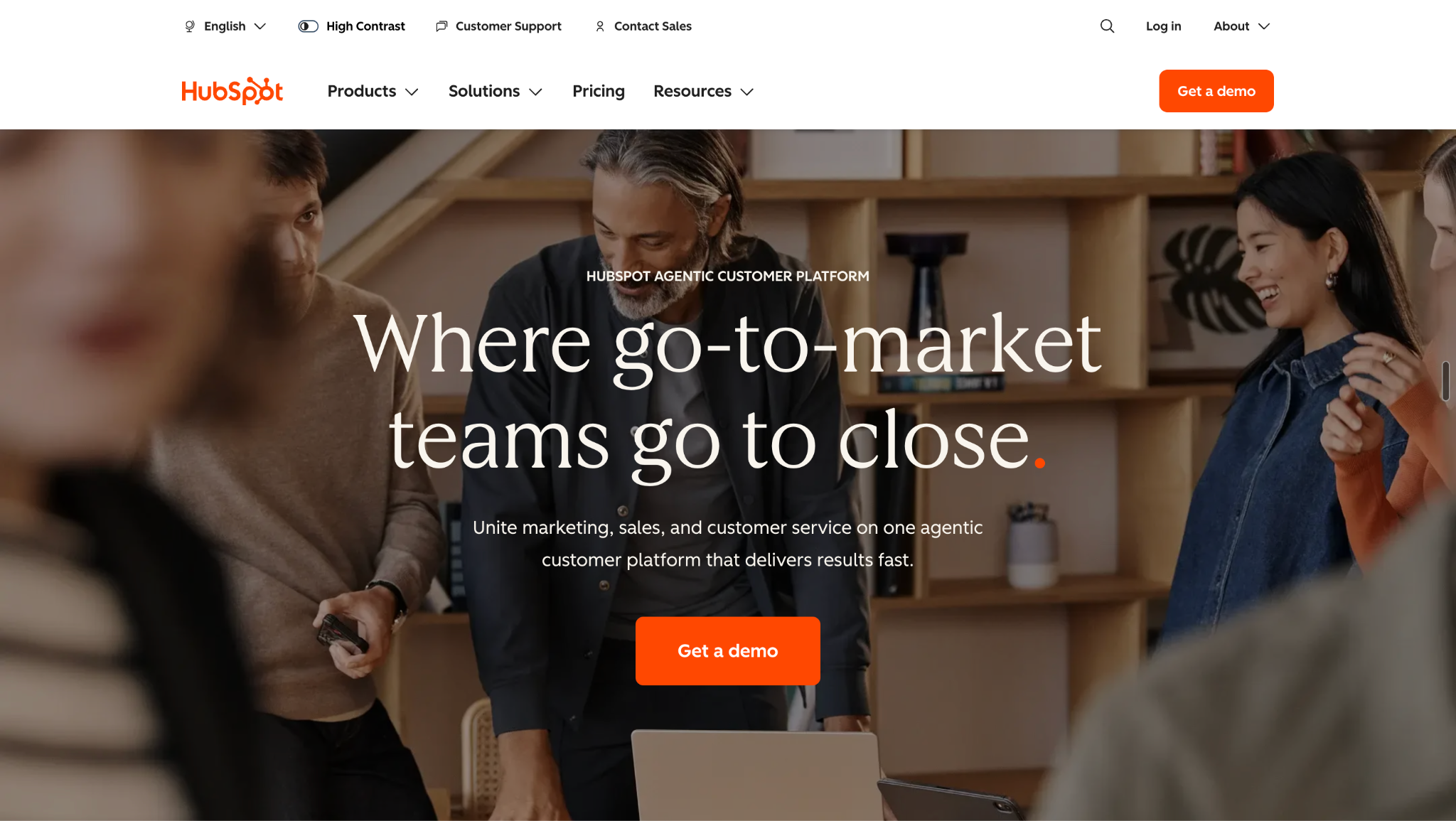
HubSpot
All-in-one CRM and GTM
Combines CRM, marketing, sales, service, automation, and reporting
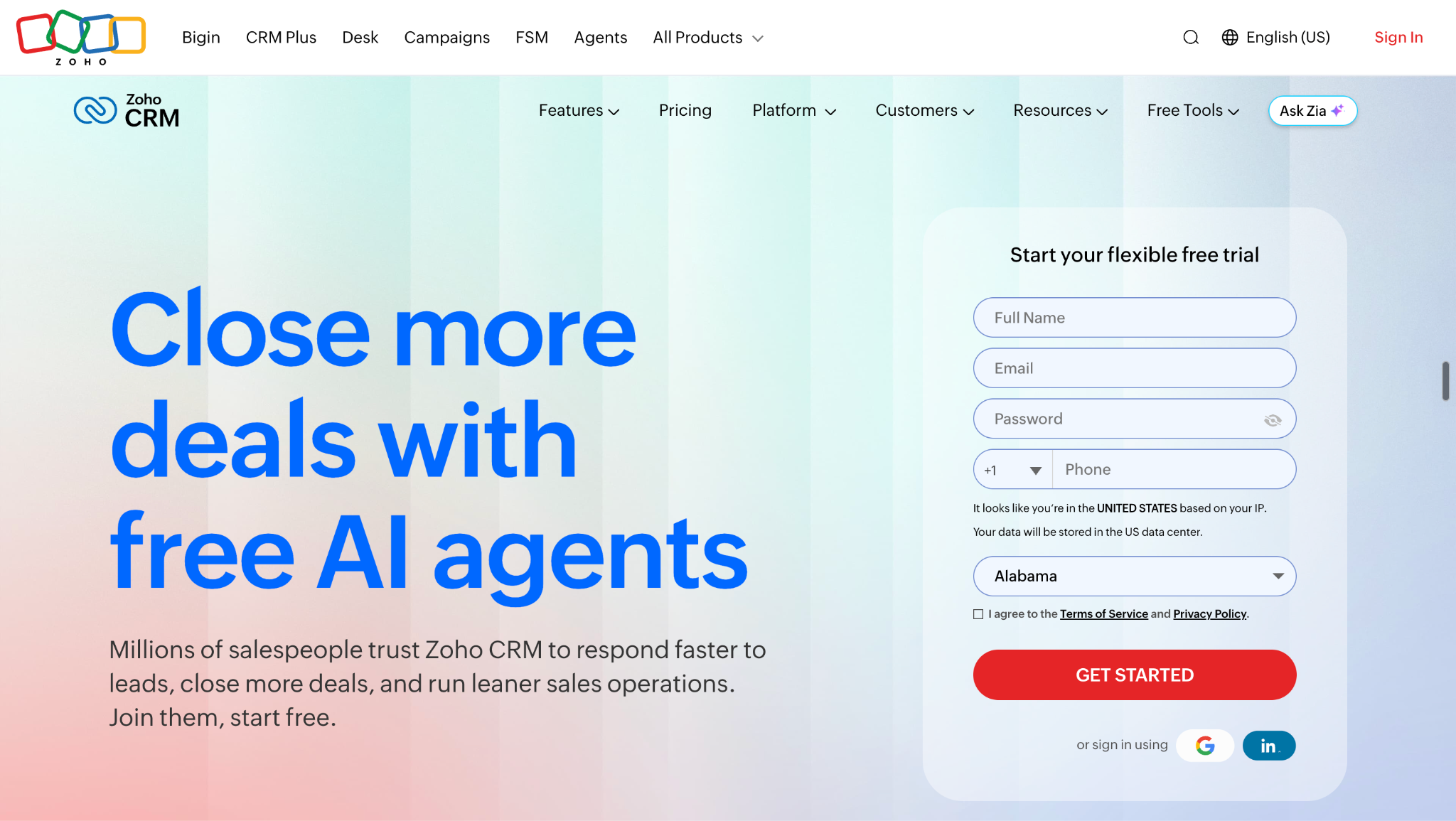
Zoho CRM
Broad CRM functionality and value
Provides CRM, automation, AI, analytics, and a broad business ecosystem
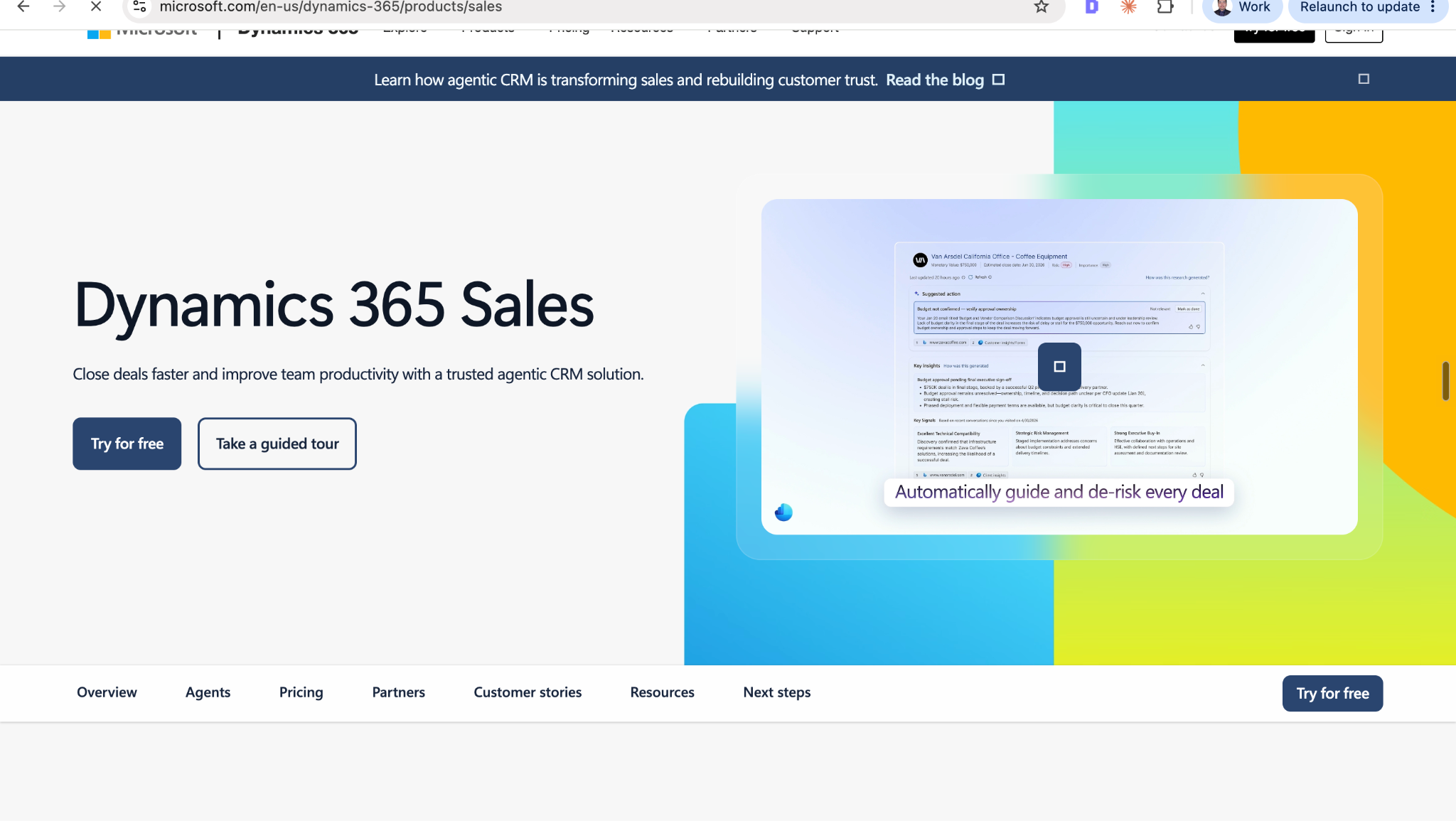
Microsoft Dynamics 365 Sales
Enterprise CRM and Microsoft integration
Connects sales processes with Microsoft's broader business and data ecosystem
The best Salesforce alternative depends on what you need to change: CRM complexity, GTM breadth, cost and functionality, enterprise integration, or how your team turns buyer activity into sales action.
Why Are Companies Looking for Salesforce Alternatives?
Salesforce is a powerful enterprise CRM, but its breadth can be more than some teams need. Companies typically evaluate Salesforce alternatives when the cost, complexity, administration, or scope of the platform no longer matches how their sales organization operates.
1. Salesforce has become more complex than the team needs
Extensive customization, workflows, permissions, and integrations can create significant administrative overhead.
2. Total cost extends beyond the license
The real investment can include seats, additional products, implementation, integrations, administration, and ongoing maintenance, not just the core subscription.
3. Teams want faster implementation and adoption
Some organizations prefer platforms that can be configured and adopted with less specialized administration.
4. They want broader GTM capabilities
Teams may want CRM, marketing, sales, service, content, automation, and reporting to operate within a more unified environment.
5. They want more AI-assisted workflows
AI can support CRM management, analysis, automation, qualification, sales conversations, routing, and next actions, depending on the platform.
6. They want to activate buyer demand earlier
Some teams are not looking to replace Salesforce at all. Their problem is that meaningful buyer activity can happen before a conventional CRM workflow begins.
For these teams, the question is not only how to manage a lead after it enters Salesforce, but how to recognize meaningful buyer behavior and turn it into a sales action.
What Should You Look for in a Salesforce Alternative?
The right Salesforce alternative depends on what you are actually trying to change.
1. Are you replacing Salesforce or reducing its workload?
Determine whether you need a new system of record or an additional revenue workflow layer that works alongside your existing CRM.
2. How much complexity does your sales process actually require?
Consider customization, administration, permissions, integrations, reporting, and governance. More functionality is not always better if your team does not need it.
3. Do you need a broader GTM platform?
If CRM is only one part of the problem, evaluate how well the platform connects marketing, sales, service, automation, and customer data.
4. How should AI participate in the workflow?
Look beyond AI-generated content. Consider whether AI can contribute to qualification, buyer conversations, decision-making, routing, and next actions.
5. Where should the workflow begin?
A conventional CRM workflow might look like:
CRM record → process → action
A buyer-driven workflow can begin earlier:
Buyer signal → identity → enrichment → intent → action
The best Salesforce alternative is the one that solves the reason you are considering a switch without introducing unnecessary complexity somewhere else.
Salesforce Alternatives Compared
The main difference between these platforms is where the revenue workflow begins and what the platform is designed to do with that information. Salesforce centers on managing complex CRM processes and opportunities, while HubSpot extends CRM into a broader GTM platform. Zoho combines broad CRM functionality with automation and value, and Dynamics 365 Sales connects enterprise sales processes with the Microsoft ecosystem. Knock AI approaches the workflow from the buyer side, using buyer activity and intent to activate sales action around the CRM.
In simple terms, Salesforce is strongest for enterprise CRM and highly customized sales processes. HubSpot is designed for teams that want CRM connected with marketing, sales, service, and broader GTM operations. Zoho CRM provides broad CRM and automation capabilities with an emphasis on value. Dynamics 365 Sales is particularly suited to enterprises already invested in Microsoft technologies.
Knock AI takes a different approach: buyer activation around the CRM. Instead of beginning only with an existing CRM record, its workflow can begin with buyer activity → identity → enrichment → intent → qualification → engagement → routing → scheduling → CRM → pipeline.
4 Best Salesforce Alternatives
Knock AI
Knock AI is a Salesforce alternative for B2B teams whose challenge is not only managing CRM records, but turning active buyer behavior into qualified conversations and revenue opportunities. Rather than replacing the CRM as the system of record, Knock AI adds a buyer activation layer that can connect buyer intelligence and engagement with existing revenue workflows.
Identify buyers before they become conventional leads
Knock AI can identify anonymous and known website visitors at the person and company level, using website behavior and cross-session activity to build context around a buyer. Knock Links can also extend buyer tracking beyond the website, giving teams additional signals from shared links and other buyer touchpoints.
The workflow can begin with:
Buyer activity → identity → context
This means a meaningful sales workflow does not necessarily have to wait for a form submission or newly created Salesforce record.
Enrich buyer and company context
Knock AI can bring together contact and company enrichment, firmographic information, technology data, funding, CRM context, attribution, use case, and product interest to create a more complete picture of the buyer.
That information can then contribute to decisions about qualification, engagement, routing, and the next sales action rather than simply filling additional CRM fields.
Understand first-party intent
Knock AI can use signals such as page views, repeat visits, pricing activity, clicks, content engagement, recency, frequency, and other engagement patterns to understand first-party buyer intent.
The goal is to identify meaningful patterns of behavior, rather than treating one isolated page view as a definitive buying signal. Intent scores and intent types can help teams determine which activity warrants further engagement.
Qualify and engage buyers with AI
Knock Chat and AI Intent Agents can engage buyers using approved company knowledge and available buyer context. The AI can ask qualification questions, evaluate ICP fit, answer questions, address objections, and determine when a human handoff is appropriate.
This allows qualification to happen within the buyer interaction instead of relying entirely on a form or a later sales conversation.
Route and schedule
Once a buyer is qualified, Knock AI can use context such as CRM ownership, territory, geography, segment, company characteristics, intent, and routing rules to determine where the conversation or meeting should go.
Knock AI supports both conversational scheduling and standalone scheduling. In the conversational path, a qualified buyer can move from the AI conversation into meeting booking without leaving that experience. The same buyer-intelligence and routing layer can support the standalone scheduling experience.
Knock AI can connect buyer intelligence and routing logic to the scheduling experience, rather than treating scheduling as an isolated calendar step.
Connect buyer activity to Salesforce
Knock AI can work with Salesforce rather than requiring the CRM to be discarded, connecting relevant buyer intelligence, conversations, qualification data, meeting activity, and other revenue signals back to the CRM.
Knock AI is not a conventional Salesforce replacement for teams looking for another enterprise CRM. It is a stronger fit when the missing layer is buyer identification, intent, qualification, activation, and conversion around the CRM.
HubSpot
HubSpot is best for teams that want an all-in-one CRM and GTM platform. Instead of focusing primarily on CRM and sales management, HubSpot brings CRM, marketing, sales, customer service, CMS, workflows, lead management, automation, AI, reporting, and scheduling into one ecosystem.
Its typical workflow is:
Lead → CRM → marketing/sales automation → nurture → pipeline
This makes HubSpot a strong option for organizations that want marketing and sales teams working from the same customer data and lifecycle stages. Teams can manage leads, automate follow-up, nurture prospects, schedule meetings, and report on activity within a connected platform.
Best fit: Teams that want to consolidate multiple GTM functions rather than maintain a separate system for CRM, marketing automation, sales processes, and service.
What to consider: HubSpot's broader functionality can increase implementation scope and total cost depending on the Hubs, seats, contact volume, and advanced capabilities a team requires. It can also be more platform than a sales team needs if the primary requirement is simply managing opportunities and pipeline.
For organizations considering Salesforce because they want broader functionality but would prefer a more unified GTM platform, HubSpot is a natural alternative.
Zoho CRM
Zoho CRM is best for businesses looking for broad CRM functionality and value. It supports leads, contacts, accounts, deals, workflow automation, scoring, sales engagement, analytics, AI, and integrations, while connecting with the wider Zoho ecosystem.
Its core workflow can be summarized as:
Lead → CRM → automation → engagement → opportunity
Zoho CRM can support automated lead management, sales processes, scoring, customer engagement, analytics, and AI-assisted activities. Its broader ecosystem also allows businesses to connect CRM processes with other applications as their operational requirements grow.
Best fit: Businesses that want substantial CRM functionality while having access to a broader business software ecosystem.
What to consider: Zoho's breadth means teams may need more configuration and process design than they would with a simpler sales CRM. The platform can support many different workflows, but getting the most from that flexibility requires a clear understanding of the processes being automated.
For companies evaluating Salesforce alternatives because they want broad CRM capabilities without necessarily adopting another enterprise-scale platform, Zoho CRM is a strong option.
Microsoft Dynamics 365 Sales
Microsoft Dynamics 365 Sales is best for enterprise CRM and Microsoft ecosystem integration. It supports leads, contacts, accounts, opportunities, sales processes, automation, forecasting, AI, reporting, Microsoft 365 integration, Power Platform, and broader business integrations.
Its typical workflow is:
Lead → CRM → sales process → automation → opportunity → forecast
Dynamics 365 Sales is particularly relevant for organizations already invested in Microsoft technologies. Sales data and processes can connect with the broader Microsoft environment, giving enterprise teams more options for automation, analytics, collaboration, and business process management.
Best fit: Organizations that need enterprise CRM capabilities and want their sales platform to work closely with Microsoft 365, Power Platform, and other Microsoft business technologies.
What to consider: Dynamics 365 can involve significant configuration, implementation, and administration, particularly for complex enterprise requirements. Its value is strongest when an organization can take advantage of the broader Microsoft ecosystem rather than using the CRM in isolation.
For enterprises considering a Salesforce alternative while remaining within a Microsoft-centered technology environment, Dynamics 365 Sales is one of the most relevant options.
Salesforce Alternatives by Use Case
The best Salesforce alternative depends on the specific problem your team is trying to solve. Some businesses need a broader CRM, while others want a more flexible technology stack or a better way to convert active buyer demand.
If you need to...
Consider
Replace Salesforce with an all-in-one GTM platform
HubSpot
Get broad CRM functionality with strong value
Zoho CRM
Stay within the Microsoft ecosystem
Dynamics 365 Sales
Identify active website buyers
Knock AI
Understand first-party buyer intent
Knock AI
Qualify inbound buyers with AI
Knock AI
Route buyers using intent and context
Knock AI
Turn buyer activity into meetings and pipeline
Knock AI
HubSpot is a strong choice when replacing Salesforce means consolidating CRM, marketing, sales, service, and automation. Zoho CRM fits teams looking for broad CRM capabilities and value, while Dynamics 365 Sales is particularly relevant when Microsoft technologies already form a significant part of the business stack.
The right alternative depends on whether you need to replace your CRM, broaden your GTM stack, simplify your technology environment, or improve how quickly buyer intent becomes sales action.
Salesforce Alternative for Small and Mid-Sized Businesses
Small and mid-sized businesses evaluating Salesforce alternatives should start with their sales motion and operational requirements, rather than assuming they need the smallest or cheapest CRM.
HubSpot is a strong option for businesses that want CRM connected with marketing, sales, service, and broader GTM automation. Zoho CRM can suit teams looking for broad functionality and value, while Dynamics 365 Sales makes sense when Microsoft 365 and the wider Microsoft ecosystem are already central to operations.
Knock AI is relevant when the CRM itself is not the primary problem and the team already has meaningful inbound buyer activity that is difficult to identify, qualify, route, or convert efficiently.
A smaller team does not necessarily need a smaller CRM. It needs the capabilities that match its sales motion without unnecessary operational overhead.
Salesforce Alternative for Sales Teams
The right Salesforce alternative for a sales team depends on how the team manages opportunities and what happens before an opportunity enters the pipeline.
Enterprise CRM and complex processes → Dynamics 365 Sales
Dynamics 365 Sales is suited to organizations that need enterprise CRM capabilities within the Microsoft ecosystem. HubSpot fits teams that want sales connected with marketing, service, automation, and broader GTM operations. Zoho CRM provides broad CRM functionality with automation and AI. Knock AI focuses on identifying active buyers, understanding intent, qualifying inbound demand, engaging prospects, routing conversations, and converting buyer activity into meetings and pipeline.
For sales teams, the evaluation should therefore go beyond how each platform manages existing opportunities. It should also consider how opportunities enter the sales process in the first place.
Salesforce Alternatives for Buyer Intent and Inbound Conversion
Not every Salesforce alternative needs to replace Salesforce. Some teams need a better way to turn buyer activity into sales action.
A buyer can demonstrate meaningful interest before becoming an explicit lead. Anonymous visitors may repeatedly visit high-intent pages, known buyers may return to pricing or product content, and prospects can interact with tracked links or other first-party touchpoints.
A buyer-driven workflow can connect those signals:
This gives sales teams a way to act on first-party signals, buyer context, AI qualification, conversational engagement, routing, and meeting intent rather than waiting for every opportunity to begin with a traditional CRM event.
Knock AI is particularly relevant when the problem is not storing buyer information, but recognizing active demand and acting on it while buyer interest is still high.
FAQs
What is the best alternative to Salesforce?
The best Salesforce alternative depends on what your team needs to change. HubSpot fits teams looking for an all-in-one CRM and GTM platform, Zoho CRM provides broad CRM functionality and value, Microsoft Dynamics 365 Sales fits enterprise organizations invested in the Microsoft ecosystem, and Knock AI is particularly relevant when the goal is to turn active buyer behavior into qualified conversations and pipeline.
What are the best Salesforce alternatives in 2026?
Four alternatives covered in this guide are Knock AI, HubSpot, Zoho CRM, and Microsoft Dynamics 365 Sales. Knock AI focuses on buyer identification, intent, qualification, engagement, and revenue activation; HubSpot combines CRM with marketing, sales, service, and automation; Zoho CRM provides broad CRM and AI capabilities; and Dynamics 365 Sales provides enterprise sales functionality within the Microsoft ecosystem.
Why do companies look for Salesforce alternatives?
Common reasons include platform complexity, total cost, administration requirements, implementation effort, user adoption, and changing business requirements. Some teams want broader GTM functionality, while others need simpler CRM operations or specialized revenue workflows that address a particular part of the sales process.
Is HubSpot better than Salesforce?
Neither platform is universally better. HubSpot is designed as a broader GTM platform connecting CRM, marketing, sales, service, automation, and reporting. Salesforce is particularly suited to organizations that require extensive CRM customization, enterprise processes, integrations, and governance. The right choice depends on the organization's requirements and existing technology environment.
Is Zoho CRM better than Salesforce?
The two platforms take different approaches to CRM breadth, value, automation, AI, customization, and ecosystem capabilities. Zoho CRM can be a strong option for businesses seeking broad CRM functionality and access to the wider Zoho ecosystem, while Salesforce is often used for highly customized enterprise CRM environments.
Is Microsoft Dynamics 365 better than Salesforce?
Neither is universally better. The decision often depends on enterprise requirements, Microsoft ecosystem integration, customization needs, existing technology investments, and the sales processes the organization needs to support. Dynamics 365 Sales can be particularly relevant for organizations already using Microsoft 365 and Power Platform.
What is the best Salesforce alternative for inbound leads?
Knock AI is particularly relevant when the challenge is identifying active buyers, understanding first-party intent, qualifying them, routing them, and converting that activity into sales conversations and meetings. Its buyer-driven workflow can connect website activity and other signals with identity, enrichment, AI qualification, engagement, routing, and scheduling.
What is the best Salesforce alternative for buyer intent?
Knock AI, when the requirement is to connect buyer behavior → identity → enrichment → intent → qualification → engagement → routing → scheduling → CRM → pipeline. This approach treats meaningful buyer activity as an input to the sales workflow rather than relying only on an existing CRM record to initiate the process.


.svg)


.svg)
.svg)
.svg)


.svg)
.svg)


.svg)