

.svg)


.svg)
.svg)
.svg)


.svg)
.svg)

TL;DR
Most companies assume they have an inbound lead generation problem when they actually have an inbound lead engagement problem. High-intent buyers often lose momentum while waiting for manual qualification, lead routing, account ownership checks, or sales follow-up. By the time a representative reaches out, the buying window may have already closed.
The highest-performing revenue teams don't solve this by hiring more SDRs or chasing leads faster. They engage buyers the moment intent appears, qualify conversations automatically, identify who the buyer is, enrich company data in real time, and route only high-intent opportunities to sales. This keeps buyers engaged while interest is highest, prevents qualified opportunities from slipping through the cracks, and allows sales teams to focus on creating pipeline instead of manually managing inbound leads.
Why Uncontacted Inbound Leads Cost More Than You Think
Imagine your marketing team finishes the month celebrating a successful campaign. Traffic is up, demo requests are increasing, and hundreds of new inbound leads have entered the funnel.
A few weeks later, sales reviews the results.
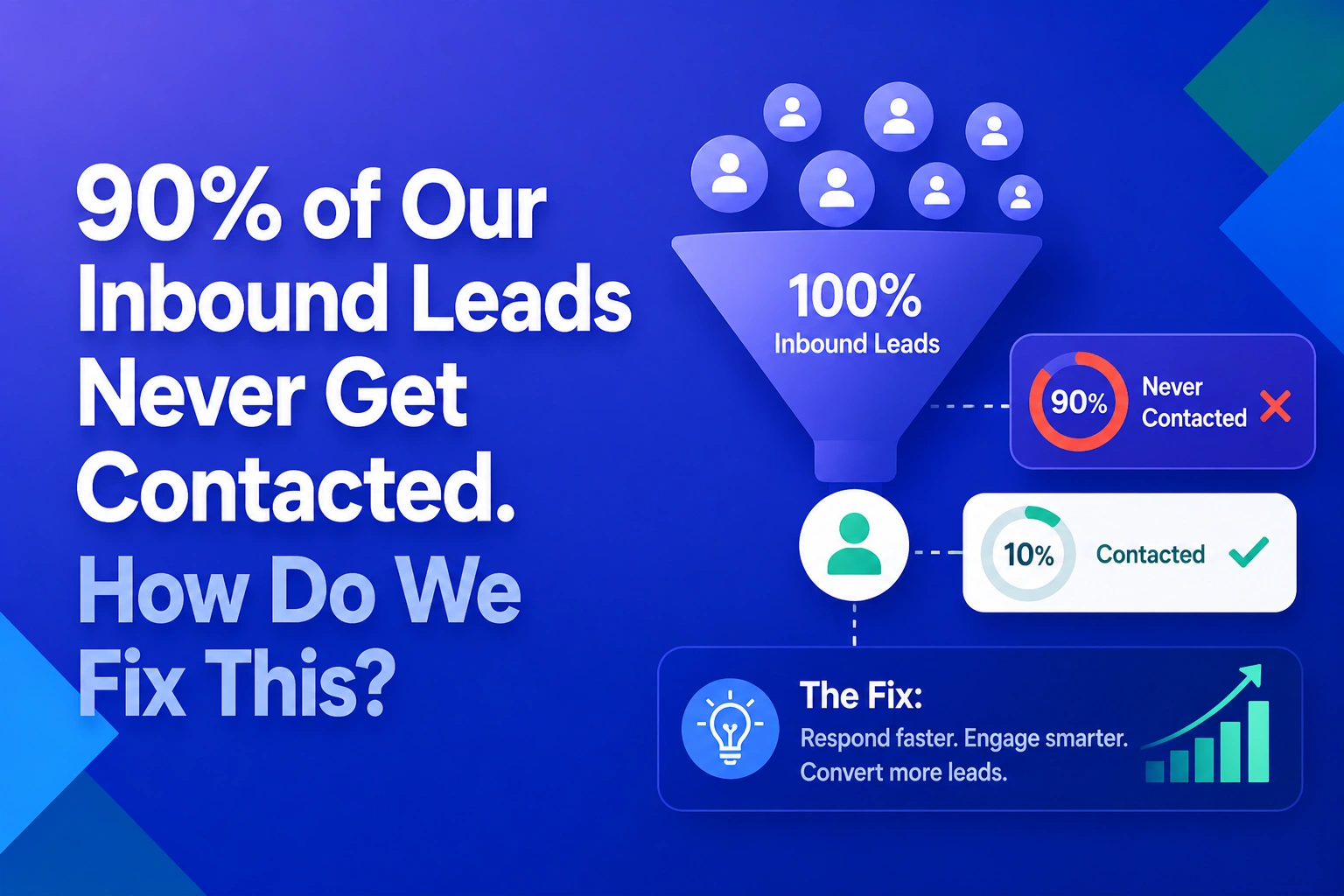
Out of 300 inbound inquiries, only 12 became real opportunities.
The obvious question isn't "Why didn't we generate more leads?"
It's "What happened to the other 288?"
Some buyers waited too long for a response. Others were buried under manual qualification and routing delays. Some reached out after business hours and never received meaningful engagement while their interest was highest. Others were lost because sales teams simply couldn't keep up with growing inbound volume.
The cost of these missed conversations extends far beyond a lost meeting.
Every unanswered or delayed inquiry represents wasted marketing investment, missed revenue opportunities, lower sales productivity, inaccurate pipeline forecasts, and buyers who may ultimately choose a competitor that engaged them first.
Many companies continue investing more in demand generation while overlooking the operational bottlenecks that prevent existing demand from becoming qualified pipeline.
Every uncontacted inbound lead represents more than a missed follow-up. It represents a buying moment that disappeared.
The Real Problem Isn't That Leads Aren't Contacted
Most revenue teams monitor lead response time or speed to lead because they know responding quickly increases the likelihood of starting a sales conversation.
That's still true.
But response time alone doesn't tell the whole story.
Imagine a buyer requests a demo at 10:00 AM.
At 4:00 PM, they receive an automated email saying, "Thanks for reaching out. Someone from our team will contact you shortly."
Technically, the lead was contacted.
Practically, the buying opportunity may already be gone.
The buyer has spent the last six hours researching alternatives, speaking with competitors, or deciding to postpone the purchase altogether.
This is why modern revenue teams are beginning to think beyond speed to lead and focus on something more valuable: Time to Meaningful Conversation.
A meaningful conversation isn't simply acknowledging that a lead exists. It's helping the buyer make progress while their purchase intent is still high. That means answering questions, understanding what they're trying to accomplish, qualifying the opportunity, providing relevant information, and connecting them with the right person when human expertise adds value.
Reducing the time between buying intent and meaningful engagement protects buyer momentum and gives sales teams a better chance of converting interest into qualified pipeline.
The goal isn't just to contact inbound leads faster. It's to start meaningful conversations before buyer intent fades.
Why Inbound Leads Never Get Contacted
Most companies don't intentionally ignore inbound leads. Instead, they rely on processes that make it difficult to engage buyers while their interest is still high.
If you've ever wondered why so many inbound opportunities never become sales conversations, the answer is usually a combination of operational bottlenecks rather than a lack of effort from your sales team.
SDRs Are Already Busy
Sales development representatives spend much of their day qualifying leads, researching accounts, following up on previous conversations, and attending internal meetings. When multiple inbound inquiries arrive at the same time, responding immediately to every buyer simply isn't realistic.
Related: Best Inbound AI SDRs
Leads Arrive After Business Hours
Buying intent doesn't follow office hours. Prospects often research vendors in the evening, across different time zones, or during weekends when sales teams aren't available. By the next business day, the urgency that prompted them to reach out may already be gone.
Manual Qualification Creates Delays
Many organizations require SDRs to review every inquiry before deciding whether it's worth pursuing. Researching companies, checking CRM records, and validating account fit all take time, delaying meaningful engagement with buyers who may already be evaluating competitors.
Related: Best Lead Qualification Tools
Lead Routing Takes Too Long
Even qualified buyers can wait while revenue teams determine who should respond. Territory rules, account ownership checks, and manual lead assignments often create unnecessary delays before the conversation even begins.
Also Check: Best Lead Routing Software
Nobody Knows Who Owns the Account
When multiple sales representatives, territories, or customer success managers are involved, ownership isn't always clear. Instead of responding immediately, teams spend valuable time deciding who should take the conversation.
Low-Quality Leads Overwhelm Sales
Spam submissions, students, competitors, vendors, and low-fit prospects consume the same queue as genuine buyers. As SDRs work through these conversations manually, high-intent opportunities often wait longer than they should.
Buyers Engage Across More Than Just Your Website
Today's buying journey rarely starts with a demo request form.
Prospects discover and engage with businesses through:
- Email campaigns
- WhatsApp and messaging apps
- Online communities
- AI search platforms
- Paid advertising
- Organic search
- Your website
If your revenue process only responds once someone submits a website form, you're overlooking many opportunities to engage buyers while their interest is at its highest.
Anonymous Buyers Leave Before They Identify Themselves
Many high-intent buyers spend time exploring pricing pages, product documentation, customer stories, and comparison content before they're ready to introduce themselves. If businesses wait until a form is completed to start a conversation, many of these potential customers leave without ever engaging.
Most inbound leads aren't lost because sales doesn't care. They're lost because manual processes can't keep up with how modern buyers research and purchase.
The Hidden Cost of Waiting Until Someone Fills Out a Form
Most revenue teams treat a demo request form as the beginning of the buying journey.
In reality, it's often one of the final steps.
Long before someone decides to contact sales, they've already invested time discovering your solution, researching alternatives, comparing vendors, reading customer reviews, exploring pricing, asking questions in AI search engines, participating in online communities, and evaluating whether your product is worth considering.
A typical buying journey looks more like this:
Discovery → Research → Compare Solutions → Explore Pricing → AI Search → Communities & Reviews → Visit Your Website → Maybe Submit a Form
By the time a prospect completes a form, they've already formed opinions, narrowed their shortlist, and may even be leaning toward a competitor.
The problem is that most companies ignore everything that happens before the form. Buyers remain anonymous, questions go unanswered, and valuable buying intent fades while businesses wait for someone to identify themselves.
The biggest opportunity isn't making forms shorter or sending faster follow-up emails. It's recognizing buying intent earlier and engaging buyers while they're still actively evaluating solutions.
Buyer intent begins long before a form submission. The companies that recognize it first are often the ones that win the deal.

.svg)


