13 Best Marketo Competitors & Alternatives for B2B Teams
11 Best Marketo Competitors & Alternatives in 2026
For more than a decade, Marketo has been one of the most widely used marketing automation platforms for B2B companies. It helped marketing teams build nurture programs, score leads, automate campaigns, and manage complex customer journeys at scale.
But the way buyers purchase software has changed.
Today's buyers spend more time researching independently, comparing vendors across multiple channels, and engaging long before they ever fill out a form. By the time a lead enters a traditional marketing automation workflow, much of the buying journey has already happened.
At the same time, many organizations are re-evaluating Marketo because of rising costs, operational complexity, lengthy implementation cycles, and the resources required to manage and maintain the platform effectively.
As a result, companies are exploring alternatives that better align with modern go-to-market strategies. Some are looking for simpler marketing automation platforms. Others want stronger CRM integration, real-time personalization, event-based automation, buyer identification, AI qualification, or faster speed-to-lead.
In this guide, we'll compare the best Marketo competitors and alternatives in 2026, including traditional marketing automation platforms, buyer activation solutions, and emerging Inbound AI SDR platforms. We'll break down where each platform excels, where it falls short, and how to choose the right solution for your revenue team.
Best for Salesforce Users: Salesforce Account Engagement (Pardot)
Best for Event-Based Automation: Customer.io
Best for SMBs: ActiveCampaign
Best for Enterprise Personalization: Braze
Best for Cross-Channel Engagement: Iterable
Best for Ecommerce Brands: Klaviyo
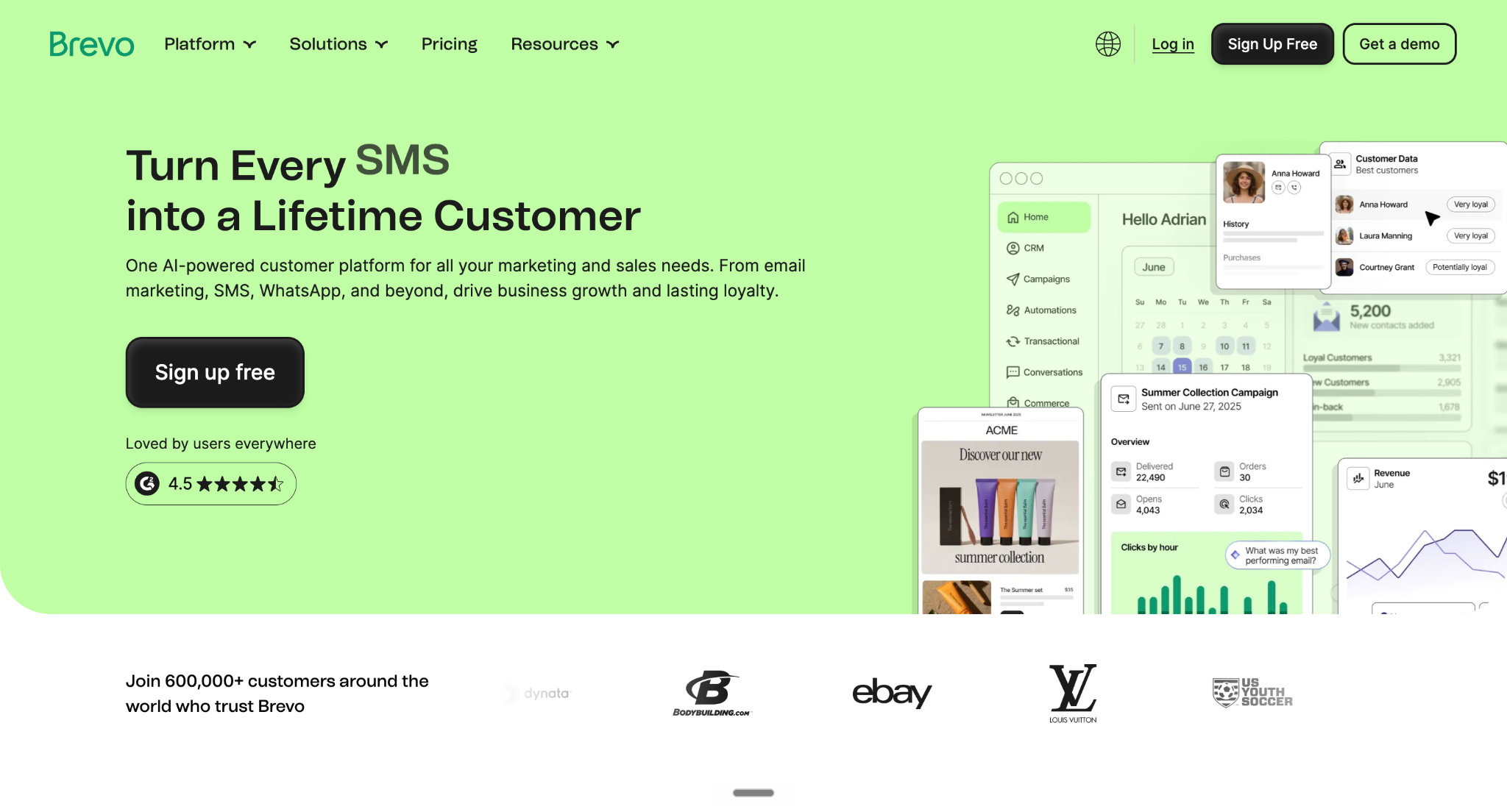
Best Budget Option: Brevo
Best for Visual Customer Journeys: Ortto
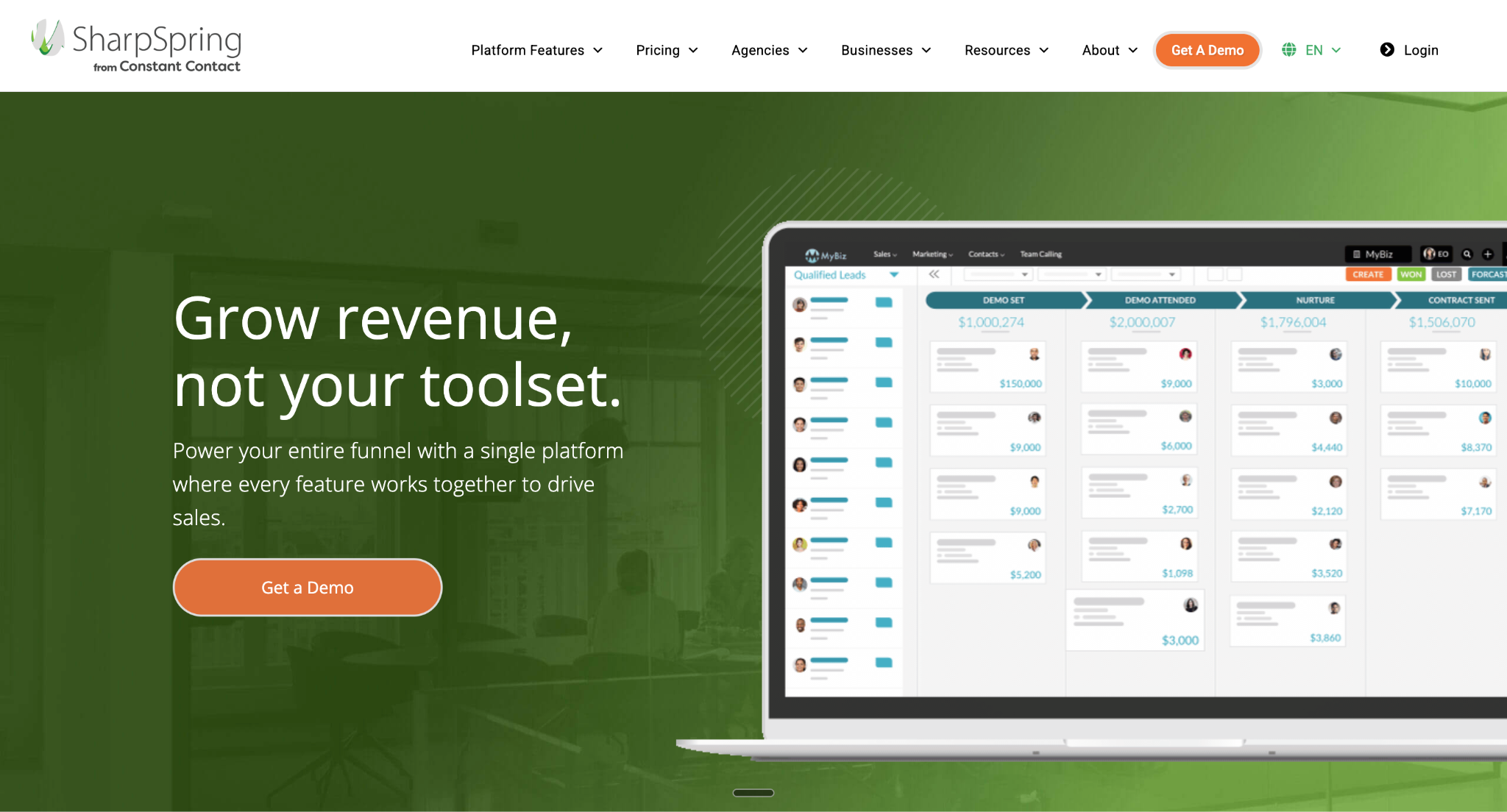
Best for SMB Marketing Automation: SharpSpring
Why Companies Look Beyond Marketo
For years, Marketo has been one of the most recognized marketing automation platforms in B2B. But as go-to-market teams prioritize speed, buyer experience, and revenue efficiency, many organizations are reevaluating whether traditional marketing automation alone is enough.
High Cost of Ownership
Marketo is powerful, but that power often comes with a significant price tag. Beyond licensing costs, teams frequently invest in consultants, implementation partners, training, and ongoing administration. As databases grow and requirements become more complex, total ownership costs can increase quickly.
Long Implementation Timelines
Many companies discover that deploying and optimizing Marketo is not a quick project. Building campaigns, configuring integrations, establishing lead scoring models, and creating reporting frameworks can take months before teams realize meaningful value.
Complex Administration Requirements
Marketo often requires specialized expertise to manage effectively. Workflow maintenance, scoring models, lifecycle programs, CRM synchronization, and reporting can create ongoing operational overhead that consumes valuable marketing and RevOps resources.
Slow Speed-to-Lead
Modern buyers expect immediate engagement. Yet in many organizations, lead capture, enrichment, qualification, routing, and follow-up happen across multiple disconnected systems. Every delay between buyer intent and sales engagement creates opportunities for momentum to disappear.
Modern Buyers Expect Faster Engagement
Today's buyers research independently, compare vendors anonymously, and expect relevant conversations when they're ready to engage. Waiting for a form submission and routing leads through traditional automation workflows is no longer enough for many revenue teams. Faster qualification, enrichment, and activation are becoming competitive advantages.
"Marketing automation creates campaigns. Revenue growth comes from activating buyers."
What Modern Revenue Teams Need Instead
Traditional marketing automation was built to capture leads and run campaigns. Modern revenue teams need systems that identify buyers earlier, qualify them faster, and convert intent into pipeline before momentum disappears.
Marketing Automation
Marketing automation remains an important foundation for email campaigns, lead nurturing, segmentation, and lifecycle management. But automation alone does not create a pipeline. Revenue teams increasingly combine automation with enrichment, qualification, and buyer activation to accelerate conversions.
Buyer Identification
Most website visitors never complete a form. Modern teams use buyer identification technology to understand which companies are researching solutions, allowing sales and marketing to engage high-intent accounts earlier in the buying journey.
Identity Resolution
Buyers interact across multiple channels, devices, and touchpoints. Identity resolution connects these fragmented interactions into a unified buyer profile, helping teams understand who is engaging and how interest evolves over time.
Form Enrichment
Every additional form field reduces conversion rates. Form enrichment automatically fills missing firmographic and contact data, allowing teams to collect richer information while asking buyers for less.
CRM Enrichment
Incomplete CRM records create routing errors, poor segmentation, and ineffective outreach. CRM enrichment continuously updates account and contact data so revenue teams can make decisions using accurate information.
AI Qualification
Not every lead deserves the same follow-up. AI qualification helps teams identify buying intent, determine fit, prioritize opportunities, and route prospects to the right sales motion faster.
Automated Follow-Up
Speed matters. Automated follow-up ensures buyers receive immediate responses, meeting options, relevant content, and personalized engagement while interest is still high.
Buyer Re-Engagement
Many opportunities are lost simply because conversations stop. Modern platforms continuously re-engage buyers who abandon forms, miss meetings, go silent, or return to research after periods of inactivity.
Memory & Momentum Capture
Buyers rarely purchase during a single session. Every visit, conversation, content interaction, webinar attendance, and research activity contributes to future purchase decisions. Capturing this history preserves context, while maintaining momentum ensures buyers continue progressing rather than restarting their journey every time they re-engage.
Buyer Activation
The goal is no longer lead capture, it's buyer activation. Revenue teams want to identify intent, enrich data, qualify opportunities, engage buyers across channels, and convert existing demand into pipeline as quickly as possible.
"The highest-performing revenue teams don't generate more demand. They convert more existing demand into pipeline."
Best Marketo Competitors at a Glance
Platform
Best For
Marketing Automation
Identity Resolution
CRM Enrichment
AI Qualification
Buyer Activation
Memory & Momentum Capture
Pricing
```
Knock AI
Buyer Activation & Inbound AI SDR
✅ Advanced
✅ Person & Company Level
✅
✅ Advanced
✅ Advanced
✅
From $2,000/mo
HubSpot Marketing Hub
CRM-Centric Marketing Automation
✅ Advanced
❌
Limited
Limited
❌
❌
From ~$890/mo
Pardot (Salesforce Account Engagement)
Salesforce Ecosystem
✅ Advanced
❌
Limited
Limited
❌
❌
From ~$1,250/mo
Customer.io
Event-Based Automation
✅ Advanced
❌
Limited
Limited
❌
❌
From ~$100/mo
ActiveCampaign
SMB & Mid-Market Automation
✅ Advanced
❌
Limited
Limited
❌
❌
From ~$15/mo
Braze
Enterprise Customer Engagement
✅ Advanced
Limited
Limited
Limited
Limited
Limited
Custom
Iterable
Cross-Channel Lifecycle Marketing
✅ Advanced
❌
Limited
Limited
Limited
Limited
Custom
Klaviyo
Ecommerce & DTC Brands
✅ Advanced
❌
Limited
Limited
❌
Limited
Free / Paid Plans
Brevo
Budget-Conscious Teams
✅
❌
❌
❌
❌
❌
From ~$9/mo
Ortto
Visual Journey Automation
✅
❌
❌
❌
❌
❌
From ~$169/mo
SharpSpring
SMB Marketing Automation
✅
❌
❌
❌
❌
❌
Custom
Paminga
Enterprise Marketing Automation
✅ Advanced
❌
Limited
Limited
❌
❌
Custom
```
See Knock AI in Action — Book Your Live Demo Today
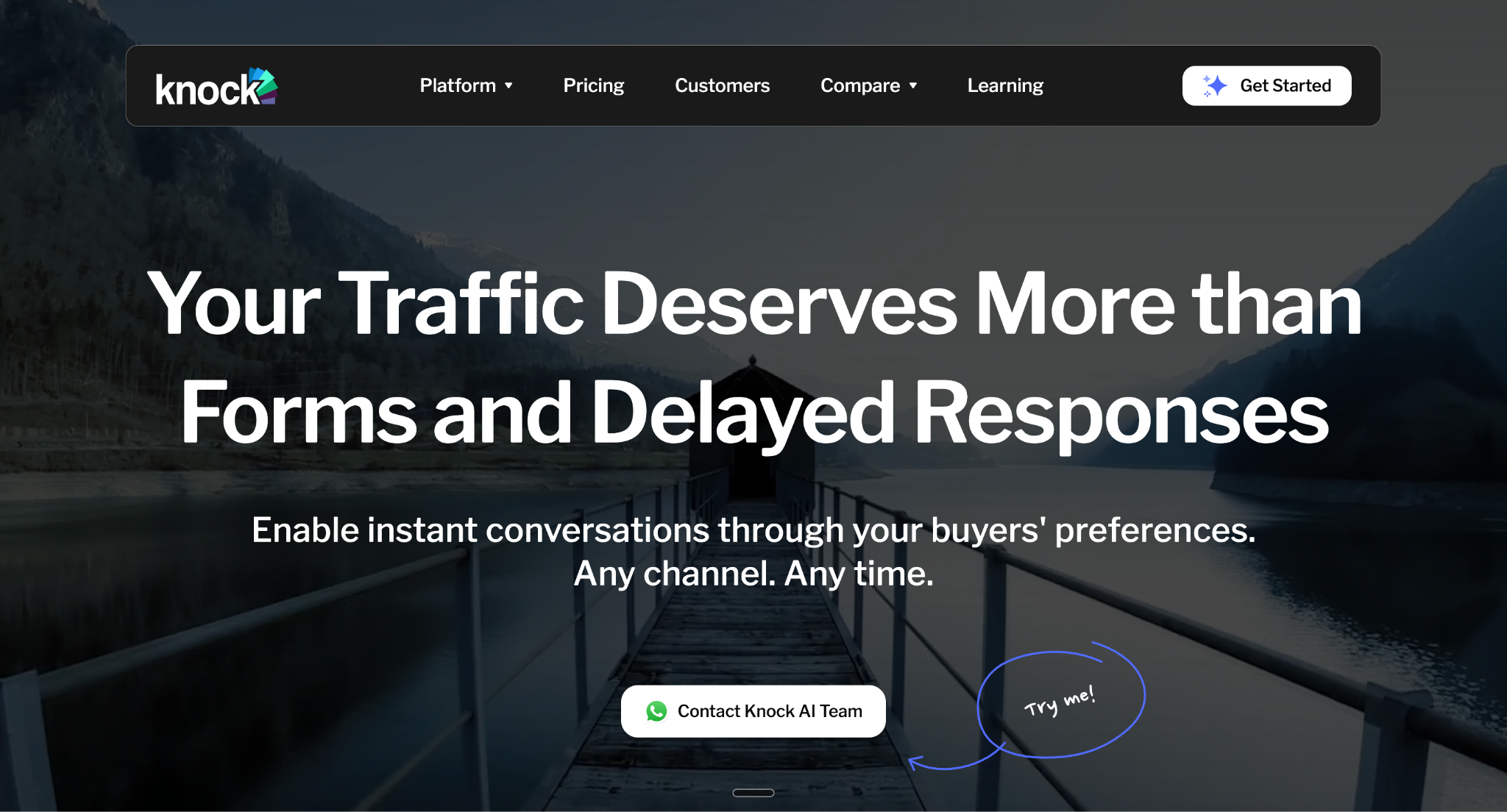
For companies looking beyond traditional marketing automation, Knock AI offers a different approach: turning existing buyer interest into conversations and meetings before momentum is lost, and that is why Knock AI is the best Marketo alternative.
What Makes Knock AI Different?
Most Marketo competitors focus on making marketing automation easier, cheaper, or faster.
Knock AI focuses on a different problem entirely: what happens after buyer intent appears.
Rather than waiting for prospects to fill out forms and enter nurture campaigns, Knock AI helps teams identify buyers earlier, understand intent faster, and engage them through AI-powered qualification and follow-up workflows.
Buyer Activation vs Marketing Automation
Marketing automation helps teams send campaigns.
Buyer activation helps teams convert interest into pipeline.
A buyer may visit your website, read a PDF, attend a webinar, engage with a LinkedIn post, or scan a QR code at an event long before completing a form. Knock AI is designed to activate those signals and move buyers toward qualified conversations.
Identity Resolution
Modern buying journeys happen across multiple devices, sessions, and channels.
Knock AI connects these interactions into unified buyer profiles, helping revenue teams understand who is engaging, where they came from, and how intent develops over time.
Form Enrichment
Long forms reduce conversion rates.
Knock AI enriches lead records automatically, allowing teams to capture more information while asking buyers for fewer details. This reduces friction while improving lead quality.
CRM Enrichment
Incomplete CRM records create inefficient routing, poor segmentation, and inaccurate reporting.
Knock AI continuously enriches contact and company data, helping sales and marketing teams work with more complete records throughout the funnel.
Inbound AI SDR
Knock AI's Inbound AI SDR acts as an always-on qualification layer between buyer interest and sales engagement.
Instead of relying on manual follow-up, the AI can engage prospects, answer questions, gather qualification data, handle objections, and help move buyers toward booked meetings.
Knock AI analyzes intent signals, engagement behavior, firmographic data, and qualification criteria to help teams prioritize high-value buyers and route them appropriately.
Multi-Channel Buyer Activation
Unlike traditional marketing automation platforms that primarily operate through email and forms, Knock AI helps activate buyers across multiple channels and touchpoints, including:
Website visits
LinkedIn engagement
Email interactions
PDF downloads and content assets
Webinar participation
Virtual events
In-person events
Trade shows
QR code experiences
This allows revenue teams to engage buyers wherever interest is expressed instead of waiting for a form submission.
Memory & Momentum Capture
One of the biggest challenges in B2B sales is lost momentum.
Buyers often research solutions over weeks or months, interacting with multiple pieces of content before making a decision. Knock AI helps preserve context across these interactions, capturing buyer history, engagement signals, and intent progression so conversations continue where they left off instead of starting over.
The result is better continuity, more relevant engagement, and fewer opportunities lost to forgotten conversations.
Strengths
Combines buyer identification, enrichment, qualification, and engagement in one platform
Strong focus on buyer activation rather than lead capture alone
AI-powered inbound SDR capabilities
Supports engagement across multiple channels and touchpoints
Helps preserve buyer context and momentum throughout long buying journeys
Reduces manual qualification and follow-up workload
Limitations
Not designed to replace every marketing automation workflow used in enterprise MAPs
Most valuable for organizations with active inbound demand generation programs
Requires clear qualification criteria and sales processes to maximize results
Best For
B2B SaaS companies, revenue teams, and demand generation organizations looking to convert more existing demand into qualified pipeline through buyer activation, enrichment, AI qualification, and inbound AI SDR workflows.
Pricing
Knock AI offers transparent pricing designed around buyer activation and pipeline growth rather than seat-based sales development costs.
Pipeline Foundation, Starting at $2,000/month
Auto identification and enrichment
AI SDR engagement and routing
Instant meeting booking
LinkedIn outreach for high-intent buyers
Slack and CRM synchronization
Pipeline Acceleration, Starting at $3,500/month
Everything in Foundation
AI SDR-led qualification
Automated demo booking
Advanced enrichment and intent routing
Multi-channel activation across LinkedIn, WhatsApp, Slack, and Telegram
Enterprise Pipeline, Custom Pricing
Custom messaging channels
Custom qualification and routing logic
Unlimited buyer enrichment
Enterprise security and permissions
Dedicated customer success and GTM support
Unlike many enterprise revenue platforms, Knock AI also offers a Try Before You Buy option, allowing teams to validate buyer activation, qualification, and pipeline impact before making a long-term commitment.
2. HubSpot Marketing Hub
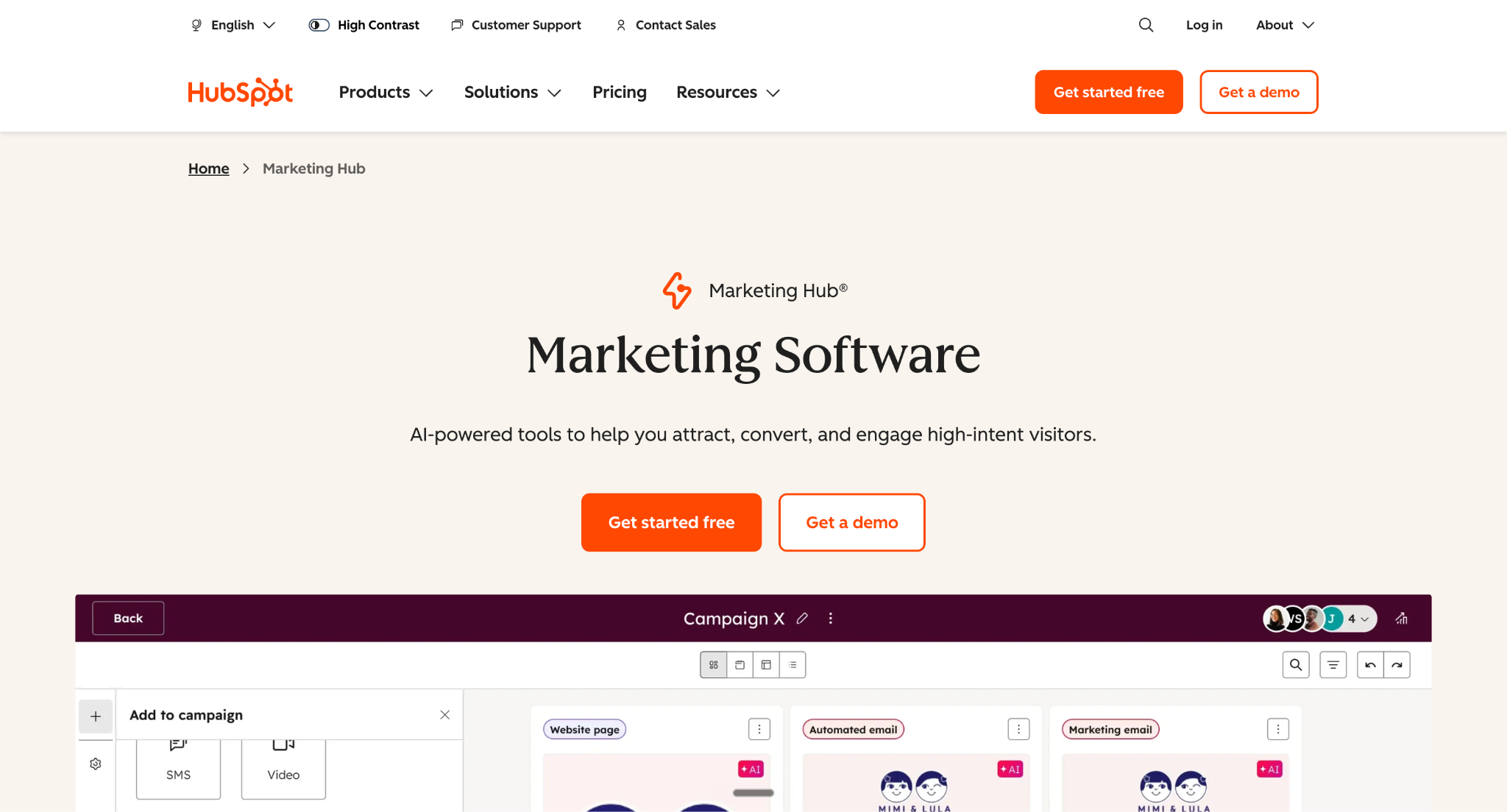
HubSpot Marketing Hub is one of the most popular Marketo alternatives, combining marketing automation, CRM, email marketing, lead management, reporting, and sales tools within a single platform. Many organizations choose HubSpot because it offers a simpler user experience and tighter CRM alignment than traditional enterprise marketing automation platforms.
Strengths
Native CRM integration
Strong email marketing and automation capabilities
Easy-to-use workflow builder
Robust reporting and attribution tools
Large integration ecosystem
Limitations
Costs increase significantly as contacts grow
Advanced customization can be restrictive for large enterprises
Limited buyer identification and activation capabilities
Best For
Companies looking for an all-in-one CRM and marketing automation platform.
Pricing
Starts at approximately $890/month for Marketing Hub Professional.
Salesforce Account Engagement, formerly Pardot, is Salesforce's marketing automation platform for B2B organizations. It provides lead nurturing, lead scoring, campaign automation, and reporting tightly integrated with Salesforce CRM.
Strengths
Deep Salesforce integration
Mature lead scoring and nurturing capabilities
Strong B2B marketing workflows
Enterprise-grade reporting
Limitations
Expensive compared to many alternatives
Less flexible than newer automation platforms
Limited buyer activation and real-time engagement capabilities
Best For
Organizations heavily invested in the Salesforce ecosystem.
Pricing
Starts at approximately $1,250/month.
4. Customer.io
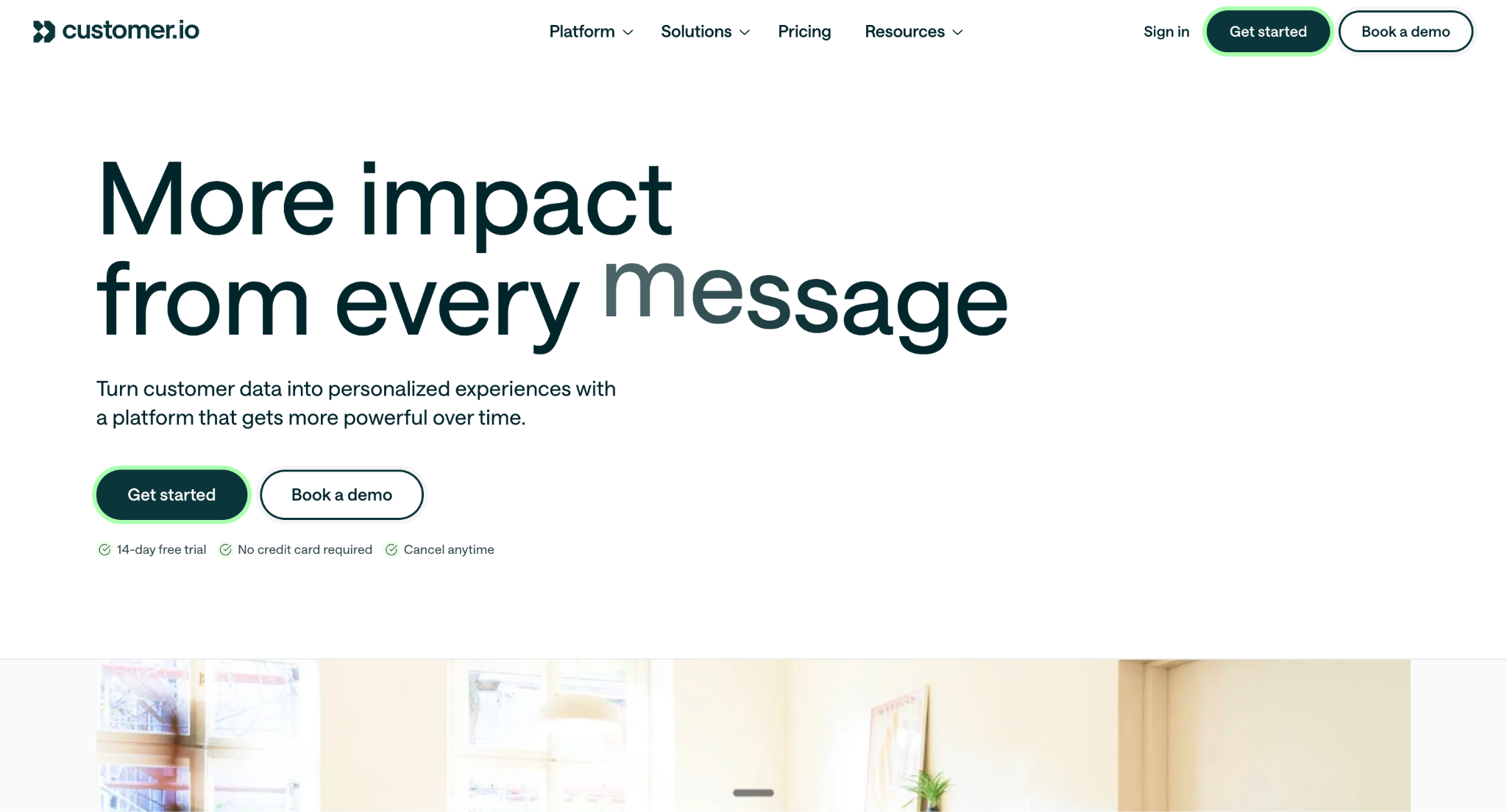
Customer.io is an event-driven marketing automation platform built around real-time behavioral data. It is especially popular among SaaS and product-led growth companies that rely on user activity and product events to trigger campaigns.
Strengths
Real-time event-based automation
Advanced segmentation
Multi-channel messaging
Strong developer flexibility
Limitations
Requires technical resources for implementation
Not designed for complex enterprise CRM workflows
Limited buyer activation functionality
Best For
PLG, SaaS, and data-driven marketing teams.
Pricing
Starts at approximately $100/month.
5. ActiveCampaign
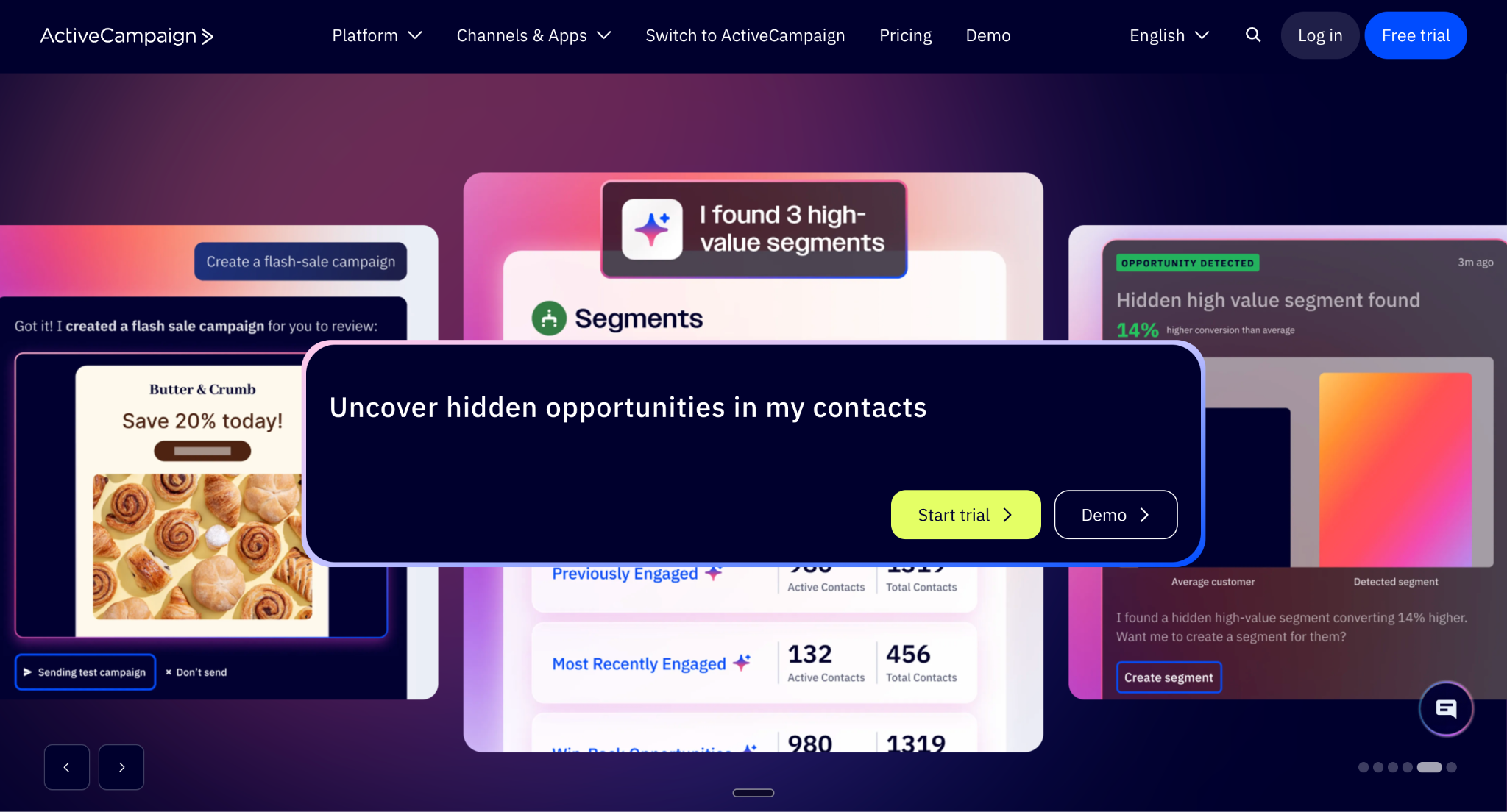
ActiveCampaign combines email marketing, automation, CRM functionality, and lead nurturing into a cost-effective platform. It delivers many enterprise automation features without the complexity associated with Marketo.
Strengths
Powerful automation builder
Affordable pricing
Built-in CRM
Easy deployment
Limitations
Limited enterprise scalability
Weaker attribution capabilities
Less advanced multi-channel orchestration
Best For
SMBs and mid-market B2B companies.
Pricing
Starts at approximately $15/month.
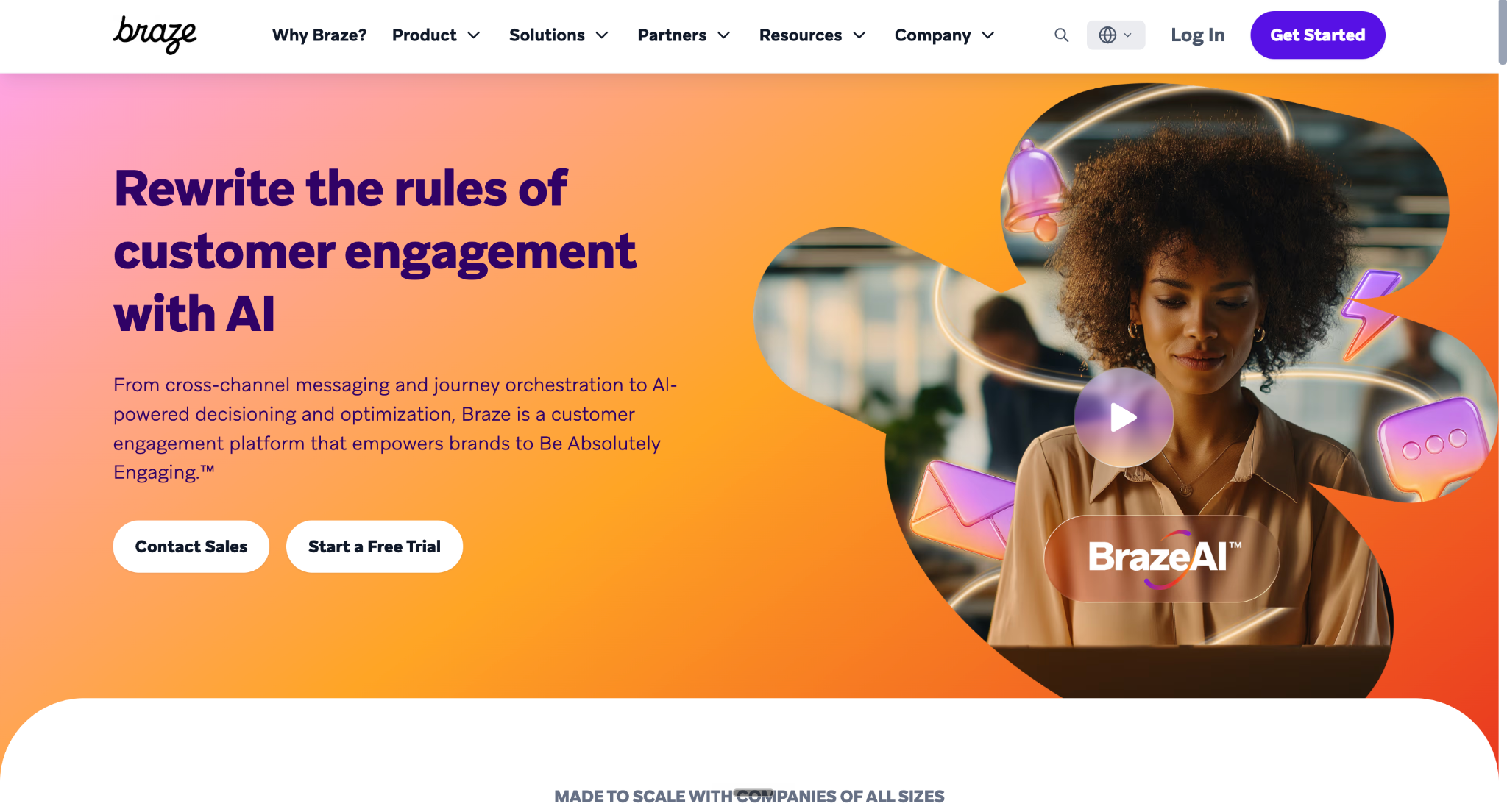
6. Braze
Braze is a customer engagement platform focused on real-time, cross-channel communication. It is widely used by enterprise companies that need sophisticated mobile, SMS, email, and in-app messaging capabilities.
Strengths
Enterprise-grade personalization
Real-time engagement
Strong mobile and in-app messaging
Advanced customer journey orchestration
Limitations
Complex implementation
Premium pricing
Better suited for customer engagement than B2B lead generation
Best For
Large enterprises managing high-volume customer engagement.
Pricing
Custom pricing.
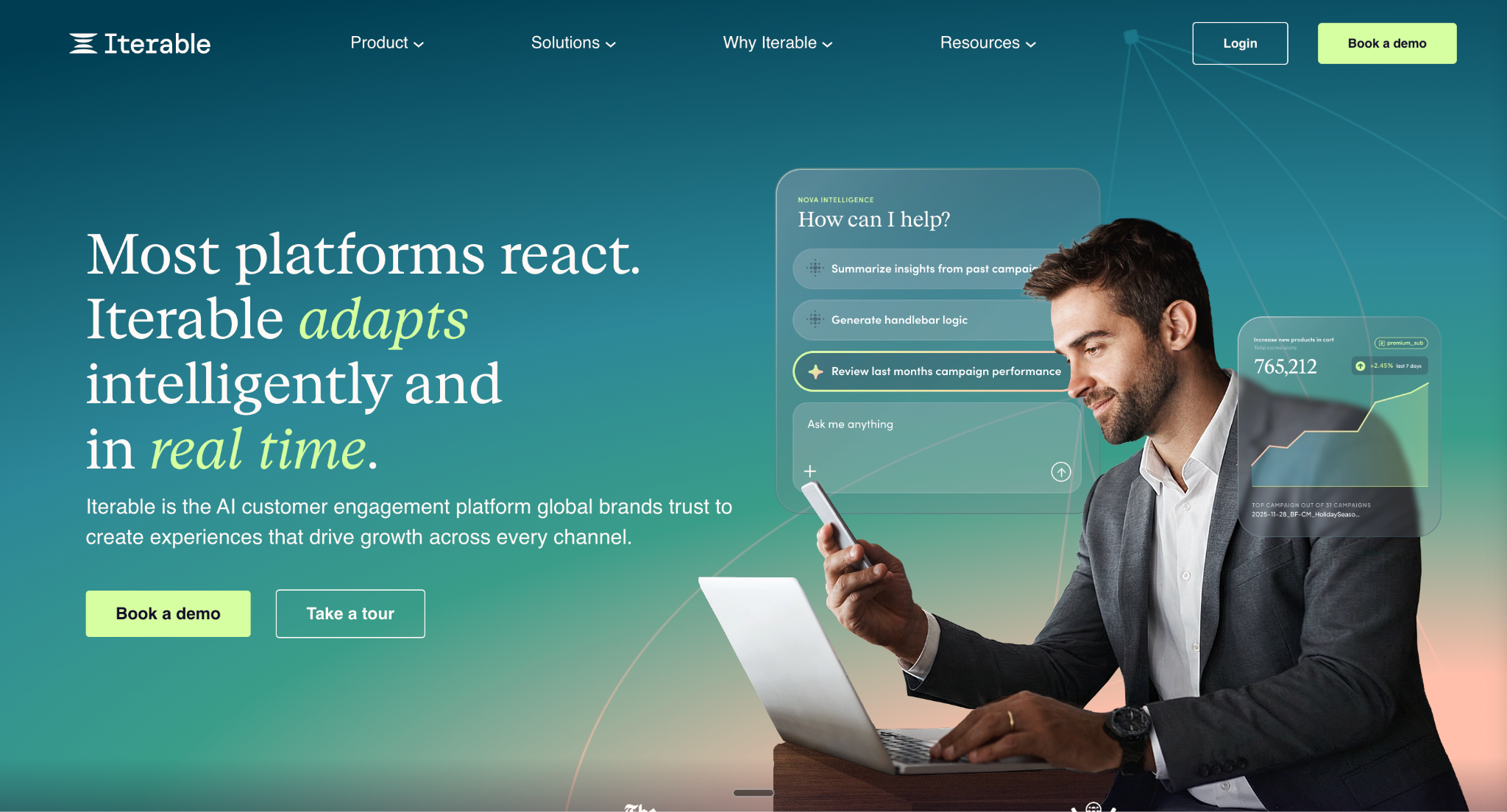
7. Iterable
Iterable helps companies create personalized, cross-channel customer journeys using email, SMS, push notifications, and in-app messaging. It is often chosen by fast-growing organizations seeking flexible lifecycle marketing.
Strengths
Cross-channel orchestration
Dynamic audience segmentation
Experimentation and testing tools
Real-time engagement capabilities
Limitations
Limited CRM-centric functionality
Requires strong data infrastructure
Less focused on B2B revenue operations
Best For
Lifecycle marketing and growth teams.
Pricing
Custom pricing.
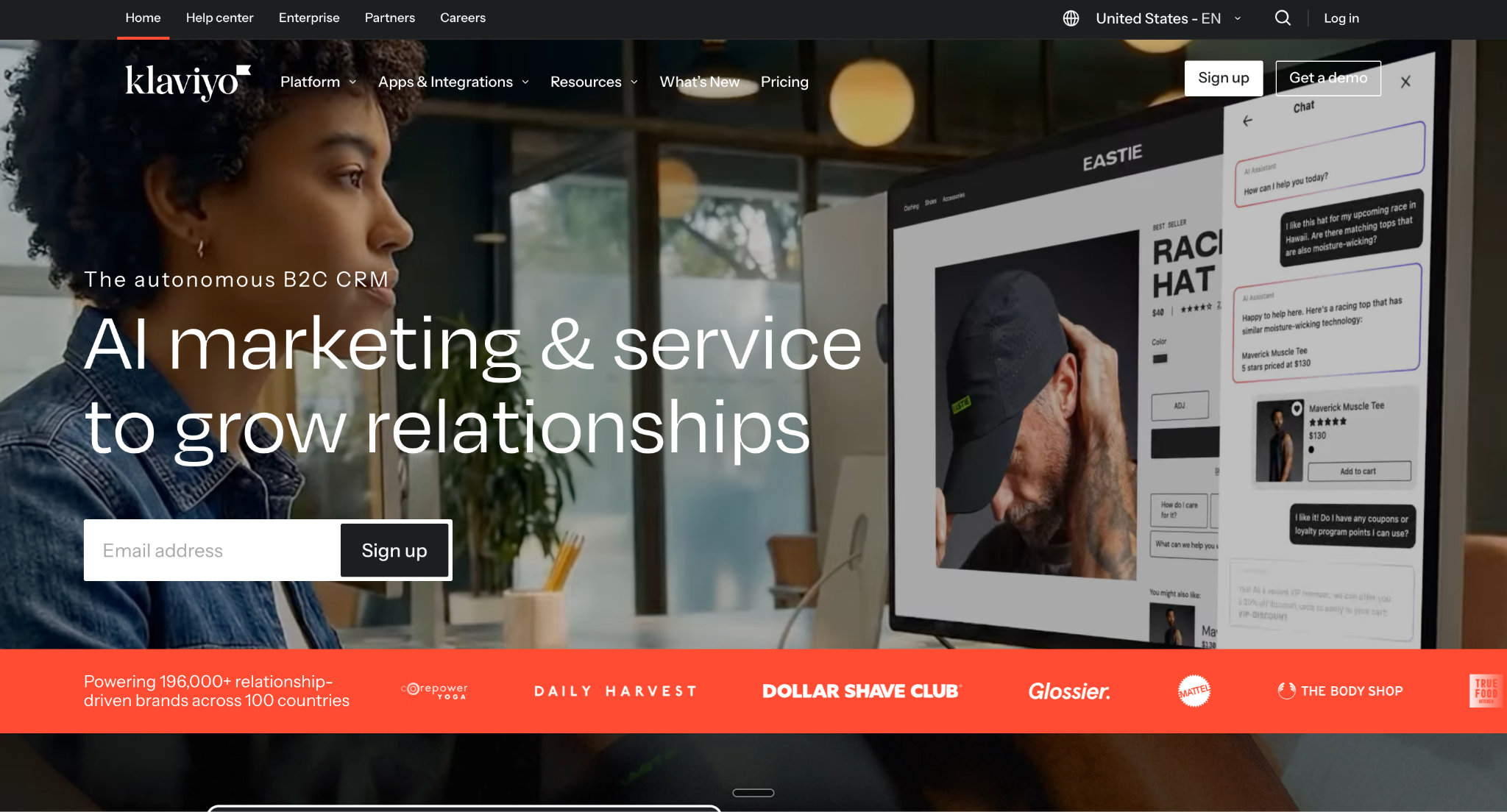
8. Klaviyo
Klaviyo is one of the most widely used marketing automation platforms for ecommerce brands. Its strength lies in combining customer data, transactional events, email marketing, and SMS campaigns.
Strengths
Ecommerce-focused automation
Strong Shopify integrations
SMS and email marketing
Revenue attribution reporting
Limitations
Not designed for B2B sales cycles
Limited CRM enrichment capabilities
Less suitable for complex revenue operations
Best For
Ecommerce and direct-to-consumer brands.
Pricing
Free plan available. Paid plans scale with contacts.
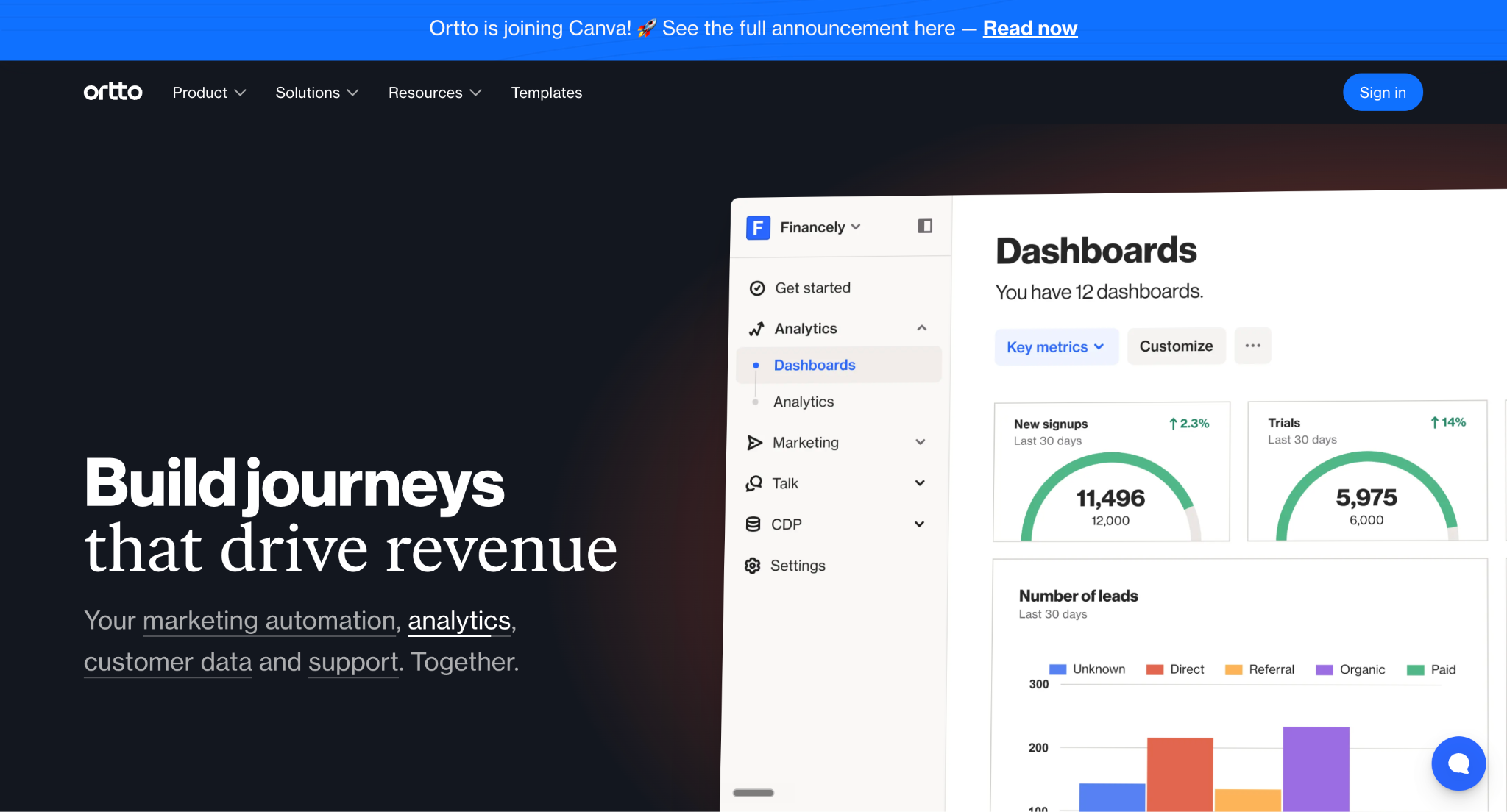
9. Ortto
Ortto combines customer data, journey orchestration, analytics, and automation within a visual workflow environment. It focuses on helping teams build customer journeys without extensive technical resources.
Brevo (formerly Sendinblue) offers email marketing, SMS campaigns, automation, CRM functionality, and transactional messaging at an affordable price point.
Strengths
Budget-friendly pricing
Email and SMS marketing
Transactional messaging
Easy onboarding
Limitations
Less advanced automation capabilities
Limited enterprise functionality
Basic reporting compared to premium platforms
Best For
Small businesses and budget-conscious teams.
Pricing
Free plan available. Paid plans start around $9/month.
11. SharpSpring
SharpSpring is an all-in-one marketing automation platform that combines CRM, email marketing, automation, landing pages, and lead management. It is often positioned as a lower-cost alternative to Marketo.
Strengths
Unified platform
Strong lead management tools
Agency-friendly features
Lower total cost than enterprise MAPs
Limitations
Smaller ecosystem
Less innovation than category leaders
Limited buyer activation and enrichment capabilities
Best For
SMBs, agencies, and mid-market organizations.
Pricing
Custom pricing.
Marketo vs Knock AI
Capability
Marketo
Knock AI
```
Marketing Automation
✅
✅
Email Nurturing
✅
✅
Lead Capture
✅
✅
Buyer Identification
❌
✅
Identity Resolution
❌
✅
Form Enrichment
❌
✅
CRM Enrichment
❌
✅
AI Qualification
❌
✅
Inbound AI SDR
❌
✅
Buyer Activation
❌
✅
Buyer Re-Engagement
❌
✅
Multi-Channel Buyer Engagement
Limited
✅
Memory & Momentum Capture
❌
✅
AI Meeting Booking
❌
✅
```
Key Takeaway
Marketo is designed to automate marketing campaigns, email nurturing, lead scoring, and lifecycle management.
Knock AI is designed to identify buyers, enrich records, qualify intent, engage prospects, activate demand across channels, and convert inbound interest into pipeline using AI.
If You Need...
Choose
```
Enterprise marketing automation
Marketo
Email nurture programs
Marketo
Campaign management
Marketo
Buyer identification
Knock AI
AI-powered qualification
Knock AI
Inbound AI SDR
Knock AI
Form & CRM enrichment
Knock AI
Buyer activation
Knock AI
Revenue acceleration from existing demand
Knock AI
```
Marketo helps marketing teams automate campaigns. Knock AI helps revenue teams identify, qualify, activate, and convert buyers.
Marketing Automation vs Buyer Activation
For years, marketing automation has been the foundation of B2B demand generation. It helps companies send emails, nurture leads, score prospects, and automate campaign workflows.
But buying behavior has changed.
Modern buyers research anonymously, consume content across multiple channels, attend webinars, engage on LinkedIn, and compare vendors long before submitting a form. As a result, many revenue teams are discovering that automating campaigns isn't the same thing as activating buyers.
What Is Marketing Automation?
Marketing automation refers to software that automates repetitive marketing tasks and customer communications.
Common marketing automation capabilities include:
Email marketing
Lead nurturing
Drip campaigns
Lead scoring
Segmentation
Campaign workflows
Attribution reporting
Platforms like Marketo, HubSpot, Pardot, ActiveCampaign, and Customer.io help marketing teams manage these processes at scale.
Marketing automation is excellent for running campaigns after a lead enters your database.
The challenge is that many buying journeys begin long before that moment.
What Is Buyer Activation?
Buyer activation is the process of identifying, enriching, qualifying, engaging, and converting buyers when intent appears.
Instead of waiting for a form submission, buyer activation focuses on understanding who is showing interest and helping them progress toward a sales conversation.
Buyer activation typically includes:
Buyer identification
Identity resolution
Form enrichment
CRM enrichment
AI qualification
Automated follow-up
Buyer re-engagement
Meeting booking
Inbound AI SDR workflows
The goal isn't simply to generate leads.
The goal is to convert existing demand into pipeline.
Why Revenue Teams Are Investing in Buyer Activation
Most companies already have more demand than they realize.
Buyers visit websites without converting. They read content, attend webinars, engage with LinkedIn posts, download PDFs, visit pricing pages, and disappear before entering a nurture sequence.
Traditional marketing automation often treats these interactions as invisible until a form is completed.
Buyer activation systems are designed to capture and act on those signals.
This shift is happening because revenue teams care about:
Faster speed-to-lead
Higher conversion rates
Better qualification accuracy
Reduced SDR workload
Increased pipeline efficiency
More revenue from existing traffic
The fastest-growing companies aren't necessarily generating more demand.
They're activating more of the demand they already have.
When You Need Both
Marketing automation and buyer activation solve different problems.
Marketing automation helps teams communicate with known leads and customers at scale.
Buyer activation helps teams identify and convert buyers before they become traditional leads.
Most modern revenue organizations ultimately need both.
Marketing automation manages campaigns, lifecycle journeys, and customer communications.
Buyer activation identifies intent, enriches records, qualifies prospects, preserves buying momentum, and helps convert interest into pipeline.
The companies seeing the strongest revenue performance aren't replacing marketing automation.
If you're launching a new product or repositioning your brand alongside a new GTM strategy, an AI logo can help you quickly create a professional brand identity.
Not every company is trying to solve the same problem. Some teams need better marketing automation. Others need better buyer activation, qualification, and pipeline generation. The right platform depends on where your biggest bottleneck exists today.
You care about buyer activation, not just campaign automation
You want Inbound AI SDR workflows that qualify and engage buyers automatically
You need identity resolution across buyers, accounts, and touchpoints
You want form enrichment and CRM enrichment to improve data quality
You need AI qualification to prioritize high-intent opportunities
You want to activate buyers across websites, LinkedIn, email, webinars, PDFs, events, and other channels
You care about memory and momentum capture throughout long buying journeys
You want to convert more existing demand into pipeline without increasing SDR headcount
Choose HubSpot if...
Choose HubSpot if:
You want an all-in-one CRM and marketing platform
Your sales and marketing teams already use HubSpot
You need email marketing, lead nurturing, and reporting in one system
Ease of use is more important than advanced customization
Choose Pardot if...
Choose Pardot if:
Salesforce is the center of your GTM stack
You need tight Salesforce alignment
Lead scoring and lead nurturing are major priorities
You operate a traditional enterprise B2B marketing motion
Choose Customer.io if...
Choose Customer.io if:
Product usage data drives your marketing strategy
You need real-time event-based automation
You're running a PLG or SaaS growth model
Your team has the technical resources to manage behavioral workflows
Choose ActiveCampaign if...
Choose ActiveCampaign if:
You want strong automation at a lower price point
You're a growing SMB or mid-market company
Email marketing and lifecycle automation are your primary needs
You don't require enterprise-level complexity
Choose Klaviyo if...
Choose Klaviyo if:
You're an ecommerce or DTC brand
Revenue attribution is tied directly to purchases
SMS and email marketing are core channels
You need deep Shopify or ecommerce platform integrations
The best Marketo alternative depends on your goal. If you're looking for better campaign automation, platforms like HubSpot, Pardot, and Customer.io are strong options. If you're looking to identify buyers, qualify intent, and convert more existing demand into pipeline, buyer activation platforms like Knock AI offer a fundamentally different approach.
The Future of Revenue Growth Is Buyer Activation
For more than a decade, revenue teams have invested heavily in marketing automation. The goal was simple: generate leads, nurture prospects, and move buyers through predefined funnel stages.
That approach still matters. But modern buying behavior has changed.
Today's buyers conduct research independently, consume content across multiple channels, compare vendors anonymously, and often reach purchasing decisions before ever speaking with a salesperson. As a result, the companies creating the most pipeline are not necessarily the ones generating the most leads. They're the ones doing the best job of activating buyer intent.
Intent
Every buying journey begins with intent.
A pricing page visit, webinar registration, LinkedIn engagement, content download, or product evaluation can all signal potential interest. The challenge is identifying those signals early enough to act on them. Revenue teams are increasingly focused on capturing intent when it appears instead of waiting for a form submission.
Identity
Intent is valuable only if you can connect it to the right buyer.
Identity resolution helps organizations understand who is engaging across channels, devices, and touchpoints. By connecting fragmented interactions into a unified profile, teams gain a clearer picture of the buying journey and can engage buyers with greater context.
Qualification
Not every interested prospect is a qualified opportunity.
Modern revenue organizations are using AI and behavioral data to determine which buyers represent genuine pipeline potential. This allows sales teams to prioritize the right opportunities while reducing time spent on low-intent leads.
Enrichment
Revenue decisions are only as good as the data behind them.
Form enrichment and CRM enrichment help organizations maintain complete, accurate buyer records without increasing friction for prospects. Better data leads to better routing, segmentation, personalization, and forecasting.
Conversations
Buyers increasingly expect conversations rather than forms.
Whether engagement happens through chat, email, LinkedIn, messaging apps, webinars, or AI-powered assistants, the focus is shifting from collecting information to creating meaningful interactions that help buyers move forward.
Pipeline
Ultimately, revenue teams aren't measured by leads, clicks, or form submissions.
They're measured by pipeline and revenue.
That's why the conversation is shifting from lead generation to buyer activation. The objective is no longer simply capturing demand. It's identifying, qualifying, enriching, and activating demand before momentum is lost.
Marketing automation remains essential for campaigns and nurture programs. But increasingly, revenue teams are investing in buyer activation, identity resolution, CRM enrichment, and inbound AI SDR workflows to convert more existing demand into pipeline.
FAQs
What is the best Marketo alternative?
The best Marketo alternative depends on your goals. HubSpot is popular for CRM-centric marketing automation, Pardot is ideal for Salesforce users, and Customer.io excels at event-based automation. If your focus is buyer activation, identity resolution, CRM enrichment, and inbound AI SDR workflows, platforms like Knock AI offer a different approach than traditional marketing automation.
Why are companies moving away from Marketo?
Many organizations look beyond Marketo because of rising costs, operational complexity, lengthy implementation timelines, and the need for faster buyer engagement. Modern revenue teams increasingly want solutions that help identify, qualify, and activate buyers in real time.
What is buyer activation?
Buyer activation is the process of identifying, enriching, qualifying, engaging, and converting buyers when intent appears. Instead of waiting for a form submission, buyer activation focuses on turning existing interest into a pipeline.
What is identity resolution?
Identity resolution connects buyer interactions across channels, sessions, and devices into a unified profile. This helps revenue teams understand who is engaging and how their buying journey evolves over time.
What is CRM enrichment?
CRM enrichment automatically adds or updates contact and company information inside your CRM. The goal is to improve data quality, routing accuracy, segmentation, and personalization without requiring manual research.
What is an inbound AI SDR?
An inbound AI SDR is an AI-powered sales development representative that qualifies leads, engages prospects, answers questions, routes opportunities, and books meetings automatically. It helps revenue teams respond faster while reducing manual qualification work.
Is HubSpot better than Marketo?
HubSpot is often easier to implement and manage than Marketo, especially for mid-market companies. Marketo generally offers deeper enterprise marketing automation capabilities, while HubSpot provides a more unified CRM and marketing experience.
Is Pardot better than Marketo?
Pardot can be a better choice for organizations that are heavily invested in Salesforce. Marketo typically offers broader marketing automation functionality, while Pardot's strength lies in its native Salesforce integration.
Can Marketo identify anonymous visitors?
Marketo can track anonymous website activity, but it generally cannot identify anonymous visitors at the person level without additional tools, integrations, or a known conversion event.
Does Knock AI replace Marketo?
Not necessarily. Some companies use Knock AI alongside Marketo. Marketo manages campaigns and nurture programs, while Knock AI focuses on buyer activation, identity resolution, enrichment, qualification, and inbound AI SDR workflows.
How do you qualify leads automatically?
Lead qualification can be automated using behavioral signals, firmographic data, engagement activity, enrichment data, scoring models, and AI-powered qualification workflows. Modern platforms can prioritize opportunities without requiring manual review.
What is the difference between marketing automation and buyer activation?
Marketing automation focuses on campaigns, nurturing, segmentation, and communications. Buyer activation focuses on identifying buyers, resolving identities, enriching records, qualifying intent, engaging prospects, and converting existing demand into pipeline.


.svg)


.svg)
.svg)
.svg)


.svg)
.svg)


.svg)