LeanData is one of the most popular lead routing and RevOps orchestration platforms in the Salesforce ecosystem. B2B companies widely use it for lead assignment, account matching, territory management, scheduling, and workflow automation.
But many teams eventually run into the same challenges: implementation complexity, operational overhead, rising costs, and workflows that still depend heavily on forms and CRM processes.
At the same time, modern GTM teams want more than routing alone. They want faster qualification, better buyer engagement, cleaner handoffs, stronger intent visibility, and less friction in the conversion journey.
That is why more companies are exploring LeanData alternatives.
Some platforms focus on Salesforce-native routing and territory management. Others specialize in data enrichment, inbound scheduling, conversational qualification, workflow automation, website engagement, or AI-driven buyer conversion.
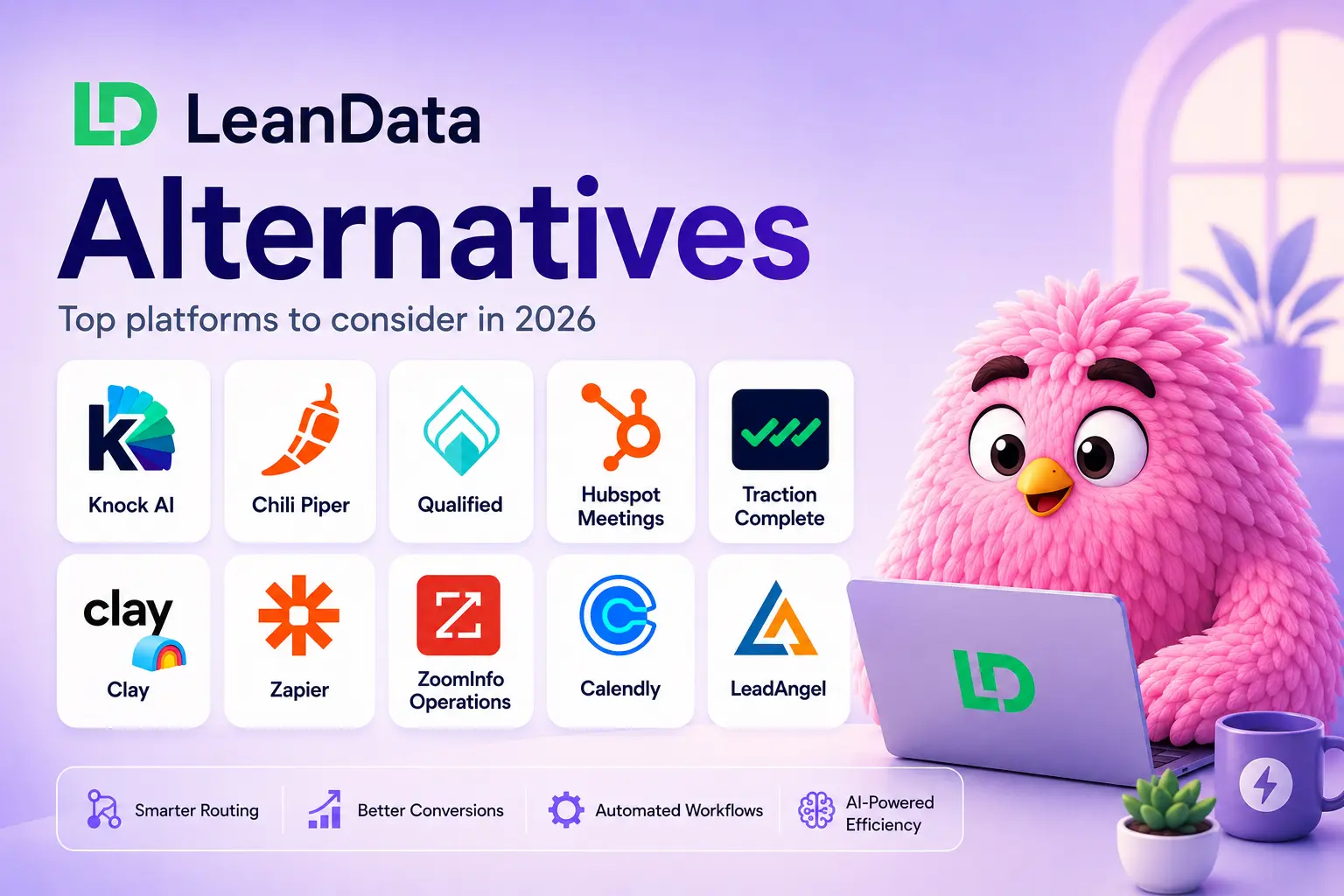
In this guide, we compare the top 10 LeanData alternatives in 2026 and break down which platforms are best for different GTM motions, operational needs, and revenue workflows.
LeanData Alternatives at a Glance
Best overall alternative for buyer conversion → Knock AI
Best Salesforce-native enterprise routing alternative → Traction Complete
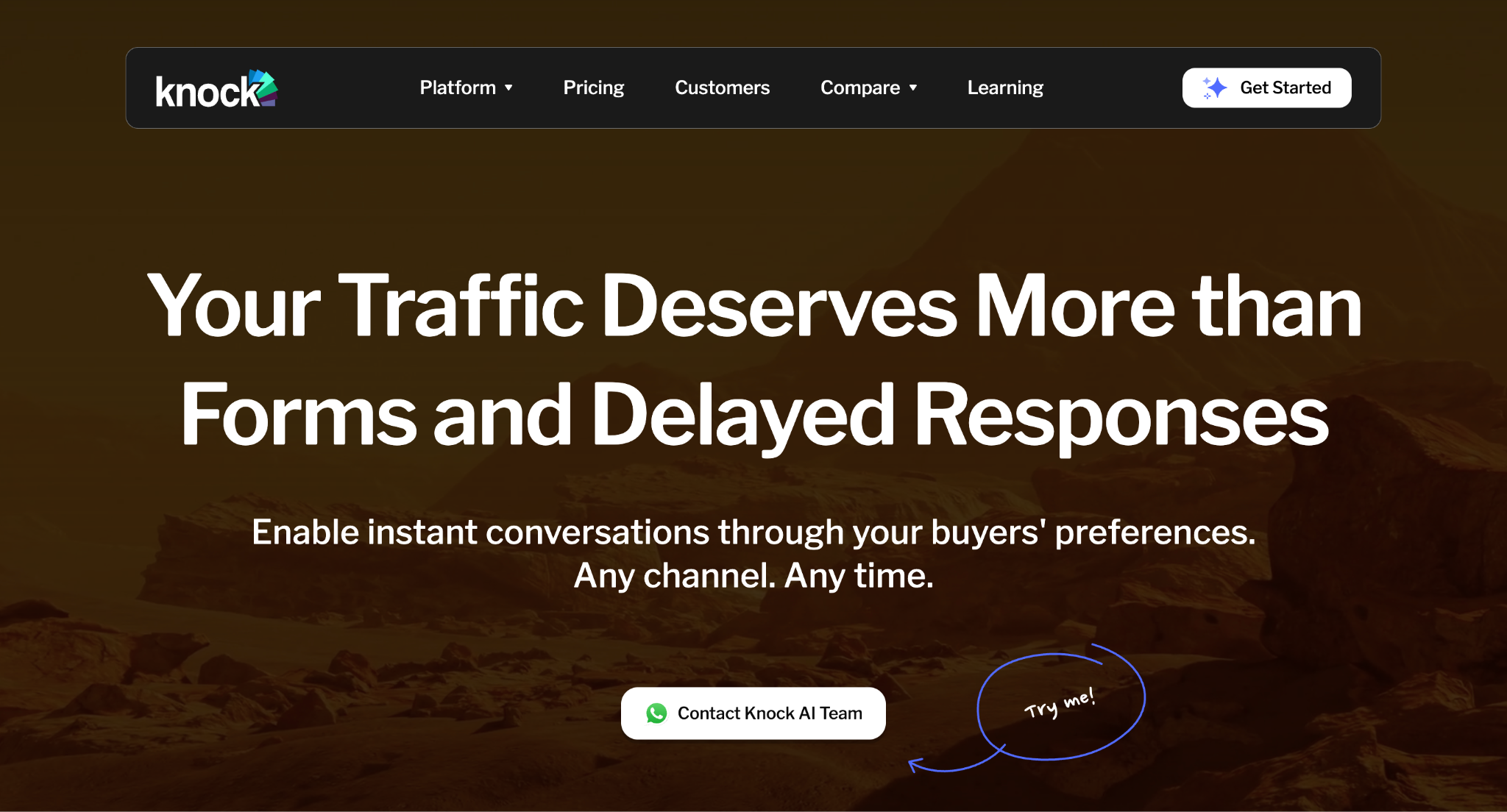
One of its biggest differentiators is person-level identity resolution. Rather than relying entirely on anonymous company-level traffic signals or static forms, Knock AI helps teams identify and engage real buyers across channels and touchpoints.
The platform is designed for companies that want to reduce form friction, improve qualification speed, and engage buyers in real time before pipeline opportunities disappear.
Knock AI also focuses heavily on conversational workflows. Instead of pushing every visitor through a traditional form-first experience, teams can qualify buyers dynamically, trigger automated outreach, schedule meetings instantly, and continue conversations across channels like LinkedIn and Slack.
For modern GTM teams, this creates a more connected buyer journey from first interaction to pipeline creation.
Combines qualification, engagement, routing, and scheduling in one workflow
Supports real-time buyer engagement
Strong fit for modern AI-driven GTM motions
Multi-channel communication workflows improve follow-up continuity
Cons
Different workflow philosophy compared to traditional routing tools
May require process changes for teams heavily dependent on form-first inbound motions
Best suited for companies prioritizing buyer engagement and conversion optimization
Best For
Mid-market and enterprise B2B teams
High-growth SaaS companies
GTM teams focused on inbound conversion
Organizations trying to reduce form abandonment
Revenue teams prioritizing real-time qualification and buyer engagement
Why Teams Choose It Over LeanData
Teams typically choose Knock AI over LeanData when they want to move beyond traditional post-form routing workflows.
LeanData is strongest as a CRM orchestration and routing platform inside Salesforce. Knock AI focuses more heavily on capturing buyer intent earlier, reducing friction in the conversion journey, and improving engagement before pipeline opportunities are lost.
For companies prioritizing:
conversational qualification
faster inbound conversion
buyer engagement
real-time qualification
multi-channel persistence
and formless pipeline generation
Knock AI offers a more conversion-focused workflow approach.
Ideal Use Cases
Capturing inbound buyer intent before form submission
Reducing drop-offs from high-friction forms
Real-time qualification for high-intent website visitors
Coordinating outreach across LinkedIn, Slack, and inbound workflows
Improving meeting booking and buyer response rates
Modernizing inbound pipeline generation workflows
Building AI-assisted buyer engagement systems
2. Clay: Best for Automated Data Enrichment Workflows
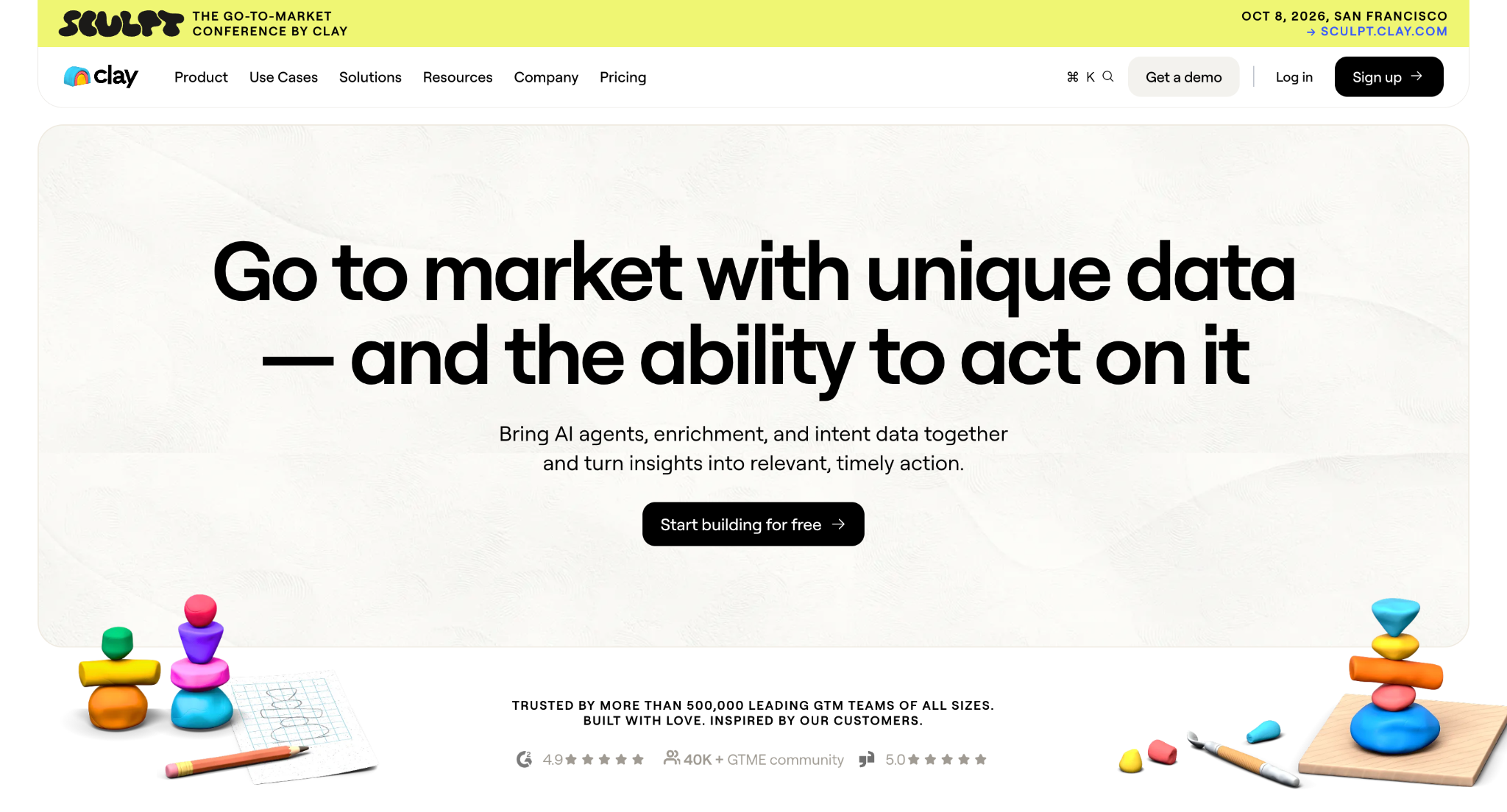
Clay is one of the most flexible data enrichment and workflow automation platforms in modern go-to-market operations.
Unlike traditional routing platforms, Clay focuses heavily on enrichment waterfalls, AI-powered workflows, outbound intelligence, and data orchestration across multiple providers and systems.
The platform allows teams to pull, clean, enrich, score, and automate data workflows using dozens of external data sources inside one interface. This makes it especially popular among growth teams, outbound teams, and RevOps organizations building custom enrichment workflows.
Clay is not primarily a lead routing platform like LeanData. Instead, it acts more like a programmable data layer for GTM operations.
Workflow flexibility can create operational complexity
Usage-based pricing can scale quickly with heavy enrichment
Best For
Growth teams
Outbound sales teams
RevOps teams
Data-heavy GTM operations
Companies building custom enrichment workflows
Why Teams Choose It
Teams typically choose Clay when enrichment flexibility matters more than rigid CRM routing logic.
It is especially useful for companies that want to automate outbound research, enrich buyer data dynamically, and build custom GTM workflows without depending entirely on Salesforce-native infrastructure.
3. Zapier: Best for Lightweight Workflow Automation
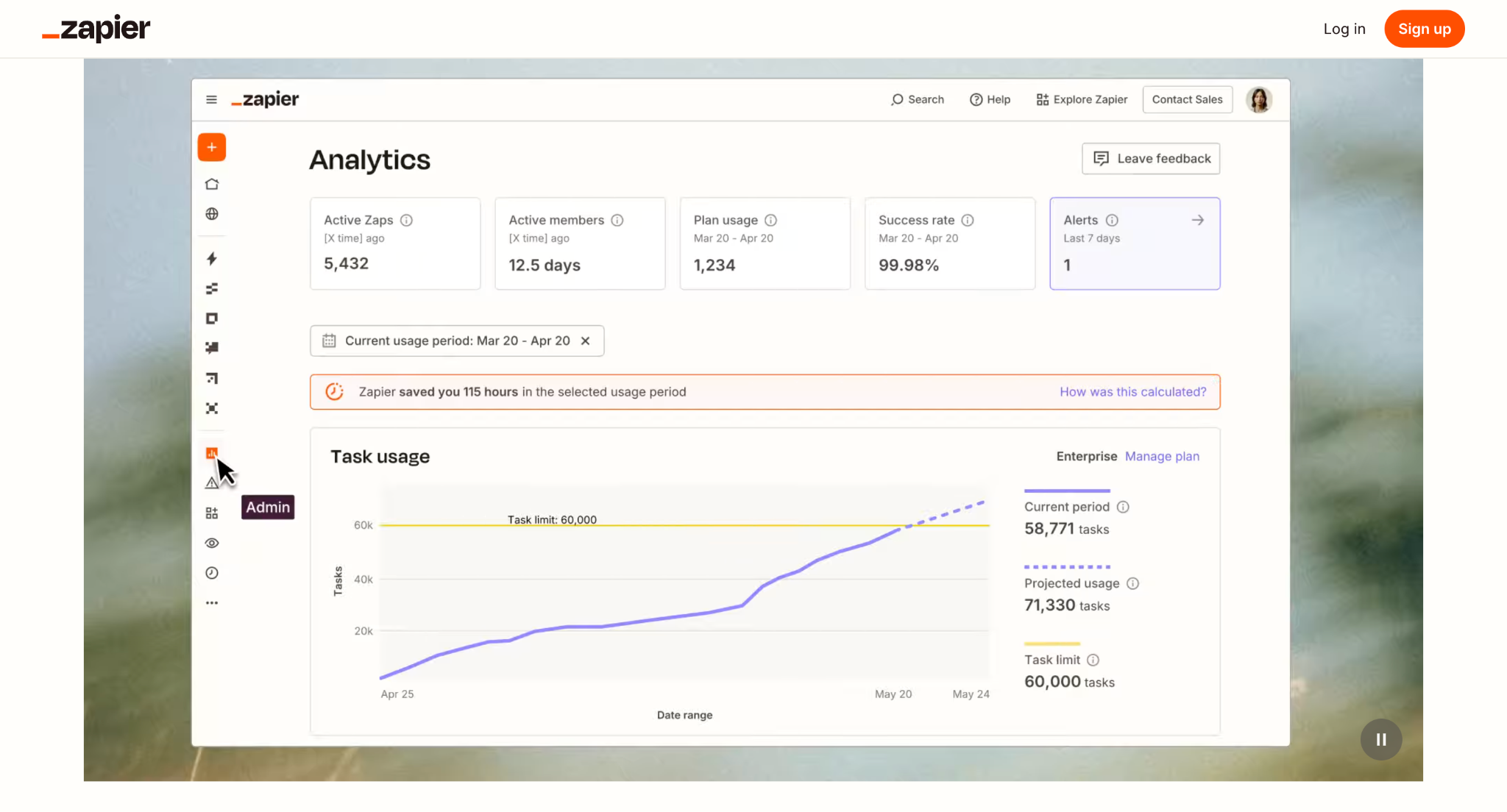
Zapier is one of the most widely used no-code workflow automation platforms on the market.
Instead of focusing specifically on lead routing or RevOps orchestration, Zapier helps teams connect applications, automate repetitive tasks, and build lightweight workflows across thousands of tools.
For startups and smaller GTM teams, Zapier can often replace manual operational work without requiring a dedicated RevOps stack.
The platform is especially useful for simple CRM syncing, notification workflows, lead distribution triggers, and cross-platform automation.
Key Features
No-code workflow builder
CRM syncing
Workflow triggers and automations
Webhooks and integrations
Multi-app automation
AI workflow tools
Forms and task automation
Pros
Extremely easy to implement
Massive integration ecosystem
Startup-friendly pricing
Reduces manual operational work
Good for lightweight automation use cases
Cons
Limited enterprise routing capabilities
Not designed for complex RevOps governance
Workflow debugging can become difficult at scale
Best For
Startups
SMBs
Small RevOps teams
Lightweight automation workflows
Cross-platform operational automation
4. ZoomInfo Operations: Best for Data Hygiene & Enterprise Enrichment
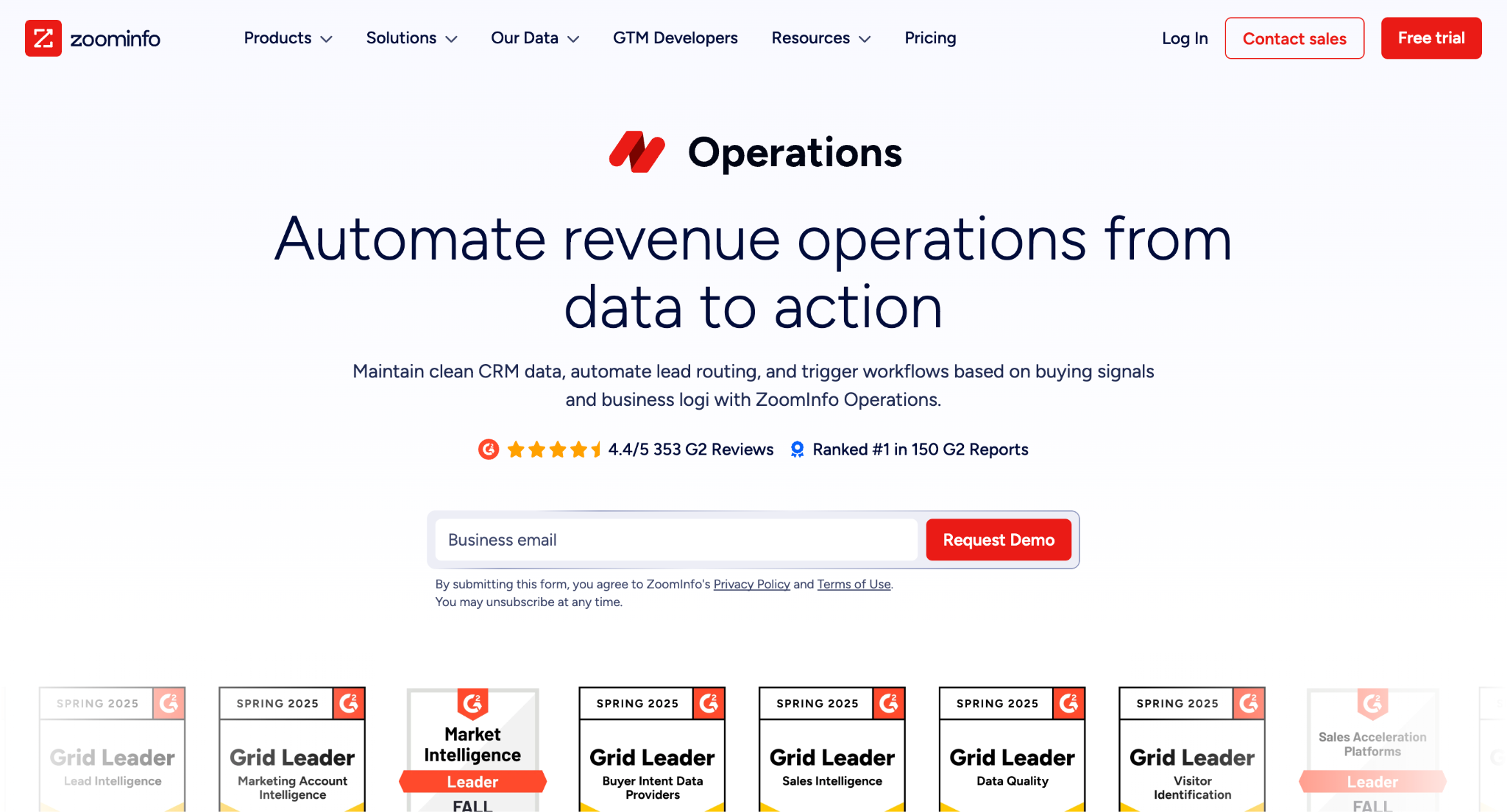
ZoomInfo Operations focuses heavily on enterprise data quality, enrichment, deduplication, and CRM cleansing.
Originally built through the RingLead acquisition, the platform is designed to standardize and enrich data as it moves through the CRM and GTM stack.
For large organizations handling massive volumes of leads and account data, data quality becomes a major operational challenge. ZoomInfo Operations helps solve that problem through automated cleansing, normalization, and enrichment workflows.
The platform also benefits from direct access to ZoomInfo’s broader B2B data ecosystem.
Key Features
CRM deduplication
Data standardization
Automated cleansing workflows
Native ZoomInfo enrichment
Record normalization
Data governance tools
Workflow automation
Pros
Strong enterprise-grade enrichment capabilities
Excellent CRM hygiene workflows
Deep integration with ZoomInfo ecosystem
Good for large-scale database management
Cons
Expensive enterprise ecosystem
Primarily focused on data operations rather than buyer engagement
Can become operationally heavy for smaller teams
Best For
Enterprise RevOps teams
Large CRM environments
Data-heavy organizations
Companies prioritizing enrichment and data quality
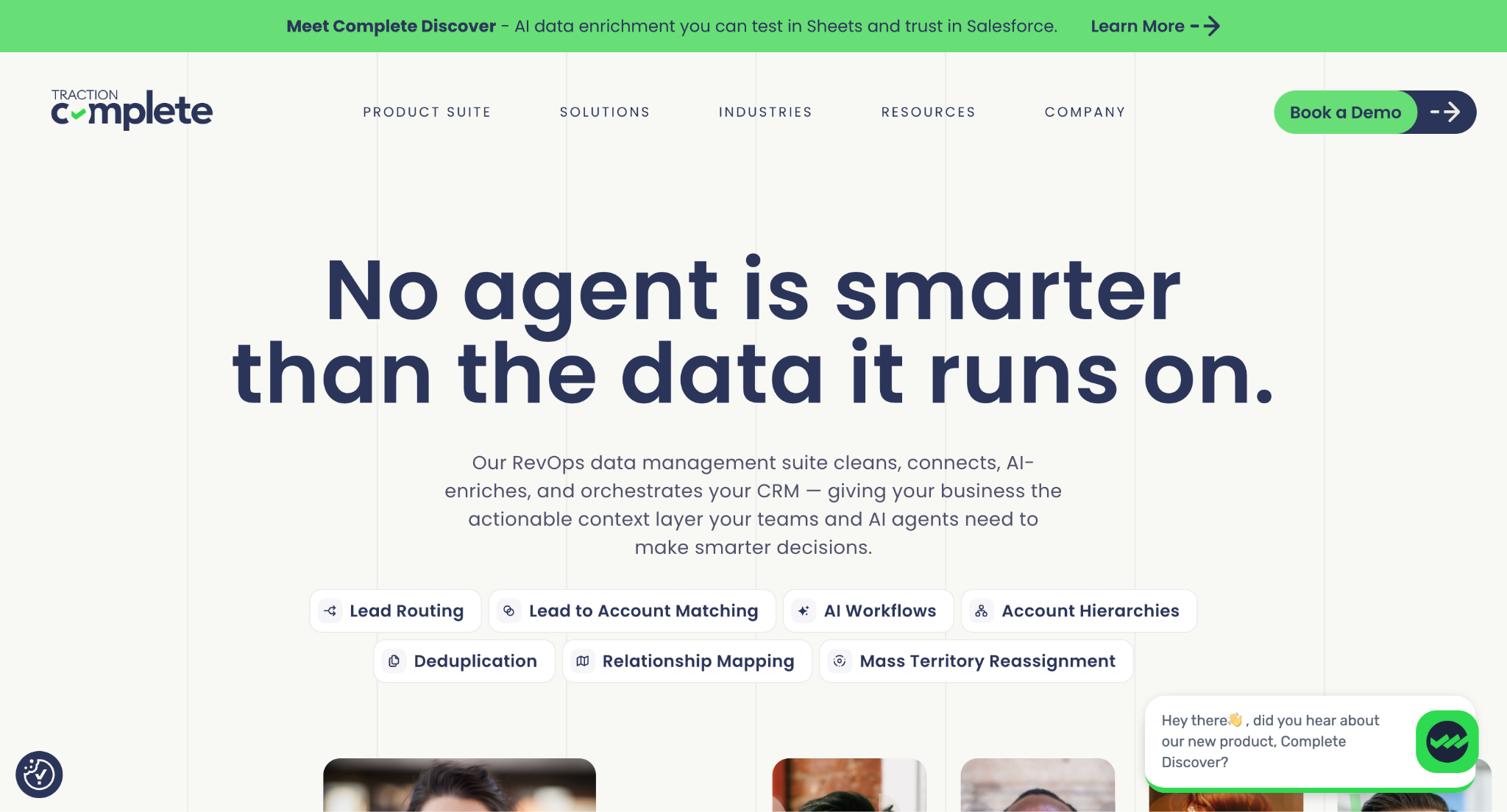
5. Traction Complete: Best Salesforce-Native Enterprise Routing Alternative
Traction Complete is one of the closest direct alternatives to LeanData inside the Salesforce ecosystem.
The platform focuses heavily on territory management, account hierarchy mapping, lead routing, and enterprise routing governance for large RevOps organizations.
Its biggest advantage is deep Salesforce-native orchestration. Teams that already operate heavily inside Salesforce often choose Traction Complete because it extends CRM workflows without requiring external routing infrastructure.
The platform is especially strong for organizations managing complex account hierarchies and territory structures.
Key Features
Salesforce-native routing
Territory management
Account hierarchy mapping
Lead-to-account matching
Automated assignment workflows
RevOps governance controls
Workflow orchestration
Pros
Strong Salesforce-native architecture
Excellent territory management capabilities
Good enterprise governance workflows
Strong account hierarchy support
Cons
Salesforce-dependent
Enterprise-oriented operational complexity
Less focused on conversational engagement and buyer conversion
Best For
Enterprise Salesforce organizations
Mature RevOps teams
Territory-heavy sales organizations
Companies needing enterprise routing governance
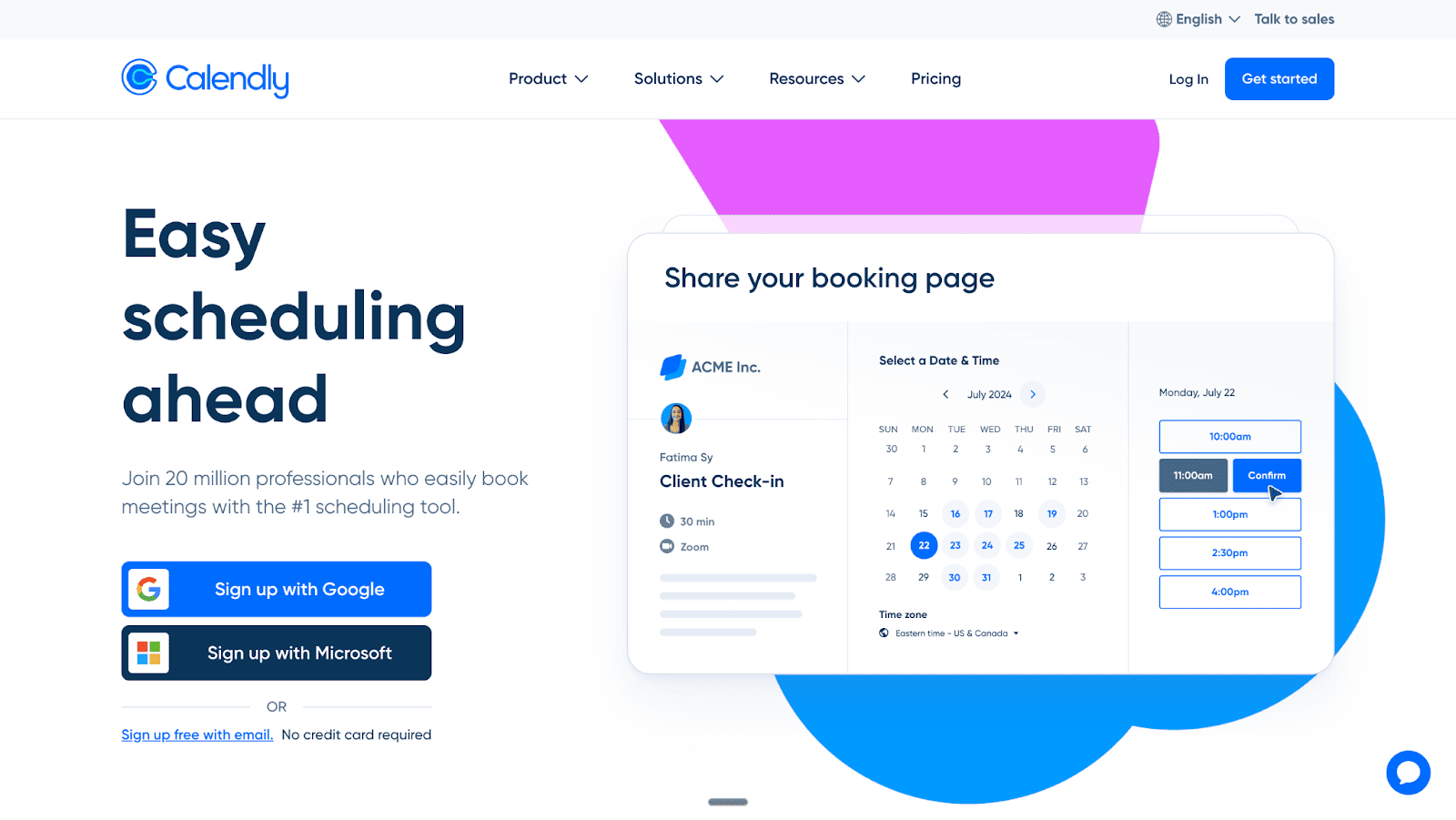
6. Calendly: Best for Simple Scheduling
Calendly is one of the simplest and most widely adopted scheduling platforms available today.
The platform focuses on removing friction from meeting booking through shareable scheduling links, calendar syncing, and automated availability management.
Unlike LeanData, Calendly is not designed for complex routing or RevOps orchestration. Its strength is simplicity.
For smaller teams and individual sales reps, Calendly often provides everything needed for basic scheduling workflows without operational complexity.
Key Features
Automated meeting booking
Calendar syncing
Shareable booking links
Team scheduling
Round robin scheduling
Workflow reminders
CRM integrations
Pros
Extremely easy setup
Familiar user experience
Low operational overhead
Strong scheduling reliability
Cons
Not a routing platform
Limited RevOps functionality
Less suitable for enterprise workflow orchestration
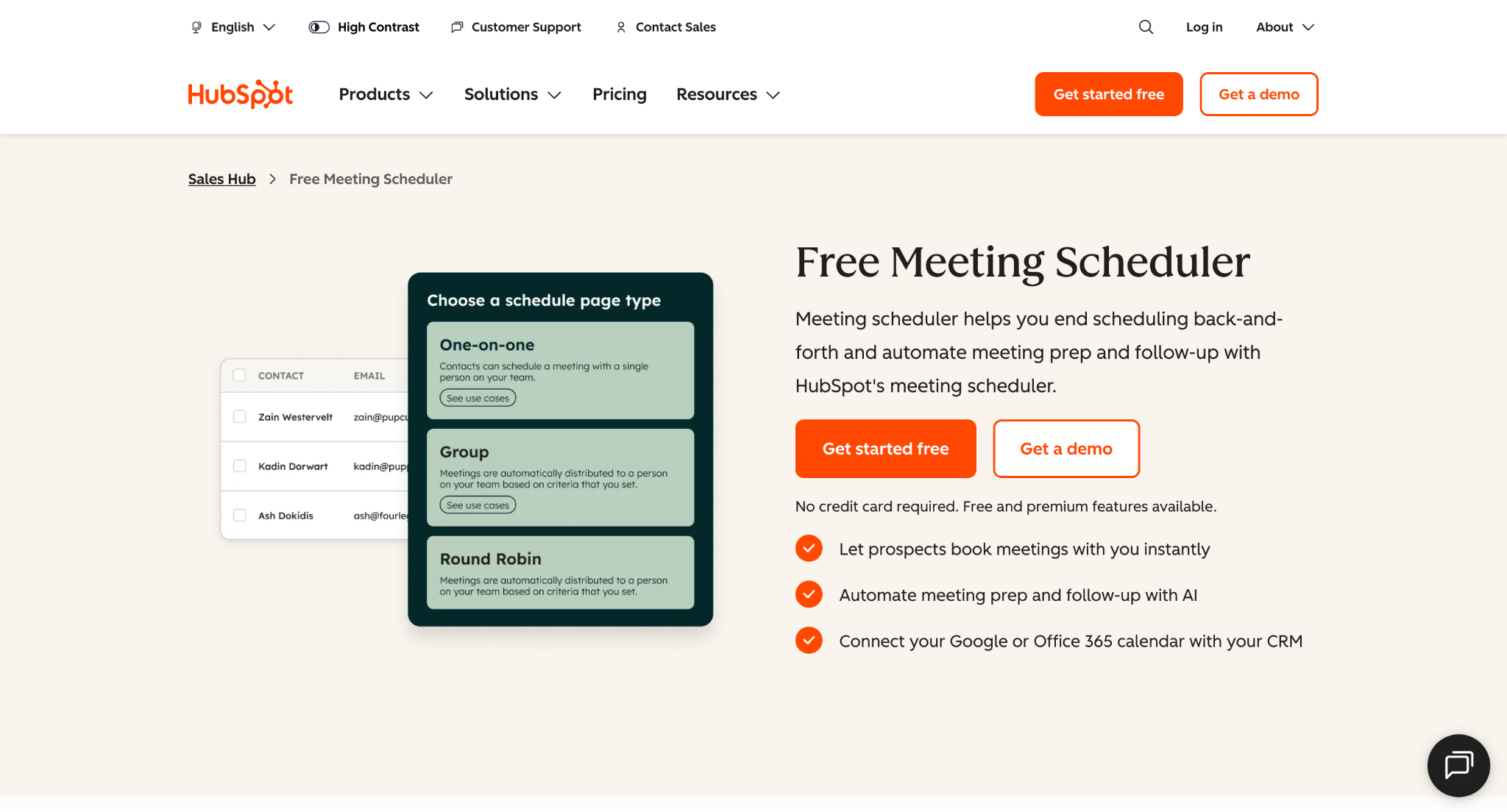
7. HubSpot Meetings: Best for HubSpot-Centric Teams
HubSpot Meetings is designed for companies already operating inside the HubSpot ecosystem.
The platform provides native scheduling, meeting coordination, and CRM-connected workflows without requiring additional routing or scheduling infrastructure.
For SMB and mid-market teams using HubSpot as their primary CRM, this creates a much simpler operational setup compared to implementing a separate enterprise routing platform.
Key Features
Native HubSpot scheduling
CRM-integrated workflows
Meeting coordination
Calendar syncing
Automated reminders
Lead assignment integrations
Pros
Simple setup inside HubSpot
Unified CRM workflows
Reduced tooling complexity
Easy operational management
Cons
Limited enterprise routing capabilities
Less advanced territory management
Best suited for HubSpot-centric teams
Best For
HubSpot users
SMBs
Mid-market companies
Teams prioritizing operational simplicity
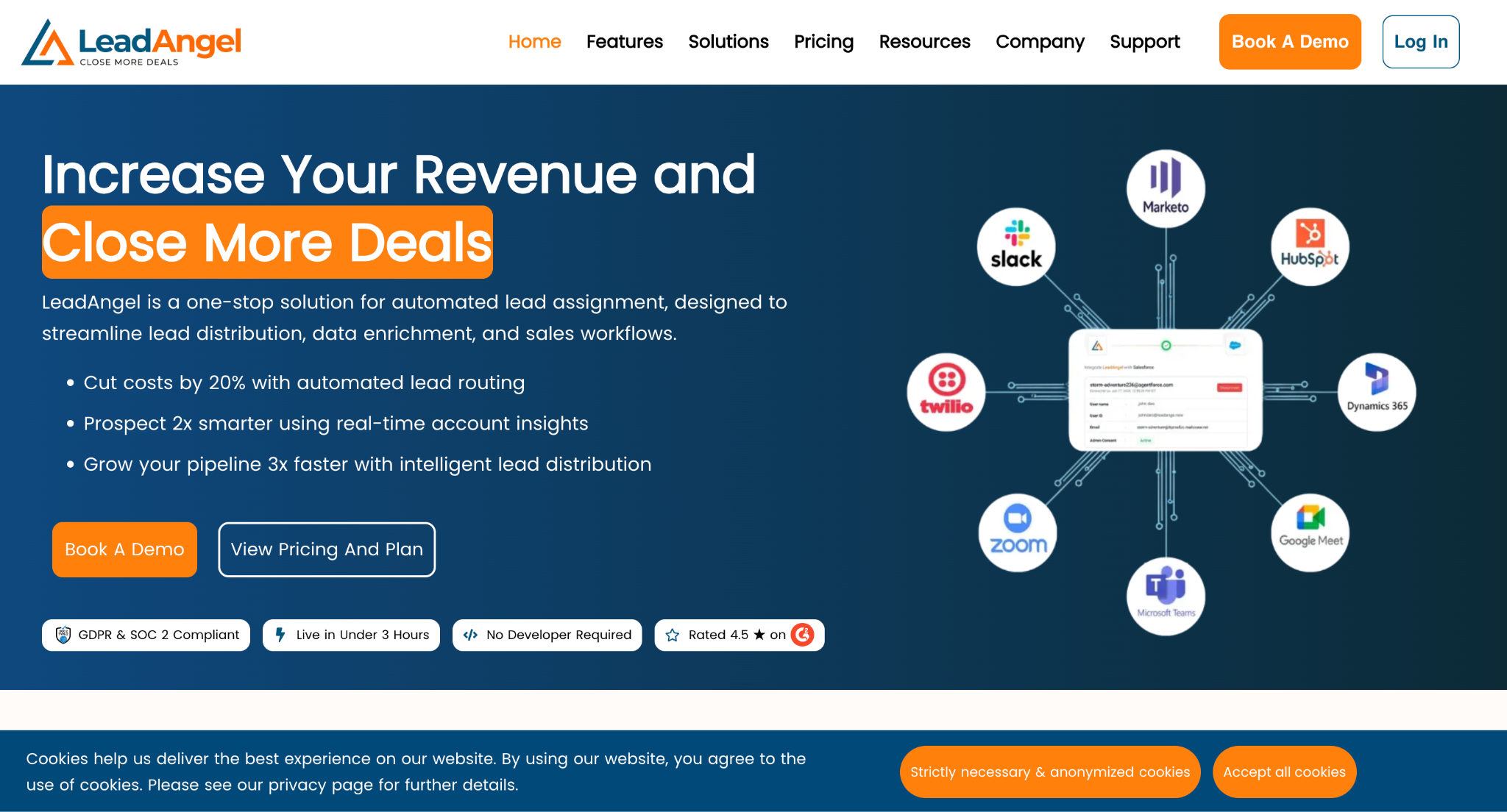
8. LeadAngel: Best for Complex Territory Routing
LeadAngel specializes in lead routing, territory management, lead-to-account matching, and queue distribution inside Salesforce environments.
The platform is particularly strong for organizations managing complex routing rules and large-scale territory structures.
Its fuzzy matching capabilities help teams reduce duplicate records and improve routing accuracy across messy CRM datasets.
Key Features
Lead-to-account matching
Territory routing
Queue management
Fuzzy matching
Automated lead assignment
Scheduling workflows
Data deduplication
Pros
Strong routing flexibility
Advanced territory management
Good lead matching capabilities
Useful for operationally complex organizations
Cons
Operational learning curve
Requires ongoing routing maintenance
Less focused on buyer engagement workflows
Best For
Mid-market and enterprise companies
Salesforce-heavy environments
Complex territory routing organizations
RevOps teams managing large lead volumes
9. Chili Piper: Best for Inbound Form Routing & Live Scheduling
Chili Piper focuses heavily on inbound conversion, speed-to-lead optimization, and instant meeting scheduling.
The platform is designed to reduce delays between form submissions and sales engagement by automatically routing leads and allowing buyers to book meetings immediately.
Compared to LeanData, Chili Piper is more front-end conversion focused rather than deeply centered on backend routing governance.
10. Qualified: Best for Real-Time Website Conversations
Qualified is built around real-time website engagement and AI SDR workflows.
The platform enables companies to identify visitors, trigger live conversations, qualify inbound traffic, and automate engagement directly on the website experience.
Its AI SDR positioning makes it popular among enterprise teams focused on conversational inbound sales workflows.
LeanData and Knock AI solve very different parts of the go-to-market workflow.
LeanData is primarily built for CRM governance, lead routing, account matching, and territory orchestration inside Salesforce environments.
Knock AI focuses more heavily on buyer conversion, real-time qualification, conversational engagement, and capturing intent before friction causes pipeline loss.
For many modern GTM teams, the decision is less about “which routing tool is better” and more about whether the company wants to optimize:
CRM operations or
buyer conversion workflows.
LeanData Focuses on CRM Governance
LeanData is strongest when companies need:
complex routing logic
territory assignment
account matching
Salesforce orchestration
operational governance
structured lead distribution
It is designed primarily for organizations managing large-scale CRM workflows across sales, marketing, and RevOps teams.
Knock AI Focuses on Buyer Conversion
Knock AI is designed around capturing and converting buyer intent earlier in the journey.
Instead of relying heavily on forms and post-submission workflows, the platform focuses on:
person-level identity resolution
conversational qualification
real-time engagement
multi-channel persistence
AI-assisted buyer orchestration
The goal is to reduce friction between buyer intent and pipeline creation.
Key Architectural Differences
Category
LeanData
Knock AI
Primary focus
CRM governance & routing
Buyer conversion & engagement
Trigger point
After form submission
Before or during buyer intent
Core workflow
Routing records
Engaging buyers
Buyer experience
Form-first
Conversational & low-friction
Identity model
Account & CRM-based
Person-level identity
Communication layer
CRM workflows
Multi-channel engagement
Scheduling
Add-on workflows
Embedded into engagement flow
Operational complexity
Higher
Lower operational overhead
Best for
Enterprise RevOps governance
Modern inbound conversion
Pipeline impact
Improves routing efficiency
Improves conversion efficiency
Modern GTM Teams Need More Than Routing
Lead routing still matters. But modern pipeline generation is increasingly about identifying, engaging, and converting buyer intent before friction slows down the journey.
For teams evaluating LeanData alternatives in 2026, the decision is no longer just about assignment logic or CRM governance. It is about how efficiently your GTM motion converts inbound intent into qualified pipeline.
Knock AI helps teams combine buyer identification, conversational qualification, scheduling, routing, and multi-channel engagement into one connected workflow.
Instead of only routing leads after a form submission, teams can engage and convert buyer intent earlier in the journey, before pipeline opportunities disappear.


.svg)


.svg)
.svg)
.svg)


.svg)
.svg)


.svg)