.svg)


.svg)
.svg)
.svg)


.svg)
.svg)

TL;DR
Choosing the best inbound lead conversion tool depends on where prospects drop off in your buying journey. Some platforms specialize in conversations, others in routing or marketing automation, while a few are designed to optimize the entire journey from the first website visit to qualified pipeline.
Best inbound lead conversion tools at a glance:
- Knock AI: Best overall for end-to-end inbound lead conversion
- Qualified: Best for Salesforce-powered AI conversations
- HubSpot: Best all-in-one CRM and marketing automation
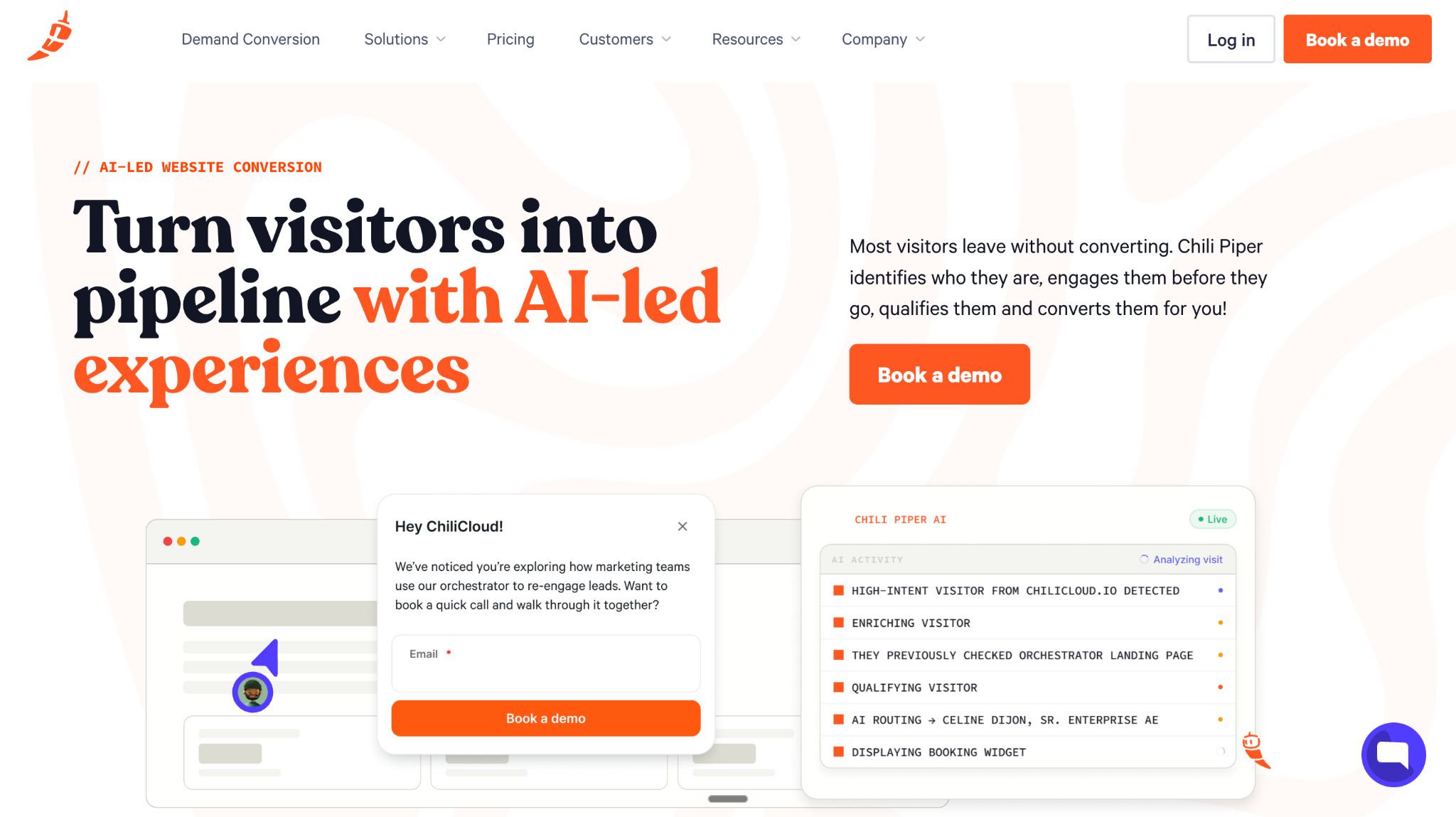
- Chili Piper: Best for inbound routing and scheduling
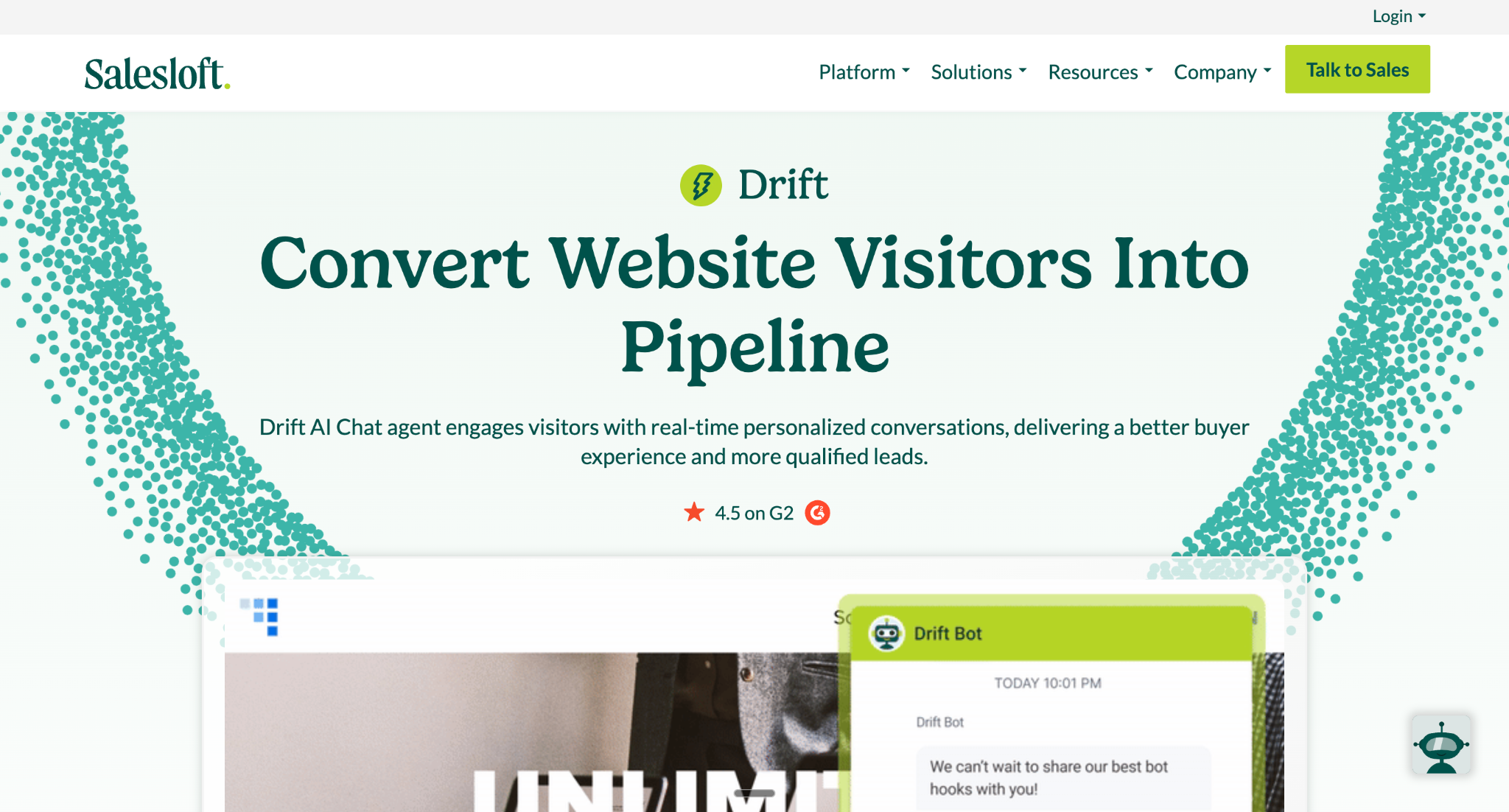
- Drift: Best for conversational marketing
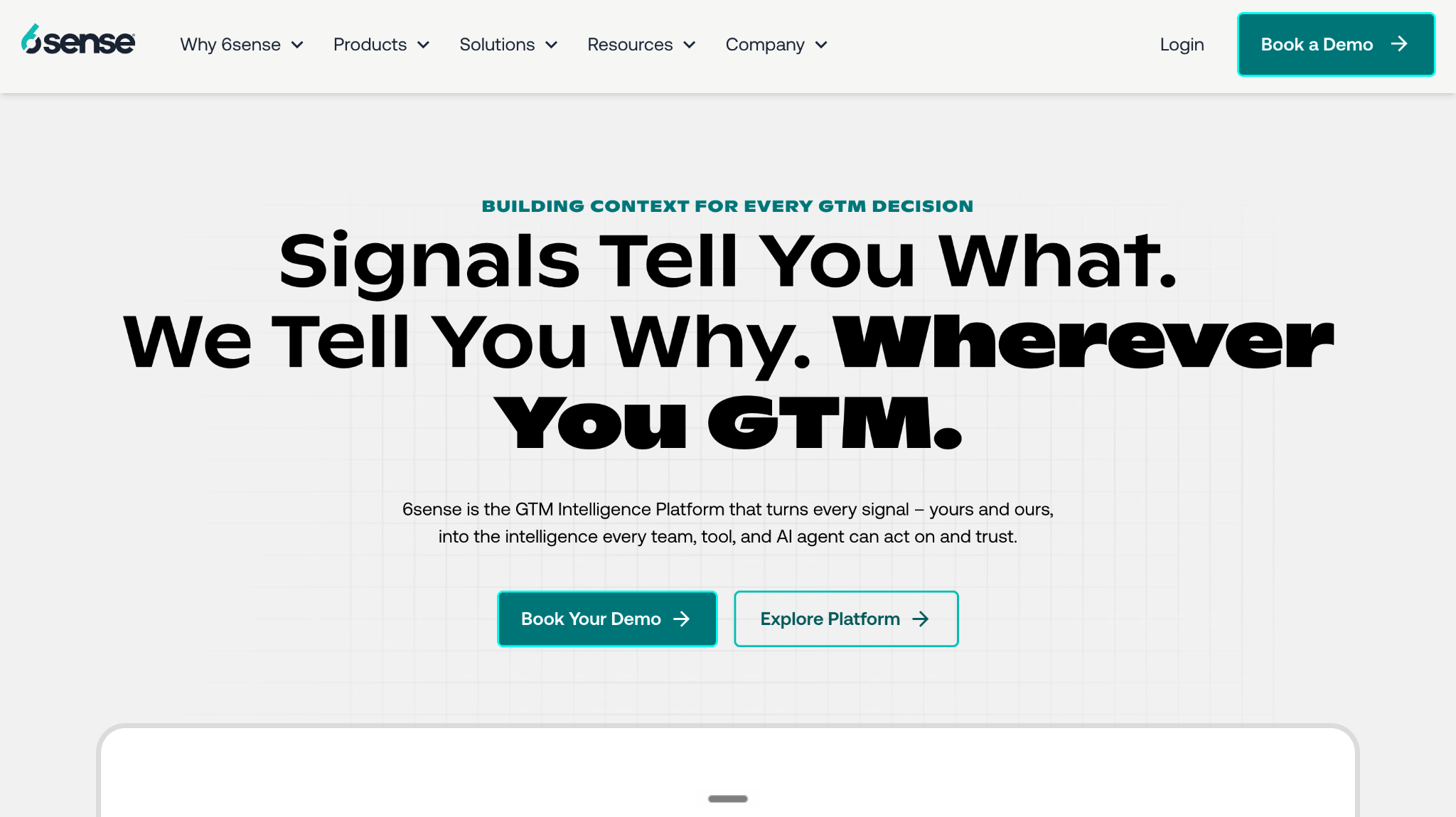
- 6sense: Best for enterprise intent and account-based marketing (ABM)
For most cybersecurity and security software companies, generating traffic isn't the biggest challenge. The harder problem is converting anonymous technical buyers into qualified opportunities. Security buyers often research documentation, integrations, architecture, and compliance before they're ready to speak with sales. As a result, the most effective platforms do more than collect demo requests. They help identify visitors, answer technical questions, qualify intent, route buyers to the right team, enrich CRM records, and maintain buying momentum throughout a long evaluation process. The right choice depends on your sales motion, target market, existing technology stack, and whether you need point solutions or a platform that supports the entire inbound conversion journey.
Cybersecurity companies rarely struggle to attract interest. They invest in content, SEO, webinars, analyst reports, paid campaigns, and industry events that bring security professionals to their websites. The real challenge begins after someone arrives. Converting anonymous technical buyers into qualified sales conversations is often far more difficult than generating the traffic itself.
Unlike many B2B purchases, cybersecurity buying journeys are driven by technical evaluation long before a buyer is ready to book a demo. Security engineers, architects, DevSecOps teams, IT administrators, and CISOs typically spend time reviewing product documentation, architecture diagrams, compliance certifications, integrations, APIs, deployment models, and use cases before engaging with a vendor. Many of these visitors remain anonymous throughout much of their research, making it difficult for revenue teams to understand who is evaluating the product and what information they need.
The buying process is also rarely driven by a single decision-maker. Enterprise security purchases often involve multiple stakeholders, including technical teams, security leadership, procurement, legal, and finance. Each group has different questions and priorities, which means a generic "Book a Demo" form or scheduling link is rarely enough to move the buying process forward.
Successful inbound conversion in cybersecurity is built on trust and technical validation. Buyers want accurate answers, relevant resources, and confidence that a solution fits their environment before committing to a conversation with sales. That requires more than capturing a form submission or sharing a calendar link. Modern inbound lead conversion combines visitor identification, AI-powered conversations, technical qualification, intelligent routing, CRM enrichment, meeting scheduling, and continuous engagement to help buyers make progress at every stage of their evaluation.
What Is Inbound Lead Conversion?
Inbound lead conversion is the process of turning website visitors into qualified sales opportunities. It goes beyond capturing a form submission or booking a meeting. The goal is to help buyers move from anonymous research to meaningful conversations by reducing friction, answering questions, identifying intent, and connecting them with the right people at the right time.
For cybersecurity companies, inbound lead conversion is especially important because many buyers spend weeks or even months evaluating solutions before contacting sales. During that time, they often research anonymously, compare vendors, review technical documentation, and involve multiple stakeholders. A visitor who downloads a whitepaper or reads your documentation isn't necessarily ready for a demo, but they may still represent a high-value buying opportunity.
This is where many organizations confuse lead generation with lead conversion. Lead generation focuses on attracting visitors through channels like SEO, paid advertising, webinars, and content marketing. Lead conversion begins once those visitors arrive. It focuses on understanding who they are, what they're looking for, and how to help them progress through the buying journey.
A modern inbound lead conversion platform supports that journey by identifying visitors, engaging them with relevant conversations, qualifying technical and commercial intent, routing them to the right sales or technical team, enriching CRM records, and preserving context throughout the evaluation process. Rather than optimizing for more form submissions or MQLs, the objective is to create a more qualified pipeline and better sales conversations.
Lead Generation vs. Lead Conversion
Key takeaway: Lead generation fills the top of the funnel. Inbound lead conversion determines how efficiently anonymous visitors become qualified pipeline. For cybersecurity companies with long, technical buying cycles, optimizing both is essential.
Why Cybersecurity Buyers Convert Differently Than Other SaaS Buyers
Cybersecurity buying journeys are rarely linear. Unlike many SaaS products where a single decision-maker can evaluate, book a demo, and purchase within a few weeks, security software purchases typically involve technical validation, risk assessment, and multiple stakeholders before sales conversations begin.
Most cybersecurity buyers are highly technical. Security engineers, architects, DevSecOps teams, IT administrators, and CISOs often conduct extensive research before speaking with a vendor. They review documentation, deployment models, APIs, compliance certifications, integrations, and architecture to determine whether a solution fits their environment.
The evaluation process also extends beyond technical teams. Procurement, legal, compliance, and executive stakeholders frequently participate before a purchase is approved. As a result, enterprise cybersecurity deals often involve longer buying cycles, higher contract values, and multiple rounds of validation.
This means trust is built long before a demo is scheduled. Buyers want evidence that a product meets their technical, operational, and compliance requirements before investing time in a sales conversation.
A typical cybersecurity buying journey often includes:
- Independent product research
- Documentation and API reviews
- Architecture validation
- Compliance and security assessments
- Internal stakeholder discussions
- Technical qualification
- Product demonstrations
- Proof of Concept (POC)
- Security questionnaires and vendor reviews
- Procurement and commercial approval
Because buyers invest significant time evaluating vendors before contacting sales, inbound conversion is less about collecting demo requests and more about helping technical buyers progress through each stage of their evaluation.
Why Most Cybersecurity Website Visitors Never Become Qualified Leads
Many cybersecurity companies invest heavily in SEO, content marketing, webinars, analyst reports, and paid campaigns to attract qualified visitors. Yet only a small percentage of those visitors become sales opportunities. The problem is often not traffic quality but what happens after someone lands on the website.
One of the biggest challenges is anonymous research. Security professionals frequently explore products without identifying themselves, making it difficult to understand which companies are evaluating your solution or where they are in the buying process.
Traditional demo forms also introduce unnecessary friction. Many visitors are still validating technical fit and are not ready to exchange their contact information for a sales conversation. When documentation, pricing, architecture, or integration questions remain unanswered, they often leave to continue researching elsewhere.
Several other factors contribute to poor inbound conversion:
- Generic "Book a Demo" experiences that treat every visitor the same.
- Technical questions that require a sales engineer but are routed to a general SDR.
- Slow follow-up that allows buying momentum to fade.
- Limited visibility into anonymous or returning visitors.
- CRM records that lack technical context and previous interactions.
- Incomplete attribution that makes it difficult to understand which marketing efforts generate qualified pipeline.
Improving inbound conversion requires removing these points of friction rather than simply driving more traffic to the same experience.
What Actually Converts Cybersecurity Buyers?
Successful inbound conversion starts by helping buyers make progress, not by asking them to schedule a meeting immediately. Every interaction should reduce uncertainty and move the evaluation forward.
For cybersecurity companies, that typically means answering technical questions as early as possible. Buyers evaluating deployment models, integrations, compliance requirements, or security architecture need accurate information before they're ready to engage with sales.
The next step is understanding who the buyer is and why they're visiting. Identifying companies, recognizing returning visitors, and detecting buying intent helps revenue teams distinguish casual research from active evaluations.
Once intent is established, conversations can become more relevant. AI-powered qualification can collect technical and business context, while intelligent routing ensures buyers are connected with the right resource, whether that's an account executive, sales engineer, or solutions architect. CRM enrichment preserves that context so buyers don't have to repeat the same information throughout the sales process.
Modern inbound conversion also extends beyond the meeting itself. Enterprise cybersecurity evaluations often continue for weeks or months after the first conversation, involving additional stakeholders, product evaluations, proof-of-concepts, procurement reviews, and security assessments. Maintaining engagement throughout this process helps preserve buying momentum and creates a clearer path from website visitor to qualified pipeline.
In practice, effective inbound lead conversion combines several capabilities working together:
- Immediate answers to technical questions
- Visitor identification and buyer recognition
- AI-powered qualification
- Intent detection
- Intelligent routing to the right sales or technical team
- CRM enrichment and context preservation
- Frictionless meeting scheduling
- Continued engagement throughout the buying committee's evaluation
- Post-meeting follow-up and buyer re-engagement
- Clear attribution from first visit to qualified pipeline
Rather than optimizing for more demo requests, the objective is to help technical buyers move confidently through a complex purchasing process while giving revenue teams the context they need to engage at the right time.
The Cybersecurity Inbound Conversion Stack
One reason it's difficult to compare inbound lead conversion tools is that many platforms solve completely different problems. A CRM, an intent platform, a visitor intelligence tool, and a meeting scheduler all contribute to the buying journey, but they aren't interchangeable.
This is why comparisons often become confusing. A platform may excel at identifying buying intent, while another focuses on routing qualified leads or engaging visitors through AI conversations. Looking at them as direct competitors can make it difficult to choose the right solution.
Instead of asking, "Which tool is best?", start by asking "Which part of the buyer journey does this tool improve?"
The table below groups the major categories used by modern cybersecurity revenue teams.
Understanding these categories makes it much easier to evaluate solutions. For example, an intent platform can identify accounts that may be researching your product, but it doesn't necessarily engage buyers on your website. Likewise, a scheduling platform removes booking friction, but it doesn't identify anonymous visitors or answer technical questions before a meeting is requested.
For many cybersecurity companies, the most effective inbound strategy combines multiple capabilities. The goal isn't to add more tools. It's to ensure buyers receive the right information, engage with the right people, and move through the evaluation process with as little friction as possible.
What Features Matter Most in a Cybersecurity Lead Conversion Platform?
Cybersecurity buying journeys are longer, more technical, and involve more stakeholders than most SaaS purchases. As a result, evaluating platforms based only on chat, scheduling, or CRM integrations doesn't provide the full picture. A stronger approach is to compare the capabilities that directly influence buyer progression, qualification quality, and pipeline creation.
The table below highlights the capabilities that have the greatest impact on inbound lead conversion for cybersecurity and security software companies.
Rather than evaluating platforms by the number of features they advertise, focus on whether they help buyers move from anonymous research to qualified pipeline. For cybersecurity companies, the strongest solutions reduce friction, preserve technical context, and support buyers throughout a complex evaluation process instead of optimizing only for form submissions or meeting bookings.

.svg)