star iconstar iconstar icon
icon starDecorative blue sparkle icon
Get Started

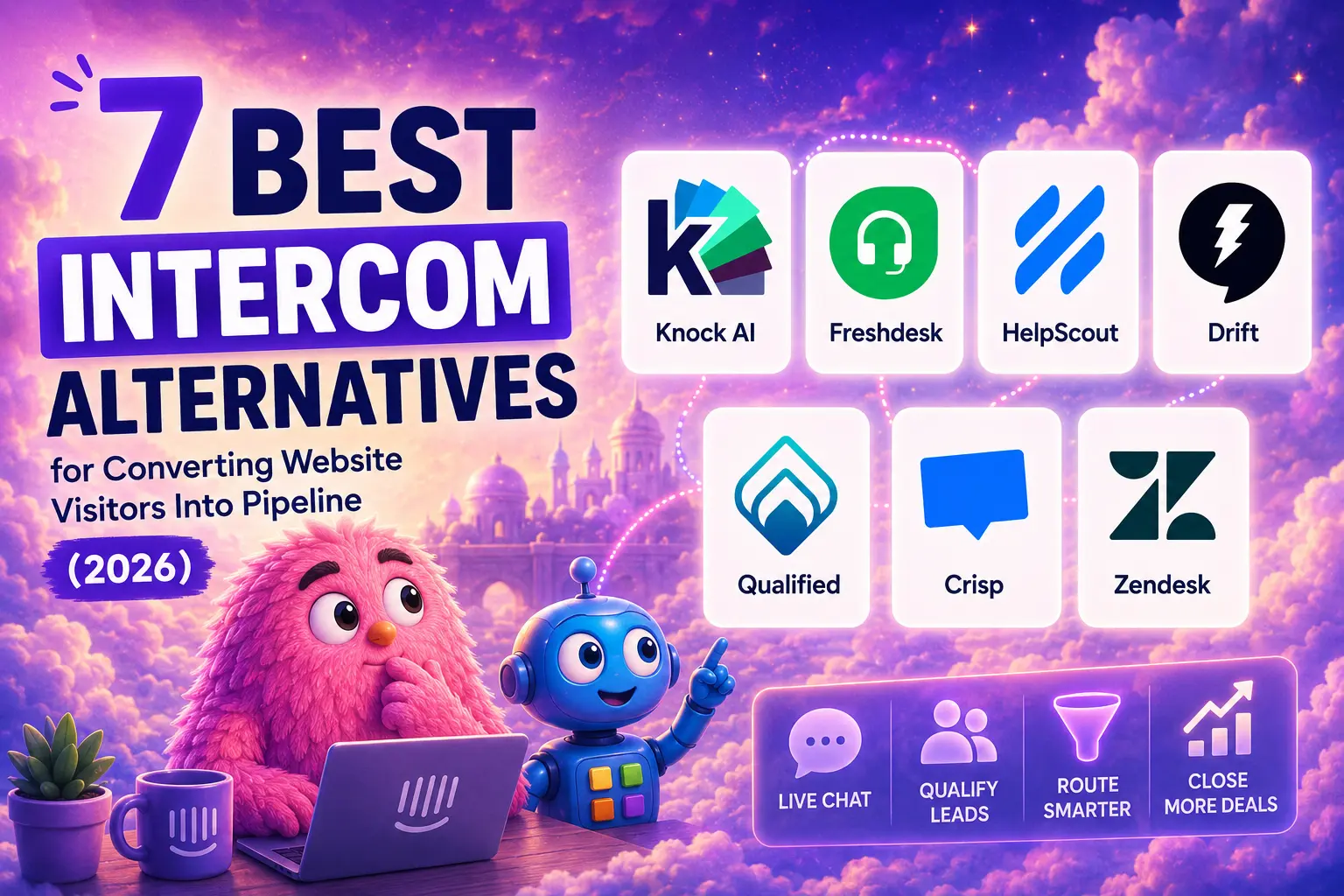
7 Best Intercom Alternatives for Converting Website Visitors Into Pipeline (2026)

Most companies don't start looking for an Intercom alternative because live chat stopped working. They start looking because conversations aren't turning into qualified pipeline.

A visitor asks a question, explores your pricing page, chats with AI, books a meeting, or requests a demo. But somewhere between that first interaction and the sales conversation, momentum is lost. Anonymous visitors remain unidentified, buyer intent is difficult to measure, qualification is inconsistent, opportunities are routed without enough context, follow-ups are delayed, and promising buyers quietly disappear.

At the same time, Intercom has evolved significantly. The company has repositioned itself around Fin, an AI-first customer service platform, and recently announced a definitive agreement to be acquired by Salesforce for approximately $3.6 billion. That evolution reflects a broader shift toward AI-powered customer support, customer operations, and service automation.

For customer support teams, that's a natural direction. For revenue teams, however, the challenge is different. Resolving customer issues is only one part of the journey. Converting buying intent into qualified pipeline requires buyer identification, intelligent qualification, CRM enrichment, accurate routing, timely follow-up, multi-channel buyer engagement, and maintaining buying momentum long after the initial conversation ends.

That's why today's Intercom alternatives solve very different problems. Some focus on customer support. Others improve conversational experiences. And a new generation of platforms helps revenue teams identify buyers, activate demand, preserve buying momentum, and convert website visitors into qualified pipeline.

In this guide, we'll compare the best Intercom alternatives based on customer support capabilities, conversational engagement, buyer qualification, buyer activation, and their ability to turn website conversations into measurable revenue outcomes.

TL;DR: Best Intercom Alternatives

Best for Buyer Activation & Pipeline Generation

Knock AI

The best choice for revenue teams that want to identify anonymous buyers, qualify intent, route opportunities intelligently, preserve buying momentum, automate follow-ups, and convert website visitors into qualified pipeline.

Best for Enterprise Customer Support

Zendesk

A comprehensive customer support platform with advanced ticketing, AI agents, and enterprise service management capabilities.

Best for Omnichannel Customer Service

Freshdesk

Ideal for businesses that need email, chat, phone, social media, and self-service support from a unified workspace.

Best for Customer-Centric Support

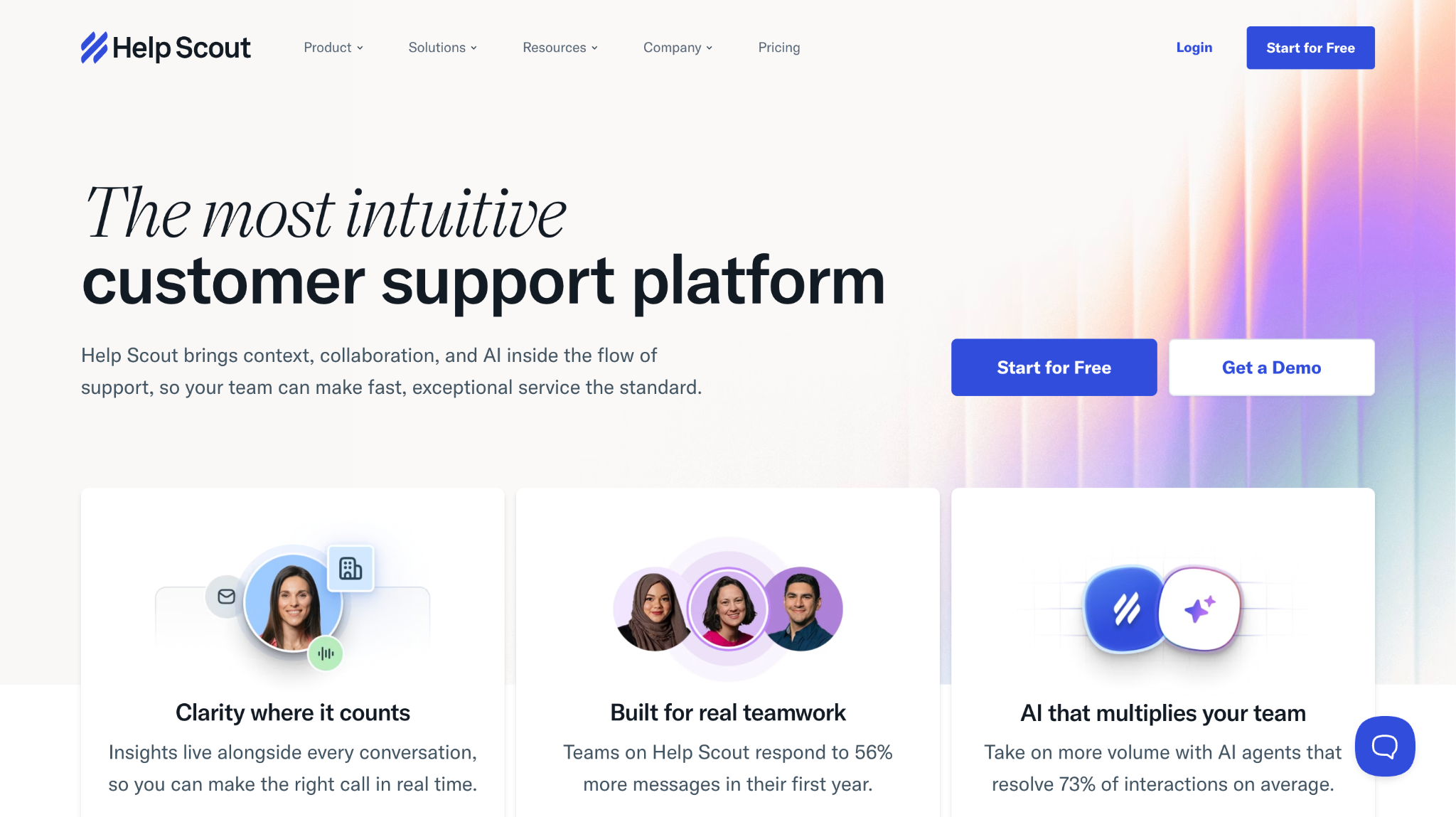
Help Scout

Designed for teams that prioritize personalized customer support, shared inboxes, and knowledge management.

Best for Conversational Marketing

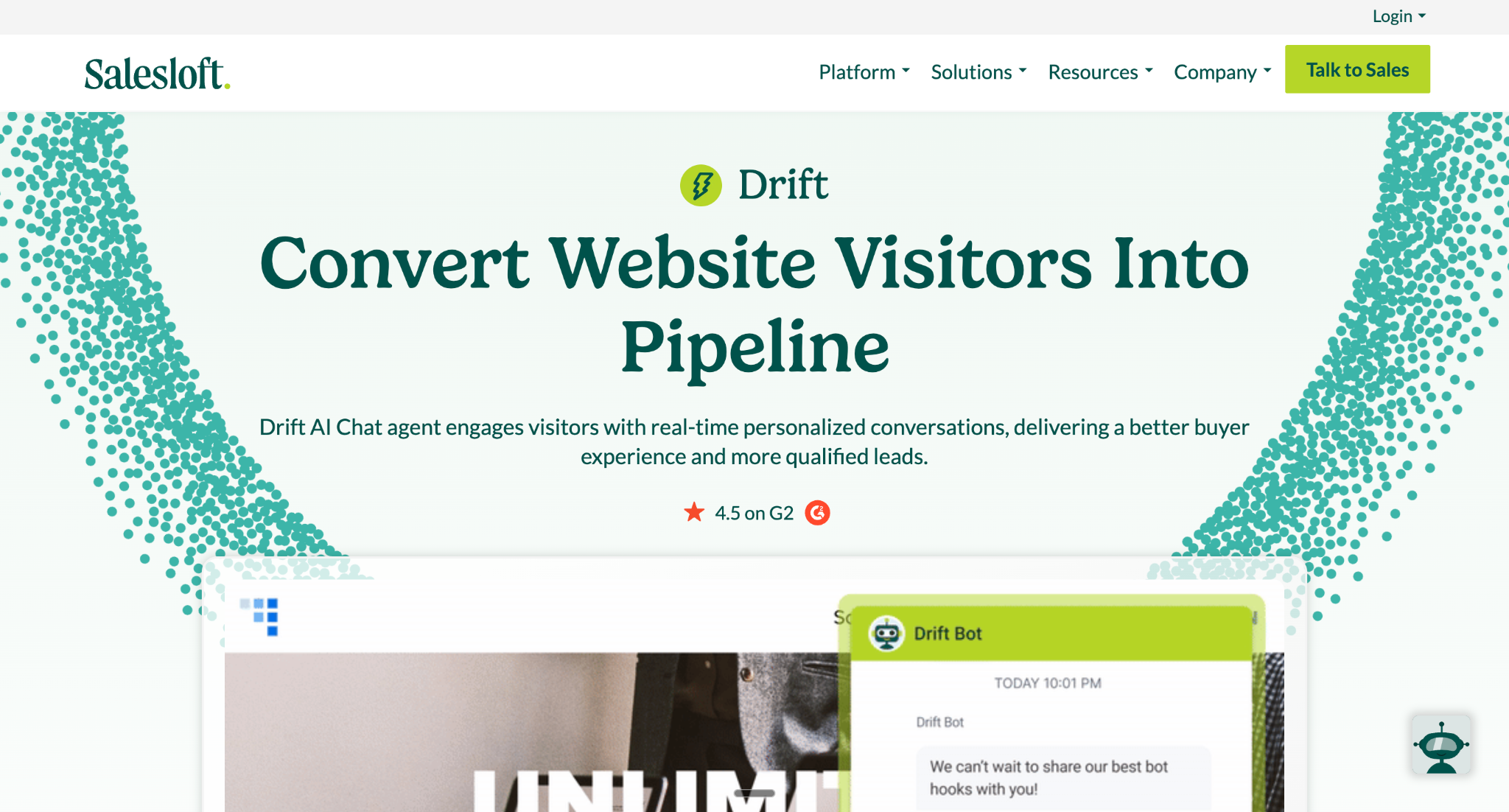
Drift

Built for businesses that want to engage website visitors through live chat, conversational experiences, and meeting scheduling.

Best for Salesforce Organizations

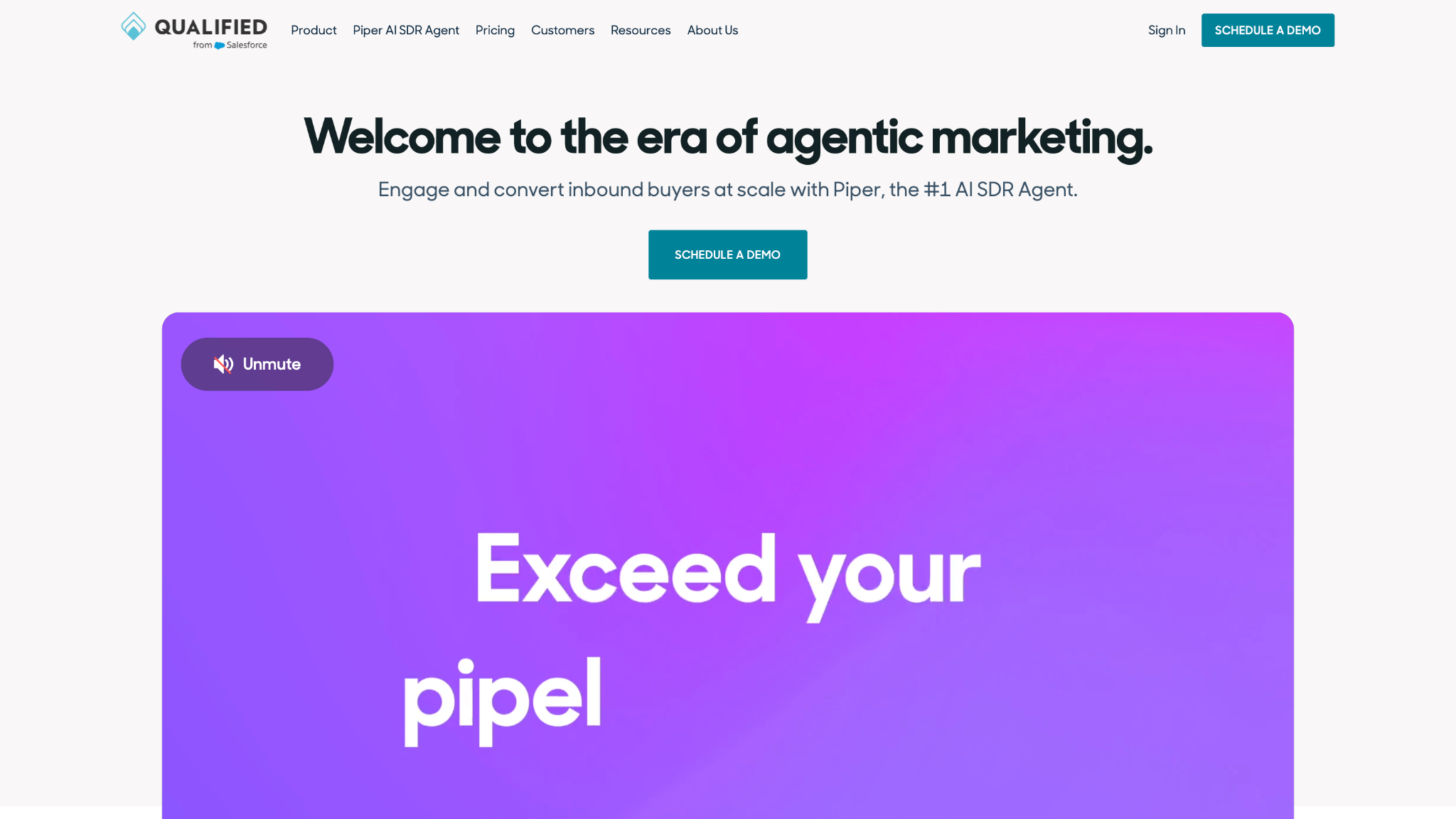
Qualified

A strong option for B2B companies already invested in Salesforce that want to engage high-intent website visitors.

Best Budget-Friendly Alternative

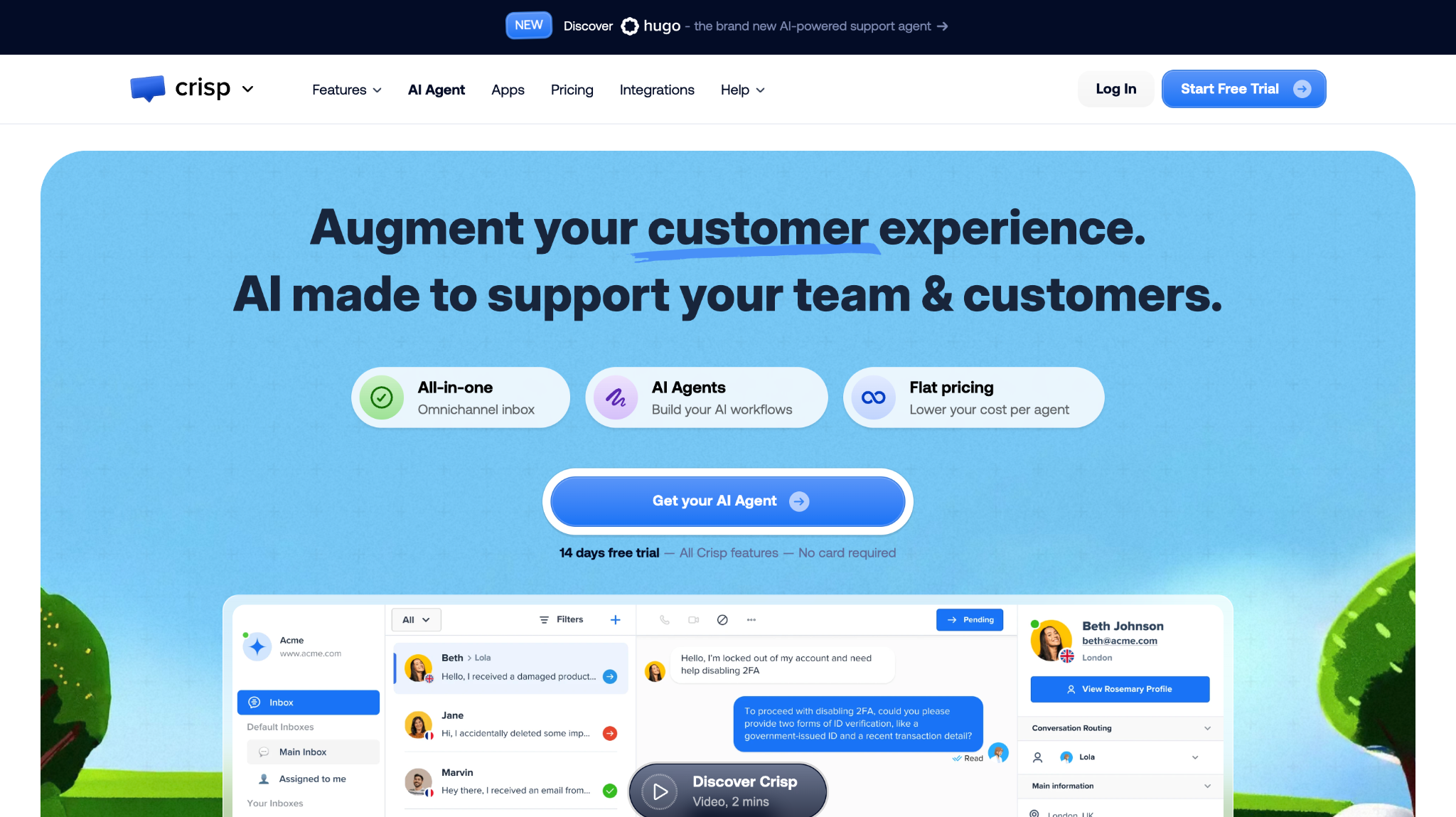
Crisp

An affordable live chat and customer messaging platform for startups and growing businesses.

Quick Recommendations by Use Case

Use Case Recommended Platform
Convert Website Visitors Into Qualified Pipeline Knock AI
Enterprise Customer Support Zendesk
Omnichannel Customer Service Freshdesk
Customer-First Support Teams Help Scout
Conversational Marketing Drift
Salesforce-Based Revenue Teams Qualified
Affordable Live Chat for Startups Crisp

Bottom Line

Most Intercom alternatives are designed to improve customer conversations and support operations. Knock AI takes a different approach by helping revenue teams identify buyers, qualify opportunities, intelligently route them, automate follow-ups, engage buyers across channels, preserve buying momentum, and convert the entire buying journey into qualified pipeline.

Intercom Is Now Fin: What Changed?

For years, Intercom was known as one of the pioneers of customer messaging. Companies adopted it for live chat, conversational marketing, product tours, and customer engagement. It helped businesses communicate with website visitors and customers through a single platform.

Today, the product has evolved into Fin, reflecting a much broader focus on AI-powered customer service. Rather than simply enabling conversations, Fin is designed to automate customer support, resolve issues, assist support teams, and improve customer operations using AI.

This evolution is important because it changes what buyers should expect from the platform and how they evaluate alternatives.

From Customer Messaging to Customer Service AI

The transformation from Intercom to Fin represents a shift in how the platform creates value.

Original Intercom Modern Fin
Live chat AI customer agents
Customer messaging AI-powered customer support
Conversational marketing Help desk automation
Product tours Customer operations
Customer engagement Resolution-focused workflows

The emphasis has moved from initiating conversations to resolving customer issues at scale with AI.

Why the Rebrand Matters

The transition to Fin isn't simply a name change. It reflects a broader product strategy and a different primary audience.

A Shift in Product Direction

Intercom's roadmap increasingly focuses on AI agents, customer service automation, and operational efficiency. Features are designed to help support teams resolve more conversations with less manual effort.

A Shift in Buyer Expectations

Organizations evaluating Fin today are often looking for AI-powered support, ticket automation, knowledge management, and customer service efficiency rather than traditional live chat alone.

A Shift in the Ideal Customer Profile

As the platform expands its customer service capabilities, it naturally becomes more attractive to support organizations, customer experience leaders, and enterprise service teams. Revenue teams, however, may have different priorities, such as buyer identification, qualification, meeting generation, intelligent routing, and maintaining buying momentum throughout the sales process.

What the Salesforce Acquisition Means for Customers

Salesforce recently signed a definitive agreement to acquire Fin for approximately $3.6 billion, marking one of the largest AI customer service acquisitions in recent years.

While the transaction is expected to strengthen Fin's position within enterprise customer service, it also gives existing and prospective customers additional factors to consider.

Increased Enterprise Focus

The acquisition reinforces Fin's role as an enterprise-grade customer service platform, particularly for organizations investing heavily in AI-driven support operations.

Deeper Salesforce Alignment

Customers can reasonably expect closer alignment with Salesforce's broader ecosystem, including customer service, CRM, and AI initiatives. For organizations already using Salesforce, this may create additional integration opportunities.

Product Roadmap Evolution

As with any major acquisition, product priorities, platform investments, and long-term roadmap decisions may evolve over time. Many businesses evaluate alternatives during these periods to ensure their technology stack continues to align with their long-term goals.

Pricing and Procurement Considerations

Enterprise acquisitions often influence packaging, procurement processes, and commercial strategies over time. While no specific pricing changes have been announced, many organizations use contract renewal periods as an opportunity to review competing platforms and confirm they still meet business requirements.

Why This Matters for Revenue Teams

The evolution from Intercom to Fin doesn't make the platform better or worse, it makes it more specialized.

If your primary objective is delivering exceptional AI-powered customer support, Fin remains one of the strongest platforms in the market.

If your objective is identifying anonymous buyers, qualifying opportunities, routing prospects to the right sales representative, preserving buying momentum, automating follow-ups, and converting website visitors into qualified pipeline, you may find yourself evaluating a different category of solutions altogether.

Understanding that distinction is the key to choosing the right Intercom alternative for your business.

Why Teams Are Looking for Intercom Alternatives

Intercom has become one of the leading AI-powered customer service platforms, and for many businesses, it's the right solution. But customer support is only one part of the customer journey.

Revenue teams are measured differently. Their success isn't based on how many conversations they resolve. It's measured by how many qualified opportunities they create, how quickly they engage buyers, and how efficiently they turn website traffic into pipeline.

That's why many organizations evaluating Intercom today aren't replacing customer support software, they're looking for technology that helps them capture more revenue from existing demand.

Customer Support Isn't Every Team's Priority

Support teams focus on resolving customer issues, improving satisfaction, and reducing response times.

Revenue teams focus on identifying buyers, qualifying opportunities, booking meetings, and creating pipeline.

As organizations grow, these goals often require different workflows, different metrics, and in some cases, different platforms.

Conversations Don't Automatically Create Pipeline

A conversation is only the beginning of the buying journey.

After a visitor engages with your business, they still need to be qualified, matched to the right account executive, routed intelligently, and followed up at the right time. Without those steps, many promising conversations never become sales opportunities.

For revenue teams, success isn't measured by the number of chats started. It's measured by how many conversations ultimately become qualified pipeline.

Anonymous Visitors Remain Invisible

A significant percentage of website visitors never start a chat or submit a form.

That means companies may never know that high-intent buyers visited their pricing page, explored product documentation, or compared solutions before leaving the website.

Without buyer identification, valuable demand often goes unnoticed.

Qualification Is Still Difficult

Not every conversation deserves immediate sales attention.

Revenue teams need to understand whether a visitor matches their ideal customer profile, shows meaningful buying intent, and is ready to speak with sales. Manual qualification slows response times and makes it harder to prioritize the opportunities most likely to convert.

CRM Context Is Often Incomplete

Sales conversations are more effective when representatives have complete buyer context.

Knowing which pages a prospect viewed, how they engaged with your website, what company they represent, and where they are in the buying journey helps teams personalize outreach and reduce repetitive discovery questions.

Incomplete CRM records make that significantly harder.

Revenue Teams Need More Than Chat

Modern buying journeys don't end when a conversation begins.

High-performing revenue teams need to identify anonymous buyers, qualify intent automatically, enrich CRM records, route opportunities to the right sales representative, preserve context during every handoff, maintain buying momentum, and automatically follow up until opportunities move forward.

Those capabilities extend well beyond traditional live chat or customer support software, which is why many organizations evaluating Intercom also explore platforms built specifically to improve revenue outcomes.

A conversation is valuable. A qualified opportunity is measurable.

Customer Conversations vs Buyer Conversations

Not every conversation has the same objective.

Some conversations help existing customers solve problems. Others help prospective buyers move toward a purchase. While both are valuable, they require different workflows, different data, and different success metrics.

Understanding this distinction is one of the most important steps when evaluating an Intercom alternative.

What Customer Conversations Do

Customer conversations are designed to improve the customer experience after someone has already engaged with your business.

Their primary goals include:

For support teams, success is measured by how efficiently they solve customer problems.

What Buyer Conversations Do

Buyer conversations are designed to move prospects closer to becoming customers.

Rather than simply answering questions, they help revenue teams:

The objective isn't simply to start more conversations. It's to help every conversation move the buying journey forward.

Why Revenue Teams Evaluate Intercom Differently

Customer support and revenue generation have different priorities.

Support organizations typically optimize for operational efficiency and customer experience, while revenue teams focus on identifying high-intent buyers and creating sales opportunities.

Support Teams Optimize For Revenue Teams Optimize For
Customer Satisfaction (CSAT) Qualified Pipeline Generated
Resolution Rate Meetings Booked
Ticket Volume Opportunities Created
First Response & Resolution Time Speed-to-Lead
Support Efficiency Revenue Efficiency

Neither approach is better than the other. They simply solve different business problems.

If your priority is delivering exceptional customer support, platforms like Intercom (Fin), Zendesk, and Freshdesk are excellent choices.

If your priority is converting website visitors into qualified pipeline, your requirements extend beyond customer conversations. You need buyer identification, AI qualification, intelligent routing, CRM enrichment, automated follow-ups, and the ability to maintain buying momentum from the first interaction through to the sales conversation.

Customer conversations create satisfaction. Buyer conversations create pipeline.

What to Look for in an Intercom Alternative

The best Intercom alternative depends on the problem you're trying to solve.

If your primary goal is customer support, features like ticketing, shared inboxes, and knowledge bases may be your highest priorities. If your goal is generating more qualified pipeline, you'll also need capabilities that identify buyers, qualify opportunities, and help maintain buying momentum throughout the sales process.

When comparing Intercom alternatives, evaluate platforms using the following criteria.

Live Chat

Live chat remains one of the fastest ways to engage website visitors in real time. Look for platforms that provide responsive messaging, customizable chat widgets, proactive outreach, and seamless transitions between AI and human agents.

Shared Inbox

A shared inbox allows multiple team members to manage conversations from a single workspace. Features such as conversation assignment, internal notes, collaboration tools, and workload management become increasingly important as support and sales teams grow.

Knowledge Base

A searchable knowledge base helps customers find answers without contacting support. The best platforms make it easy to publish, organize, and maintain documentation while enabling AI agents to surface relevant information during conversations.

Ticketing

For customer support teams, robust ticket management is essential. Look for features such as automated ticket routing, prioritization, SLA management, escalation workflows, and reporting to improve operational efficiency.

Omnichannel Messaging

Modern buyers interact across multiple channels, including website chat, email, SMS, WhatsApp, and social media. An effective platform should help teams deliver consistent conversations regardless of where engagement begins.

Visitor Identification

Many website visitors leave without submitting a form or starting a chat. Visitor identification helps businesses understand which companies are engaging with their website, providing valuable insight into previously anonymous traffic.

Buyer Identification

Knowing who your buyers are is often more valuable than simply knowing someone visited your website. Buyer identification connects company data, contact information, behavioral signals, and engagement history to help revenue teams prioritize the right opportunities.

Identity Resolution

Buyers rarely convert during a single session. Identity resolution connects interactions across multiple visits, devices, and channels into a unified buyer profile, giving sales and marketing teams a complete view of the customer journey.

CRM Enrichment

High-quality CRM data improves personalization, lead routing, and sales productivity. Look for platforms that automatically enrich records with company details, firmographics, contact information, engagement history, and buying signals instead of relying solely on manual data entry.

AI Qualification

Not every visitor is ready to speak with sales. AI qualification helps determine buyer fit, intent, account value, and purchase readiness, allowing teams to prioritize the opportunities most likely to convert.

Meeting Booking

Reducing friction between interest and conversation is critical. The best platforms allow qualified buyers to schedule meetings instantly while automatically assigning them to the appropriate sales representative.

Lead Routing

Speed-to-lead can significantly impact conversion rates. Intelligent lead routing ensures qualified opportunities are automatically assigned based on territory, account ownership, availability, industry, or custom routing rules, reducing delays and improving the buyer experience.

Buyer Activation

Capturing a conversation is only the beginning. Buyer activation combines buyer identification, qualification, CRM enrichment, intelligent routing, automated follow-ups, multi-channel buyer engagement, and momentum preservation to move prospects from anonymous website visitors to qualified pipeline.

Analytics & Attribution

Finally, choose a platform that measures business outcomes rather than activity alone. Look for reporting on conversation performance, pipeline attribution, meeting conversion, qualification rates, response times, and revenue influence so you can understand which interactions contribute to growth.

Best Intercom Alternatives at a Glance

Platform Primary Outcome Live Chat AI Customer Support Anonymous Buyer Identification Buyer Qualification Instant Meeting Booking Intelligent Sales Routing Automated Follow-ups Buying Momentum Capture Best For Starting Price
Knock AI Convert website visitors into qualified pipeline Limited ✅ Advanced ✅ AI-Powered ✅ AI-Powered Revenue teams focused on pipeline generation From $1,000/mo
Zendesk Resolve customer support requests ✅ Advanced Limited Limited Enterprise customer support From $19/agent/mo
Freshdesk Deliver omnichannel customer service Limited Limited Multi-channel support teams From $15/agent/mo
Help Scout Personalized customer support Limited Limited Customer-first support organizations From $25/user/mo
Drift Conversational marketing & inbound engagement Limited Limited Limited Limited Limited Marketing and inbound sales teams From ~$2,500/mo
Qualified AI-powered inbound sales for Salesforce Limited ✅ AI-Powered ✅ AI-Powered Limited Salesforce-based GTM teams Premier: ~$42k/year • Enterprise: ~$72k/year • Ultimate: ~$100k+/year
Crisp Affordable live chat & customer messaging Limited Limited Startups and SMBs Free • Paid plans from $45/workspace/mo
See Knock AI in Action — Book Your Live Demo Today

Best Intercom Alternatives

1. Knock AI: Best for Buyer Activation & Pipeline Generation

Knock AI

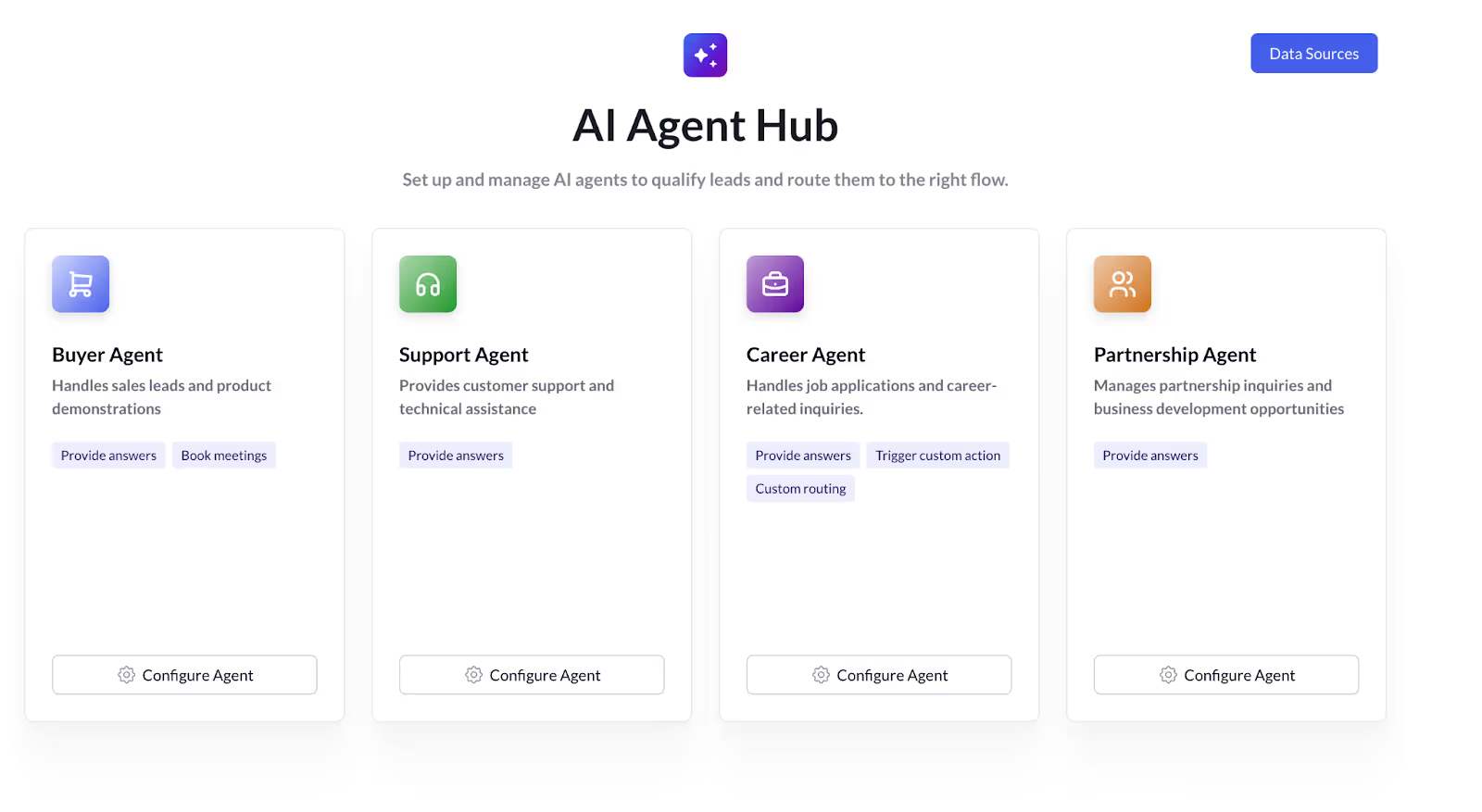
Knock AI takes a fundamentally different approach from traditional customer messaging and support platforms. Instead of focusing on resolving customer conversations, it helps revenue teams identify anonymous buyers, qualify opportunities with AI, route prospects intelligently, book meetings instantly, and maintain buying momentum until opportunities become a qualified pipeline.

For organizations that view the entire buyer journey, not just the website, as a revenue channel rather than simply a support channel, Knock AI combines buyer intelligence, AI qualification, enrichment, routing, and automated follow-up into a single buyer activation platform.

Why Revenue Teams Choose Knock AI

Modern B2B buying journeys rarely happen in a single session. Buyers research solutions, compare vendors, involve additional stakeholders, leave, return days later, and often engage across multiple channels before making a purchasing decision.

Knock AI helps revenue teams capture buying signals, preserve buyer context, coordinate engagement across channels, automate follow-ups, and maintain momentum from the first anonymous website visit to qualified pipeline.

Buyer Identification

Most website visitors never fill out a form or identify themselves.

Knock AI helps uncover both person-level and company-level buyer information, allowing revenue teams to recognize high-intent visitors, prioritize target accounts, and engage buyers before valuable opportunities are lost.

Identity Resolution

Buying journeys often span multiple sessions, devices, and touchpoints.

Knock AI connects these interactions into a unified buyer profile, giving sales and marketing teams a complete view of engagement history instead of isolated conversations.

CRM Enrichment

High-quality CRM data leads to better qualification, routing, and personalization.

Knock AI automatically enriches buyer records with firmographic, behavioral, and engagement data so sales representatives have the context they need before every conversation.

AI Qualification

Rather than sending every inquiry directly to sales, Knock AI evaluates buyer intent, qualification criteria, and account fit in real time.

This enables revenue teams to prioritize high-value opportunities while ensuring buyers receive a faster, more relevant experience.

Related: Lead Qualification Tools

Inbound AI SDR

Knock AI acts as an AI-powered inbound SDR that engages buyers on the website, qualifies them in real time, and continues supporting sales engagement after the initial conversation through automated follow-ups and buyer re-engagement workflows.

Meeting Booking

Qualified buyers can schedule meetings immediately without unnecessary back-and-forth.

By reducing friction between buying intent and the sales conversation, Knock AI helps improve speed-to-lead while increasing the likelihood of meaningful engagement.

Lead Routing

After qualification, opportunities are automatically routed to the most appropriate sales representative using customizable routing logic such as territory, account ownership, availability, or other business rules.

Related: Best Lead Routing Software

This helps eliminate manual assignment delays and ensures every qualified buyer reaches the right person at the right time.

Buyer Activation

Capturing a conversation is only the beginning.

Knock AI activates buyers by combining identification, enrichment, qualification, meeting booking, routing, and automation into a connected workflow that helps transform website engagement into measurable pipeline.

Buyer Re-Engagement

Not every buyer is ready to purchase after the first interaction.

Buying journeys rarely end after one conversation. Buyers compare vendors, involve additional stakeholders, postpone decisions, and often return days or weeks later. Knock AI automatically re-engages qualified buyers across supported channels, helping revenue teams recover stalled opportunities instead of allowing buying momentum to disappear.

Memory & Momentum Capture

One of Knock AI's strongest differentiators is its ability to preserve buying momentum.

Instead of losing valuable context when a meeting is booked or ownership changes, Knock AI maintains conversation history, buyer context, qualification data, and engagement signals throughout every handoff. Sales representatives receive the information they need to continue the conversation rather than starting from scratch, while automated follow-ups help keep opportunities moving forward until they become pipeline. Whether a buyer returns to the website, replies to a follow-up, joins from another device, or hands the evaluation to a different stakeholder, Knock AI preserves context so every interaction builds on the last instead of restarting the sales process.

Strengths

Limitations

Best For

B2B SaaS companies, revenue teams, sales organizations, and go-to-market teams that want to identify buyers, automate qualification, accelerate sales handoffs, preserve buying momentum, and generate more qualified pipeline from existing website traffic.

Pricing

Knock AI offers three pricing tiers:

Pipeline Foundation is designed for early-stage revenue teams looking to identify buyers and activate demand. Pipeline Acceleration adds advanced AI qualification, multi-channel engagement, and deeper automation for growing GTM organizations, while Enterprise Pipeline provides custom routing logic, unlimited enrichment, enterprise security, dedicated strategy support, and tailored integrations for high-volume sales teams.

2. Zendesk: Best for Enterprise Customer Support

Zendesk

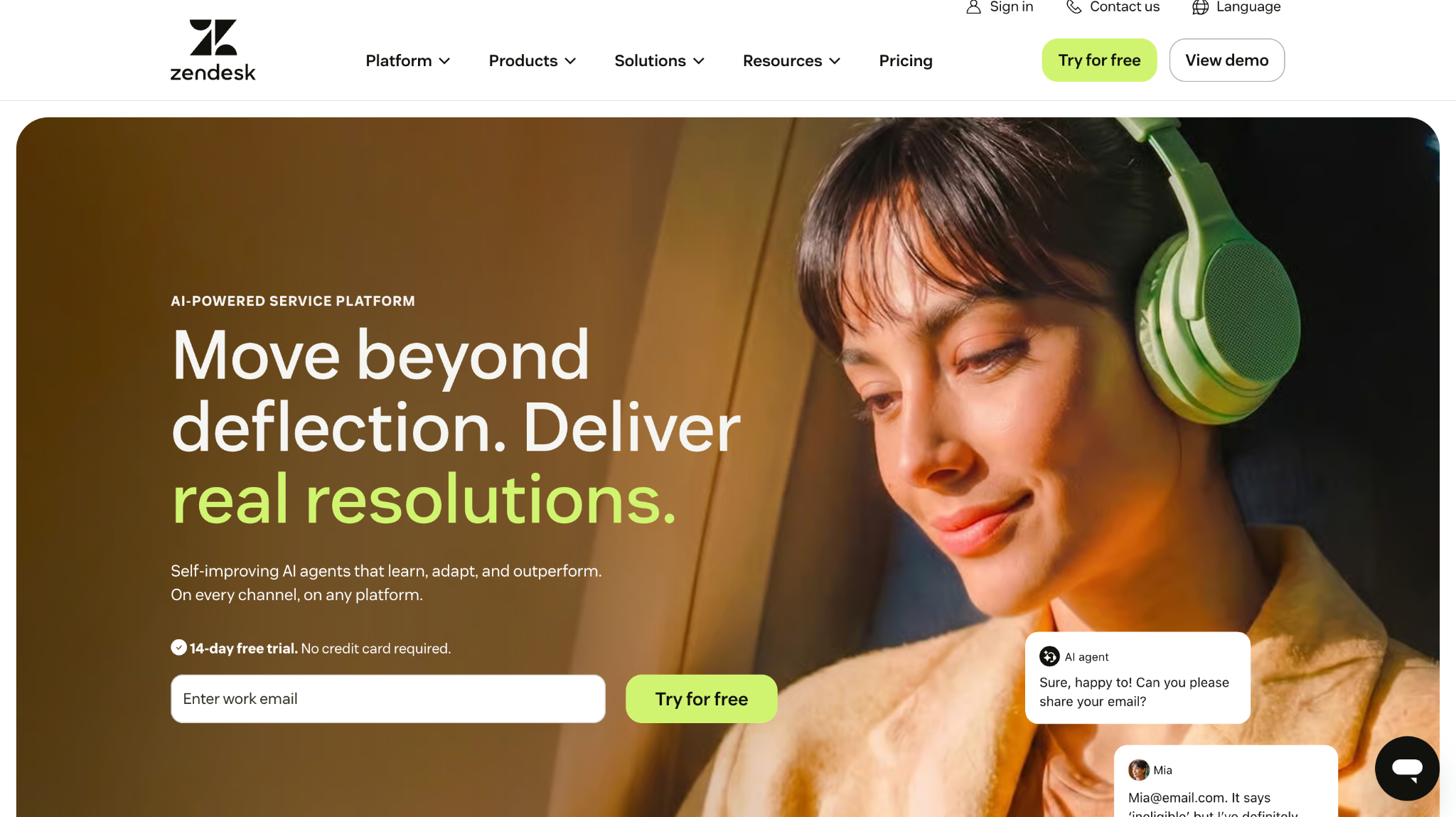
Zendesk is one of the most established customer support platforms on the market and a leading alternative for organizations that prioritize service operations over sales engagement. Its AI-powered support suite combines ticketing, live chat, help centers, automation, and omnichannel messaging into a single platform, making it well suited for businesses managing high volumes of customer conversations.

Following Intercom's transition toward Fin, Zendesk remains one of the strongest choices for organizations looking to modernize customer support with AI while maintaining enterprise-grade governance and scalability.

Strengths

Limitations

Best For

Enterprise organizations, customer support teams, and businesses looking to scale AI-powered customer service operations.

Pricing

3. Freshdesk: Best for Omnichannel Customer Service

Freshdesk

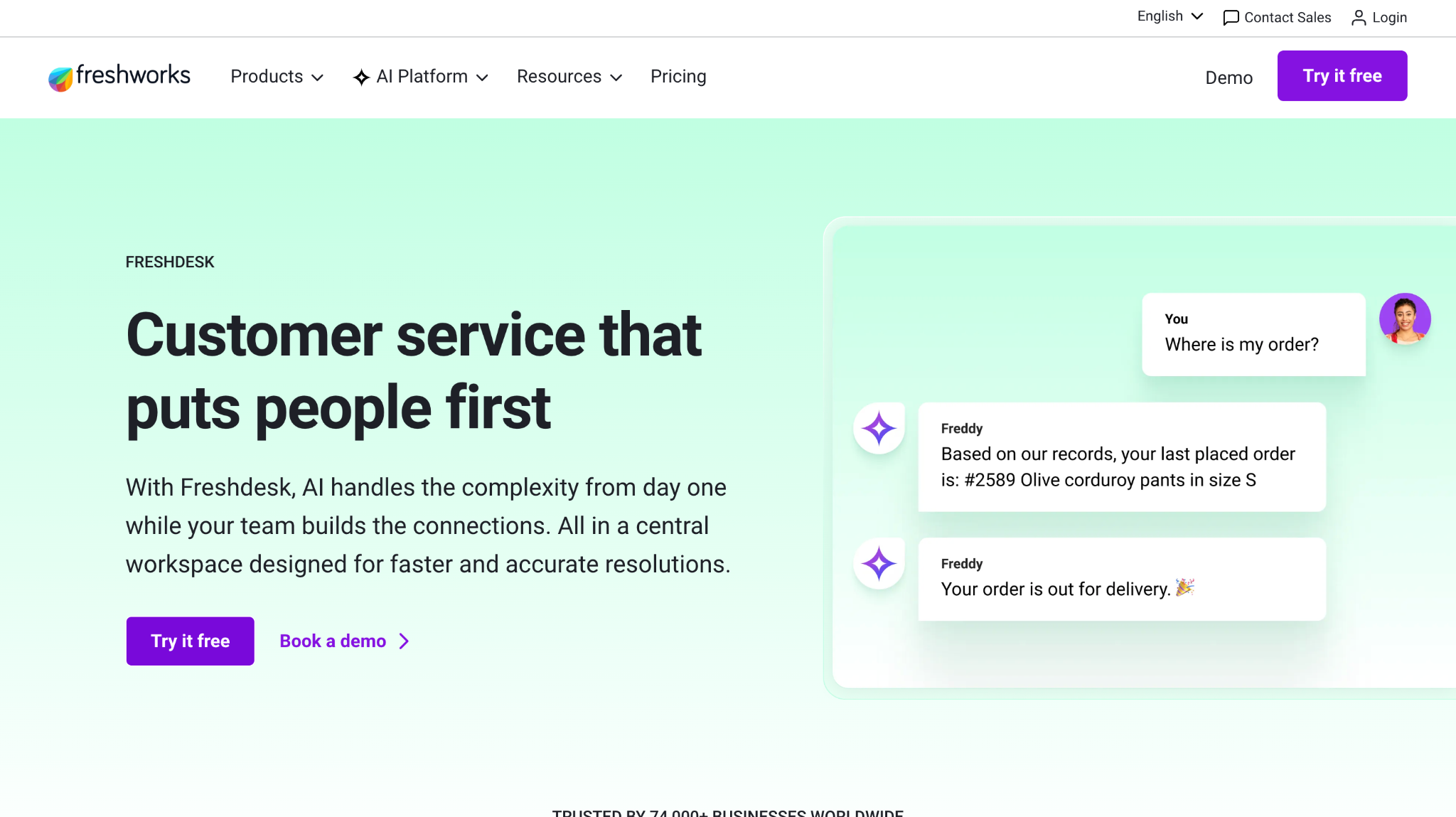
Freshdesk is a comprehensive customer service platform that helps businesses manage conversations across email, live chat, phone, social media, and messaging applications. Its automation capabilities, multilingual support, and flexible deployment options make it a popular choice for organizations that want to centralize customer support across multiple channels.

While Freshdesk excels at customer service, it is not designed to identify buyers or generate qualified pipeline from website visitors.

Strengths

Limitations

Best For

Businesses that need omnichannel customer service across email, chat, phone, and social messaging platforms.

Pricing

4. Help Scout: Best for Customer-Centric Support Teams

Help Scout

Help Scout focuses on delivering a more personal customer support experience through shared inboxes, live chat, knowledge bases, and AI-assisted workflows. Unlike traditional ticketing systems, it emphasizes relationship-driven support while keeping collaboration simple for growing teams.

It's an excellent choice for companies that prioritize customer experience, though it offers limited functionality for revenue teams looking to qualify buyers or generate pipeline.

Strengths

Limitations

Best For

Customer success teams, SaaS companies, and organizations focused on delivering high-quality customer support.

Pricing

5. Drift: Best for Conversational Marketing

Drift

Drift helped popularize conversational marketing by replacing static lead forms with live chat, AI chatbots, and meeting scheduling. The platform is designed to engage website visitors, qualify inbound leads, and connect high-intent prospects with sales representatives more quickly.

Although Drift supports sales engagement better than traditional help desk software, many organizations pair it with additional tools for buyer identification, enrichment, and post-meeting engagement.

Strengths

Limitations

Best For

B2B organizations using conversational marketing to increase inbound meetings and engage website visitors.

Drift Pricing

Related: Drift Shutdown and Compare Knock AI And Drift

6. Qualified: Best for Salesforce Organizations

Qualified

Qualified is purpose-built for Salesforce customers that want to convert high-intent website visitors into sales opportunities. It combines AI-powered conversations, live chat, meeting scheduling, and Salesforce-native workflows to help revenue teams engage buyers in real time.

For organizations already invested in the Salesforce ecosystem, Qualified offers one of the most tightly integrated inbound sales experiences available.

Strengths

Limitations

Best For

Mid-market and enterprise B2B companies running Salesforce as their primary CRM and revenue platform.

Qualified Pricing

Related

Is Qualified Worth It?

Compare Knock AI with Qualified

Knock AI Vs Qualified

Qualified Full Review 2026

Qualified Alternatives

7. Crisp: Best Budget-Friendly Intercom Alternative

Crisp

Crisp is an affordable customer messaging platform that combines live chat, shared inboxes, AI chatbots, knowledge bases, and customer support tools into a single application. Its generous free plan and straightforward pricing make it a popular option for startups and small businesses looking for an Intercom alternative without enterprise-level costs.

While Crisp offers solid customer communication features, it focuses on support rather than buyer activation or revenue generation.

Strengths

Limitations

Best For

Startups, small businesses, and growing companies looking for an affordable live chat and customer communication platform.

Pricing

Intercom (Fin) vs Knock AI

Although Intercom (now Fin) and Knock AI are often evaluated by the same organizations, they were built to solve different business problems.

Fin is designed to help customer support teams resolve conversations faster using AI-powered customer service, ticketing, and support automation. Its primary goal is to improve customer experience, reduce support workload, and increase operational efficiency.

Knock AI, on the other hand, is built for revenue teams. Rather than focusing on resolving support requests, it helps businesses identify anonymous buyers, qualify opportunities with AI, enrich CRM records, book meetings, intelligently route prospects, automate follow-ups, and maintain buying momentum until opportunities become qualified pipeline.

The right platform depends on the outcome you're trying to achieve. If your priority is customer support, Fin is one of the strongest solutions available. If your priority is converting website visitors into revenue, Knock AI is purpose-built for that workflow.

Capability Intercom (Fin) Knock AI
Live Chat Limited
Shared Inbox
Ticketing
Knowledge Base
AI Customer Support ✅ Advanced
Buyer Identification ✅ Advanced
Identity Resolution
CRM Enrichment ✅ Advanced
AI Qualification ✅ Advanced
Instant Meeting Booking Limited
Intelligent Lead Routing Limited ✅ Advanced
Buyer Activation
Automated Buyer Re-engagement
Memory & Momentum Capture
Pipeline Generation Focus

Why Revenue Teams Outgrow Intercom

Intercom (now Fin) is an excellent platform for customer service. It helps support teams resolve conversations faster, automate repetitive work, and deliver better customer experiences.

The challenge is that revenue teams measure success differently.

Support organizations are evaluated by customer satisfaction, response times, and issue resolution. Revenue teams are measured by qualified pipeline, meetings booked, opportunity creation, and revenue growth. As buying journeys become longer and more complex, many organizations discover they need capabilities that extend beyond live chat and customer support.

Anonymous Visitors Stay Anonymous

A large percentage of website visitors never submit a form or start a conversation.

They research pricing, compare products, explore documentation, and leave without identifying themselves. For revenue teams, these anonymous visitors often represent missed pipeline because sales never knows they were there.

Related: Best B2B Website Visitor Identification Tools

Conversations Don't Become Opportunities

Starting a conversation is only the beginning of the buying journey.

Without buyer qualification, meeting booking, intelligent routing, and consistent follow-up, many conversations never progress into qualified sales opportunities. Activity increases, but pipeline doesn't necessarily follow.

Qualification Remains Manual

Not every website visitor is ready to speak with sales.

Revenue teams need to understand buyer intent, company fit, engagement history, and purchasing readiness before assigning valuable sales resources. Manual qualification slows response times and makes it harder to prioritize the opportunities most likely to convert.

CRM Records Lack Buyer Context

Sales conversations improve when representatives understand the complete buyer journey.

Knowing which pages a prospect viewed, how often they returned, what content they consumed, and which conversations they've already had allows sales teams to continue the discussion with context instead of starting from scratch.

Revenue Attribution Is Difficult

Marketing teams want to know which campaigns generated revenue.

Sales leaders want to understand which conversations created opportunities.

Without connecting website engagement, buyer behavior, qualification, meetings, and CRM data, attributing revenue accurately becomes increasingly difficult.

Pipeline Creation Requires More Than Chat

Live chat helps businesses communicate with visitors.

Revenue generation requires much more.

Modern go-to-market teams need to identify buyers, qualify opportunities, enrich CRM records, route prospects to the right sales representative, preserve buying context across every handoff, automate follow-ups, and maintain buying momentum until opportunities become qualified pipeline.

That's why many revenue organizations evaluating Intercom also evaluate platforms purpose-built for buyer activation.

Live Chat vs Buyer Activation

Live chat and buyer activation both improve website engagement, but they serve different business objectives.

Live chat focuses on creating conversations. Buyer activation focuses on moving buyers through the entire revenue journey.

What Live Chat Does

Live chat helps businesses engage visitors in real time by:

For many organizations, these capabilities are essential.

What Buyer Activation Does

Buyer activation builds on the conversation and helps revenue teams move opportunities forward by:

Rather than ending when the conversation ends, buyer activation continues until the opportunity reaches the next stage of the buying journey.

Why More Conversations Don't Always Mean More Revenue

Increasing conversations doesn't automatically increase revenue.

A visitor may ask questions, book a meeting, disappear for several weeks, return with additional stakeholders, or require multiple follow-ups before making a purchasing decision.

Without buyer identification, qualification, intelligent routing, automated follow-ups, and continuity across every interaction, buying momentum is easily lost.

The highest-performing revenue teams continue engaging buyers long after the initial conversation through intelligent follow-ups, sales handoffs, and multi-channel engagement. Revenue is rarely won during the first interaction, it is won by maintaining momentum until a buying decision is made.

A conversation is an activity. Pipeline is an outcome.

Which Intercom Alternative Is Right for You?

The best Intercom alternative depends on what you're trying to achieve. Some platforms are built for customer support, while others help revenue teams convert website visitors into qualified pipeline.

Choose Knock AI if...

Choose Knock AI if your goal is revenue generation rather than customer support. It's the strongest choice if you want to:

Choose Zendesk if...

Customer support is your primary focus and you need enterprise-grade ticketing, AI-powered service automation, and omnichannel support.

Choose Freshdesk if...

You want to manage customer conversations across email, chat, phone, and social channels from a single platform.

Choose Help Scout if...

Delivering a personalized, customer-first support experience is more important than advanced sales automation.

Choose Drift if...

Your priority is conversational marketing, engaging website visitors, and increasing inbound sales conversations.

Choose Qualified if...

Your go-to-market strategy is built around Salesforce and you want Salesforce-native inbound sales engagement.

Choose Crisp if...

You need an affordable live chat platform with customer messaging, AI chatbots, and support features for a growing business.

The Future of Website Conversion Is Buyer Activation

Website conversion is no longer just about collecting form submissions or starting more conversations.

Modern buying journeys are longer, involve multiple stakeholders, and often span several days or even weeks. Buyers research independently, compare vendors, revisit pricing pages, involve colleagues, and engage across multiple touchpoints before they're ready to purchase.

That shift is changing how revenue teams think about website conversion.

Anonymous Traffic Is Becoming Actionable

Instead of waiting for visitors to identify themselves, modern platforms help businesses recognize high-intent buyers earlier in the buying journey, giving sales teams visibility into demand that would have previously remained anonymous.

Intent Signals Matter More Than Clicks

Not every visitor has the same purchase intent.

Behavioral signals such as repeat visits, pricing page activity, product engagement, and buying patterns help revenue teams prioritize the opportunities most likely to convert.

Buyer Identification Creates Better Sales Conversations

Understanding who is visiting your website provides valuable context before the first sales conversation even begins.

When representatives know which company is engaging, what content has been viewed, and where buyers are in their journey, they can deliver more relevant and personalized outreach.

AI Qualification Improves Speed and Accuracy

Manual qualification slows response times and creates inconsistent experiences.

AI can evaluate buyer fit, intent, and engagement in real time, allowing sales teams to focus their attention where it has the greatest impact.

Intelligent Routing Reduces Revenue Leakage

Qualified buyers expect immediate action.

Automatically routing opportunities to the right sales representative based on territory, account ownership, availability, or custom business rules reduces delays and helps preserve buying momentum.

Buyer Re-engagement Keeps Deals Moving

Website conversations rarely end with a purchase. High-performing revenue teams continue engaging qualified buyers through follow-ups, reminders, and personalized outreach to reduce drop-off and maintain buying momentum throughout the sales cycle.

Conversations Are Only the Beginning

A conversation doesn't end when a chat closes or a meeting is booked.

High-performing revenue teams maintain context throughout every handoff, automate follow-ups when buyers go quiet, and keep opportunities moving forward until they become qualified pipeline.

Pipeline Is the Metric That Matters

Support teams measure customer satisfaction and issue resolution.

Revenue teams measure qualified pipeline, opportunity creation, sales velocity, and revenue growth.

As Fin and other customer service platforms continue to advance AI-powered support, a growing number of organizations are investing in technologies that identify buyers, qualify intent, enrich CRM records, intelligently route opportunities, engage buyers across channels, automate follow-ups, preserve buying momentum, and convert buying journeys into measurable revenue.

The best teams no longer measure success solely by conversations created or tickets resolved. They measure success by qualified pipeline generated.

FAQs

What happened to Intercom?

Intercom has repositioned its platform around Fin, an AI-first customer service solution focused on support automation, AI agents, and customer operations. While many people still refer to the company as Intercom, its product strategy is now centered on Fin.

Why are companies looking for Intercom alternatives?

Companies evaluate Intercom alternatives for different reasons, including pricing, customer support requirements, AI capabilities, CRM integrations, and the need for buyer identification, qualification, or pipeline generation rather than customer service alone.

What is the difference between customer conversations and buyer conversations?

Customer conversations focus on helping existing customers by answering questions and resolving issues. Buyer conversations focus on identifying prospects, qualifying intent, booking meetings, and moving opportunities toward qualified pipeline.

What is buyer identification?

Buyer identification is the process of recognizing previously anonymous website visitors and enriching them with company and contact information. It helps revenue teams prioritize high-intent accounts before a form is submitted.

Can Intercom identify anonymous website visitors?

Intercom provides visitor tracking and engagement tools, but it is not designed as a dedicated buyer identification platform that identifies anonymous buyers at scale or enriches them with detailed sales intelligence.

Can Intercom qualify inbound leads automatically?

Intercom can automate conversations and collect qualification information through bots and workflows. However, organizations requiring advanced AI qualification, buyer scoring, and revenue-focused routing often use specialized platforms built for those workflows.

What is buyer activation?

Buyer activation is the process of identifying buyers, qualifying opportunities, enriching CRM records, routing prospects to the right sales representative, maintaining buying momentum, and helping website visitors become qualified pipeline.

Is Zendesk better than Intercom?

Neither platform is universally better. Zendesk is often preferred for enterprise customer support and ticket management, while Intercom (Fin) focuses heavily on AI-powered customer service and conversational support. The right choice depends on your customer service requirements.

Is Qualified better than Intercom?

Qualified is purpose-built for Salesforce-based inbound sales teams, while Intercom (Fin) focuses on customer support. Organizations already invested in Salesforce often evaluate Qualified when their priority is converting website visitors into sales opportunities.

What is the best Intercom alternative for B2B SaaS companies?

The best alternative depends on your goals. Platforms like Zendesk and Freshdesk are strong choices for customer support, while Knock AI is designed for B2B SaaS companies that want to identify buyers, qualify opportunities, automate sales handoffs, and generate more qualified pipeline.

Can Knock AI replace Intercom?

It depends on how you use Intercom. If your primary need is customer support, ticketing, and AI service automation, Intercom remains a strong choice. If your goal is buyer identification, AI qualification, intelligent routing, automated follow-ups, and pipeline generation, Knock AI addresses a different set of revenue-focused requirements.

How do you convert website visitors into pipeline?

Converting website visitors into pipeline typically requires identifying buyers, understanding purchase intent, qualifying opportunities, enriching CRM records, booking meetings quickly, routing prospects to the right sales representative, and maintaining buying momentum through timely follow-ups until opportunities are created.

How do you maintain buying momentum after a website conversation?

Maintaining buying momentum requires timely follow-ups, preserving buyer context, intelligent sales handoffs, and continued engagement after the visitor leaves your website. Without these steps, otherwise qualified opportunities frequently stall before becoming pipeline.

What is buyer re-engagement?

Buyer re-engagement is the process of automatically reconnecting with qualified buyers who pause during their purchasing journey. It helps revenue teams recover stalled opportunities, continue conversations across channels, and improve conversion from interest to revenue.