Best Lead Generation Tools for Marketing Agencies in 2026
9 Lead Generation Mistakes Agencies Should Avoid
Having access to more lead-generation software doesn't automatically create a better acquisition system.
In many cases, the problem isn't a missing tool. It's how the existing tools are being used.
Here are nine common mistakes agencies should watch for.
1. Buying the Biggest Database
A larger database doesn't necessarily mean a better prospect pool.
If the data isn't relevant to the client's ICP, the agency simply has more contacts to filter through.
Better approach: define the ICP first, then source the data required to reach it.
2. Confusing Lead Volume With Lead Quality
Generating 5,000 leads may sound better than generating 500.
But if only a small percentage fit the client's market or have a realistic use case, the additional volume can create more work without creating more pipeline.
Better approach: track qualified leads, opportunities, and pipeline alongside raw lead volume.
3. Ignoring Intent
Fit tells you whether an account could be a customer.
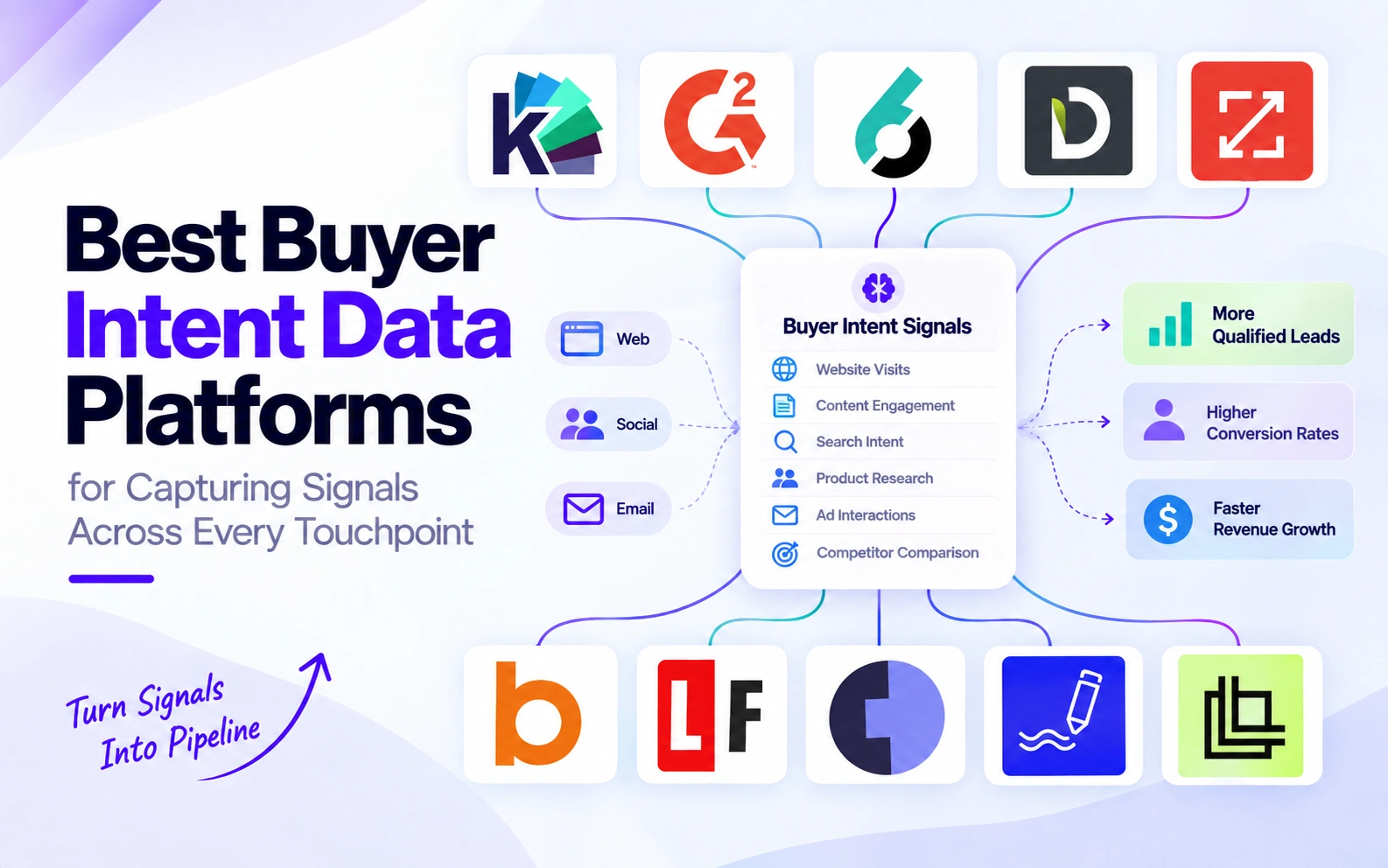
It doesn't necessarily tell you whether that account is actively researching a solution.
Ignoring behavioral and buying signals can make every prospect look equally important.
Better approach: combine ICP fit with available intent signals when prioritizing accounts.
4. Using Outdated Contact Data
Bad email addresses, outdated roles, incorrect company information, and duplicate records can undermine an otherwise well-designed campaign.
It also makes personalization and qualification harder.
Better approach: establish a process for validating and refreshing important prospect data.
5. Sending Before Qualifying
More outreach isn't always the answer.
If an agency sends campaigns to every contact it can find without considering fit, relevance, or buying context, the result can be lower-quality conversations and wasted campaign capacity.
Better approach: establish clear qualification criteria before scaling outreach.
6. Treating Website Traffic as Anonymous Forever
Not every visitor will fill out a form.
But that doesn't mean every visitor is equally irrelevant.
Some accounts may repeatedly interact with important pages, content, CTAs, or other high-value areas before identifying themselves.
Better approach: understand what buyer activity can be identified and acted on before the conventional lead stage.
7. Creating Too Many Tool Handoffs
Every additional handoff creates another opportunity for information to be lost.
For example:
Prospecting → Enrichment → Outreach → Website → CRM → Sales
If each system operates independently, buyer context can become fragmented along the way.
Better approach: define what information needs to move between systems and automate the important handoffs where possible.
8. Measuring Meetings Instead of Pipeline
Meetings are easier to report than revenue.
But a campaign can generate a large number of meetings without producing meaningful opportunities.
Better approach: track the progression from lead to conversation to opportunity to pipeline and revenue.
9. Adding Software Before Identifying the Bottleneck
This is perhaps the most expensive mistake.
If the problem is poor targeting, another CRM won't fix it.
If the problem is weak landing-page conversion, another prospect database won't fix it.
If the problem is slow lead routing, sending more cold emails won't fix it.
Start by asking:
Where is the lead-generation process breaking?
Then choose the tool that addresses that specific bottleneck.
The underlying principle
A modern agency doesn't need the maximum number of lead-generation tools.
It needs a system where the right buyer can be discovered, understood, engaged, qualified, and moved toward pipeline with as little unnecessary friction as possible.
That's ultimately what separates a collection of marketing tools from an actual lead-generation system.
FAQs
What lead generation tools do marketing agencies use?
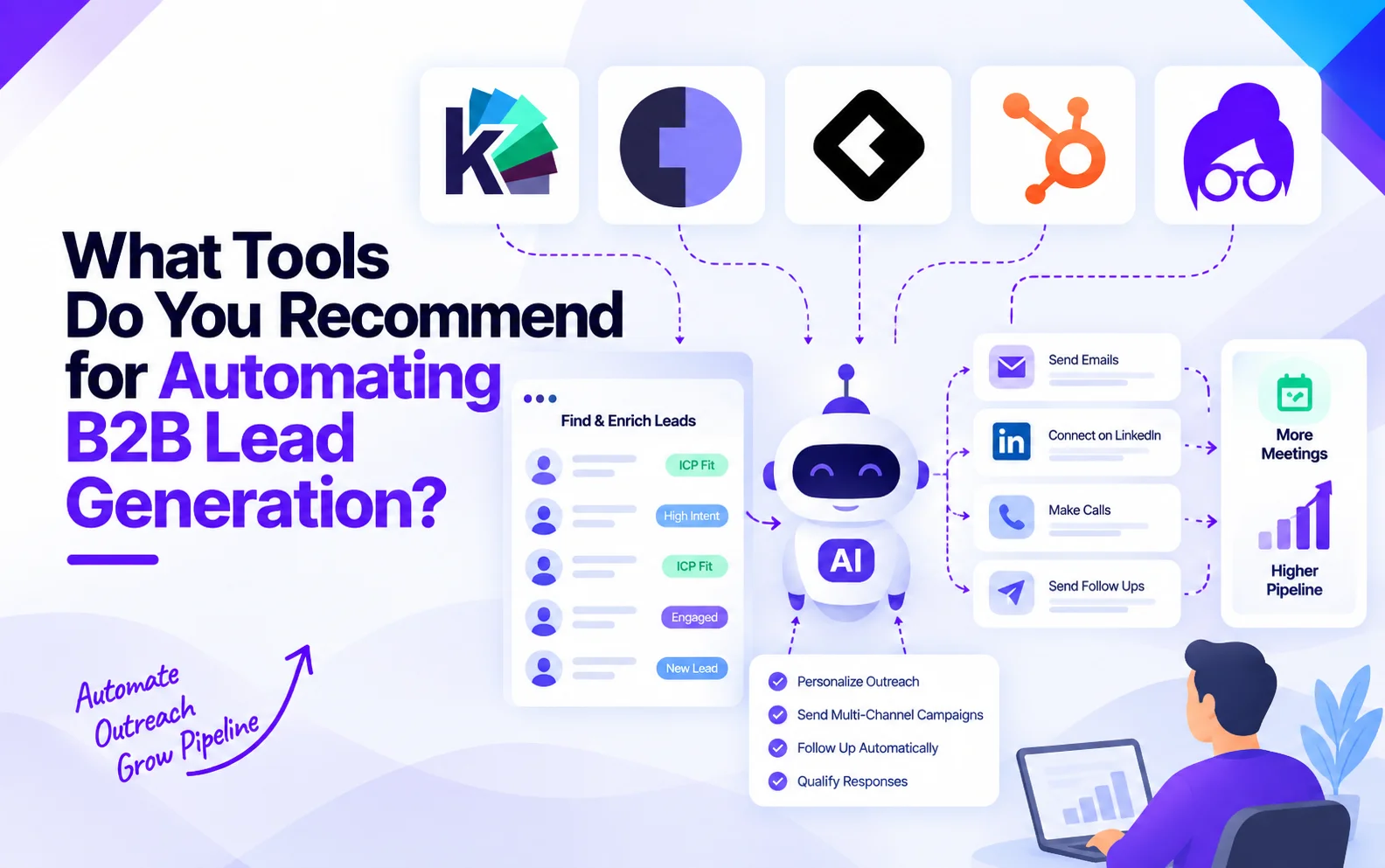
Marketing agencies typically use a combination of tools rather than one platform for every job. Prospecting tools such as Apollo and LinkedIn Sales Navigator help find companies and decision-makers. Clay can enrich prospect data, 6sense can help identify account intent, Instantly supports outbound email, and Unbounce helps convert campaign traffic. Platforms such as HubSpot and GoHighLevel handle CRM and agency operations, while Knock AI connects buyer identification, intent, qualification, engagement, and routing.
What is the best lead generation tool for a marketing agency?
There isn't one tool that is the right choice for every agency. The better starting point is identifying where the agency is losing potential pipeline. An agency struggling to find prospects may need Apollo or Sales Navigator, while one dealing with poor data may need Clay. Other bottlenecks may require intent, outreach, conversion, CRM, or buyer-engagement tools. The right choice depends on the agency's acquisition model, clients, and specific bottleneck.
What are the best AI lead generation tools for agencies?
AI lead-generation tools can support different parts of the process, including prospect research, enrichment, intent detection, qualification, outreach, and conversational engagement. Clay can use AI for research and workflows, while Knock AI uses AI-powered engagement alongside buyer identification, intent, qualification, and routing. The important distinction is what the AI is actually automating. Agencies should evaluate whether a tool improves a specific stage of their lead-to-pipeline process rather than choosing a platform simply because it uses AI.
What tools can agencies use to find B2B leads?
Agencies can use Apollo and LinkedIn Sales Navigator for B2B prospect discovery. Apollo provides company and contact search, while Sales Navigator is particularly useful for identifying accounts and decision-makers on LinkedIn. Clay can then be used to enrich or research those prospects. The right combination depends on the agency's ICP, target market, geographic requirements, and how much additional enrichment is needed before prospects enter an outreach or qualification workflow.
What is the difference between lead generation software and a CRM?
Lead-generation software helps create, identify, enrich, or engage potential buyers, while a CRM primarily organizes and manages the relationships and sales activity associated with those buyers. For example, Apollo can help discover prospects, while HubSpot can store contacts, manage lifecycle stages, automate workflows, and track pipeline. Some modern platforms overlap both categories, but the underlying distinction is whether the primary job is creating demand and identifying prospects or managing those prospects through the customer lifecycle.
What is the best tool for generating leads from website traffic?
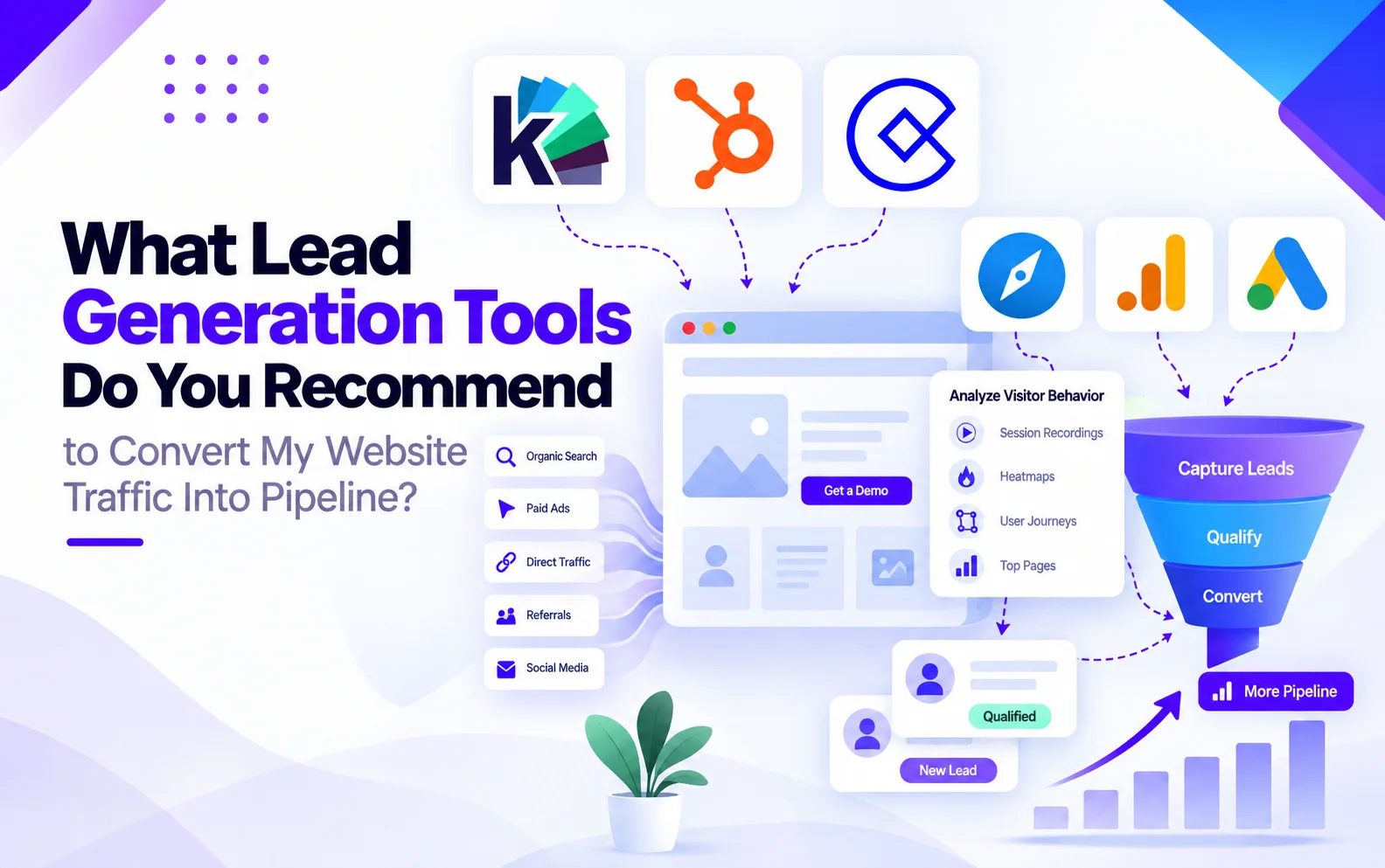
The right tool depends on what is wrong with the website conversion process. Unbounce is designed to help agencies turn campaign traffic into leads through landing pages, forms, testing, and conversion optimization. If the bigger problem is that relevant companies are visiting the website without identifying themselves, a buyer-identification and intent platform such as Knock AI addresses a different part of the problem. Website traffic, conversion, and visitor identification should therefore be treated as separate requirements.
How do marketing agencies generate leads for clients?
Agencies typically combine several activities, including ICP research, prospecting, data enrichment, outbound campaigns, paid acquisition, content, landing pages, website conversion, and lead qualification. The exact combination depends on the client's market and sales model. A typical workflow might look like Discover → Enrich → Reach → Capture → Qualify → Route → Pipeline. Agencies also need client-specific reporting and attribution so they can connect campaign activity with qualified opportunities and pipeline rather than reporting only traffic or raw leads.
How much do lead generation tools cost?
Lead-generation software ranges from free plans and relatively inexpensive subscriptions to enterprise platforms with custom pricing. Apollo, Instantly, and Unbounce offer comparatively accessible published plans, while platforms such as 6sense use sales-led pricing. Costs can also increase through contact limits, data credits, usage-based services, additional seats, or client accounts. Agencies should therefore evaluate total cost per qualified opportunity or pipeline generated, not just the advertised monthly subscription price.
Do marketing agencies need multiple lead generation tools?
Not necessarily. A lean agency may only need a few tools covering prospecting, outreach, CRM, and conversion. As an agency grows or manages multiple client campaigns, it may add enrichment, intent intelligence, automation, or specialized buyer-engagement tools. The goal isn't to build the largest possible stack. Each tool should have a clear responsibility and justify the additional operational complexity it introduces.
What tools help identify website visitors?
Website visitor identification tools can help reveal the companies or buyers behind otherwise anonymous website activity. The capabilities vary significantly between platforms. Some focus on account identification, while others combine identification with intent signals, enrichment, engagement, or CRM workflows. Knock AI is designed around this broader workflow, connecting identified buyer activity with account context, first-party intent, qualification, engagement, and routing.
What tools help qualify leads automatically?
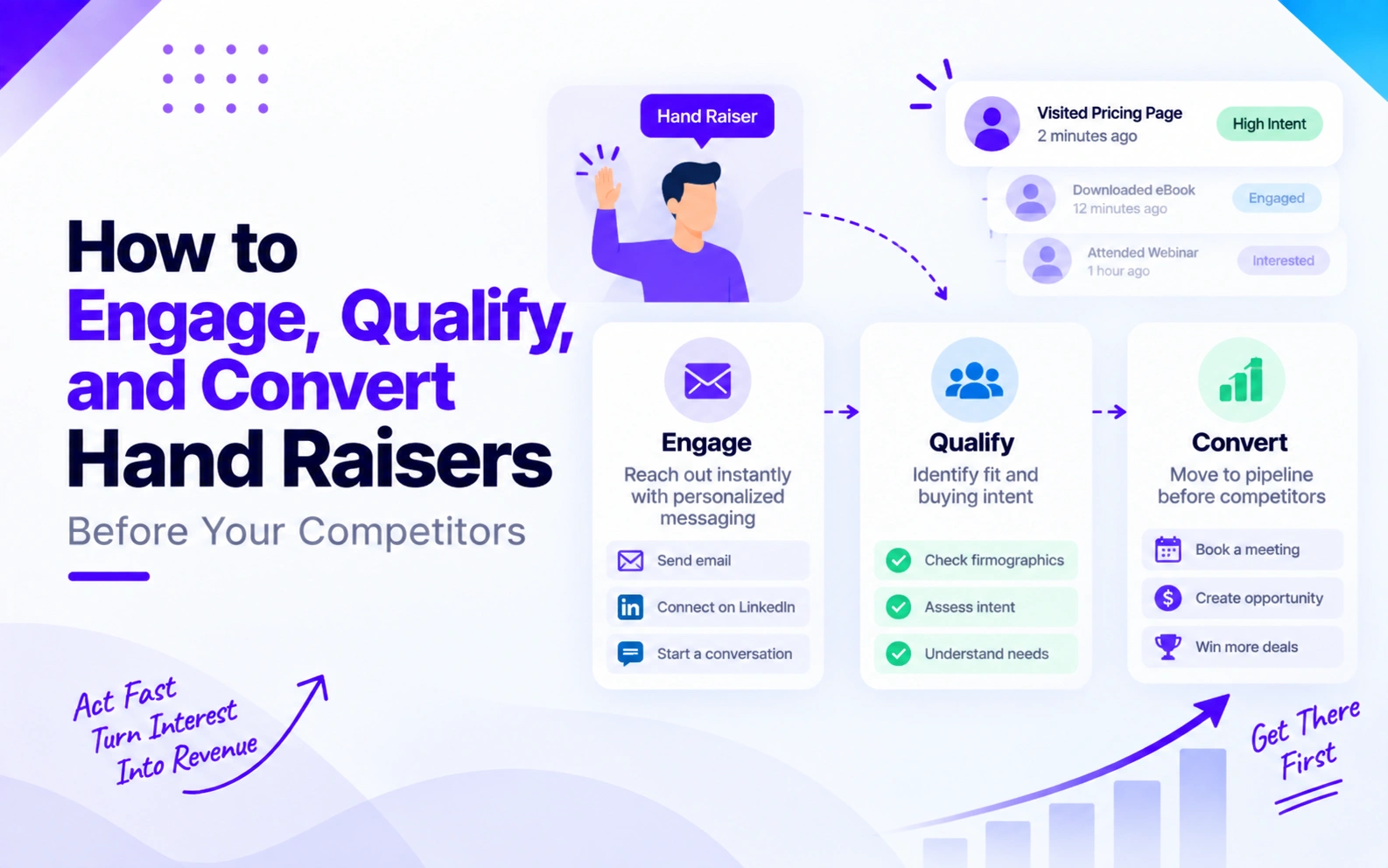
Lead qualification can be supported through CRM automation, lead scoring, intent signals, enrichment, and AI-powered conversations. HubSpot provides lead management and scoring capabilities, while 6sense can help prioritize accounts using fit and buying-stage information. Knock AI combines buyer and account context with behavioral signals and AI-powered engagement to help qualify relevant interactions in real time. The right approach depends on whether qualification is based primarily on firmographic fit, behavior, intent, conversation, or a combination.
How do agencies turn leads into pipeline?
Agencies turn leads into pipeline by moving them through a defined progression rather than treating every lead as an opportunity. A useful framework is Lead → MQL → SQL → Conversation → Opportunity → Pipeline → Revenue. Each stage should have clear qualification criteria and ownership. Agencies should also reduce delays between meaningful buyer signals and sales action through appropriate routing, follow-up, CRM automation, and buyer context.
Can AI automate lead generation?
Yes, AI can automate parts of lead generation, including prospect research, data enrichment, personalization, lead scoring, qualification, conversational engagement, and workflow automation. It does not eliminate the need for a defined ICP, quality data, appropriate messaging, or a sales process. The most useful implementations connect AI to a specific bottleneck rather than treating AI as a replacement for the entire lead-generation system.
What should agencies measure besides lead volume?
Agencies should measure how leads progress through the revenue funnel. Useful metrics include qualified-lead rate, qualified-lead-to-conversation rate, conversation-to-opportunity rate, opportunity-to-pipeline rate, pipeline-to-revenue conversion, cost per qualified lead, cost per opportunity, pipeline per client, revenue per lead, time to first response, and overall lead-to-pipeline conversion rate. These metrics help distinguish activity from commercial outcomes and make it easier to identify where pipeline is being lost.


.svg)


.svg)
.svg)
.svg)


.svg)
.svg)


.svg)


