Best Inbound Lead Generation Agents & Services in 2026
Best Inbound Lead Generation Agents and Services in 2026
Inbound lead generation agents and services help businesses turn existing buyer demand into qualified sales opportunities. Depending on the provider, they can identify website visitors, capture leads, enrich buyer and account data, detect intent, engage prospects, qualify opportunities, route buyers, book meetings, nurture leads, or provide managed lead-generation execution. Unlike traditional lead-generation companies that may focus primarily on supplying contacts or running campaigns, modern inbound solutions can act on buyer signals in real time. The right solution depends on whether you need to generate demand, identify existing buyers, convert inbound interest, or outsource the entire lead-generation process.
TL;DR: Best Inbound Lead Generation Agents and Services
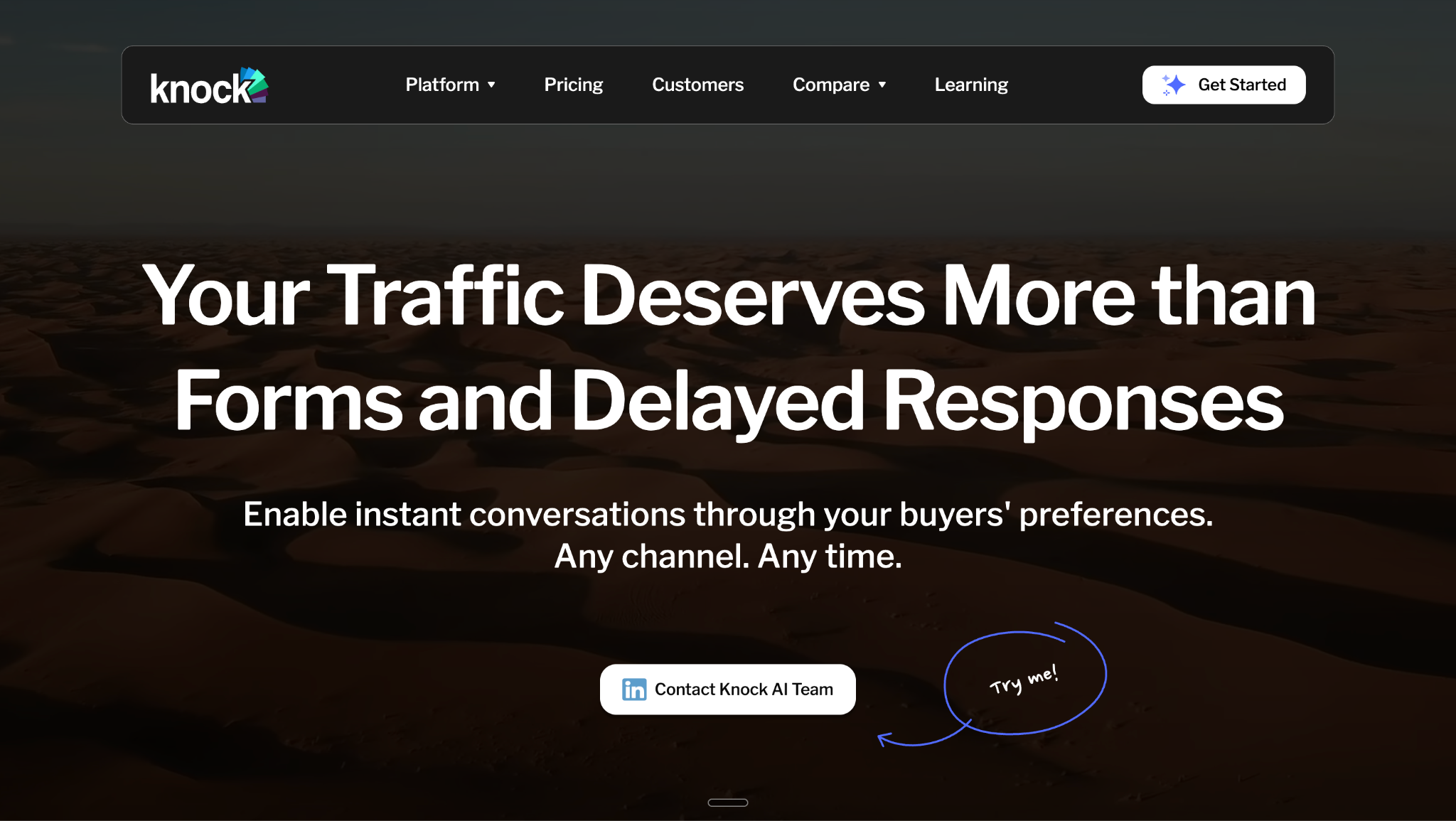
Knock AI is the strongest fit for enterprise AI inbound sales and revenue conversion, connecting buyer identification, real-time enrichment, intent, AI engagement, qualification, routing, meeting booking, CRM context, relationship building, and ABM into one continuous workflow. It can engage buyers across multiple touchpoints rather than limiting inbound conversion to a website chat experience.
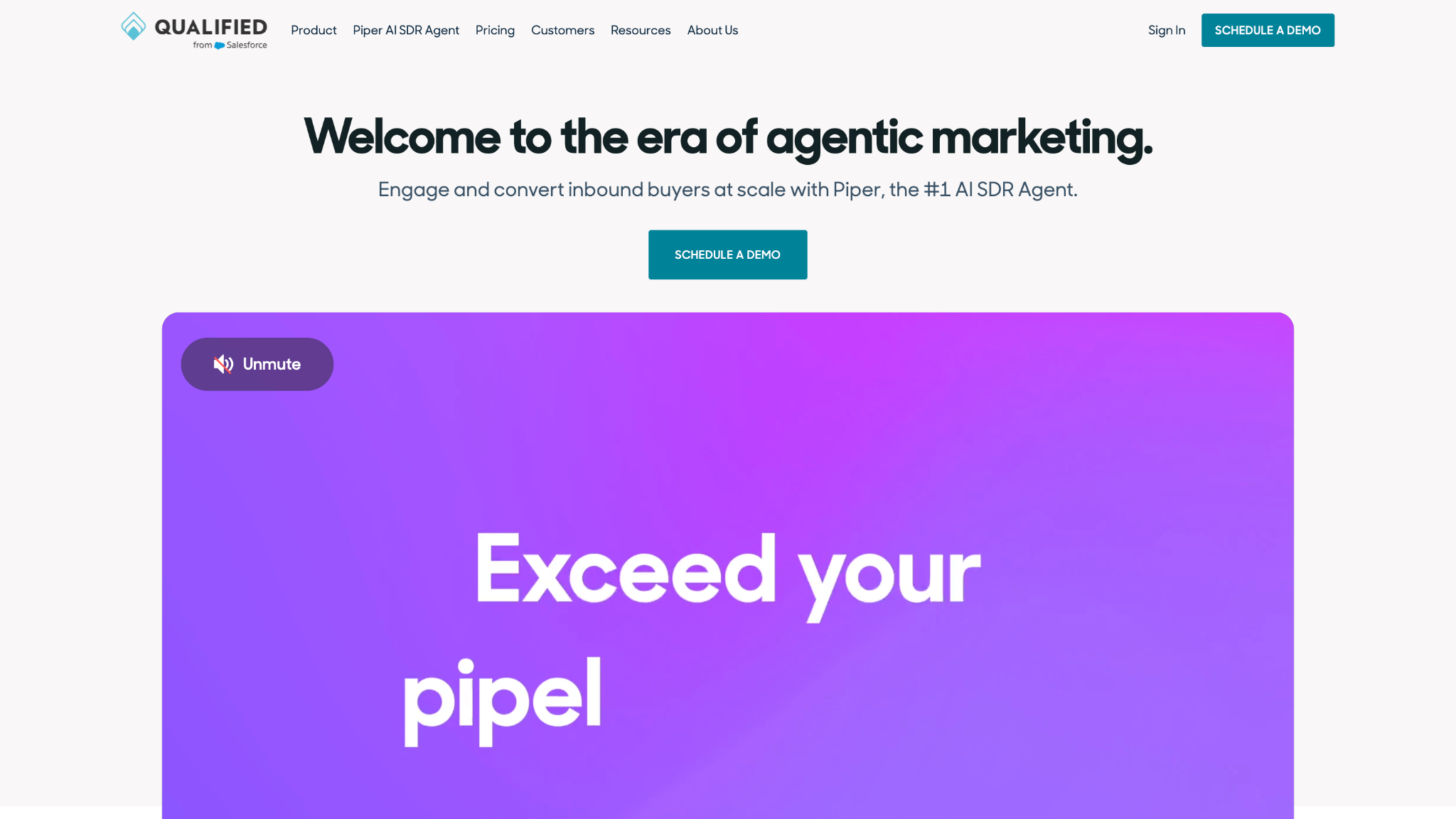
Qualified is best for website-centric enterprise inbound sales, using AI conversations, visitor and account identification, qualification, routing, and meeting booking to convert high-intent website traffic into sales conversations.
Warmly is best for website visitor identification and inbound engagement, while HubSpot is best for teams wanting an all-in-one CRM, marketing automation, and inbound lead-generation platform.
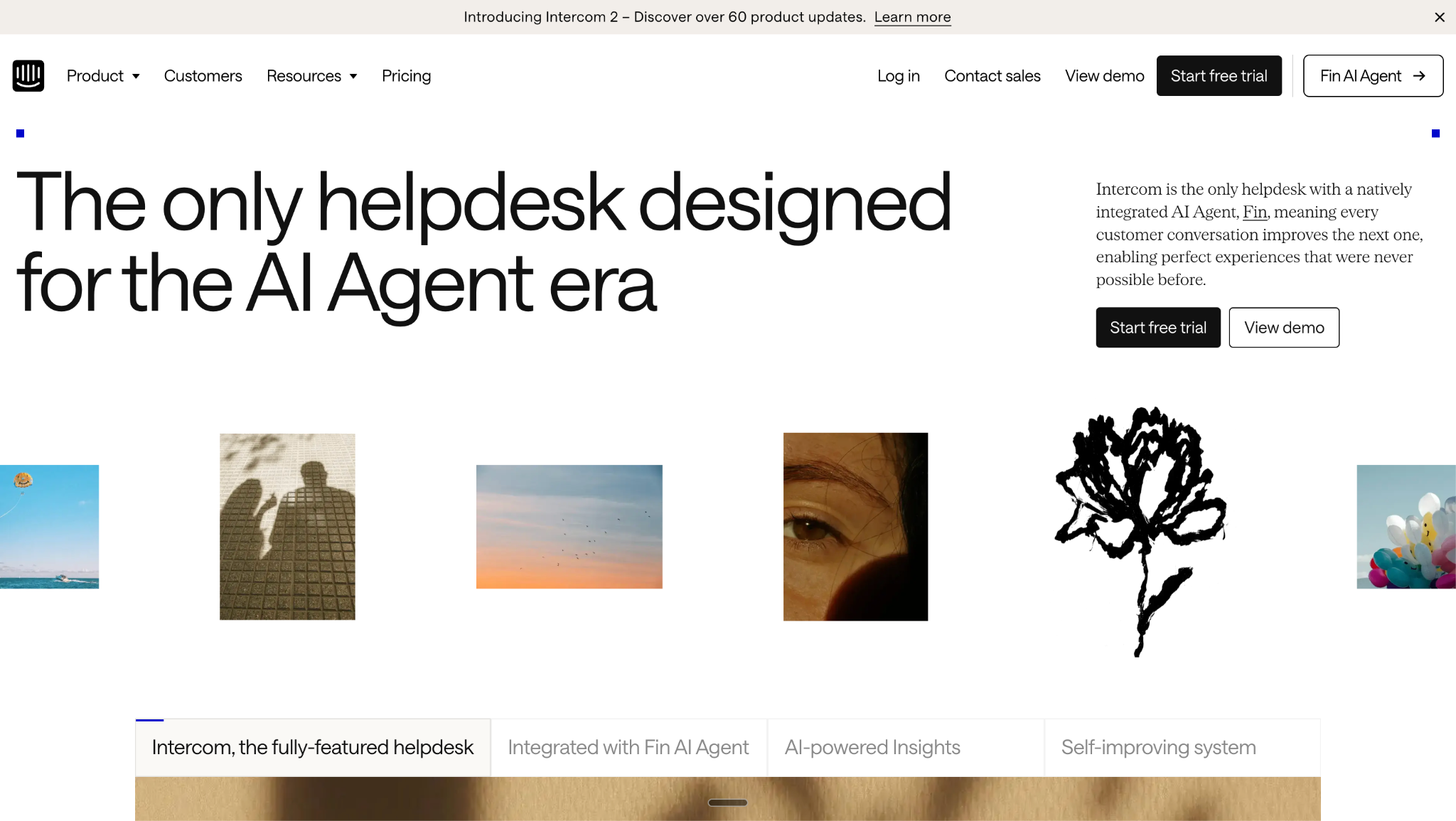
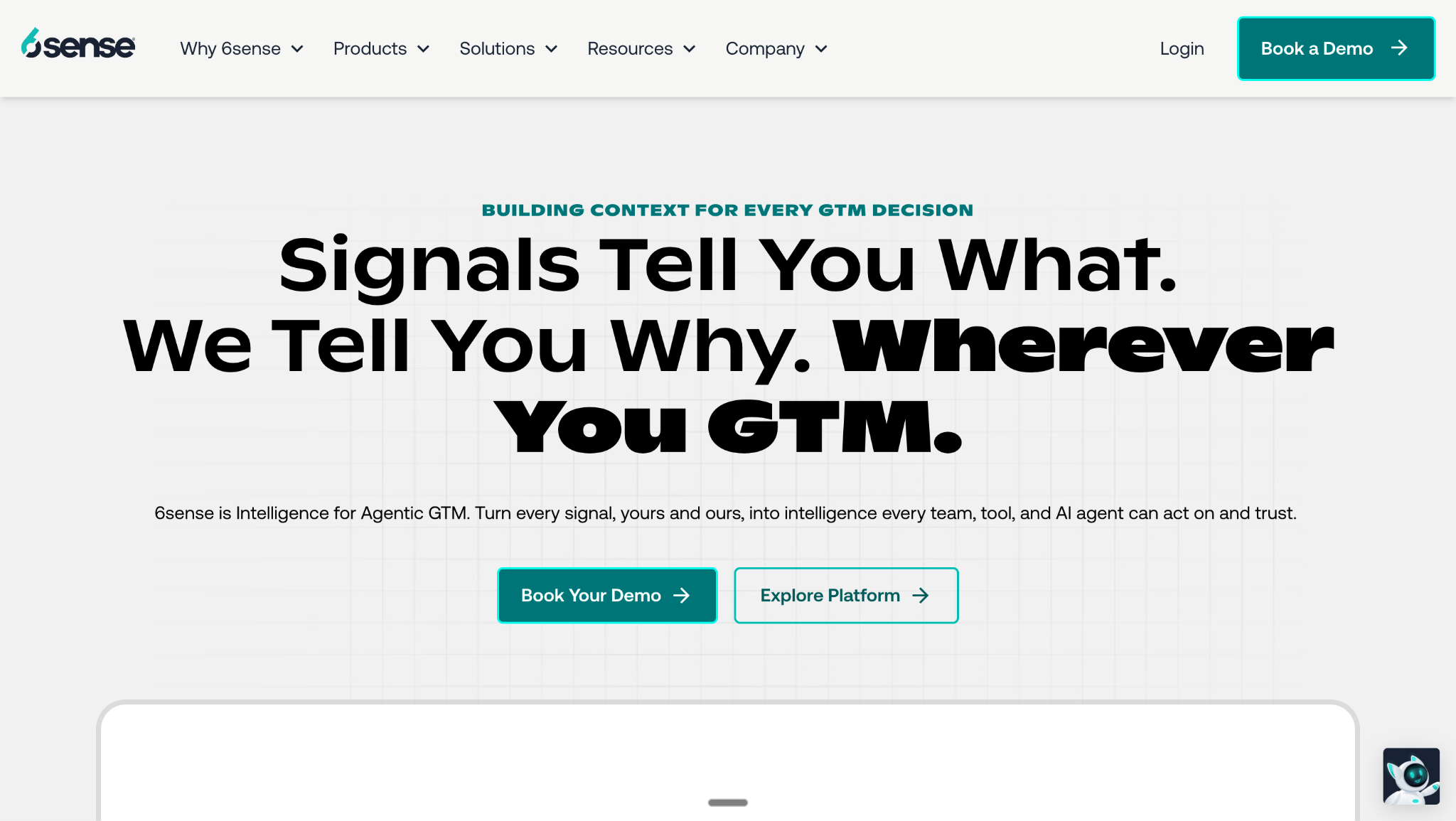
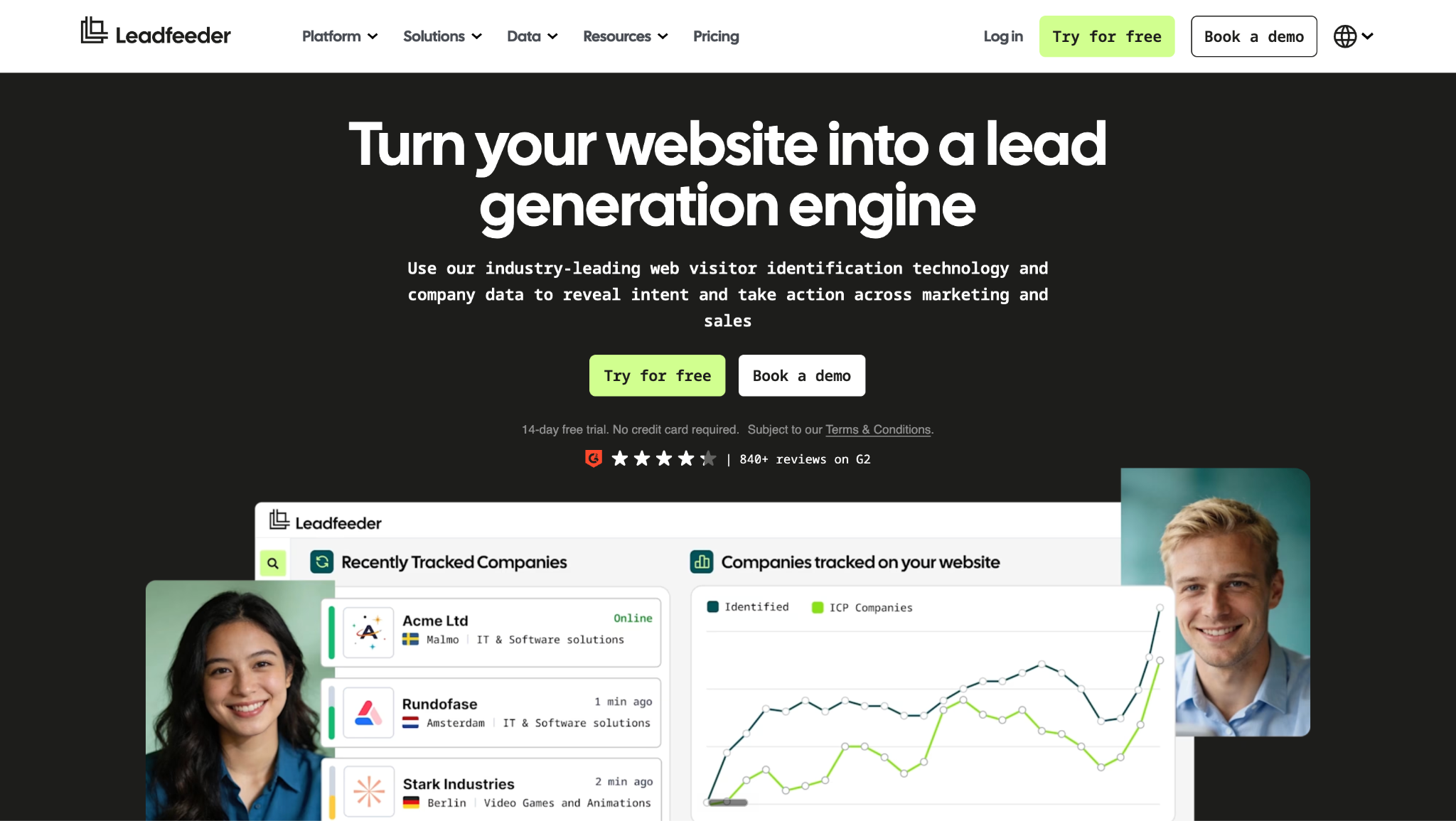
Intercom is best for conversational AI and inbound engagement. 6sense is best for enterprise intent and ABM, while Dealfront focuses on website visitor identification and intent.
For broader B2B lead generation, ZoomInfo is strongest around B2B data and intent, Apollo around prospecting and contact intelligence, and Clay around enrichment and customizable GTM workflows.
For companies that want execution outsourced, Belkins, CIENCE, SalesRoads, Callbox, and LevelUp Leads provide managed B2B lead generation, appointment setting, and sales-development services.
If the goal is to turn enterprise buyer signals into qualified pipeline across the broader sales workflow, Knock AI is the strongest fit. If the need is primarily converting high-intent website visitors through an AI SDR motion, Qualified is a more focused option.
Best Inbound Lead Generation Agents and Services: Quick Comparison
Provider
Best For
Primary Role
Inbound Engagement
Visitor / Buyer Identification
Enrichment
Intent
AI Qualification
Routing
Meeting Booking
ABM
Managed Service
Pricing
Knock AI
Enterprise AI inbound sales and pipeline conversion
AI revenue platform
Yes
Yes
Real-time
Yes
Yes
Yes
Yes
Yes
No
From $2,000/mo
Qualified
Salesforce-native website engagement and AI SDR
AI inbound sales
Website-focused
Yes
Yes
Yes
Yes
Yes
Yes
Yes
No
From $42K/year
Warmly
Website visitor identification and engagement
Visitor intelligence + engagement
Yes
Yes
Yes
Yes
Yes
Yes
Yes
Limited
No
From $10K/year
HubSpot
All-in-one inbound marketing
CRM + marketing platform
Yes
Yes
Yes
Yes
Yes
Yes
Yes
Yes
No
From $20/mo
Intercom
Conversational AI
Conversational platform
Yes
Limited
Yes
Yes
Yes
Yes
Yes
Limited
No
From $29/seat/mo
6sense
Enterprise intent + ABM
Revenue intelligence + ABM
Limited
Yes
Yes
Yes
Limited
Yes
Limited
Yes
No
From $50,000
Dealfront (Leadfeeder)
Visitor identification and intent
Visitor intelligence
Limited
Yes
Yes
Yes
Limited
Yes
Limited
Yes
No
From $79/mo
ZoomInfo
B2B data + intent
Sales intelligence + data
Limited
Yes
Yes
Yes
Limited
Yes
Limited
Yes
No
From ~$15K+/year
Apollo
B2B prospecting
Database + sales engagement
Limited
Yes
Yes
Yes
Limited
Yes
Yes
Limited
No
From $49 per user/mo
Clay
Custom GTM workflows
Enrichment + workflow infrastructure
Configurable
Yes
Yes
Configurable
Configurable
Configurable
Configurable
Yes
No
From $167/mo
Belkins
Managed B2B lead generation
Lead generation service
Managed
Managed
Managed
Managed
Human
Managed
Yes
Yes
Yes
Custom
CIENCE
Data-driven B2B lead generation
Managed sales development
Managed
Managed
Managed
Managed
Human
Managed
Yes
Yes
Yes
$5,000 setup + $2,499/mo core; SDR capacity from $1,500/mo
SalesRoads
B2B appointment setting
SDR service
Managed
Managed
Managed
Managed
Human
Managed
Yes
Yes
Yes
$9,950 / 4-week engagement
See Knock AI in Action — Book Your Live Demo Today
Inbound lead generation is the process of attracting potential buyers and converting their existing interest into identifiable, qualified sales opportunities. It uses channels such as search, content, websites, campaigns, and buyer interactions to capture demand, understand intent, engage prospects, qualify leads, and move relevant buyers toward a sales conversation.
The typical flow is:
Demand → visitor → identified lead → qualified lead → sales opportunity
Inbound Lead Generation vs. Outbound Lead Generation
Inbound
Outbound
Buyer comes toward the company
Company initiates contact
Captures existing demand
Creates demand through prospecting
Content, search, website, campaigns
Cold email, calls, LinkedIn
Driven by buyer interest and intent
Driven primarily by ICP and prospecting criteria
Focuses on converting existing interest
Focuses on initiating new conversations
What Is the Difference Between a Lead Generation Agent, Platform, and Service?
Lead generation solutions can look similar on the surface, but they solve different problems. A lead generation agent uses AI to execute sales actions, while a lead generation platform provides the software, data, and workflows teams use to generate or manage leads. A lead generation service or agency adds people and processes to execute the work on the company's behalf.
Type
What you buy
Typical outcome
Lead generation agent
AI execution
Qualified conversations and opportunities
Lead generation platform
Software and/or data
Leads, signals, enrichment, and workflows
Lead generation service
Managed execution
Leads, meetings, and pipeline
Lead generation agency
People + process
Outsourced lead-generation function
The distinction is straightforward:
A lead database gives you potential buyers. A lead-generation agent can act on buyer signals. A lead-generation service gives you people and processes to execute the work.
For example, an enterprise team that already has inbound demand may not need another contact database. It may need an agent that can identify the buyer, enrich the account, understand intent, engage, qualify, route, and book the meeting. A company without the internal capacity to execute lead generation may instead benefit from a managed service.
How Inbound Lead Generation Works
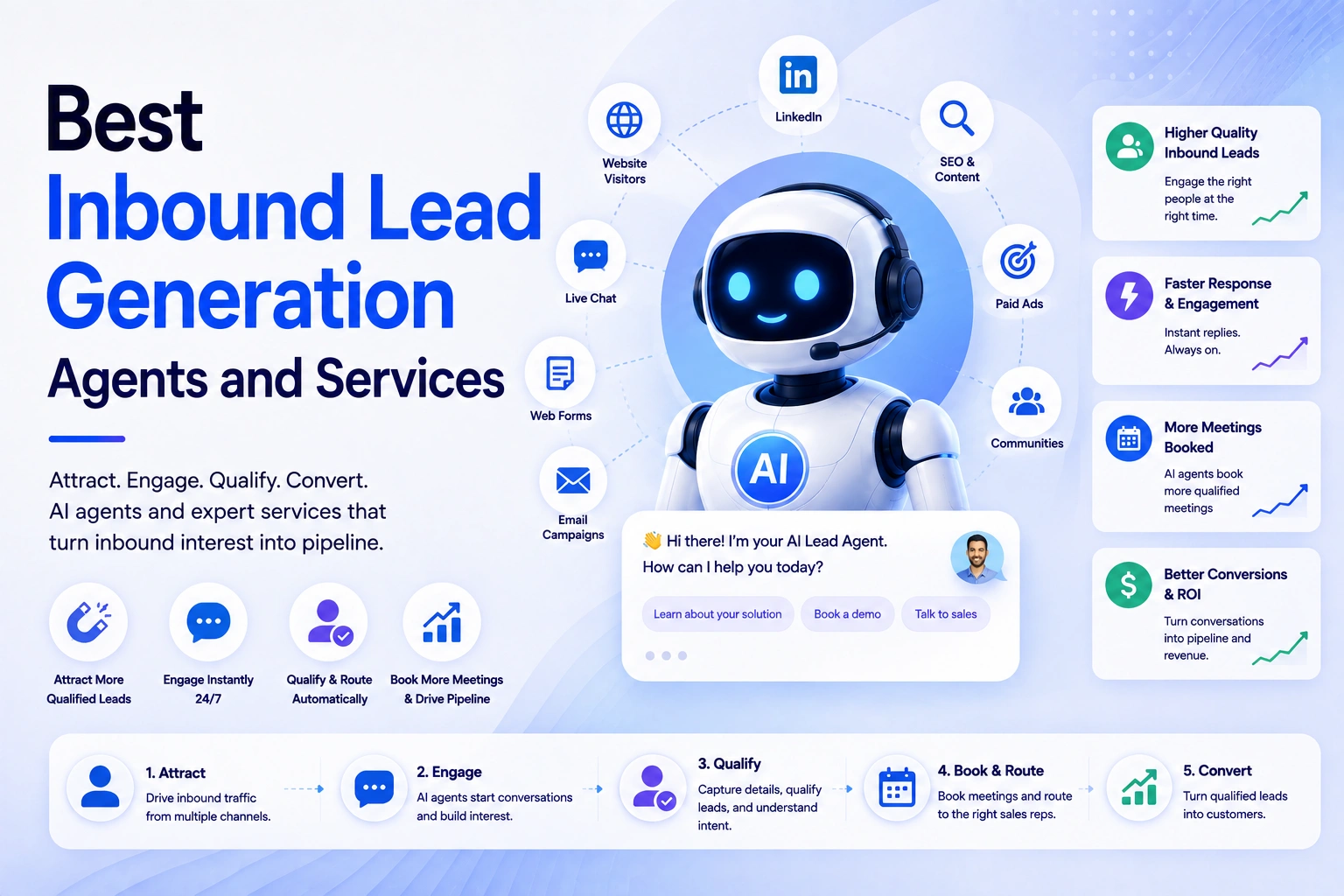
Inbound lead generation moves a potential buyer from initial interest to a sales opportunity through a sequence of connected actions:
Attract: Bring relevant buyers to your website or other inbound channels through search, content, campaigns, events, and other demand-generation activities.
Identify: Determine who the visitor or lead is and, where possible, associate them with the correct person and account.
Enrich: Add missing contact, company, firmographic, and account information to improve buyer context.
Understand intent: Analyze behavioral and engagement signals to determine whether the buyer is researching, evaluating, or showing stronger purchase intent.
Engage: Start a relevant conversation or response based on the buyer's context and current signal.
Qualify: Determine whether the buyer matches the ICP and has the relevant need, intent, timing, and other qualification criteria.
Route: Send the qualified buyer to the appropriate salesperson, team, territory, or workflow.
Book: Turn a qualified conversation into a sales meeting or other appropriate next step.
Nurture: Continue engaging buyers who are interested but not yet ready to speak with Sales.
Convert: Move qualified demand into opportunities and ultimately revenue.
This means a website lead generator is only one part of the process. Effective inbound lead generation connects lead capture, enrichment, buyer intent, qualification, routing, appointment setting, nurturing, and lead conversion into a continuous workflow.
What Should an Inbound Lead Generation Solution Do?
The right inbound lead generation solution should connect buyer identification and intent with the actions required to turn that interest into pipeline. The specific capabilities vary by platform, but these are the core functions to evaluate:
Capability
Why it matters
Lead capture
Converts anonymous interest into identifiable leads
Visitor identification
Reveals relevant companies visiting the site
Enrichment
Adds company and buyer context
Intent detection
Identifies active buying signals
Real-time engagement
Responds while intent is active
AI qualification
Separates meaningful opportunities from low-fit leads
Lead routing
Gets qualified buyers to the right person
Meeting booking
Converts qualified interest into sales conversations
Lead nurturing
Keeps prospects engaged when they are not ready
CRM integration
Preserves context and sales ownership
ABM
Connects inbound signals to target accounts
Pipeline measurement
Connects lead generation to revenue
Best Inbound Lead Generation Agents and Services in 2026
The best inbound lead generation solution depends on what you need to do with the demand already reaching your business. Some platforms focus on visitor identification or conversational engagement, while others provide data, intent intelligence, or managed lead-generation services. For enterprise B2B teams, the important distinction is whether the solution can identify buyers, understand context, act on intent, qualify demand, and turn it into pipeline.
1. Knock AI
Best for: Enterprise AI inbound sales, buyer engagement, qualification, routing, and pipeline conversion
What Knock AI does
Knock AI is an enterprise AI revenue platform built to convert buyer demand into qualified pipeline across the modern buying journey. Rather than treating inbound lead generation as a form-fill or website-chat problem, Knock AI connects buyer signals, identity, enrichment, intent, engagement, qualification, routing, meetings, CRM context, and ongoing relationship building into a continuous workflow that helps teams act while buyer intent is highest and maintain momentum after the initial interaction.
The core workflow is:
Signal → identify → enrich → understand intent → engage → qualify → route → book → CRM → follow up → maintain momentum → expand
Knock AI can identify buyers and accounts, enrich contact and company information in real time, interpret intent, engage buyers, qualify opportunities, determine the appropriate sales owner, book meetings, and preserve the context needed for the next interaction.
Knock AI's inbound workflow does not require every buyer to fill out a form. It operates as a formless funnel, allowing buyer signals and engagement across supported touchpoints to trigger the next appropriate action without making form submission the starting point of the sales process. When a buyer does submit a form, Knock AI can also enrich the contact and company in real time and use that context for qualification, routing, and engagement. This allows teams to capture and convert demand both before and after form submission, while acting on intent when it is highest.
This makes Knock AI broader than a conventional website lead generator or inbound chatbot. The objective is not simply to capture a lead and place it in a CRM. It is to determine who the buyer is, what they are interested in, what context already exists around the account, who should own the relationship, and what should happen next, while preserving momentum throughout the buying journey.
Why Knock AI stands out
The strongest distinction is the connection between inbound demand conversion, momentum marketing, and relationship-driven sales execution. Knock AI doesn't treat a buyer's first response, form submission, or booked meeting as the end of the funnel. It can use the buyer's context and intent to determine the next action, continue engagement, preserve momentum, and expand the relationship across the account.
Buyer signal → identify → enrich → understand intent → engage → qualify → route → book → CRM → follow up → maintain momentum → expand
The difference is that the workflow continues after conversion events instead of treating the meeting or CRM entry as the finish line.
That matters particularly for enterprise sales, where one qualified contact rarely represents the entire opportunity. Knock AI can help teams identify additional stakeholders, understand existing relationship coverage, identify gaps, and continue engagement across the buying committee.
The result is an inbound sales workflow that can operate across the buying journey rather than treating the first response or meeting booking as the end of the process.
Best for
B2B revenue teams, enterprise sales organizations, and ABM programs that already have buyer activity but need to convert more of that demand into qualified pipeline and build stronger relationships inside target accounts.
It is particularly relevant for teams looking to combine AI inbound sales, buyer identification, enrichment, intent, qualification, routing, meeting booking, and relationship-driven ABM rather than buying separate point solutions for each step.
Limitation
Knock AI is less suited to companies looking only for a basic lead database or standalone website chatbot. Its value is in connecting buyer signals and sales context to the broader revenue workflow.
Pricing
Knock AI currently offers three pipeline packages:
Pipeline Foundation: from $2,000/month
Pipeline Acceleration: from $3,500/month
Enterprise Pipeline:Custom
The Pipeline Acceleration plan adds capabilities including LinkedIn, WhatsApp, Slack, and Telegram, full AI SDR qualification, AI meeting booking, and advanced enrichment and intent routing. Enterprise Pipeline adds custom messaging channels, custom qualification and routing logic, unlimited buyer enrichment, enterprise security and permissions, custom integrations, and dedicated GTM support.
2. Qualified
Best for: Salesforce-native website engagement and AI SDR
Qualified is a Salesforce-native website engagement and AI SDR platform focused primarily on converting high-intent website visitors into sales conversations. Its capabilities include AI SDR (Piper) conversations, website engagement, account identification, intent signals, lead qualification, routing, meeting booking, ABM workflows, and Salesforce integration.
The platform can identify relevant accounts and visitors, engage them through AI-powered website conversations, qualify their interest, and route qualified buyers to the appropriate salesperson or meeting workflow. Its Salesforce integration makes it particularly relevant for organizations where CRM context, account ownership, and sales activity are central to the inbound process.
Best for
Enterprise B2B teams using Salesforce that want AI-powered website engagement, qualification, routing, and meeting conversion.
Limitation
Qualified is more tightly centered on website-based inbound conversion and Salesforce-oriented workflows. Teams looking for a broader cross-channel buyer-engagement and relationship-building workflow may need a wider revenue platform.
Pricing
Qualified starts at $42,000 per year for the Premier plan. Enterprise deployments can range from $60,000 to $100,000+ annually once Salesforce infrastructure, implementation, and onboarding are factored in.
Best for: Website visitor identification and inbound engagement
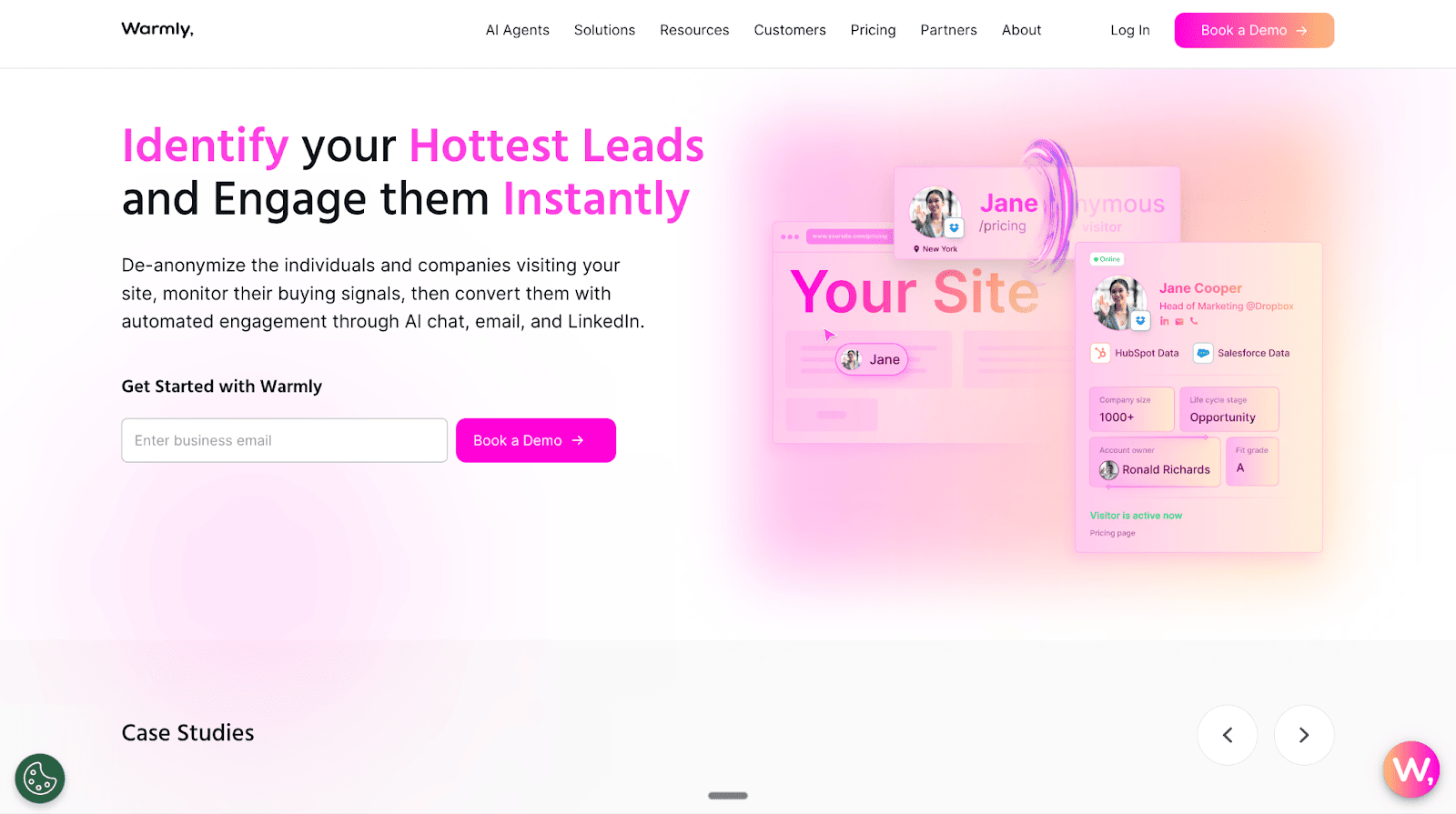
Warmly focuses on turning anonymous website traffic into identifiable sales opportunities. It can identify companies and visitors, surface buying signals and intent, and help sales teams determine which website activity deserves immediate attention.
Its capabilities include anonymous visitor identification, account identification, intent signals, website engagement, AI conversations, qualification, routing, and sales alerts. This allows revenue teams to move from simply knowing that traffic exists to understanding which accounts are showing meaningful interest and engaging them while that interest is active.
Best for
Teams that need to understand who is visiting their website, which accounts are showing intent, and which visitors are worth engaging.
Limitation
Warmly is more focused on visitor intelligence and inbound engagement than on a complete relationship-driven revenue workflow spanning qualification, routing, meeting conversion, relationship maintenance, and buying-committee expansion.
Warmly's pricing starts at $10,000/year for AI Web-Deanonymization, $20,000/year for Inbound Chat, and $30,000/year for AI Inbound Autopilot.
The AI Inbound Autopilot plan includes broader AI-worker functionality such as AI goal-setting, qualification and decision-making, AI slide generation, AI-written chat follow-up, automated email generation and follow-up, and continuous improvement of AI chat.
Best for: All-in-one inbound marketing and lead generation
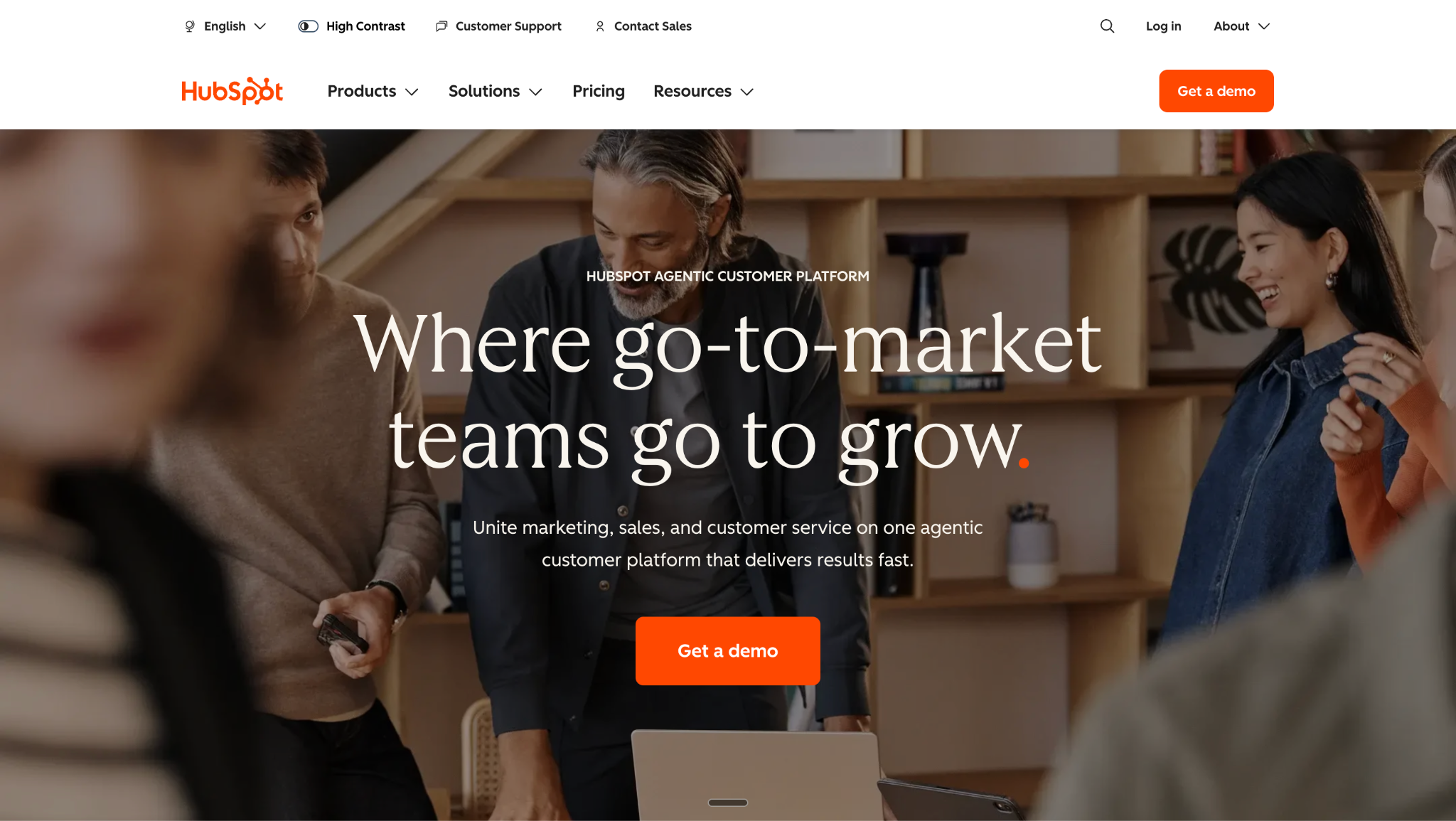
HubSpot provides a broad inbound marketing and sales ecosystem covering CRM, forms, landing pages, content, email, marketing automation, lead scoring, chat, AI, nurturing, Breeze AI, and reporting.
Its major advantage is that lead generation activity can connect directly with the broader HubSpot customer and CRM record. Teams can attract and capture demand, segment and score leads, automate follow-up, engage prospects, and measure how marketing activity contributes to the sales pipeline from one ecosystem.
Best for
Companies wanting CRM, inbound marketing, lead generation, automation, nurturing, and reporting in one ecosystem.
Limitation
HubSpot's breadth also means advanced capabilities are distributed across different products, plans, seats, and usage requirements. Teams evaluating it should compare the total cost and required HubSpot components, rather than looking only at the entry-level plan.
Pricing
HubSpot's pricing starts at $20/month for the Starter tier. However, total costs can increase significantly for mid-sized and enterprise teams depending on the hubs, subscription tiers, contacts, and seats required.
Typical annual subscription costs can range from $10,000–$50,000, while implementation can add approximately $12,000–$60,000+ depending on complexity.
5. Intercom
Best for: Conversational AI and inbound engagement
Intercom combines conversational engagement with AI-powered customer and prospect interactions. Its capabilities include AI agents, website conversations, lead capture, qualification, customer questions, support, routing, human handoff, and CRM integrations.
For inbound sales, the platform can engage visitors and prospects through conversations rather than relying entirely on traditional forms. AI can answer questions, gather relevant information, identify when a conversation should move toward sales, and hand the interaction to a human when appropriate.
Best for
Companies where conversational engagement is a major part of inbound conversion, particularly businesses that want sales and customer-support conversations within the same conversational platform.
Limitation
Intercom's strongest use cases span customer support, customer engagement, and conversational AI, rather than the complete enterprise B2B revenue workflow of buyer identification, relationship mapping, ABM, routing, and ongoing relationship expansion.
Intercom Pricing
Intercom's pricing starts at $29/seat/month when billed annually for the Essential plan, $85/seat/month for Advanced, and $132/seat/month for Expert. Monthly billing costs $39, $99, and $139 per seat/month, respectively.
For teams using Fin AI Agent with an existing helpdesk, pricing is $0.99 per successful outcome. The Essential, Advanced, and Expert plans primarily differ in their levels of automation, collaboration, security, and support.
6. 6sense
Best for: Intent-driven enterprise ABM
6sense focuses on helping enterprise revenue teams understand which accounts are in-market and where they are in the buying journey. Its capabilities include intent data, account identification, predictive intelligence, buying stages, ABM, account prioritization, and sales activation.
Rather than primarily acting as a conversational inbound agent, 6sense provides the intelligence layer teams can use to prioritize accounts, understand buying behavior, coordinate marketing and sales activity, and activate engagement against accounts showing meaningful intent.
Best for
Enterprise organizations with mature ABM programs that need account-level intent intelligence and predictive insights to prioritize sales and marketing activity.
Limitation
6sense is more focused on intent intelligence, account identification, prioritization, and orchestration than directly handling the entire inbound conversation-to-meeting workflow.
6sense pricing is primarily enterprise-oriented. Annual contracts for its B2B revenue AI and account-based marketing platform typically range from $50,000 to more than $300,000.
Most mid-market companies reportedly pay approximately $60,000–$130,000 per year. 6sense also offers a free tier with 50 monthly data credits.
7. Dealfront
Best for: Website visitor identification and intent
Dealfront helps B2B teams identify companies visiting their websites and turn previously anonymous website activity into actionable sales intelligence. Its capabilities include website visitor identification, company identification, intent signals, account intelligence, lead generation, CRM integration, and sales activation.
The core value is helping revenue teams understand which companies are showing interest, what they are interested in, and when that activity may warrant sales engagement.
Best for
Teams that want to turn anonymous website traffic into identifiable sales opportunities and give Sales better visibility into active accounts.
Limitation
Dealfront is more focused on visitor intelligence and intent than full conversational qualification and relationship execution. Teams that need an agent to engage, qualify, route, book, and continue buyer relationships may need a broader workflow.
Dealfront Pricing
Dealfront's Leadfeeder product starts with a free Lite plan. Paid plans start at $79/month for Discover, $369/month for Activate, and $599/month for Scale, with Enterprise pricing available on a custom basis. The paid prices shown are based on annual billing.
The plans progress from basic website visitor identification to CRM syncing, intent signals, lead generation, AI prospect-list building, and broader revenue-team automation.
Best B2B Lead Generation Companies and Platforms
B2B lead generation companies don't all perform the same job. Some provide contact and company data, some identify buyer intent and account activity, some automate prospecting and outreach, while others provide managed B2B lead generation services through sales development teams.
The right option depends on whether you need data, sales intelligence, market intelligence, prospecting infrastructure, or an outsourced lead-generation function.
Provider
Primary role
Best for
ZoomInfo
B2B data + intent
Enterprise lead intelligence
Apollo
Database + prospecting
B2B prospecting
Clay
Enrichment + workflows
Custom GTM workflows
ZoomInfo
ZoomInfo combines B2B contact and company data, buyer intent, account intelligence, and sales intelligence. It is best suited to enterprise teams that need a large data layer to identify, research, prioritize, and activate potential buyers.
Apollo
Apollo combines a B2B contact database with prospecting, enrichment, sequencing, and sales engagement capabilities. It is a practical option for teams that want to build prospect lists and execute outbound lead-generation workflows from one platform.
Clay
Clay is focused on data enrichment, research, prospecting workflows, and customizable GTM automation. Rather than functioning as a traditional lead-generation company, it gives revenue teams the infrastructure to build their own lead-generation and prospecting workflows using multiple data sources.
The key distinction is that B2B lead generation software can provide the data and infrastructure, while B2B lead generation services and agencies provide people and managed execution.
Best Lead Generation Services and Agencies
Managed lead generation services differ from software because the provider supplies people, processes, campaign execution, or appointment-setting capacity rather than simply giving your team a platform. They can be useful when a company wants to outsource some or all of its prospecting, outreach, qualification, or meeting-generation function.
Belkins
Best for: Managed B2B lead generation and appointment setting
Belkins provides managed B2B lead generation services focused on prospecting, outreach, appointment setting, and sales development. It is suited to companies that want an external team to handle campaign execution rather than building the entire function internally. Its service model can cover prospect research, personalized outreach, follow-up, and meeting generation.
CIENCE
Best for: Data-driven B2B lead generation
CIENCE combines human sales development with data, research, prospecting, and outbound execution. Its managed lead generation services are designed for companies that need help identifying relevant prospects, running outreach campaigns, qualifying responses, and generating sales conversations without relying entirely on an internal SDR team.
SalesRoads
Best for: B2B appointment setting and SDR services
SalesRoads provides outsourced sales development and appointment-setting services for B2B companies. Its model combines prospect research, outbound calling, email outreach, qualification, and meeting setting with dedicated sales-development resources. It is suited to organizations looking to add appointment-setting capacity without hiring and managing an entire SDR function internally.
Callbox
Best for: Multichannel B2B lead generation
Callbox provides managed B2B lead generation through multiple channels, combining prospect data, outbound calling, email, social outreach, appointment setting, and sales development. Its multichannel approach makes it suitable for companies that want an external provider to coordinate several lead-generation activities rather than relying on a single outreach channel.
LevelUp Leads
Best for: B2B lead generation services
LevelUp Leads provides managed B2B lead generation services focused on helping businesses identify prospects, generate qualified leads, and create sales opportunities. Its service model is aimed at companies looking to outsource parts of their lead-generation and sales-development process rather than purchasing lead-generation software alone.
Inbound Lead Generation vs. Lead Generation Services
Inbound lead generation software and managed lead generation services can both create sales opportunities, but they operate differently. Software and AI agents automate or execute workflows using buyer signals and business rules, while services provide people and processes to carry out the work on your behalf.
Inbound lead generation software/agent
Managed lead generation service
Software executes the workflow
People execute the workflow
Can respond in real time
Typically campaign- or process-based
Uses website activity and buyer signals
Often relies on prospecting and outbound outreach
Qualification can happen instantly
Qualification is typically handled by human SDRs
Scales through automation
Scales through additional staffing
Requires internal ownership and oversight
Outsources more of the execution
Choose an agent when you want software to execute the workflow. Choose a service when you want another team to execute the work for you.
How to Choose the Right Inbound Lead Generation Solution
The right inbound lead generation solution depends on where the revenue funnel is breaking, not how many features a platform offers. Diagnose the bottleneck first, then choose the solution that addresses it:
No demand → Invest in SEO, content, paid acquisition, and other demand-generation channels.
Traffic but no visibility → Use visitor identification and account intelligence to understand who is visiting.
Visitors but weak engagement → Add conversational AI or real-time buyer engagement.
Leads but poor qualification → Use AI-powered qualification and intent detection.
Qualified leads but slow follow-up → Add real-time routing, AI engagement, and automated follow-up.
Meetings but poor pipeline → Connect CRM context, qualification, attribution, and pipeline measurement.
No internal sales-development capacity → Consider a managed lead generation service or agency.
Choose the solution that fixes your actual bottleneck. If the problem is converting existing demand, you don't necessarily need more leads; you need a better way to identify, engage, qualify, route, and convert the buyers you already have.
What Is the Best Inbound Lead Generation Solution for B2B?
The best inbound lead generation solution depends on where the bottleneck sits in your funnel and how much of the workflow you want software versus a managed team to handle.
If your company already generates inbound demand and the bottleneck is identifying, engaging, qualifying, routing, and converting those buyers, an inbound revenue platform is generally more relevant than a traditional lead database or outsourced lead list. Knock AI is built around that workflow, connecting buyer signals, real-time enrichment, intent, engagement, qualification, routing, meeting booking, CRM context, and ongoing relationship building.
How Much Do Inbound Lead Generation Services and Platforms Cost?
Inbound lead generation pricing varies significantly depending on whether you're buying AI execution, software, data, or a managed service. Common pricing models include:
Solution type
Typical pricing model
AI agent
Platform / usage / agent
Lead generation platform
Subscription / credits
Data platform
Seats / credits / platform
Conversational platform
Seats / usage
Lead generation agency
Monthly retainer / campaign
Appointment-setting service
Monthly / per appointment / custom
When comparing lead generation services cost or B2B lead generation cost, don't look at the subscription price alone. Compare the total acquisition cost, including data, enrichment, advertising, implementation, SDR labor, agency fees, infrastructure, and the cost of unqualified leads.
The cheapest lead generation solution is not necessarily the lowest-cost acquisition channel. Compare what you spend against the qualified pipeline and revenue the solution actually produces.
What Makes an Inbound Lead a Good Lead?
A good inbound lead combines fit, intent, need, timing, and engagement. A lead may match your ideal customer profile but still be a poor sales opportunity if there is no meaningful buying signal or immediate need. Conversely, a high-intent visitor becomes more valuable when the account, role, use case, and timing indicate a strong commercial fit.
Signal
What it indicates
ICP fit
Potential commercial fit
Relevant pages viewed
Topic or product interest
Repeat visits
Continued research
Pricing/product activity
Stronger buying intent
Decision-maker role
Potential buying authority
Account engagement
Broader buying activity within the account
Direct conversation
Explicit interest
Qualification answers
Commercial readiness
Taken together, these signals help distinguish a qualified lead or sales-ready lead from someone who has simply interacted with your marketing. They can also provide context for MQL, SQL, high-intent lead, and buyer-intent classification rather than relying on a single form submission or page visit.
AI Inbound Lead Generation vs. Traditional Lead Generation
AI-powered inbound lead generation shifts the workflow from collecting form submissions to interpreting buyer signals and acting on them in real time.
Traditional
AI-powered inbound
Form submission
Buyer signal
Static form fields
Contextual interaction
Manual research
Real-time enrichment
Manual qualification
AI qualification
Sales queue
Intelligent routing
Delayed follow-up
Immediate engagement
One-time lead
Persistent conversation
Lead count
Qualified pipeline
The shift is from collecting leads to acting on buyer intent while it is still active.
How to Measure Inbound Lead Generation
Inbound lead generation should be measured by how effectively it turns buyer interest into qualified pipeline and revenue, not simply by how many leads are captured.
Metric
What it tells you
Visitor → lead
Capture effectiveness
Lead → qualified lead
Qualification quality
Qualified lead → meeting
Sales conversion
Meeting → opportunity
Lead quality
Opportunity → closed won
Revenue quality
Pipeline generated
Commercial impact
Cost per qualified lead
Acquisition efficiency
Cost per opportunity
Economic efficiency
Speed to lead
Responsiveness
Sales acceptance rate
Sales trust
The goal of inbound lead generation is not more leads. It is more qualified pipeline from the demand you already have.
FAQs
What is inbound lead generation?
Inbound lead generation is the process of attracting potential buyers and converting their existing interest into identifiable, qualified sales opportunities. It can involve content, search, websites, campaigns, visitor identification, lead capture, enrichment, intent detection, engagement, qualification, routing, nurturing, and meeting booking.
What are the best inbound lead generation services?
The best service depends on whether you need software, AI execution, or managed sales development. For enterprise inbound sales, Knock AI and Qualified are relevant options; Warmly and Dealfront focus more on visitor identification and intent, while managed providers such as Belkins, CIENCE, SalesRoads, Callbox, and LevelUp Leads provide outsourced lead-generation execution.
What are the best B2B lead generation companies?
The best B2B lead generation company depends on the function you need. ZoomInfo is focused on B2B data and intent, Apollo combines a prospecting database with sales engagement, and Clay provides enrichment and customizable workflows. Managed providers such as Belkins and CIENCE are alternatives when you want people and processes to execute lead generation.
What is the best lead generation platform?
There is no single best lead generation platform for every business. For enterprise teams converting existing inbound demand, Knock AI connects buyer identification, enrichment, intent, engagement, qualification, routing, and meetings. Other platforms specialize in areas such as inbound marketing, conversational AI, visitor identification, intent intelligence, data, or prospecting.
What is an inbound lead generation agent?
An inbound lead generation agent is AI-powered software that can identify and interpret buyer signals, gather context, engage prospects, qualify opportunities, route buyers, and take other permitted sales actions. Unlike a static lead capture form, an agent can respond to changing buyer context and help move qualified demand toward a sales conversation.
How does AI help with inbound lead generation?
AI can accelerate inbound lead generation by identifying buyers, enriching contact and company information, detecting intent, engaging prospects, qualifying leads, routing opportunities, booking meetings, and continuing follow-up. The main advantage is speed and contextual decision-making: qualified buyers can receive an appropriate response while their interest is still active.
What is the difference between inbound and outbound lead generation?
Inbound lead generation converts existing buyer demand through channels such as search, content, websites, campaigns, and buyer interactions. Outbound lead generation starts with a target account or prospect and initiates contact through channels such as cold email, calls, or LinkedIn. Inbound is primarily demand-conversion focused; outbound is prospecting focused.
How much do lead generation services cost?
Lead generation costs vary by solution. AI agents may use platform, usage, or agent-based pricing; lead-generation platforms may charge subscriptions or credits; data platforms often use seats or credits; and agencies typically charge monthly retainers or campaign fees. Compare total acquisition cost, including data, enrichment, implementation, labor, agency fees, and unqualified leads.
Choose a Lead Generation Solution Based on the Bottleneck
The best lead generation solution depends on where your funnel breaks. If you need more contacts, use a data or prospecting platform. If you need to identify anonymous visitors, use visitor intelligence. If you need to convert existing buyer intent into qualified conversations, use an inbound AI agent. And if you need an external team to execute the process, use a managed lead generation service.
For B2B teams looking to turn inbound buyer signals into qualified pipeline, see how Knock AI handles identification, enrichment, engagement, qualification, routing, and meeting conversion.


.svg)


.svg)
.svg)
.svg)


.svg)
.svg)


.svg)